
How often to schedule a septic tank inspection
For most homes, "set it and forget it" is the fastest way to end up with a failed drainfield and a big repair bill. A regular septic tank inspection schedule is cheap insurance, but the right frequency depends on your setup and how you use it.
Quick answer
Most homeowners should schedule a professional septic system inspection every 1-3 years, and at least annually if the system uses pumps, floats, or other electrical components. The U.S. Environmental Protection Agency (EPA) recommends that a typical household septic system be inspected at least every three years as part of routine maintenance.1 More complex or high-use systems should be checked more often, because small issues (like a sticking float or cracked baffle) can snowball into drainfield failure.
How inspection frequency changes with your setup
Several factors push your septic tank inspection schedule toward the "every year" end of the range or let you safely stay closer to every three years.
1. Age and design of the system
-
Newer conventional gravity systems (under ~10-15 years):
- If installed correctly and used normally, an inspection every 2-3 years is usually adequate.
- Have it checked sooner (within the first 1-2 years) after installation to confirm everything is working as designed.
-
Older systems (20+ years):
- Aging concrete, metal components, and older drainfields are more likely to crack, rust, or clog.
- Plan on yearly to every 2 years so you catch early warning signs and can plan for eventual replacement instead of emergency failure.
-
Alternative/advanced systems: aerobic treatment units, mound systems, pressure dosing, media filters, etc.
- These have pumps, alarms, floats, and control panels that can fail.
- EPA and many states recommend at least annual inspections, often under a service contract.1
2. Soil type and drainfield conditions
Your soil acts as the final treatment step, so its behavior matters:
-
Sandy, well-drained soils:
- Drain well but can let issues progress unseen; a small leak might not create visible puddles.
- Every 2-3 years is typical, with closer to 2 years for high-use homes.
-
Clay or poorly draining soils / high water table:
- Higher risk of backups, surface pooling, and groundwater contamination.
- Aim for every 1-2 years, especially if your site is marginal or was engineered to pass permitting.
-
Systems with previous wet spots near the drainfield:
- Even if symptoms cleared up, treat the system as higher-risk and stay on the yearly inspection schedule.
3. Household size and usage
More people and more water mean faster sludge and scum buildup and more stress on pumps and drainfields.
-
1-2 people, modest water use, no garbage disposal:
- You can usually stay on the every 2-3 years inspection cadence.
-
Typical family (3-5 people):
- Plan on every 1-2 years, especially if you do many laundry loads or long showers.
-
Large household (6+ people), frequent guests, or home business (daycare, salon, etc.):
- Heavy use systems should be treated like high-risk systems: schedule inspections every year.
-
Garbage disposal or lots of solids/grease:
- You'll accumulate sludge faster; combine annual inspections with more frequent pumping as the inspector recommends.1
4. History of problems
Past behavior is a big predictor of future trouble:
- If you've had any of these in the last few years:
- Sewage odors indoors or outside
- Slow drains throughout the house
- Gurgling sounds in drains or toilets
- Backups or wet spots over the tank or drainfield
Treat your system as high-priority and stick with annual inspections until a professional is confident the problem is fully resolved and stable.
Septic inspection vs routine pumping
It's easy to mix up a septic tank inspection with septic tank pumping, but they're different services.
-
Septic tank inspection (what this article is about):
- Visual and functional check of the entire septic system.
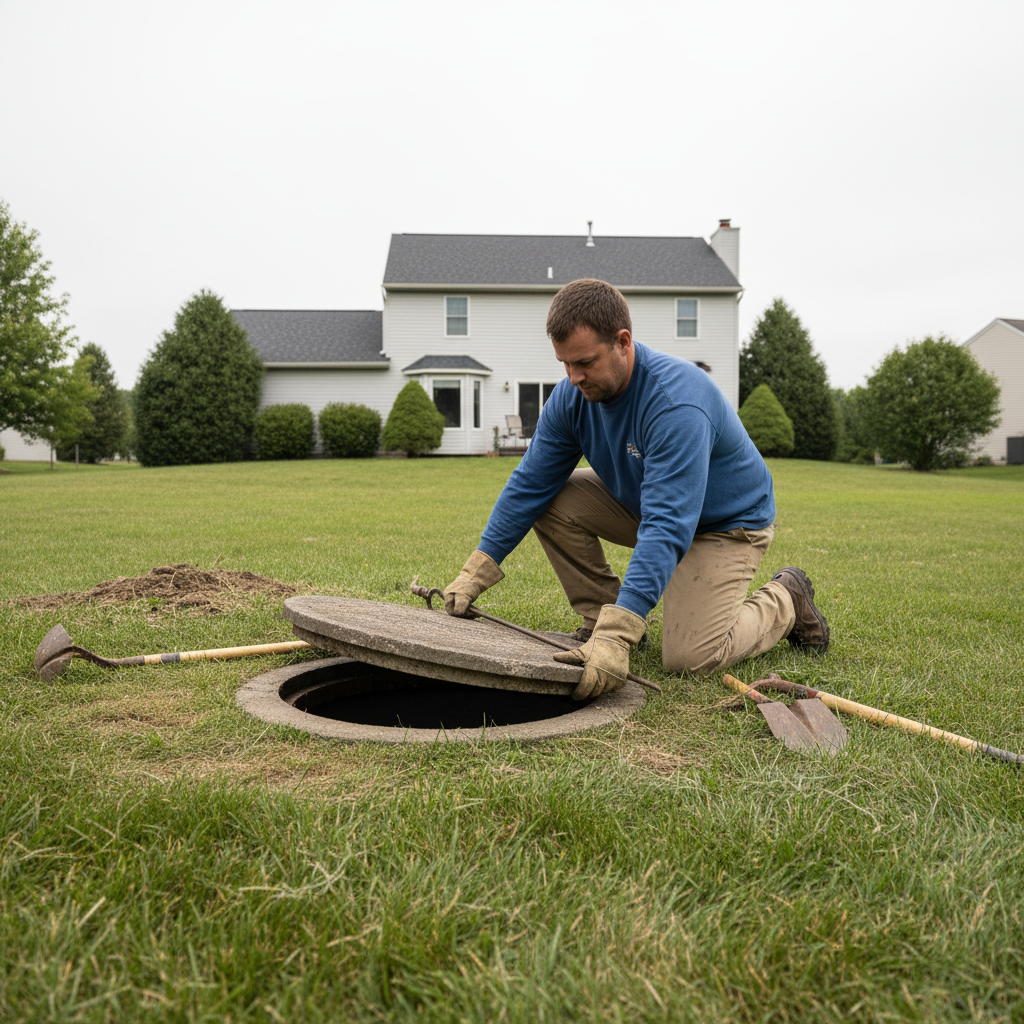
- A pro may locate and uncover tank lids, measure sludge and scum levels, check baffles and tees, confirm the tank isn't leaking, test pumps and floats if present, and look for signs of drainfield stress.
- Goal: catch problems early, set an appropriate pumping schedule, and verify safe operation.
-
Septic tank pumping:
- A vacuum truck removes sludge and scum from the tank.
- EPA recommends most tanks be pumped every 3-5 years, but the actual interval should be based on inspection findings and how fast solids build up.1
A good septic service provider will do a basic inspection each time they pump, but that doesn't replace a dedicated septic system inspection on its own schedule. In some areas, especially for advanced treatment systems, yearly inspections are required even if the tank doesn't need to be pumped yet.2
Sample inspection schedules by situation
Use this table as a starting point, then adjust based on your local inspector's advice and any permit conditions:
| Situation | Example system & use | Suggested inspection frequency |
|---|---|---|
| Newer home, light use | 1,000-1,250 gal gravity tank, 2 people, sandy soil | Every 2-3 years |
| Typical family | 3-4 bedroom home, 4 people, conventional system | Every 1-2 years |
| Older system | 25-year-old concrete tank, unknown history | Every year until baseline is known |
| Heavy clay soil | 3-bedroom home, moderate use, slow-draining yard | Every 1-2 years |
| Advanced/alternative system | Aerobic or mound system with pump and alarm | At least once a year (often required) |
| Past issues | Any history of backup or ponding over drainfield | Every year |
If you're unsure when your system was last inspected or pumped, schedule a full septic system inspection now. The inspector can measure current sludge and scum levels, evaluate the drainfield, and then recommend a custom schedule for both inspections and pumping based on actual data rather than guesses.1
Bottom line
Plan on a professional septic tank inspection every 1-3 years-yearly for older, complex, or high-use systems-and use those findings to dial in your pumping schedule and avoid expensive surprises.