
Risks of DIY septic tank pumping
Quick answer: Why DIY septic pumping is a bad idea
DIY septic tank pumping is dangerous, often illegal, and can easily contaminate your property and groundwater. A septic tank holds toxic gases, disease-causing organisms, and heavy sludge that require vacuum trucks and trained, permitted operators to handle and dispose of safely. Homeowners who try to pump or vacuum a septic tank themselves risk poisoning, explosions, cave-ins, system damage, and fines for improper waste disposal.
What actually happens during septic pumping
Understanding what pumping involves makes the risks much clearer.
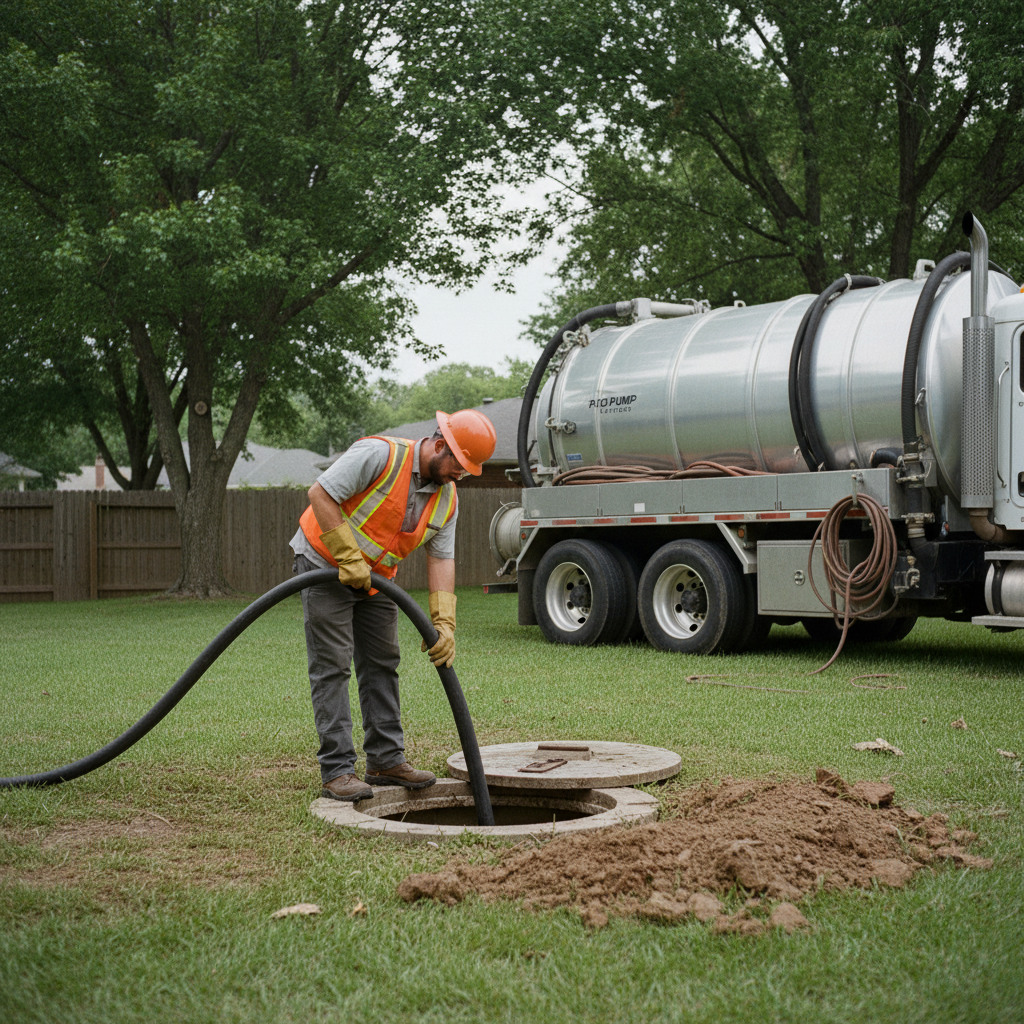
A proper septic tank pumping service will typically:
- Locate and expose the tank lids safely (often with a mini-excavator or careful digging)
- Open the lids and check the tank condition and baffles
- Use a large vacuum truck to remove liquids, scum, and sludge
- Mix and break up compacted sludge from outside the tank using long tools
- Transport the waste to an approved treatment or disposal facility
Each of those steps has hazards that licensed contractors are trained and equipped to manage. Trying to recreate that with a shop-vac, small pump, or makeshift hoses at home is not just ineffective-it can be life-threatening.
Safety risks: gases, collapse, and physical injury
Toxic gases and oxygen depletion
Septic tanks produce a mix of dangerous gases, including methane, hydrogen sulfide, and ammonia. At high levels, hydrogen sulfide can knock a person unconscious in a single breath and can be fatal within minutes. Even at lower levels it can cause eye, nose, and throat irritation and breathing problems.1
Professional pumpers are trained in confined space safety and use ventilation and gas monitoring equipment. Homeowners usually have none of that. Leaning over an open tank to stir sludge or dropping a small pump inside can put your face right into the gas zone.
Key dangers:
- Sudden loss of consciousness from hydrogen sulfide
- Oxygen-deficient air in or near the tank
- Methane creating an explosion risk if any ignition source is nearby
Tank collapse and fall hazards
Septic tanks, especially older concrete or metal ones, can weaken over time. Heavy equipment, vehicles, or even a person standing on a deteriorated lid can cause it to give way.
If you try to DIY pump and walk, jump, or place equipment on the lid:
- You could fall into the tank, which is often fatal due to drowning, gases, or inability to climb out
- The surrounding soil could cave in if the tank or access area is compromised
Licensed contractors are trained to recognize damaged lids and unsafe soil conditions, and they typically keep people well away from the open tank area.
Improvised equipment injuries
DIY attempts often involve:
- Shop-vacs or portable pumps not rated for sewage
- Homemade suction lines run through windows or doors
- Extension cords in wet, contaminated areas
This can lead to:
- Electrical shock or electrocution from wet cords and pumps
- Hose whiplash or disconnection under suction
- Contact with splashing sewage under pressure
A vacuum truck system is designed to handle viscous sewage safely, with rated hoses, valves, and tank capacity, plus backflow protection.
Health risks: disease and contamination
Pathogens in raw sewage
Septic tanks contain untreated or partially treated sewage full of bacteria, viruses, and parasites that can cause serious disease. Public health agencies routinely warn that direct contact or aerosols from sewage can transmit illnesses such as gastrointestinal infections, hepatitis A, and skin and wound infections.2
DIY pumping often means:
- Handling contaminated hoses and pumps with minimal protective gear
- Splashing or aerosolizing waste when moving hoses in and out of the tank
- Tracking contaminated material into the house on clothing or footwear
Without proper personal protective equipment (PPE), decontamination procedures, and safe equipment handling, you're increasing disease risk for you and anyone in the home-especially children, older adults, and people with compromised immune systems.
Cross-contamination of home and yard
Once you've used household tools, small pumps, or containers for raw sewage, they are effectively contaminated. Many homeowners end up:
- Rinsing equipment in sinks, bathtubs, or driveways
- Letting contaminated wash water run onto the lawn or into storm drains
- Storing sewage-soiled gear in garages, sheds, or near kids' items
Professionals use equipment dedicated to sewage, set up controlled work zones, and dispose of rinse water and waste at approved facilities instead of spreading risk around your property.
Environmental and property damage risks
Groundwater and surface water pollution
Improperly handled septic waste can release high levels of nitrogen, phosphorus, and pathogens into the environment, contaminating wells, streams, and lakes.3 If you:
- Dump pumped sewage in a ditch, woods, or storm drain
- Try to "spread it out" on your property
- Discharge it to a culvert or nearby waterway
...you can contaminate drinking water (including your own well) and harm local ecosystems. Many states treat unauthorized sewage discharge as a serious environmental violation.
Killing your drain field
Some DIYers try to "pump" or flush heavy sludge toward the drain field instead of removing it. That can:
- Clog the soil pores permanently with solids and grease
- Shorten the life of the drain field by years
- Force an expensive drain field replacement instead of a routine tank pump-out
Even partial removal with an undersized pump may stir up sludge and push more solids out to the field-exactly what you're trying to avoid.
Damaging the tank and plumbing
Without knowing the internal layout of the tank (baffles, tees, partition walls), it's easy to:
- Break inlet or outlet baffles while poking around with makeshift tools
- Crack concrete lids or risers with prybars
- Damage pipes where they enter the tank
Those damaged components can cause backups, allow scum to escape to the drain field, or admit groundwater into the system. Licensed pumpers are trained to recognize and work around these components and to flag needed repairs.
Legal and regulatory risks
Waste disposal and hauling rules
In most areas, you cannot legally transport or dispose of septic waste however you like. States and local health departments typically require:
- Septage (the solids and liquids removed from septic tanks) to be taken to an approved treatment or disposal site
- Waste haulers to hold specific licenses or permits
- Records of where each load of septage is taken and disposed of3
If you:
- Dump pumped waste on your land or on someone else's
- Haul it in personal containers to a random location
- Try to dispose of it through a cleanout into a sewer that isn't designed to receive such loads
...you may be violating state environmental and health regulations and can face fines or enforcement actions.
Working on a septic system without required licenses
Many jurisdictions require that septic pumping be performed by licensed septic tank pumpers or liquid waste haulers. Some also require permits or registrations for:
- Septic system repairs and modifications
- Abandonment of old tanks
Doing this work without the proper credentials can:
- Void warranties or service agreements
- Complicate home sale inspections if a record of licensed maintenance is missing
- Lead to code enforcement issues if a neighbor reports odors, spills, or illegal dumping
Check your local health department or environmental agency rules before considering any septic work; in many places, homeowner DIY pumping won't be allowed at all.3
Why licensed septic tank pumping contractors are essential
Training and safety protocols
Professional septic tank pumpers and vacuum truck operators are trained in:
- Confined space and gas hazard awareness (even if they don't enter tanks)
- Safe equipment operation, hose management, and spill prevention
- Proper use of PPE like gloves, eye protection, and sometimes respirators
They also carry liability insurance and often workers' compensation coverage-protections you do not have if a friend or family member gets hurt helping you DIY.
Proper equipment and complete cleaning
A licensed pumping contractor will have:
- A dedicated vacuum truck with the capacity to remove all liquids, scum, and sludge
- Hoses sized to move thick material without constant clogs
- Tools designed to break up and mix sludge safely from outside the tank
This means the tank gets cleaned thoroughly, and waste is contained from tank to truck to disposal facility. A small pump or shop-vac can't generate enough suction or volume to remove compacted sludge, leaving the tank functionally un-pumped even after a messy, risky effort.
Verified, legal waste disposal
Licensed contractors are set up to dispose of septage legally at:
- Municipal wastewater treatment plants
- Approved land application sites
- Other permitted treatment and disposal facilities
They usually maintain records of each pump-out: date, location, approximate volume, and disposal site. That paper trail can be valuable if you ever sell your home or have to prove that you maintained your system responsibly.
Safer ways for homeowners to be hands-on
You can-and should-be involved in your septic system's care without touching the inside of the tank.
Safe homeowner tasks include:
- Locating and uncovering lids: Gently uncovering risers or lids so the pro can access them, if your yard is safe and you avoid walking on suspect areas.
- Monitoring usage: Spacing out laundry, avoiding grease down the drain, and fixing leaks promptly.
- Visual checks (from a distance): Standing back while a pro has the lid open and asking them to show you levels and any issues.
- Record keeping: Keeping a log of pump-out dates, inspection notes, and any repairs.
These actions help your system last longer and keep pumping costs reasonable-without exposing you to the serious hazards of DIY septic tank pumping.
Conclusion
The bottom line: the safety, health, environmental, and legal risks of DIY septic tank pumping far outweigh any cost savings, and using a licensed septic tank pumping contractor with proper disposal is the only responsible choice.
Glossary
- Septic tank pumping - Removing liquids, scum, and sludge from a septic tank using a vacuum truck.
- Septage - The mixture of solids and liquids pumped out of a septic tank.
- Drain field - The buried network of pipes and soil that disperses treated effluent from the septic tank.
- PPE (personal protective equipment) - Safety gear such as gloves, goggles, and respirators used to protect workers.
Sources
Footnotes
-
U.S. Occupational Safety and Health Administration (OSHA) - Hydrogen sulfide hazards and health effects. ↩
-
U.S. Centers for Disease Control and Prevention (CDC) - Health risks from exposure to sewage and wastewater. ↩
-
U.S. Environmental Protection Agency (EPA) - Septic system basics, environmental impacts, and regulations for domestic septage handling and disposal. ↩ ↩2 ↩3