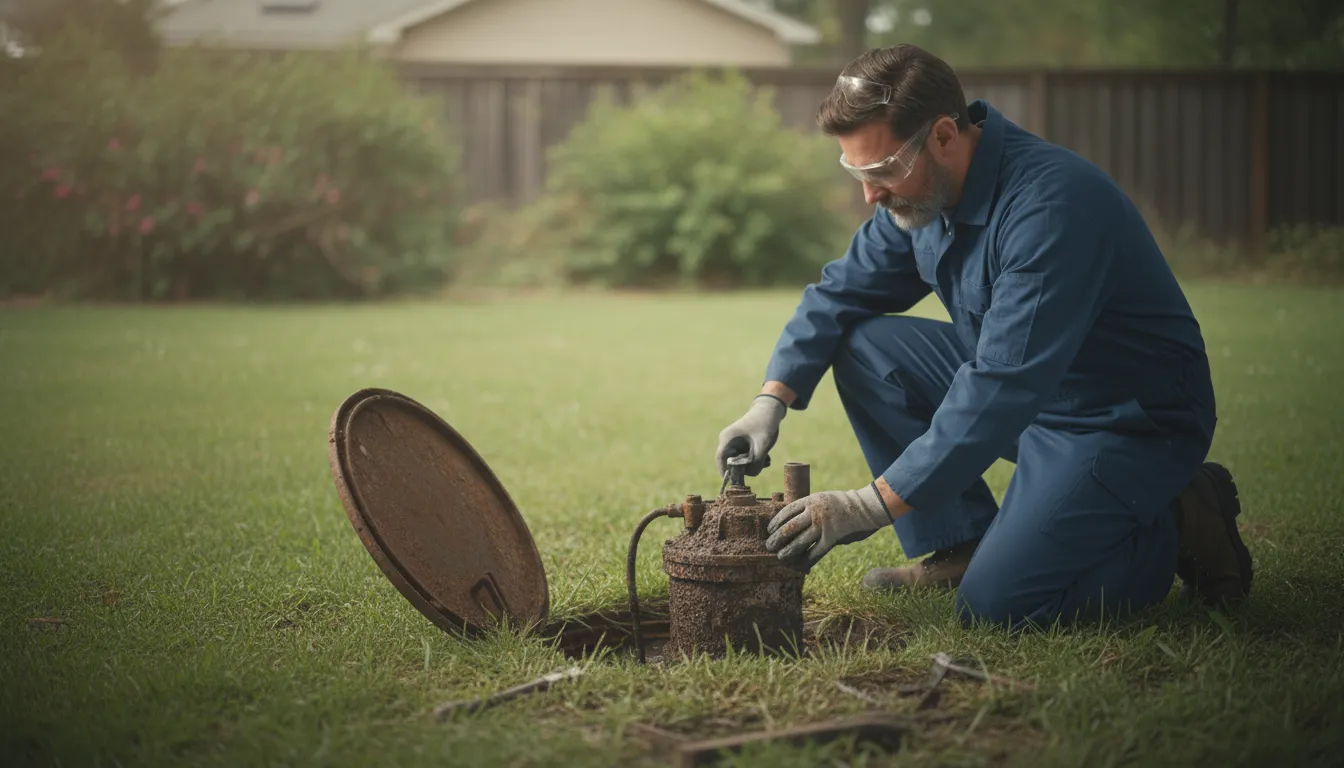
Find the Best Septic Pump Repair Companies for Your Business
No obligation • Fast responses • Nationwide coverage

Why you can trust Septic Spot
Septic Spot is a leading United States resource for understanding and comparing septic services. Our editors review providers using consistent criteria and verify key business details. Listings and scores are independent, and companies cannot pay to influence our content.
Search providers near you
Best Septic Pump Repair Companies in Alaska Ranked
A failing septic pump can quickly escalate from a minor nuisance to a major health and environmental hazard, especially in Alaska's unique and demanding climate. Septic pump repair and replacement involves diagnosing and fixing issues with the mechanical or electrical components that move wastewater from your tank to your drainfield. This service is critical for protecting your property, your family's health, and Alaska's sensitive environment. This guide provides the essential information you need to understand the process, regulations, and costs, helping you connect with qualified local professionals who can restore your system to proper function.
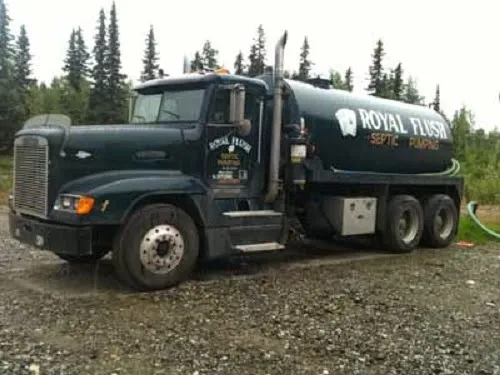
Royal Flush Septic Pumping
7241 Sunrise Dr, Wasilla, AK 99623
Royal Flush Septic Pumping provides a full range of septic services in Anchorage, AK, including septic tank pumping, inspection, repair, and installation. They also handle drain field repair and replacement, septic pump repair or replacement, and offer commercial sewer repair and pipe video inspection. The company is equipped with vacuum trucks and provides year-round service to manage the challenges posed by Alaska's harsh weather conditions. Royal Flush offers 24/7 emergency septic and sewer services to address urgent needs promptly.

Sanitary Pumpers
17545 Kahiltna Dr, Eagle River, AK 99577
Sanitary Pumpers is a family-owned septic service company serving Anchorage, AK, and nearby areas including Eagle River and Chugiak. With over 35 years of experience, they provide septic tank pumping, cleaning, inspections, drain field repair, and pump replacement services. Their team uses advanced equipment and industry methods to address issues like foul odors, slow drains, and water pooling. They also offer thorough inspections to identify septic system problems and perform maintenance to support system health and performance.
Understanding Your Alaska Septic System
Most homes in Alaska that are not connected to a municipal sewer line rely on an on-site wastewater system. The type of system you have determines the role and complexity of the pump.
- Conventional/Gravity Systems: These systems rely on gravity to move sewage from the septic tank to the drainfield and do not contain a pump 1. However, many Alaskan properties, due to terrain or soil conditions, require a pump.
- Pump/Pressure Distribution Systems: When the drainfield is located at a higher elevation than the septic tank, a pump is required to push the effluent uphill. This is a common setup.
- STEP Systems (Septic Tank Effluent Pumping): This is a two-compartment tank where solids settle in the first compartment. The clarified liquid then flows into a second chamber containing a submersible pump, which pressurizes the effluent for delivery to a distant or elevated drainfield 2. STEP systems are frequently used in Alaska.
Knowing your system type is the first step in troubleshooting a problem. A licensed professional can help you identify it during an inspection.
Common Signs of Pump Failure
Recognizing the early warnings of pump trouble can prevent a complete system backup. Be alert for these signs:
- Sewage Backups: The most alarming sign is wastewater backing up into household drains, toilets, or showers.
- Constantly Running Pump or Alarm: A pump that runs non-stop or a high-water alarm that sounds continuously indicates a malfunction, often with a float switch or the pump itself.
- Drainfield Problems: Soggy ground, standing water, or foul odors in the area of your drainfield can signal that the pump is not distributing effluent properly.
- Electrical Issues: Check your home's circuit breaker for a tripped switch dedicated to the septic system. A simple reset might solve it, but if it trips again, there is an electrical fault.
- Frozen System Components: In winter, a lack of system use or insufficient insulation can lead to frozen pipes, tanks, or pump components, causing a blockage.
The Repair and Replacement Process
When you suspect a pump issue, a structured approach by a certified technician is essential.
- Inspection and Diagnosis: A professional will first perform a visual inspection and often use specialized tools. They will check the control panel, alarm, float switches, and electrical connections 3. To inspect the pump itself, the tank usually needs to be pumped out for safe access 4.
- Identifying the Problem: The failure typically falls into one of two categories:
- Electrical: Issues with the control panel, wiring, float switches (which tell the pump when to turn on/off), or the alarm system.
- Mechanical: Failure of the submersible pump motor or its internal components due to wear, clogging, or burnout 5.
- Repair vs. Replacement Decision: Minor issues like a stuck float switch or a faulty control panel relay can often be repaired. However, if the submersible pump motor has failed, replacement is almost always the required solution, as repairs are not cost-effective.
- The Replacement Procedure: Replacing a septic pump is a significant job. It involves pumping the tank, safely removing the old pump, installing a new, compatible pump, reconnecting electrical and discharge lines, and testing the entire system to ensure proper operation.
Find the perfect septic pump repair companies for your needs
Get personalized recommendations and expert advice
Alaska Regulations and Permit Requirements
Alaska has strict regulations governing on-site wastewater systems to protect public health and the environment. The Alaska Department of Environmental Conservation (ADEC) enforces these rules under Alaska Regulations Chapter 72.
- Professional Requirement: All installation, modification, and major repair work on septic systems must be performed by a certified installer 6. Homeowners cannot legally perform this work themselves.
- Permits Are Often Needed: You typically need an ADEC permit for:
- Installing a new septic system.
- Replacing a failed drainfield.
- Extensively repairing or replacing a pump system, especially if it involves altering the hydraulic design or location.
- The ADEC fee for a "Document of Construction" for conventional systems is $115, while reviews for new system designs can cost $655 or more.
- Local Jurisdictions: Many municipalities have additional, sometimes stricter, codes. For example, the Municipality of Anchorage has its own detailed regulations and permit processes that must be followed in addition to state rules 7.
- Engineering Involvement: For many properties, especially those with challenging soils or requiring engineered systems like STEP, a site evaluation and design by a registered professional engineer is required as part of the permit application 8.
Always verify permit requirements with your local ADEC office and municipal building department before any work begins.
Cost Considerations for Alaskan Homeowners
The cost of septic pump service in Alaska is generally higher than the national average due to climate challenges, transportation costs, and regulatory requirements.
- Pumping Fee: To safely access the pump for repair or replacement, the tank must be pumped. In Alaska, a standard septic pumping service averages around $650, which is significantly higher than in many other states 9.
- Repair Costs: Minor electrical repairs, such as replacing a float switch or control panel component, may range from $200 to $500.
- Pump Replacement Cost: This is the most significant expense. The cost for a new submersible pump, plus the labor for installation, testing, and site restoration, typically ranges from $1,000 to $2,500 or more. The final price depends on pump type, depth of the tank, system complexity, and local labor rates.
- Permit and Engineering Fees: Don't forget to budget for any required ADEC permit fees (starting at $115) and potential costs for a professional engineer's site evaluation and design, which can add hundreds to thousands of dollars to the project total 10 11.
Preventing Pump Problems in a Cold Climate
Alaska's winters pose a specific threat to septic systems. Preventing freezing is a key part of maintenance.
- Regular Pumping: ADEC recommends pumping your septic tank every 2 years for a typical household 12. This prevents solids from overflowing into the pump chamber and causing clogs or damage.
- Insulation is Critical: Ensure your tank, pipes, and pump chamber are properly insulated. Using a layer of mulch, straw, or specialized insulating blankets over the tank and drainfield can help retain ground heat 13.
- Consistent Use: During extreme cold, regular, consistent water flow through the system helps prevent freezing. If the house will be vacant in winter, special precautions are necessary.
- Professional Maintenance Contracts: Consider an annual maintenance contract with a certified provider. They can perform preventative checks, clean filters (in STEP systems), and identify small issues before they lead to a frozen, failed pump.
Frequently asked questions
Sources
Footnotes
-
How a Conventional Septic Tank System Works - https://www.youtube.com/watch?v=XlrQlGaI-Pk ↩
-
Engineered Wastewater Disposal Systems - https://dec.alaska.gov/water/wastewater/engineering/engineered-systems ↩
-
CHAPTER 15.65 WASTEWATER DISPOSAL - Anchorage - Muni.org - https://www.muni.org/departments/ocpd/development-services/codes-handouts/code%20archive%202018/amc%2015.65_adopted%20jan%2023%202018.pdf ↩
-
Residential Septic Tank Pumping in AK: A Homeowner's Guide - https://www.aksewer.com/residential-septic-tank-pumping-in-anchorage-ak-a-homeowners-guide/ ↩
-
Septic Repair Elkhart | Septic System Replacement Services - https://www.arwwm.com/system-installationreplacement/ ↩
-
Installing or Upgrading a Septic System | AK Dept. of Environmental Conservation - https://dec.alaska.gov/water/wastewater/engineering/homeowners ↩
-
Wells & Septic Systems - Anchorage - Muni.org - https://www.muni.org/Departments/OCPD/development-services/wells-septic/Pages/default.aspx ↩
-
Engineering Support and Plan Review | AK Dept. of Environmental ... - https://dec.alaska.gov/water/wastewater/engineering/ ↩
-
Septic Pumping Cost by State: 2024 Complete Price Guide - https://wastedoor.com/article/septic-pumping-cost-by-state ↩
-
Alaska Septic Tank Requirements | Onsite Disposal Systems - https://www.ntotank.com/blog/alaska-septic-tank-requirements ↩
-
How Much Does It Cost to Replace a Septic System? - https://alphaenvironmental.net/blog/how-much-cost-replace-septic-system/ ↩
-
How to Maintain Your Septic System - https://dec.alaska.gov/water/wastewater/engineering/maintain-septic/ ↩
-
On-Site Water and Wastewater Systems - Muni.org - https://www.muni.org/Departments/OCPD/development-services/wells-septic/Documents/Onsite%20Systems%20Maintenance%20Guide%20May2025.pdf ↩