Find the Best Septic Pump Repair Companies for Your Business
No obligation • Fast responses • Nationwide coverage

Why you can trust Septic Spot
Septic Spot is a leading United States resource for understanding and comparing septic services. Our editors review providers using consistent criteria and verify key business details. Listings and scores are independent, and companies cannot pay to influence our content.
Search providers near you
Best Septic Pump Repair Companies in Arizona Ranked
Maintaining a functional septic system is crucial for Arizona homeowners, especially given the state's unique environmental challenges. Septic pump repair and replacement services address critical failures in your system's components, ensuring wastewater is properly managed and protecting your property and local groundwater. When a pump fails or a component breaks, timely professional intervention is essential to prevent backups, environmental contamination, and costly property damage. This guide provides the practical information you need to understand common issues, navigate Arizona's specific regulations, and connect with qualified local specialists to restore your system's operation.
Macho Contracting
6424 E Greenway Pkwy #100, Scottsdale, AZ 85254
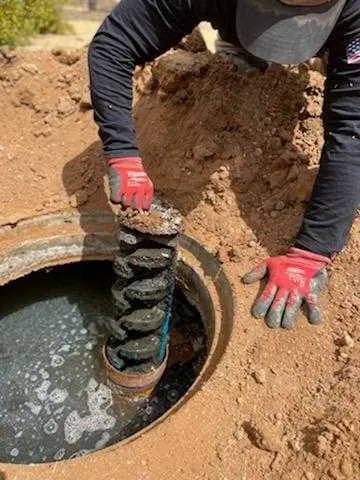
Macho Contracting is a family-owned plumbing and septic company serving Phoenix, AZ, and the surrounding Valley since 2016. They specialize in septic tank pumping, inspections, system repairs, and pump replacement services, with over 25 years of combined experience in onsite wastewater management. Their expertise includes handling underground systems, sewer line repairs, and complex septic system designs tailored to Arizona soil conditions. The company is fully licensed, NAWT-certified, and OSHA-trained, emphasizing safety and compliance in all projects.
Macho Contracting
1974 E Deer Valley Dr, Phoenix, AZ 85024
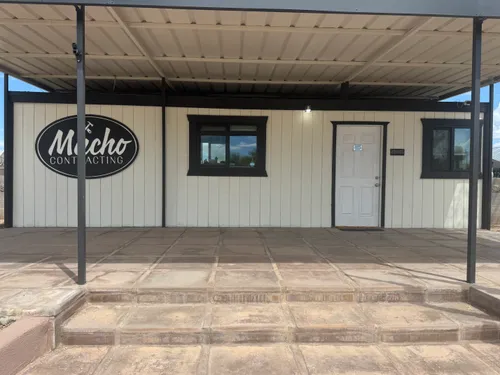
Macho Contracting is a family-owned plumbing and septic company based in Phoenix, AZ, serving the Valley and surrounding areas. They specialize in septic tank pumping, inspections, system repairs, and pump replacements, with over 25 years of experience in onsite wastewater management. Their services include handling underground systems, sewer line repairs, and complex septic system designs tailored to Arizona soil conditions. Since 2016, Macho Contracting has provided licensed and certified plumbing and septic solutions, including pump and lift station services, with a focus on innovative and quality workmanship.
Canyon State Septic LLC
Phoenix, AZ
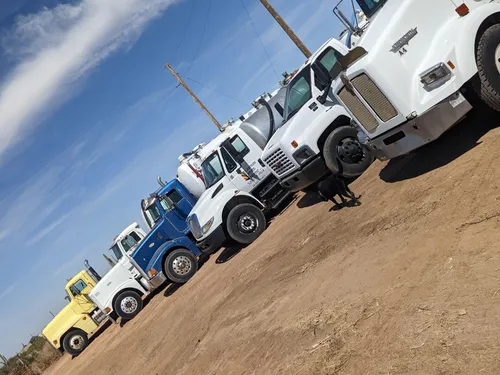
Canyon State Septic LLC is a septic service provider located in Phoenix, AZ. The company offers a range of services including septic tank pumping, inspections for certified transfer of ownership, installations, excavation, and septic pump repair or replacement. They hold certifications such as NAWT# 14870ITC and ADEQ# 2673, indicating compliance with industry standards.

Eco Septic Tank Pumping Phoenix
Phoenix, AZ
Eco Septic Tank Pumping Phoenix provides a full range of septic services including pumping, inspection, repair, and installation in Phoenix, AZ. They handle routine septic system cleaning, emergency sewer cleaning, and biological treatments to maintain system health. Their process includes thorough tank inspection and safe waste disposal to licensed facilities. The company also offers septic system repairs and new installations, ensuring compliance with local regulations. Serving Phoenix and surrounding areas, Eco Septic Tank Pumping Phoenix emphasizes regular maintenance to prevent system failures and extend septic system lifespan.
Understanding Arizona's Septic Systems
Arizona's diverse terrain and soil conditions lead to two primary types of residential septic systems, each with different repair considerations.
- Conventional Gravity Systems: These are the most common type, relying on gravity to move wastewater from the home to the septic tank and then out to a subsurface drain field. Repairs often involve the tank itself (like baffles or lids) or the drain field lines.
- Alternative Systems (Mound/Pump): In areas with high groundwater, poor soil percolation, or shallow bedrock-common in parts of Arizona-an alternative system is required 1. These systems use a pump (or effluent pump) to move treated wastewater from the tank to a raised sand mound or other specialized drain field. Repair and replacement of the pump itself is a frequent need for these systems.
Common Septic Pump and System Issues in Arizona
The Arizona environment creates specific stressors on septic systems that can lead to failures requiring repair.
- Caliche Soil: This hard, calcium-carbonate cemented layer is prevalent in Arizona soils and can severely inhibit drainage, leading to premature drain field failure and backups.
- Monsoon Saturation: Heavy seasonal rains can quickly saturate the ground, overwhelming the drain field's ability to absorb effluent. This is a common cause of system failure during late summer.
- Pump Failure: In alternative systems, the pump is a mechanical device with a finite lifespan. It can fail due to electrical issues, clogging from solids, or normal wear and tear, halting all wastewater flow.
- Heat and Root Damage: Intense desert heat can accelerate the degradation of some piping materials, while seeking moisture, aggressive desert plant roots can infiltrate and clog drain lines.
The Professional Repair and Replacement Process
Addressing a septic issue follows a structured process to ensure the repair is effective, safe, and compliant with state law.
- Inspection and Diagnosis: A qualified professional will first inspect the system to identify the root cause. This may involve checking the tank, scum and sludge levels, drain field, and pump (if present). They will determine if the issue is a simple clog, a broken pump, or a more serious drain field failure.
- Permitting: For most repairs beyond minor fixes, and for all system replacements, a permit from your local county environmental health department is required 2. Your contractor will typically handle this, as the work must be approved and later inspected by county officials.
- System Pumping: Before any repair work inside the tank can begin, the tank must be pumped out by a licensed hauler to allow for safe access 3.
- Repair or Replacement Work: This is the core service, which could involve:
- Replacing a failed septic or effluent pump.
- Repairing or replacing damaged inlet/outlet baffles.
- Fixing broken pipes between the house and tank or tank and field.
- Addressing drain field issues, which may involve cleaning, repairing, or replacing leach lines.
- Final Inspection and Approval: Once work is complete, a county inspector will visit to ensure the repair meets all Arizona Department of Environmental Quality (ADEQ) standards before the system is put back into service 4.
Find the perfect septic pump repair companies for your needs
Get personalized recommendations and expert advice
Arizona Regulations and Licensing Requirements
Arizona has strict rules governing who can work on septic systems and what work is allowed.
- Licensed Professionals Only: Septic system repair, installation, and pumping are regulated. Work must be performed by a contractor appropriately licensed by the ADEQ. A standard plumbing license is often insufficient for full system work 5.
- The Aquifer Protection Permit (APP): Every septic system in Arizona operates under an APP. This permit must be valid, and any major repair or alteration may require a permit modification. When selling a home, a transfer inspection is often needed to verify the system's condition for the new owner 6.
- Repair Limitations: State guidelines restrict certain changes. For example, you generally cannot convert a pre-2001 gravity system to a pump system, expand the system's footprint by more than 10 feet, or change the system type without significant review and approval 7.
Cost Considerations for Repairs and Replacement
Costs can vary widely based on the system type, the extent of the problem, and your location in Arizona. Below are general price ranges based on industry data 8 9 10.
- System Inspection: Typically between $55 and $150.
- Septic Tank Pumping: Ranges from $150 to $1,000, depending on tank size and accessibility.
- Minor Repairs: Such as replacing a baffle or clearing a pipe, can cost between $300 and $1,000.
- Pump Replacement: For alternative systems, replacing a septic pump can cost between $500 and $1,500+, including parts and labor.
- Major System Replacement:
- Conventional Gravity System: $3,000 to $10,000+
- Alternative (Mound/Pump) System: $10,000 to $20,000+
Proactive Maintenance to Avoid Major Repairs
Consistent care is the most cost-effective way to avoid emergency septic pump repair or full system replacement.
- Regular Pumping: The single most important maintenance task. Have your tank pumped every 3 to 5 years, or as recommended by a professional based on your household size and usage 11.
- Water Conservation: Especially critical during monsoon season. Spread out laundry loads, fix leaks promptly, and use water-efficient fixtures to prevent over-saturating your drain field 12.
- Mind What You Flush: Only human waste and toilet paper should go down the drain. Avoid chemicals, grease, wipes, and feminine hygiene products that can clog pumps and destroy beneficial bacteria.
- Protect the Drain Field: Never drive or park vehicles over it. Direct rainwater drainage away from the area, and choose landscaping with shallow roots to prevent pipe damage 13.
Frequently asked questions
Sources
Footnotes
-
Septic System Repair: Essential Guidelines for Homeowners - https://smartsepticpros.com/blog/septic-system-repair-guidelines/ ↩
-
Arizona Septic Tank Requirements - https://www.ntotank.com/blog/arizona-septic-tank-requirements ↩
-
Septic System 101 - Homeowners Manual - Mohave County - https://www.mohave.gov/departments/development-services/environmental-qualitywaste-disposal/documents/septic-system-101-homeowners-manual/ ↩
-
Navigating a Septic Certification in Arizona - https://www.machocontracting.com/navigating-septic-certification-in-arizona ↩
-
Licensing Requirements for Septic System Work in Arizona - https://www.machocontracting.com/licensing-requirements-for-septic-system-work-in-arizona ↩
-
What You Should Know When You're Having Your Septic System ... - https://extension.arizona.edu/sites/extension.arizona.edu/files/attachment/az1554-12-12-11_TransferOfOwnershipInspection_revised_2-24-12.pdf ↩
-
Septic System Repairs: Guidelines and Limitations - https://www.graham.az.gov/DocumentCenter/View/763/Septic-System-Repairs---Guidelines-and-Limitations-PDF ↩
-
Inspecting Your Household Septic System | UA Cooperative Extension - https://extension.arizona.edu/publication/inspecting-your-household-septic-system ↩
-
HOMEOWNER'S MANUAL Septic Systems 101 - https://www.yavapaiaz.gov/files/sharedassets/public/development-and-permits/zoning-amp-planning/documents/homeownersepticmanual.pdf ↩
-
Septic Pumping Cost by State: 2024 Complete Price Guide - https://wastedoor.com/article/septic-pumping-cost-by-state ↩
-
Maintaining Your Septic System in Arizona How Often Should ... - https://www.duckspumping.com/single-post/maintaining-your-septic-system-in-arizona-how-often-should-you-pump-your-tank-for-optimal-performanc ↩
-
When to Replace vs. Repair Your Septic Tank | Gross Septic Pumping - https://www.grossseptic.com/blog/when-to-replace-vs-repair-your-septic-tank/ ↩
-
Be Septic Safe - https://www.clemson.edu/extension/water/resources/be-septic-safe.html ↩