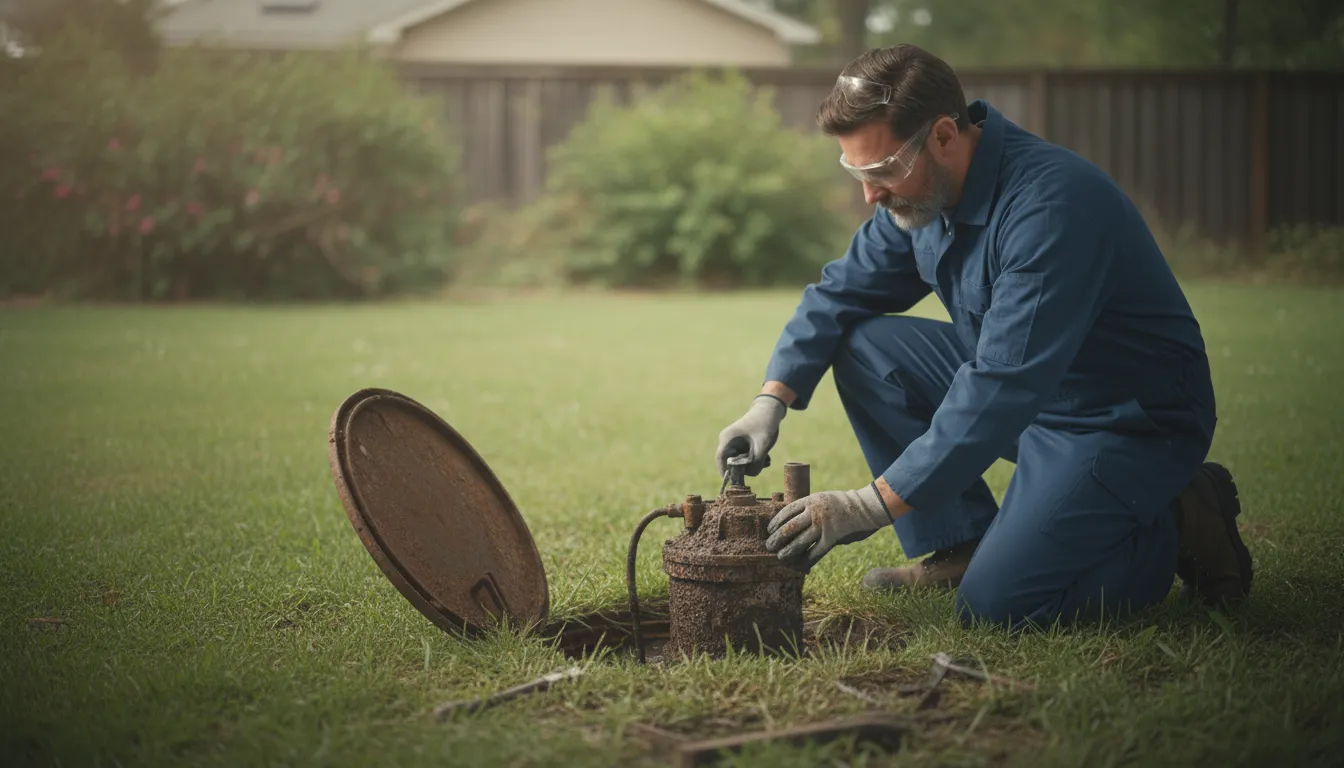
Find the Best Septic Pump Repair Companies for Your Business
No obligation • Fast responses • Nationwide coverage

Why you can trust Septic Spot
Septic Spot is a leading United States resource for understanding and comparing septic services. Our editors review providers using consistent criteria and verify key business details. Listings and scores are independent, and companies cannot pay to influence our content.
Search providers near you
Top Septic Pump Repair Companies in Norwalk, Connecticut Ranked
When your septic system's pump fails, it's more than an inconvenience-it's a potential health hazard and a violation of state code. In Connecticut, repairing or replacing a septic pump is a regulated process that requires licensed professionals to navigate local health department permits and the state's Technical Standards. This guide explains the types of systems, the repair process, critical state regulations, and associated costs to help you make informed decisions. Use the information here to understand your options and connect with qualified local specialists who can diagnose issues and ensure compliant, lasting solutions.
Emergency Sewer & Drain Service, Inc.
75 Virginia Rd, White Plains, NY 10603
Emergency Sewer & Drain Service, Inc. provides septic pump repair and replacement services in New York, NY. Based in White Plains, they serve clients across Westchester County, NY, and Fairfield County, CT. The company offers a wide range of plumbing and drainage services, including pump repairs, main sewer line repair, and flooded basement pumping. Established in 1984, they bring over four decades of experience to both residential and commercial systems. They are available 24 hours a day, seven days a week to address urgent plumbing needs.
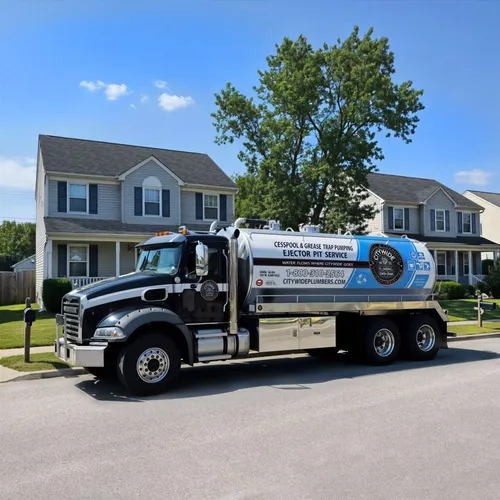
Citywide Grease Trap Maintenance | Cesspool Pumping Service Long Island
110 Voice Rd, Carle Place, NY 11514
Citywide Grease Trap Maintenance | Cesspool Pumping Service Long Island provides septic and cesspool pumping, inspection, repair, and installation services in New York, NY. Serving both residential and commercial clients, they offer comprehensive maintenance and cleaning to prevent system failures. Their skilled technicians use advanced equipment for installations and repairs, including grease trap pumping and sewage ejector pit services. With over 65 years of experience, Citywide operates 24/7 to address emergency needs promptly.
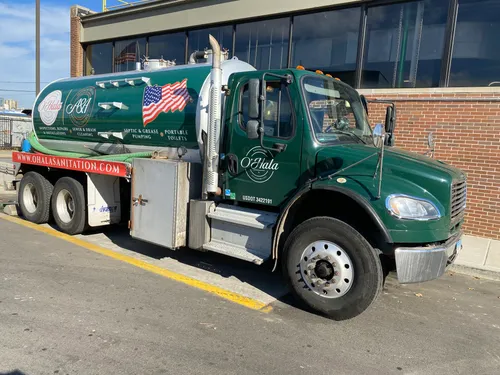
A & A Systems Control Inc
47 Larkin St Unit 5 A, Stamford, CT 06907
A & A Systems Control Inc is a family-owned septic and excavating services company based in Stamford, CT. They provide a full range of septic system services including pumping, inspections, repairs, installations, and drain cleaning for residential and commercial clients. Their expertise extends to excavation, drainage solutions, grease trap cleaning, and percolation testing, serving Stamford and nearby communities such as Greenwich, Darien, and New Canaan. The company offers 24/7 availability and emphasizes routine maintenance plans to minimize emergencies and system backups. With a background in utility construction, A & A Systems Control Inc combines technical knowledge with local service to support well-maintained septic systems.
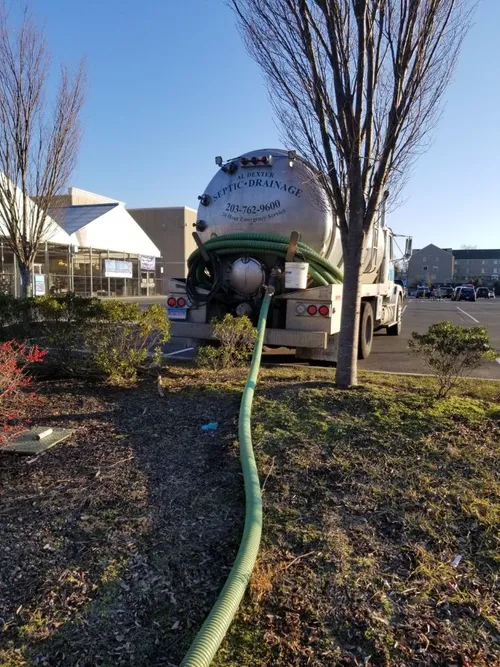
Al Dexter Septic & Drainage
New York, NY
Al Dexter Septic & Drainage is a septic service provider located in New York, NY. They offer a range of services including septic tank cleaning, installation, inspection, and repair. Their capabilities include jetting and snaking lines, camera inspections, odor testing, and pump repair or replacement. The company also handles grease trap cleaning and dry well pumping, providing comprehensive septic system maintenance and repair solutions.
Common Septic System Types in Connecticut
Understanding your system type is the first step in addressing pump issues. Connecticut homes typically use one of three main designs, each with different components and maintenance needs.
-
Gravity-Fed Systems: This is the most common and simplest design. Wastewater (effluent) flows from the tank to the drain field purely by gravity, without any mechanical pumps 1. While these systems don't have effluent pumps, they may still have components that require service.
-
Pressure-Dosed or Pump Systems: These are necessary when the drain field is located uphill from the septic tank or when soil conditions require controlled distribution. An effluent pump inside a separate pump chamber lifts the treated liquid to the higher-elevation leaching area. This pump, along with its float switches and alarm, is a common point of failure requiring repair or replacement.
-
Alternative or Engineered Systems: In areas with poor soil percolation, high water tables, or shallow bedrock, a standard system won't work. These advanced systems use technologies like sand filters, aerobic treatment units (ATUs), or peat filters to treat effluent before dispersal 2. They often involve multiple pumps and sophisticated controls, making professional expertise essential for repairs.
The Step-by-Step Repair and Replacement Process
Addressing a septic pump problem follows a structured path from diagnosis to final inspection. Skipping steps can lead to non-compliance and future system failure.
-
Professional Diagnosis: The process begins when a licensed septic contractor assesses the system. They will check for common issues like a failed pump motor, stuck or broken float switches, clogged impellers, or problems with the electrical control panel and alarm 3. Proper diagnosis ensures the correct repair is performed.
-
Securing Permits: Before any work begins, your contractor must obtain the necessary permits from your town's local Director of Health. No repair or replacement on any component of a septic system is legal in Connecticut without this permit. The health department ensures the planned work meets state code.
-
Pump Repair or Replacement: The technician will excavate to access the pump chamber (or tank, depending on the system). They will remove the faulty pump, replace it with a new unit rated for septic effluent, and install or adjust all associated components like floats, seals, and wiring 4. For complex systems, this may involve calibrating timers or controls.
-
Final Inspection and Approval: Once the work is complete, the local health inspector must visit the site to approve the installation. They verify that the repair complies with the Connecticut Public Health Code and the Technical Standards for Subsurface Sewage Disposal Systems. Only after passing this inspection is your system officially legal and operational.
Find the perfect septic pump repair companies for your needs
Get personalized recommendations and expert advice
Connecticut Regulations and Requirements You Must Know
State and local regulations govern every aspect of septic work. Familiarizing yourself with these key points protects your property and investment.
-
Licensing is Mandatory: Only state-licensed septic system installers or pumpers are legally allowed to perform repair or replacement work on your system 5. Always verify a contractor's license before hiring them.
-
Permits are Non-Negotiable: As noted, a permit from your local health department is required for any repair, not just full replacements 6. Your contractor typically handles this, but you are responsible for ensuring it's done.
-
Compliance with Technical Standards: All systems must be designed and installed according to the state's official Technical Standards 7. This document dictates everything from tank size and material to drain field sizing and construction.
-
Professional Design for Replacements: If a repair escalates to a full system replacement, the new design must often be stamped by a licensed Professional Engineer (PE), especially for engineered systems or properties with challenging conditions 8.
-
The Code Complying Area (CCA): When replacing a system, Connecticut law requires that a "Code Complying Area" (CCA)-a reserved, undisturbed space for a future drain field-be identified on your property plan 9. This ensures there is room for a replacement system if the new one eventually fails.
-
Routine Maintenance is Key: The best way to avoid major pump failures is regular maintenance. The Connecticut Department of Public Health recommends having your septic tank pumped and inspected every 3 to 5 years 10. This service can identify small issues before they become expensive emergencies.
Understanding Costs and Financial Assistance
The cost to fix a septic pump issue in Connecticut varies widely based on the scope of work, from a simple component swap to a full system overhaul.
-
Basic Pump or Component Replacement: Repairing or replacing a failed effluent pump, along with associated floats and wiring, typically costs between $1,000 and $3,000 or more 11. The final price depends on pump horsepower, brand, accessibility, and labor.
-
Full Septic System Replacement: When a pump failure is a symptom of a larger system collapse, a full replacement is needed. In Connecticut, this is a significant investment, with costs generally ranging from $10,000 to $25,000 12 13. Engineered or alternative systems for difficult sites can be at the higher end of this range or even exceed it 14.
-
Financial Assistance Programs: Recognizing the high cost of repairs, the State of Connecticut offers potential financial help for homeowners with failing systems. Programs may include low-interest loans or deferred loans to make necessary repairs or replacements more affordable 15. Check with the Connecticut Department of Public Health or your local health district for current program availability and eligibility requirements.
Frequently asked questions
Sources
Footnotes
-
Septic Systems Explained - Connecticut's Conservation Districts - https://conservect.org/southwest/wp-content/uploads/2018/01/SepticBrochures2014Revision3.pdf ↩
-
HOME BUYERS GUIDE - Greenwich, CT - https://www.greenwichct.gov/DocumentCenter/View/3119/Home-buyers-guide-PDF ↩
-
Septic System Owner's Guide | NC State Extension Publications - https://content.ces.ncsu.edu/septic-system-owners-guide ↩
-
Complete Guide: Installing a Septic System from Start to Finish - https://www2.parklanejewelry.com/how-to-put-in-a-septic-system/ ↩
-
Installing or Replacing a Connecticut Septic System in 10 ... - https://www.ajmseptic.com/2014/08/installing-or-replacing-a-connecticut-septic-system-in-10-easy-steps/ ↩
-
Connecticut Septic Tank Requirements - https://www.ntotank.com/blog/connecticut-septic-tank-requirements ↩
-
Environmental Engineering - Subsurface Sewage - CT.gov - https://portal.ct.gov/dph/environmental-health/environmental-engineering/environmental-engineering----subsurface-sewage ↩
-
Septic System Design: What CT Homeowners Need to Know - https://andersonseptic.com/septic-system-design-guide/ ↩
-
SEPTIC SYSTEMS - CT.gov - https://portal.ct.gov/-/media/Departments-and-Agencies/DPH/dph/environmental_health/environmental_engineering/pdf/SepticSystems101pdf.pdf ↩
-
Operation and Maintenance - CT.gov - https://portal.ct.gov/dph/environmental-health/environmental-engineering/operation-and-maintenance ↩
-
Understanding the Costs of Replacing a Septic Tank and Other Components - https://www.scorpionsepticservices.com/blog/understanding-the-costs-of-replacing-a-septic-tank ↩
-
Septic System Replacement New Milford CT | Signs, Costs & Solutions - https://newmilfordseptic.com/when-is-it-time-to-replace-your-septic-system-in-new-milford-ct/ ↩
-
How Much Does a Septic System Cost? [2026 Data] | Angi - https://www.angi.com/articles/what-does-it-cost-install-septic-system.htm ↩
-
How Much Does a Septic Tank System Cost? (2026) - https://homeguide.com/costs/septic-tank-system-cost ↩
-
Septic System Repair - Connecticut eRegulations System - https://eregulations.ct.gov/eRegsPortal/Browse/RCSA/Title_8Subtitle_8-416_HTML/ ↩