Find the Best Septic Pump Repair Companies for Your Business
No obligation • Fast responses • Nationwide coverage

Why you can trust Septic Spot
Septic Spot is a leading United States resource for understanding and comparing septic services. Our editors review providers using consistent criteria and verify key business details. Listings and scores are independent, and companies cannot pay to influence our content.
Search providers near you
Top Septic Pump Repair Companies in Coral Gables, Florida Ranked
Maintaining a functional septic system is crucial for any Coral Gables homeowner. When your septic pump fails or your system shows signs of distress, it's more than an inconvenience-it's a potential health hazard and a threat to your property value. This guide explains the unique challenges of septic maintenance in our coastal city, outlines common repair and replacement scenarios, and provides the local context you need to make informed decisions about your wastewater system. Use this information to understand your options and connect with qualified local professionals for service.
YP Septic Excavations LLC
1474 NE 183rd St, Miami, FL 33179
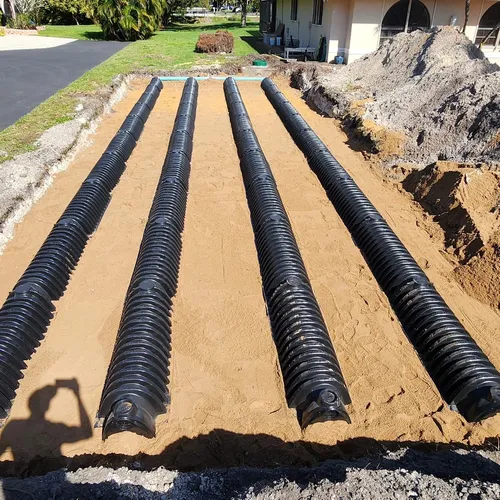
YP Septic Excavations LLC is a family-owned company based in Miami, FL, specializing in septic system installation, repair, and inspection. They provide a range of services including septic tank installations, drain field replacement, lift station repair, and French drainage systems. The company also offers asphalting and concrete pouring to complete projects with a clean, leveled finish. Founded in 2021 by Yosbel Paez, YP Septic Excavations LLC has completed over 500 projects and focuses on delivering customized, environmentally conscious solutions.
Alligator Septic
3735 SW 8th St # 208, Coral Gables, FL 33134
Alligator Septic is a family-owned septic service company based in Miami, FL, with over 30 years of experience. They provide a full range of septic system services including pumping, inspections, repairs, installations, drain field work, and septic pump replacement. Their expertise includes advanced septic repair techniques and the use of modern equipment such as cameras and digital tank locators to accurately diagnose and address issues. Established in 1989, Alligator Septic serves Miami-Dade County and offers 24-hour customer support for septic system needs.
LINS Septic Corp
7851 W 22nd Ave, Hialeah, FL 33016
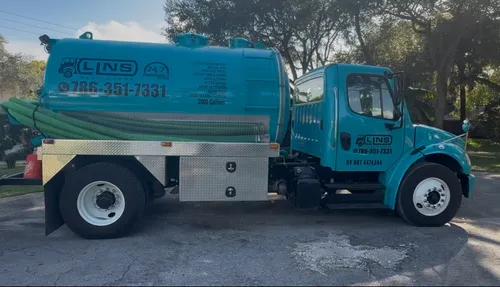
LINS Septic Corp provides comprehensive septic services in Miami, FL, and surrounding counties including Miami-Dade, Broward, Palm Beach, and Monroe. The company offers septic tank pumping, drainfield repair and installation, hydro-jetting, camera inspections, grease trap cleaning, and lift station pump replacement. Their capabilities include high-pressure hydro-jetting to clear grease, roots, and sludge, as well as HD video camera inspections to identify cracks and blockages with minimal digging. LINS Septic Corp is a family-owned business with licensed and insured technicians, offering same-day service and emergency response to keep septic systems functioning properly.
Understanding Coral Gables' Unique Septic Challenges
Coral Gables' picturesque environment comes with specific geological factors that directly impact septic system performance and longevity. The city's low-lying, coastal topography combined with its sandy soil creates a perfect storm for septic issues. Sandy soil allows for rapid drainage, which sounds beneficial but often leads to inadequate filtration of wastewater before it reaches the groundwater. More critically, the area is characterized by a high water table, meaning the level of saturated soil is close to the surface.
After heavy seasonal rains, this water table can rise dramatically, saturating the drainfield and causing immediate system failure. A saturated drainfield cannot absorb additional effluent from your home, leading to backups, surfacing wastewater, and unpleasant odors. This environmental reality means that standard gravity-fed septic systems often underperform here, and many homes, especially in newer developments or areas with strict compliance codes, require specialized systems like Aerobic Treatment Units (ATUs) or Advanced Treatment Systems (ATS). These systems use mechanical pumps and aerators to treat wastewater more thoroughly but are consequently more complex and expensive to repair.
Common Signs You Need Septic Pump Service or System Attention
Recognizing early warning signs can prevent a minor repair from becoming a catastrophic replacement. Don't ignore these symptoms:
- Slow Drains and Gurgling Sounds: Throughout your home, not just one fixture.
- Sewage Backups: In toilets, showers, or floor drains.
- Unpleasant Odors: Around the tank, drainfield, or even inside the home.
- Lush, Green Grass: Over the drainfield, especially when the rest of the lawn is dry, indicating a nutrient-rich leak.
- Standing Water or Muddy Soil: In the yard near the septic system components.
- Alarm Sounds: If your system has an ATU or pump tank, an audible alarm signals a pump failure or high water level.
If you notice any of these issues, it's time to call a licensed septic contractor for an inspection. In Coral Gables, acting quickly is essential due to the high water table; a small problem can escalate rapidly after a rainstorm 1.
The Diagnostic and Repair Process for Local Systems
When you contact a professional, they will follow a structured process tailored to local regulations.
-
Inspection & Diagnosis: A technician will first locate and inspect your tank, pumps, and drainfield. They may check pump operation, look for baffle or filter clogs, and assess the drainfield for saturation. In some cases, especially for new construction or major repairs, a soil percolation (perc) test may be required to determine the soil's absorption rate 2. This is a critical step in Coral Gables to design a system that can handle the local sandy conditions.
-
Permitting: Due to Miami-Dade County's strict environmental and public health regulations, most septic repairs beyond simple pumping require a permit. Your contractor should handle this process, which involves submitting plans and obtaining approval from county health officials before work begins.
-
Repair or Replacement Work: The scope of work depends on the diagnosis.
- Pump or Control Repair: Fixing or replacing a septic pump, float switch, or alarm panel.
- Component Repair: Replacing damaged baffles, tees, or effluent filters.
- Drainfield Rehabilitation: For partial failure, options like adding a new lateral line or using a proprietary restoration system may be possible.
- Full System Replacement: Required when the tank is structurally compromised or the drainfield has completely failed.
-
Final Inspection: Once work is complete, the local permitting authority will conduct a final inspection to ensure the repair or installation meets all code requirements 3.
Find the perfect septic pump repair companies for your needs
Get personalized recommendations and expert advice
Cost Guide for Septic Repairs and Replacements in Coral Gables
Costs for septic work in Coral Gables are influenced by system complexity, local labor rates, and the challenging soil conditions. Below is a general cost breakdown based on regional data 4 5. Always get detailed, written estimates from multiple licensed contractors.
- Septic Pump Repair or Replacement: $800 - $5,000. The wide range accounts for the type of pump (effluent vs. grinder), its horsepower, and whether it's part of a standard system or a more complex ATU.
- Tank Pumping & Inspection: $200 - $600. Essential routine maintenance that can help diagnose problems early.
- Baffle, Tee, or Filter Repair: $150 - $1,200. A common fix for clogs or deterioration that can restore proper flow.
- Partial Drainfield Repair: $3,000 - $15,000. May involve replacing a few failed lateral lines or using a less invasive restoration technique.
- Full Septic System Replacement: $10,000 - $40,000+. This is the most significant investment. The high end reflects the need for specialized systems like ATUs, raised (mound) drainfields to combat the high water table, or complex engineering solutions required by local code 6 7.
Choosing the Right System for Repair or New Installation
Given the local constraints, understanding your system type is key.
- Conventional Gravity Systems: Still found in many older homes. Repairs may be more straightforward, but they are most vulnerable to failure from a high water table.
- Aerobic Treatment Units (ATUs): These systems use an electric pump to inject air into the treatment tank, fostering bacteria that break down waste more efficiently. They are often mandated in sensitive areas. Repairs involve specialized pumps and electrical components.
- Advanced Treatment Systems (ATS): May include sand filters, peat filters, or other technologies to provide superior effluent treatment before it reaches the drainfield.
- Raised Bed (Mound) Drainfields: A common solution in Coral Gables. Sand and soil are built up above the natural grade to create a drainfield with adequate separation from the water table 8.
When facing a major repair or replacement, a contractor familiar with Miami-Dade regulations can advise on the most effective and compliant system for your specific property 9.
Proactive Maintenance to Avoid Costly Repairs
The best way to manage septic costs is through preventative care.
- Schedule Regular Pumping: Every 3-5 years, depending on household size and usage.
- Conserve Water: Spread out laundry loads and fix leaks to avoid hydraulically overloading the system.
- Mind What You Flush: Only human waste and toilet paper. Never flush wipes, feminine products, grease, or chemicals.
- Protect the Drainfield: Never drive or park over it, and keep roof drains and sump pumps directed away from the area.
- Listen for Alarms: If your system has one, know what the alarm sounds like and have it serviced immediately.
For homeowners in Coral Gables, an annual inspection is a wise investment to catch issues related to the high water table before they lead to system failure.
Frequently asked questions
Sources
Footnotes
-
Septic Drain Field Help: A Guide to Repair and Maintenance - https://mathisandsonsseptic.com/mathis-sons-septic-blog-orlando-fl/septic-drain-field-help-a-comprehensive-guide-to-septic-system-repair-and-maintenance/ ↩
-
How Much Does a Septic Soil Test Cost in 2026? - Land Perc - https://landperc.com/septic-soil-test-cost/ ↩
-
Repairing Septic Systems: A Detailed Manual - https://ky-pd.com/blog/fixing-septic-system/ ↩
-
Septic Repair vs. Replacement: A Guide to Costs & Red Flags - https://prosepticri.com/septic-repair-vs-replacement-guide/ ↩
-
How Much Does it Cost to Maintain a Septic Tank in Florida? - https://mathisandsonsseptic.com/mathis-sons-septic-blog-orlando-fl/how-much-is-septic-tank-maintenance-in-florida/ ↩
-
Septic Solutions for Large Developments (2025) - https://flengineeringllc.com/septic-solutions-large-developments-2025/ ↩
-
Septic System Cost Estimate: A Complete Breakdown - https://landperc.com/septic-system-cost-estimate/ ↩
-
Best Practices for Septic Installation in 2025 - Florida Engineering LLC - https://flengineeringllc.com/north-florida-septic-installation-2025/ ↩
-
Septic System Installation in Central Florida - https://lapinservices.com/septic-pumping-orlando/septic-system-installation-central-florida ↩