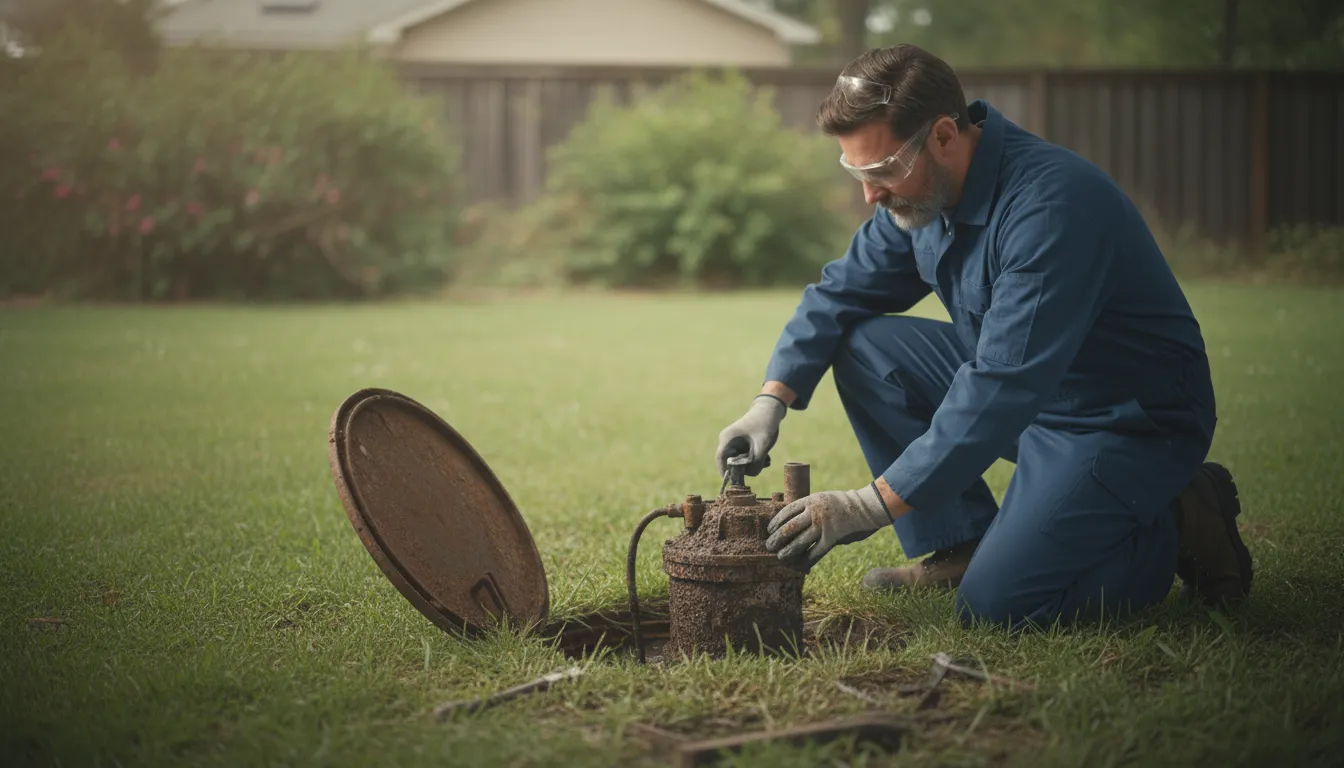
Find the Best Septic Pump Repair Companies for Your Business
No obligation • Fast responses • Nationwide coverage

Why you can trust Septic Spot
Septic Spot is a leading United States resource for understanding and comparing septic services. Our editors review providers using consistent criteria and verify key business details. Listings and scores are independent, and companies cannot pay to influence our content.
Search providers near you
Top Septic Pump Repair Companies in Delray Beach, Florida Ranked
Maintaining a functional septic system is critical for any Delray Beach home not connected to municipal sewer lines. Septic pump repair and replacement services address the mechanical heart of many modern systems, ensuring wastewater is properly moved from the tank to the drain field for safe dispersal. When a pump fails, it can lead to backups, odors, and potential environmental issues, especially in our unique coastal environment. This guide explains the local factors influencing these services, outlines common system types, and provides a framework for understanding the process and associated costs, helping you make informed decisions for your property.
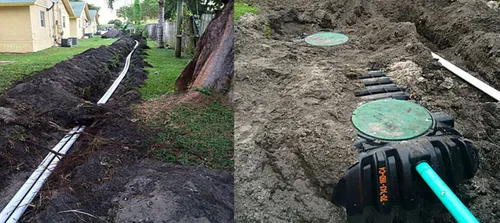
Danny's Septic Service
West Palm Beach, FL
Danny's Septic Service is a septic tank pumping and repair company serving West Palm Beach, FL. They provide residential and commercial septic services including pump-outs, grease trap service, drainfield installation and replacement, lift station repair, and chemical treatments. With over 20 years in the Palm Beach County septic industry and a team combining more than 40 years of experience, they offer knowledgeable support to maintain septic system functionality.
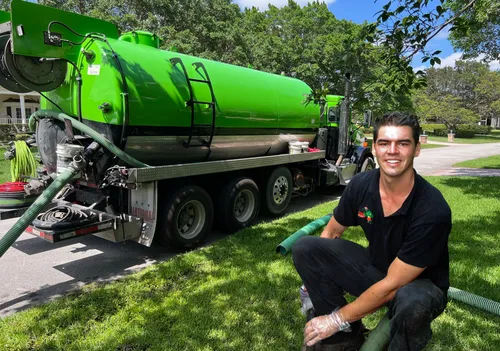
Alligator Septic
Fort Lauderdale, FL
Alligator Septic is a family-owned septic service company based in Fort Lauderdale, FL, operating since 1989. They provide septic tank pumping, cleaning, inspection, and repair services throughout Broward, Miami-Dade, and Palm Beach counties. The company specializes in maintaining both old and modern septic systems, offering advanced capabilities such as camera diagnostics for drainfield repairs, root removal, and pump electronics troubleshooting. Their experienced team handles locating tanks, pressure washing, and securing lids to ensure proper septic system function. With over 35 years in the industry, Alligator Septic also offers fast emergency service with a fleet of pumping trucks ready to respond.
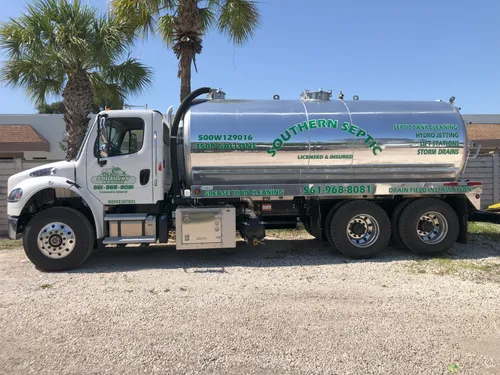
Southern Septic
West Palm Beach, FL
Southern Septic is a family-owned septic service provider based in West Palm Beach, FL, serving Palm Beach, Martin, and Broward Counties. Established in 2009, the company offers a wide range of services including septic tank pumping, inspections, system repairs, drain field maintenance, and septic system installations. They are certified in performance-based systems and provide specialized services such as storm preparation, grease trap maintenance, lift station services, and aerobic treatment unit (ATU) care. Southern Septic is known for handling septic permitting and design, ensuring compliance with local regulations. Their master contractor brings over 20 years of industry experience, and the company offers 24/7 emergency services along with same-day appointments to address urgent septic needs.
Danny's Septic Services
858 E Coast Ave, Lantana, FL 33462
Danny's Septic Services is a septic tank pumping and repair company serving West Palm Beach, FL. They offer a range of septic system services including pump-outs, grease trap service, drainfield installation and replacement, lift station repair, and inlet/outlet line services. With over 20 years in the septic industry and a staff combining more than 40 years of experience, they provide knowledgeable support to both residential and commercial customers.
Understanding Delray Beach's Unique Septic Challenges
The coastal environment of Delray Beach presents specific hurdles for septic system performance, directly impacting repair and replacement needs. The two primary factors are a high water table and sandy soil composition.
A high water table is common in coastal Florida. When the groundwater level is close to the surface, it limits the depth available for a traditional drain field. This often necessitates specialized solutions like shallow trench systems, elevated sand mounds, or systems that include a dosing tank with a pump to lift effluent to a higher dispersal area. If the drain field becomes oversaturated, it cannot properly absorb and treat wastewater, leading to system failure and often requiring pump-related repairs or a full system redesign 1.
While sandy soil drains quickly, which seems advantageous, it can actually lead to premature drain field failure. The rapid drainage can prevent adequate treatment of wastewater as it passes through the soil, potentially contaminating groundwater. To meet state and county health regulations, properties with sandy soil often require more complex, engineered treatment systems, such as Aerobic Treatment Units (ATUs), which rely heavily on pumps and air compressors 2. Repairs to these advanced components are typically more involved and costly.
Furthermore, storm flooding from heavy seasonal rains can rapidly saturate the ground, overwhelming drain fields and causing electrical components like pump controls and float switches to fail. Emergency repairs are common after significant weather events, often involving pump replacements and adjustments to tank risers to prevent surface water infiltration 3.
Common Septic System Types in Delray Beach
The type of system installed on your property dictates the nature of potential pump repairs and the scope of any replacement project.
- Conventional Gravity System: This is the simplest design, where waste flows by gravity from the house to the tank and then out to the drain field. These systems may not have a pump at all unless the landscape requires a lift station. Repairs to gravity systems, when needed, are often less complex and costly than for engineered systems 4.
- Aerobic Treatment Unit (ATU): These are very common in Florida, especially for homes on smaller lots or with challenging soil/water table conditions 5. ATUs use an electric pump to inject air into the treatment tank, fostering bacteria that break down waste more efficiently. They also frequently include a submersible pump in a dosing tank to periodically send treated effluent to the drain field. Repairing or replacing the air pump, compressor, or dosing pump is a specialized task, and a full ATU system replacement represents a significant investment, often ranging from $15,000 to $30,000 or more 6 7.
- Mound and Pressure Dosing Systems: Designed for high water tables or poor soils, these systems use a pump to push effluent from a septic tank or dosing chamber up into a constructed sand mound or through a network of small-diameter pipes in the drain field. The pump is a critical component, and its failure will halt the entire system's operation.
The Repair and Replacement Process
Addressing a septic pump or system issue in Palm Beach County follows a structured process to ensure compliance with health and environmental regulations.
- Inspection and Diagnosis: The first step is a thorough evaluation by a licensed septic contractor. This involves locating and inspecting the tank, checking the liquid level, assessing the drain field for signs of saturation or failure, and testing all electrical components, including the pump, floats, and control panel 8. This diagnosis determines whether a simple repair, a pump replacement, or a more extensive drain field or system replacement is necessary.
- Permitting: Almost all septic repairs beyond minor component swaps require a permit from the Florida Department of Health in Palm Beach County. The contractor will typically handle submitting a repair application along with a site plan. The health department reviews this to ensure the proposed solution meets current codes, which are strict to protect Florida's sensitive groundwater 9.
- Repair or Replacement Work: Once permitted, the contractor performs the work. This could involve:
- Replacing a submersible effluent or dosing pump.
- Repairing or replacing damaged tank baffles or risers.
- Repairing a section of the drain field.
- Installing a completely new engineered system.
- Final Inspection: After work is completed, a final inspection by the county health department or the licensed contractor (depending on the permit) is usually required to verify the system is functioning correctly and meets all standards.
Find the perfect septic pump repair companies for your needs
Get personalized recommendations and expert advice
Cost Factors for Septic Pump and System Services in Delray Beach
Costs for septic services in Delray Beach vary widely based on the system type, the extent of the problem, and site-specific challenges like accessibility and soil conditions. The following estimates are based on local industry data but should be used as a general guide 10 11 12.
- Septic Pump Replacement: Replacing a failed submersible pump typically ranges from $800 to $3,000 or more. The final cost depends on the pump's horsepower, the depth of the installation, and whether the electrical controls also need replacement.
- Minor Component Repairs: Fixing issues like damaged tank baffles, cracked risers, or faulty float switches generally falls between $300 and $1,200.
- Drain Field Repair: Partial repair of a failing drain field (like replacing a few lines) is a larger project, often costing between $3,000 and $15,000 13. A complete drain field replacement is a major undertaking.
- Full System Replacement: Installing a new septic system, which is often required when the drain field fails or the existing system is outdated, represents the most significant expense. In Delray Beach, due to the common need for engineered systems like ATUs and strict permitting, full replacements frequently range from $10,000 to $40,000 or higher 14 15.
- Permits and Inspections: Budget approximately $350 or more for county permit application and inspection fees, though this can vary 16.
Disclaimer: All cost figures are estimates. Actual pricing can vary significantly based on your property's specific conditions, materials used, and contractor rates.
Maintaining Your System to Avoid Costly Repairs
Proactive maintenance is the most effective way to avoid emergency septic pump repairs or a premature system replacement. For systems with pumps, this includes having the entire system inspected every 1-3 years by a professional. Regularly pumping the septic tank (typically every 3-5 years) prevents solids from overflowing into the drain field or clogging the pump. Be mindful of water usage and avoid pouring grease, chemicals, or non-biodegradable items down the drain. Knowing where your system components are located and protecting them from vehicle traffic or heavy landscaping can also prevent physical damage.
Frequently asked questions
Sources
Footnotes
-
Navigating North Florida's Unique Soils: Best Practices for Septic Installation in 2025 - https://flengineeringllc.com/north-florida-septic-installation-2025/ ↩
-
Understanding Septic Tank Plumbing in Florida - https://nfmplumbing.com/septic-tank-plumbing/ ↩
-
How Much Does it Cost to Maintain a Septic Tank in Florida? - https://mathisandsonsseptic.com/mathis-sons-septic-blog-orlando-fl/how-much-is-septic-tank-maintenance-in-florida/ ↩
-
Septics101 Chapter 3: Types of Septic Systems - https://www.youtube.com/watch?v=3ZANsnpx3tg ↩
-
Septic Solutions for Large Developments (2025) - https://flengineeringllc.com/septic-solutions-large-developments-2025/ ↩
-
Residential Septic Tank Pricing | Homeowner's Guide to Costs - https://www.ntotank.com/blog/residential-septic-tank-pricing ↩
-
Septic System Cost Guide: Prices, Factors & Savings - https://landperc.com/septic-system-cost-estimate/ ↩
-
SEPTIC SYSTEM ELVALUATION - https://priorityinspectionservices.com/septic-system-elvaluation ↩
-
Septic Tank Repair & Maintenance in Delray Beach, FL - https://www.plumbsmartfl.com/septic-tank-repair-and-maintenance-services-in-delray-beach ↩
-
Septic Repair vs. Replacement: A Guide to Costs & Red Flags - https://prosepticri.com/septic-repair-vs-replacement-guide/ ↩
-
Costs of Replacing a Septic Tank - https://www.scorpionsepticservices.com/blog/understanding-the-costs-of-replacing-a-septic-tank ↩
-
How Much Does a Septic System Cost: Replacement and New - https://www.jkawelldrilling.com/how-much-does-a-septic-system-cost-replacement-and-new/ ↩
-
Fixing Septic Drain Fields: What Florida Homeowners Should Know - https://mathisandsonsseptic.com/mathis-sons-septic-blog-orlando-fl/septic-drain-fields-what-florida-homeowners-should-know/ ↩
-
Septic System Cost Estimate: A Complete Breakdown - https://landperc.com/septic-system-cost-estimate/ ↩
-
How Much Does Septic System Replacement Cost? - https://proguardplans.com/how-much-does-septic-system-replacement-cost/ ↩
-
Failing Septic System Repair Application Requirements - https://lee.floridahealth.gov/programs-and-services/environmental-health/onsite-sewage-disposal/permits/ostds-repair-permit/ ↩