Find the Best Septic Pump Repair Companies for Your Business
No obligation • Fast responses • Nationwide coverage

Why you can trust Septic Spot
Septic Spot is a leading United States resource for understanding and comparing septic services. Our editors review providers using consistent criteria and verify key business details. Listings and scores are independent, and companies cannot pay to influence our content.
Search providers near you
Top Septic Pump Repair Companies in Homestead, Florida Ranked
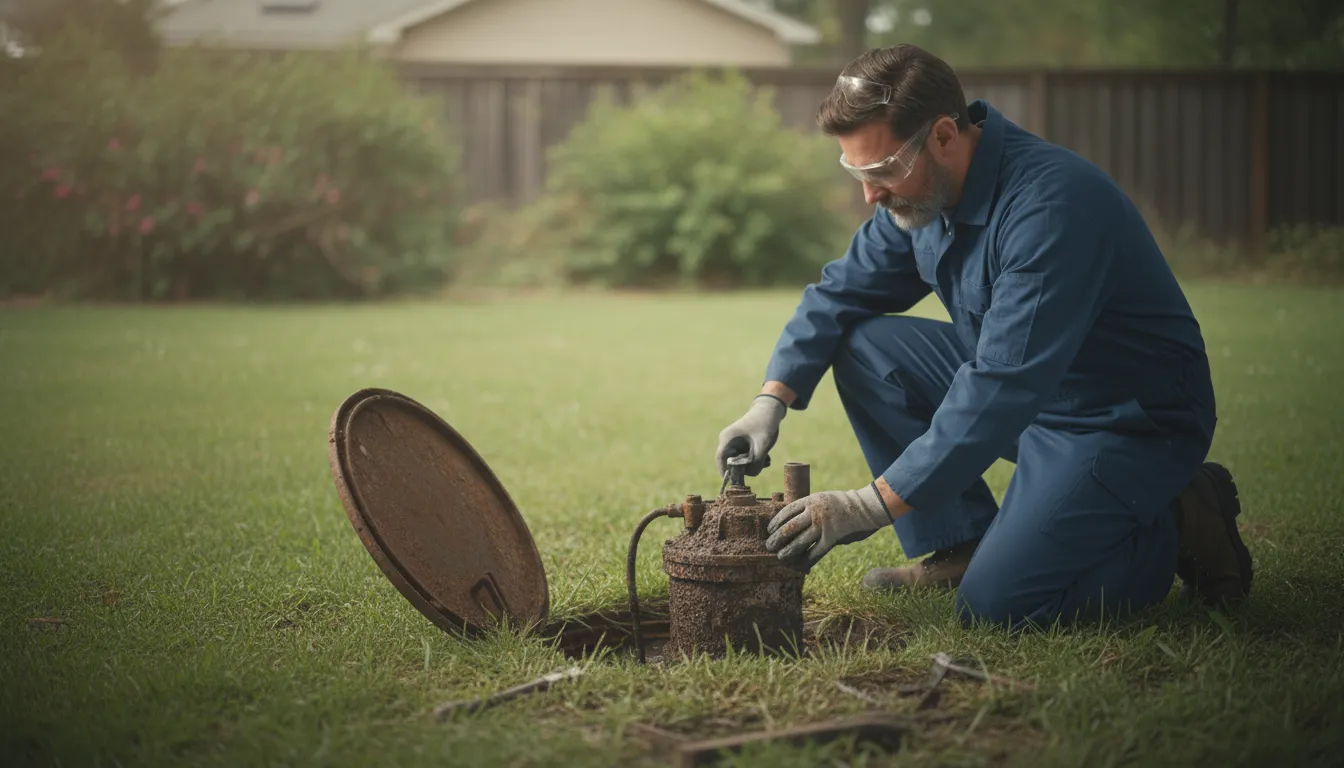
Maintaining a functional septic system is critical for any Homestead homeowner, especially given the region's unique environmental challenges. Septic pump repair and replacement services address the mechanical heart of your system, ensuring wastewater is properly moved from the tank to the drain field. When a pump fails, it can lead to backups, odors, and potential environmental contamination. This guide helps you understand the local factors, costs, and processes involved in fixing or replacing a septic pump, empowering you to make informed decisions and connect with qualified local specialists.
Understanding Homestead's Unique Septic Challenges
The subtropical climate and geology of South Florida create specific conditions that heavily influence septic system performance and longevity. These factors make professional, localized knowledge essential for any pump repair or system replacement project.
High Water Tables: Homestead sits in an area with a notoriously shallow water table. This means groundwater is often just a few feet below the surface. A standard septic tank or pump basin can literally float or become submerged if not properly designed and anchored, leading to rapid system failure and groundwater contamination. Repairs and installations here frequently require specialized, watertight systems and careful engineering to prevent these issues.
Sandy, Porous Soil: While the sandy soil common in the area allows for rapid drainage, it lacks the fine particles needed to effectively filter out contaminants before they reach the groundwater 1. This filtration deficiency means that a failing pump or drain field can pose a more immediate risk to local water quality, underscoring the need for prompt and proper repairs.
Corrosion and Climate: The constant humidity, tropical rainfall, and proximity to salt air can accelerate the corrosion of concrete tanks, steel reinforcement, and electrical components within pump control panels. This environment necessitates more frequent inspections and can shorten the expected lifespan of system parts compared to drier climates.
Common Septic Pump Issues and Signs of Failure
The pump is a critical component, especially in systems where gravity cannot move effluent to the drain field. Recognizing early warning signs can prevent a minor repair from turning into a catastrophic system failure.
- Slow Drains and Backups: One of the first signs of a struggling sewage pump or grinder pump is slow drainage from toilets, showers, and sinks throughout the home.
- Alarm Activation: Many modern septic pump stations are equipped with a high-water alarm. An audible or visual alarm on the control panel is a direct indicator that the pump is not activating or cannot keep up with the inflow.
- Unusual Noises: Grinding, humming, or clicking sounds from the pump basin can signal a failing motor, jammed impeller, or electrical issue.
- Sewage Odors: Foul smells indoors or around the drain field area can indicate that wastewater is not being pumped away and is instead pooling or surfacing.
- Lush Vegetation: An unusually green and soggy patch of grass over the drain field, especially when the rest of the lawn is dry, suggests that nutrient-rich wastewater is being released but not properly dispersed, often due to a pump or drain field problem.
The Cost of Septic Pump Services in Homestead
Due to the demanding environmental conditions and higher cost of living, septic work in Homestead often falls on the higher end of national averages 2. Prices can vary widely based on system depth, accessibility, and the specific technology required.
Pump and Control Repairs: Repairing a septic pump or its associated electrical controls typically ranges from $800 to $5,000 in Homestead. This covers labor and parts for issues like replacing a float switch, clearing a blocked impeller, or fixing wiring. A complete pump station replacement will be at the higher end of this spectrum.
Complete System Replacement: When a pump failure is symptomatic of a larger system collapse, full replacement may be necessary. In Homestead, complete septic system replacements can range from $10,000 to over $40,0003 4. The final cost is heavily influenced by the need for engineered solutions like mound systems or Advanced Treatment Units (ATUs), which are often required to overcome high water tables and poor soil conditions 5.
Related Repair Costs:
- Average Comprehensive Repair: Addressing a significant issue often costs between $1,556 and $2,273 for residential systems.
- Minor Component Repairs: Replacing tank filters, baffles, or access lids may cost $200 to $1,200.
- Drain Field Rehabilitation: If the problem extends to the drain field, repair or replacement can add $3,000 to $15,000 or more to the project 6.
Find the perfect septic pump repair companies for your needs
Get personalized recommendations and expert advice
The Repair and Replacement Process
Engaging a licensed professional for septic pump work in Homestead involves a structured process to ensure compliance with state health regulations and long-term system integrity.
- Inspection and Diagnosis: A specialist will first perform a thorough inspection to determine if the issue is isolated to the pump, controls, or if it indicates a broader drain field or tank failure 7 8. This often involves checking the pump's electrical components, measuring scum and sludge levels in the tank, and assessing the drain field's absorption.
- Permitting: Before any significant repair or replacement, a permit must be obtained from the Florida Department of Health. Your chosen professional will typically handle this process, submitting the necessary site plans and engineering reports.
- Site Preparation and Excavation: Given the high water table, the excavation site may require "dewatering"-pumping out groundwater-to allow for safe and dry work on the tank or pump basin.
- System Work: The old, failed pump is removed and replaced with a new model rated for the specific conditions. In cases of replacement, the entire system may be upgraded to current standards, which might include watertight concrete tanks or the installation of an elevated mound system.
- Final Inspection and Approval: Once work is complete, a county health department inspector will visit to verify the installation meets all code requirements before the system is backfilled and put back into service 9.
Choosing the Right System for Homestead Properties
When a replacement is necessary, simply installing a copy of the old system may not be viable or legal. Current regulations and environmental realities often demand more advanced solutions.
- Mound Systems: These are elevated drain fields built above the natural soil grade. They are a common engineered solution in Homestead to provide adequate separation from the high water table. They involve a sand-filled mound where treated effluent is distributed.
- Advanced Treatment Units (ATUs): These systems provide additional treatment of wastewater inside the tank before it reaches the drain field. They can reduce the level of nutrients and pathogens, making the effluent safer for dispersal in challenging soils.
- Watertight Concrete Tanks: To prevent infiltration from the high groundwater and exfiltration of sewage, modern installations often specify specially designed watertight concrete tanks.
Regular maintenance, including periodic pumping every 3-5 years and annual inspections of the pump and electrical components, is the most effective strategy to avoid premature and costly pump failures in Homestead's demanding environment.
Frequently asked questions
Sources
Footnotes
-
Navigating North Florida's Unique Soils: Best Practices for Septic Installation in 2025 - https://flengineeringllc.com/north-florida-septic-installation-2025/ ↩
-
Septic System Cost Estimate: A Complete Breakdown - https://landperc.com/septic-system-cost-estimate/ ↩
-
Septic Repair vs. Replacement: A Guide to Costs & Red Flags - https://prosepticri.com/septic-repair-vs-replacement-guide/ ↩
-
How Much Does it Cost to Upgrade a Septic System in Florida? - https://mathisandsonsseptic.com/mathis-sons-septic-blog-orlando-fl/a-florida-homeowners-guide-to-septic-system-maintenance-costs/ ↩
-
Septic Engineering Services - Florida Soil & System Design - https://flengineeringllc.com/septic-services/ ↩
-
Septic Repair in Homestead, FL - Costs 02 / 2026 - Homeyou - https://www.homeyou.com/fl/septic-repair-homestead-costs ↩
-
Septic Tank Replacement Explained: Costs, Lifespan, And What To ... - https://www.theseptictankman.com/blog/septic-tank-replacement-explained-costs-lifespan-and-what-to-expect ↩
-
Septic Repair vs. Replacement: What's Best for Your System - https://www.townesseptic.com/blog/septic-repair-vs-replacement ↩
-
Failing Septic System Repair Application Requirements - Florida Department of Health in Lee County - https://lee.floridahealth.gov/programs-and-services/environmental-health/onsite-sewage-disposal/permits/ostds-repair-permit/ ↩