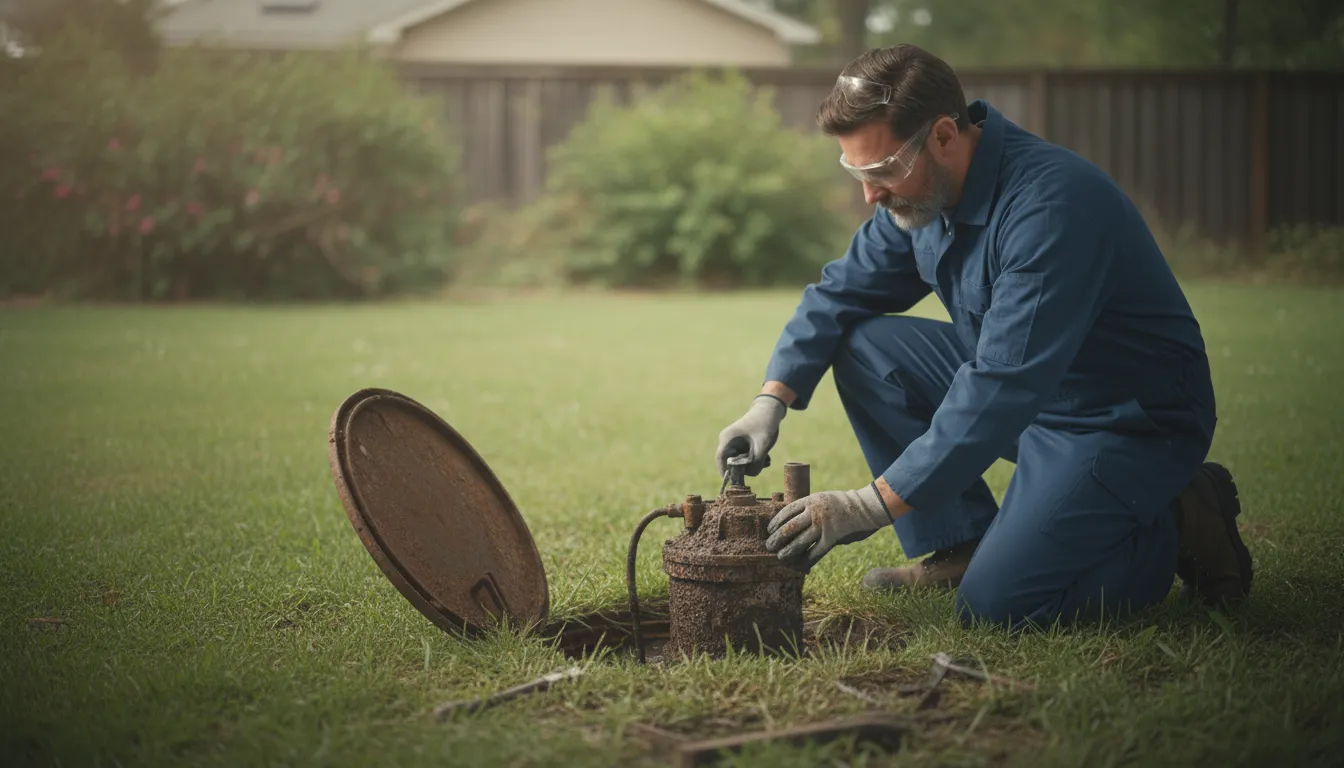
Find the Best Septic Pump Repair Companies for Your Business
No obligation • Fast responses • Nationwide coverage

Why you can trust Septic Spot
Septic Spot is a leading United States resource for understanding and comparing septic services. Our editors review providers using consistent criteria and verify key business details. Listings and scores are independent, and companies cannot pay to influence our content.
Search providers near you
Top Septic Pump Repair Companies in Kissimmee, Florida Ranked
Maintaining a functional septic system is critical for any home not connected to a municipal sewer line. In Kissimmee, this involves specialized attention to the pump and its components, which are responsible for moving wastewater from the tank to the drain field. This guide explains the unique challenges of septic pump service in the area, outlines the repair and replacement process, and provides local insights to help you make informed decisions about your system's health and longevity.
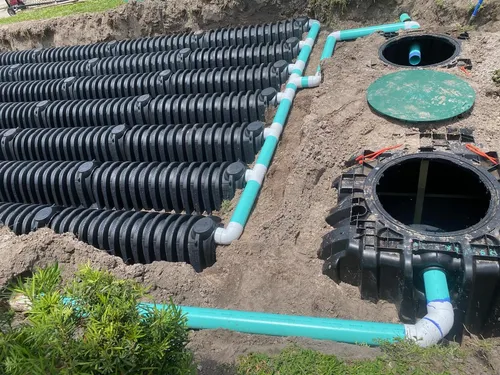
Orlando Septic Services
Orlando, FL
Orlando Septic Services provides septic system installation, repair, and maintenance in Orlando, FL. They handle septic tank pumping, drain field repair, and commercial and residential system installations. Their capabilities include lift station repair, main line jetting, and pump replacements, covering a wide range of septic system needs.
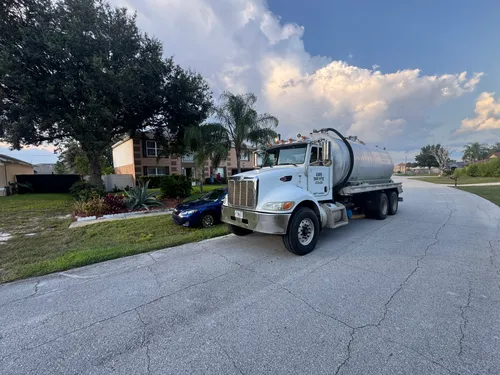
Always There Septic
Orlando, FL
Always There Septic provides a full range of septic system services in Orlando, FL, including septic tank pumping, inspections, repairs, and installation for both residential and commercial properties. They handle drain field repair and replacement, septic pump repair, and commercial grease trap cleaning, ensuring systems meet Florida Code and operate properly. The company offers 24/7 emergency septic services and manages all permitting and inspections for new installations or replacements, aiming for a smooth process from start to finish.
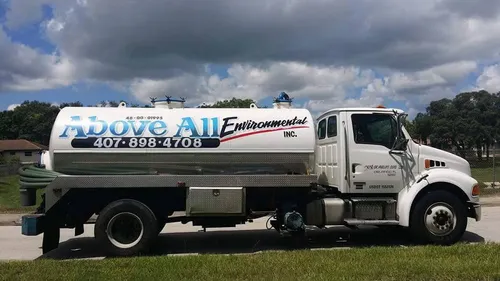
Above All Environmental Inc
Orlando, FL
Above All Environmental Inc is a septic tank pumping and repair company serving the Orlando, FL area. They provide septic system maintenance, grease trap pumping, drain field repair, and pump replacement services. With over 15 years of professional experience, their licensed and insured team handles a variety of septic and drainage needs. The company offers complete septic tank pump-out services and emergency septic tank repairs.
Septic Squad
Orlando, FL
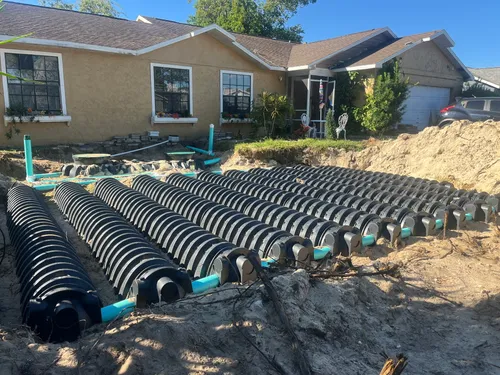
Septic Squad is a septic system repair and installation company serving homeowners in Orlando, FL. They specialize in residential septic system installation, drain field repairs, septic pump replacement, and clogged line clearing. The team understands local soil conditions and high water tables, providing solutions tailored to the area's unique septic system challenges. Septic Squad focuses on proper sizing, code-compliant installations, and reliable repairs to support long-term system performance. They offer after-hours emergency services to address urgent septic issues promptly.
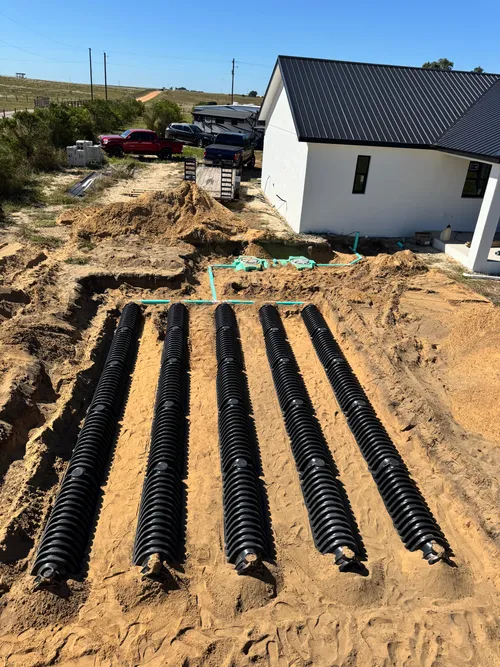
24/7 Septic Solutions, Inc
Lakeland, FL
24/7 Septic Solutions, Inc offers comprehensive septic system services in Lakeland, FL. They provide septic tank pumping, cleaning, inspection, repair, and installation for both residential and commercial properties. Known for their ability to respond to emergencies at any time, they handle urgent repairs and maintenance with equipment and expertise. With over 20 years in the industry, the company emphasizes honest advice and thorough care to maintain septic system health. Their 24/7 availability ensures support during nights, weekends, and holidays.
Understanding Kissimmee's Unique Septic Challenges
Kissimmee's environment presents specific hurdles for septic systems, particularly affecting pump performance and system design. Two primary factors dictate the approach to septic pump repair and installation here.
High Water Table: The region is known for its high groundwater levels. This means the drain field, and often the septic tank itself, sits very close to the water table. A standard gravity-fed system can easily flood, leading to backups and system failure. To combat this, many homes require mound systems or aerated treatment units (ATUs). These systems elevate the drain field or add oxygen to the treatment process, but they are entirely dependent on a reliable, correctly sized pump to function. The constant moisture also accelerates corrosion, making the choice of pump materials critical.
Sandy Soil Composition: While sandy soil drains quickly, which can be beneficial, it sometimes drains too fast. This rapid percolation can allow inadequately treated wastewater to reach the groundwater before pathogens are fully filtered out 1. Proper septic system design, including the pump's flow rate and the use of specific tank components like effluent filters, ensures adequate treatment time. The pump must be matched to the soil's percolation rate to prevent over-saturating or under-utilizing the drain field.
The Critical Role of the Septic Pump
The septic pump, often called a effluent pump or sewage ejector pump, is the heart of any pressure-dosed or elevated system. In Kissimmee, where alternative systems are common due to soil and water conditions, a pump failure is a household emergency. It moves treated liquid waste (effluent) from the septic tank to the drain field at controlled intervals. When this component fails, wastewater has nowhere to go, leading to potential backups into the home or surfacing in the yard.
Common signs of pump trouble include:
- Alarms sounding from the septic control panel.
- Gurgling sounds in household drains or toilets.
- Wet, soggy areas or standing water over the drain field (when the pump isn't running).
- Sewage odors inside the home or near the tank.
- Toilets flushing slowly or not at all.
The Septic Pump Service Process: From Diagnosis to Completion
Professional septic pump service in Kissimmee follows a structured process to ensure safety, compliance, and long-term functionality.
1. Comprehensive Diagnosis & Evaluation A technician begins by inspecting the control panel, checking for power and error codes. They then test the float switches, which trigger the pump to turn on and off at the correct water levels. The pump itself is examined for blockages, electrical faults, or mechanical wear. This diagnosis determines if a simple repair, a pump replacement, or a more extensive system issue is at play.
2. Permitting & Regulatory Compliance For any substantial repair or a full pump replacement, a permit from the Florida Department of Health is typically required. Reputable service providers handle this process, ensuring the work meets all local and state codes, which are particularly strict in Florida to protect the sensitive aquifer.
3. Excavation & Preparation The technician will locate and excavate the septic tank access lid or the separate pump chamber. If the pump needs replacement, the old unit is disconnected and removed. Often, this is an ideal time for a routine tank pumping to remove solids and inspect the tank's interior for cracks or baffle damage 2.
4. Installation of New Components A new, corrosion-resistant pump designed for septic effluent is installed. The sizing is crucial-too powerful, and it can erode the drain field; too weak, and it won't move the effluent effectively. The control panel and float switches are usually updated or replaced simultaneously to ensure a fully integrated and reliable system 3 4.
5. Final Testing & Inspection Once installed, the system is powered and tested. The technician verifies that the pump activates at the correct water level, achieves proper pressure, and shuts off as designed. They will also check for any leaks in the discharge piping. A final inspection may be conducted to close out the permit.
Find the perfect septic pump repair companies for your needs
Get personalized recommendations and expert advice
Cost Factors for Pump Repair and System Work
Investing in your septic system is investing in your property. Costs in Kissimmee can vary widely based on the system type, extent of damage, and local environmental factors. The high water table and need for specialized equipment often contribute to higher costs compared to other regions.
- Septic Pump or Control Component Replacement: This is the most common major service. Replacing the pump, control panel, and floats typically ranges from $800 to $5,000, depending on the pump's horsepower, brand, and the complexity of the installation.
- Minor Repairs & Maintenance: Tasks like cleaning the effluent filter, replacing a single float switch, or unclogging a line are less expensive, generally costing between $150 and $500 5.
- Drain Field Repair: If a failing pump has damaged the drain field, partial repairs like replacing a section of pipe or cleaning a clogged line can cost $3,000 to $7,000 6.
- Full System Replacement: When the tank, pump, and drain field all fail, a complete new system is needed. In Kissimmee, this often includes a mound or ATU system, with costs ranging from $10,000 to over $40,000 7 8.
- Emergency Service Calls: For after-hours or weekend emergencies, service call fees often start higher and can exceed $1,000 for the initial response and diagnosis 9.
Important Note: Properties closer to lakes, wetlands, or with very poor soil percolation rates will often face the highest costs due to more stringent installation requirements and the need for advanced treatment systems.
Choosing the Right Service for Your Needs
Not all septic issues require a full pump replacement. Understanding the red flags can help you communicate effectively with a technician.
- Repair is Viable: If the pump motor is sound but a float switch is stuck, the control panel has a blown fuse, or a discharge pipe is slightly clogged, a repair is likely the best course of action 10.
- Replacement is Necessary: Pumps have a finite lifespan (typically 7-15 years). If the pump is corroded beyond repair, the motor has burned out, or it's repeatedly failing, replacement is more cost-effective than continual repairs. This is especially true if the existing pump is undersized or not corrosion-resistant.
Long-Term Health of Your Septic System
A successful pump repair or installation is just one part of system stewardship. To protect your investment:
- Schedule Regular Inspections: Have the entire system, including the pump, inspected every 1-3 years.
- Pump the Tank Regularly: Even with a working pump, the tank itself needs to be pumped every 3-5 years to prevent solids from clogging the system.
- Conserve Water: Reduce strain on the pump and drain field by fixing leaks and spreading out laundry loads.
- Mind What You Flush: Only human waste and toilet paper should go into the system. Avoid chemicals, grease, and non-biodegradable items.
Frequently asked questions
Sources
Footnotes
-
How Soil Type Affects Septic System Performance - https://www.septicblueraleigh.com/how-your-soil-determines-your-septic-systems-success.html ↩
-
Septic Excavation Orlando fl - #1 Septic Tank Pumping & Cleaning | Family Owned Since 1981 - https://anytimeseptic.net/septic-excavation-orlando-fl/ ↩
-
Septic System Installation in Central Florida - https://lapinservices.com/septic-pumping-orlando/septic-system-installation-central-florida ↩
-
Best Practices for Septic Installation in 2025 - Florida Engineering LLC - https://flengineeringllc.com/north-florida-septic-installation-2025/ ↩
-
How Much Does it Cost to Maintain a Septic Tank in Florida? - https://mathisandsonsseptic.com/mathis-sons-septic-blog-orlando-fl/how-much-is-septic-tank-maintenance-in-florida/ ↩
-
Fixing Septic Drain Fields: What Florida Homeowners Should Know - https://mathisandsonsseptic.com/mathis-sons-septic-blog-orlando-fl/septic-drain-fields-what-florida-homeowners-should-know/ ↩
-
Septic System Cost Estimate: A Complete Breakdown - https://landperc.com/septic-system-cost-estimate/ ↩
-
Septic Tank Replacement Explained: Costs, Lifespan, And What To ... - https://www.theseptictankman.com/blog/septic-tank-replacement-explained-costs-lifespan-and-what-to-expect ↩
-
Septic Repair vs. Replacement: A Guide to Costs & Red Flags - https://prosepticri.com/septic-repair-vs-replacement-guide/ ↩
-
Septic Pump Repair Service in Tucson - https://www.grossseptic.com/blog/septic-pump-repair-service-in-tucson/ ↩