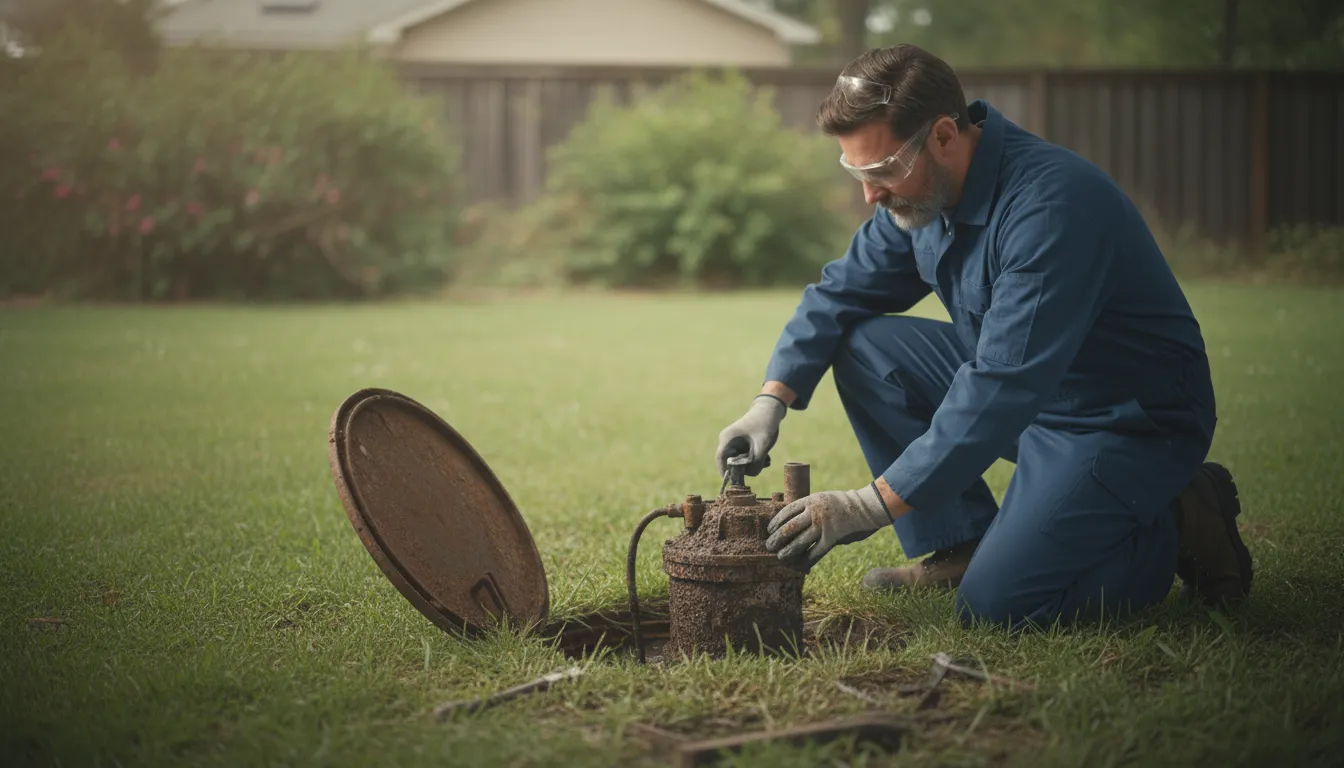
Find the Best Septic Pump Repair Companies for Your Business
No obligation • Fast responses • Nationwide coverage

Why you can trust Septic Spot
Septic Spot is a leading United States resource for understanding and comparing septic services. Our editors review providers using consistent criteria and verify key business details. Listings and scores are independent, and companies cannot pay to influence our content.
Search providers near you
Best Septic Pump Repair Companies in Iowa Ranked
A failing septic pump can bring your household to a standstill, leading to sewage backups, alarm sounds, and potential environmental hazards. In Iowa, where many homes rely on private septic systems, understanding the repair and replacement process is crucial for maintaining a safe and functional property. This guide explains how septic pumps work, the signs they need attention, Iowa's specific regulations, and how to connect with qualified local professionals to get your system back in working order.
Understanding Your Iowa Septic System and Pump
Most Iowans are familiar with traditional gravity-fed septic systems, but not all properties can use them. Soil conditions, lot size, and groundwater levels often require alternative systems that depend on mechanical components, most notably a septic pump.
- Gravity Systems: These conventional systems rely on gravity to move liquid effluent from the tank out to the drain field. They do not contain a pump for effluent movement.
- Pressure Distribution (Pump) Systems: When a drain field is located uphill from the septic tank or when soil requires precise effluent distribution, a pump system is used. A pump chamber, separate from the main tank, houses a submersible pump that pushes effluent through a network of small-diameter pipes 1.
- Aerobic Treatment Units (ATUs): These advanced systems use an electric pump to inject air into the treatment tank, fostering bacteria that provide a higher level of wastewater treatment. They are often used in areas with poor soil absorption 2.
- Mound Systems: Common in Iowa for shallow soil or high water tables, these systems use a pump to send pre-treated effluent up into a constructed sand mound for final filtration 3.
If your home uses any system other than a basic gravity system, a pump is a critical component of its operation. Proper maintenance and timely repair are essential.
Signs Your Septic Pump Needs Repair or Replacement
Ignoring pump problems can lead to complete system failure. Be alert for these warning signs:
- Audible or Visual Alarm: Most pump systems have a high-water alarm (a buzzer and/or a red light) installed. If this alarm activates, it means the water level in the pump chamber is too high, indicating the pump is not turning on or cannot keep up.
- Slow Drains or Sewage Backups: Inside your home, toilets that gurgle or drain slowly, and backups in showers or sinks, can signal that effluent is not being pumped out of the tank.
- Soggy Ground or Odors: Puddles, overly lush grass, or foul smells near the drain field or pump chamber can mean a pump failure is causing effluent to surface.
- Pump Running Constantly or Not At All: If you hear the pump running non-stop or if it never seems to activate, it requires immediate professional diagnosis.
The Repair and Replacement Process in Iowa
Addressing a septic pump issue is not a simple DIY project. Iowa law requires that work on private sewage systems be performed by licensed professionals. Here is the typical process:
- Troubleshooting & Diagnosis: A licensed septic service provider will first check for simple issues like tripped circuit breakers, blown fuses, or problems with the float switch that activates the pump 4 5. They will assess the pump, control panel, and electrical connections.
- Permitting: For a pump replacement or major repair, you must obtain a permit from your local county health or environmental health department before work begins 6. Emergency, temporary repairs may be an exception, but permanent fixes always require a permit. The contractor often handles this.
- Pump Repair or Replacement: If repairable, the technician may fix wiring, replace a float, or clear a blockage. If the pump motor is failed, it will be replaced. Costs for a new submersible pump, including labor, typically range from $500 to $1,500+, depending on the pump's horsepower and the complexity of access.
- Inspection: After the repair or replacement is complete but before the excavation is backfilled, the work must be inspected and approved by the local environmental health inspector 7. This ensures the installation meets all state and local codes.
- System Restoration: Once approved, the contractor will backfill the area and restore your landscaping.
Find the perfect septic pump repair companies for your needs
Get personalized recommendations and expert advice
Iowa Regulations You Must Know
Iowa's septic systems are governed by state code (Iowa DNR Chapter 69) and local county ordinances. Key regulations impacting pump repair include:
- Licensed Professionals: All septic tank pumping, installation, and major repair work must be done by a licensed septic contractor or cleaner. Always verify a provider's license with your county.
- Time-of-Transfer Inspections: State law mandates that all septic systems must be inspected by a certified inspector before a property is sold 8 9. A failing pump will be identified during this inspection and must be repaired for the sale to proceed.
- Regular Maintenance: While not always a specific pump check, Iowa DNR recommends septic tanks be pumped every 3 to 5 years to remove solids 10. During this service, a professional can inspect the pump and its components.
- Onsite Wastewater Assistance Program (OSWAP): For homeowners with failing systems, the Iowa Economic Development Authority offers low-interest loans to help finance the cost of repair or replacement, which can be a significant financial help 11 12.
Costs and Considerations for System Replacement
Sometimes, a pump failure is a symptom of a larger, failing system. If your drain field has failed or your entire system is outdated, a full replacement may be necessary.
- Replacement Cost Range: The cost to replace an entire septic system in Iowa varies widely based on soil conditions, system type, and property layout. You can expect a range from approximately $3,600 to over $12,000 13 14. A complex mound or aerobic system with a pump will be at the higher end of this scale.
- The Replacement Process: A full replacement is a major project. It involves a site evaluation and soil test by a certified professional, designing a new system that meets current codes, obtaining permits, excavating and removing the old system, installing the new tank and drain field (or alternative), and multiple inspections.
- Choosing a System: Your county sanitarian will determine what type of system your property can support based on the site evaluation. You and your licensed contractor will then work within those parameters.
Maintaining Your System to Prevent Problems
Proactive maintenance is the best way to avoid costly emergency pump repairs.
- Schedule Regular Pumping: Have your tank pumped every 3-5 years by a licensed pumper.
- Conserve Water: Reduce strain on your system by fixing leaks and spreading out laundry loads.
- Mind What You Flush: Never flush anything besides human waste and toilet paper. Avoid grease, chemicals, wipes, and feminine hygiene products.
- Protect the Drain Field: Do not drive or park vehicles over it, and keep trees and deep-rooted plants away.
- Listen for the Alarm: Know where your alarm is located (often in the garage or basement) and what it sounds like. If it goes off, call a professional immediately to prevent a backup.
Frequently asked questions
Sources
Footnotes
-
Septic System Information | Dubuque, IA - Official Website - https://www.cityofdubuque.org/1024/Septic-System-Information ↩
-
Maintaining Your Septic System... - https://henrico.gov/assets/Septic-Brochure.pdf ↩
-
Private Sewage Disposal and Septage - Iowa DNR - https://www.iowadnr.gov/environmental-protection/water-quality/private-sewage-disposal-and-septage ↩
-
CHAPTER 65 PRIVATE SEWAGE DISPOSAL SYSTEMS65.01 ... - https://www.storycountyiowa.gov/DocumentCenter/View/10676/Previous-Septic-Ordinance-and-Proposed-Septic-Ordinance ↩
-
Septic Control Panel Services - https://www.behleinc.com/services/septic-control-panel-services ↩
-
Septic Systems - Pottawattamie County Public Health - https://www.pottcounty-ia.gov/public_health/septic_systems/ ↩
-
Septic System Manual - Guthrie County, Iowa - https://guthriecounty.gov/files/environmental_health/septic_system_manual_87129.pdf ↩
-
Frequently Asked Questions about Septic System Inspections - https://mononacountyiowa.gov/files/environmental_health_zoning/septic_system_inspections_faqs_idnr_17810.pdf ↩
-
Septic Services Of Iowa - https://septicservicesofiowa.com/services/ ↩
-
Septic Tank Cleaning | Department of Natural Resources - https://www.iowadnr.gov/environmental-protection/water-quality/private-sewage-disposal-and-septage/septic-tank-cleaning ↩
-
Onsite Wastewater Assistance - https://opportunityiowa.gov/community/water-quality/srf-programs/nonpoint-source-water-quality-programs/onsite-wastewater-assistance ↩
-
Private Sewage Disposal Systems - Iowa Waste Reduction Center - https://iwrc.uni.edu/environmental-assistance/regulatory-information/septic-tanks ↩
-
How Much Does a Septic Tank Cost? - NerdWallet - https://www.nerdwallet.com/home-ownership/home-improvement/learn/septic-tank-cost ↩
-
How Much Does a Septic System Cost? [2026 Data] | Angi - https://www.angi.com/articles/what-does-it-cost-install-septic-system.htm ↩