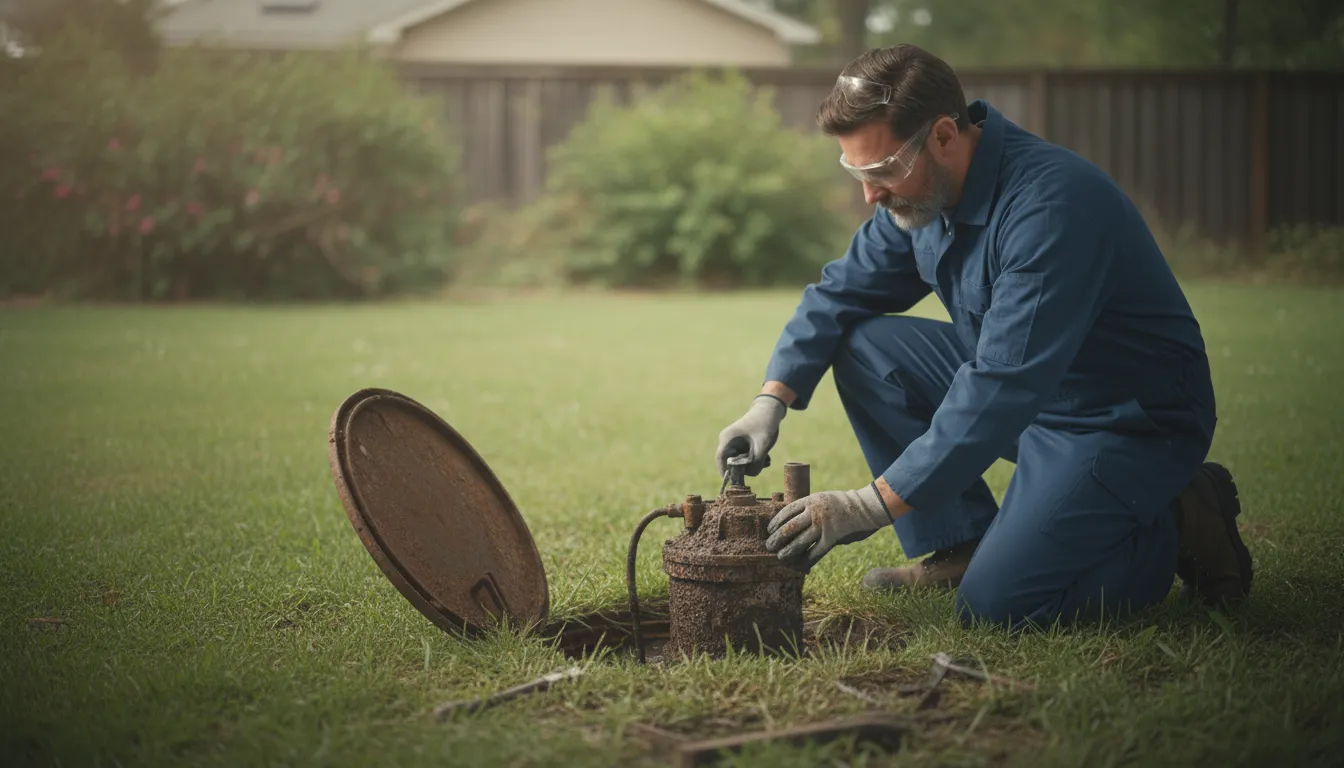
Find the Best Septic Pump Repair Companies for Your Business
No obligation • Fast responses • Nationwide coverage

Why you can trust Septic Spot
Septic Spot is a leading United States resource for understanding and comparing septic services. Our editors review providers using consistent criteria and verify key business details. Listings and scores are independent, and companies cannot pay to influence our content.
Search providers near you
Best Septic Pump Repair Companies in Idaho Ranked
Maintaining a functional septic system is a critical responsibility for Idaho homeowners. When a pump fails or components wear out, it can lead to backups, property damage, and environmental contamination. This guide provides clear, practical information on septic pump repair and system replacement in Idaho, helping you understand the process, regulations, and how to connect with qualified local professionals for service.
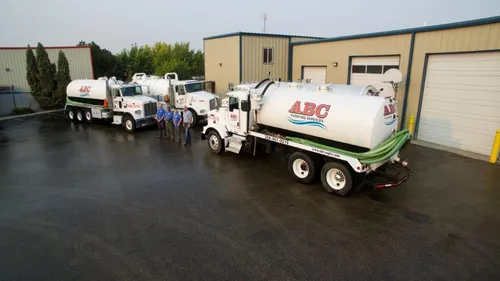
ABC Pumping Service
281 N Baltic Pl, Meridian, ID 83642
ABC Pumping Service is a septic tank and system specialist based in Boise, ID, serving Meridian and surrounding areas. They provide a range of services including septic tank pumping, inspection, repair, installation, drain field repair, and pump maintenance. With over 30 years of experience, ABC Pumping Service is familiar with both old and new septic systems and offers 24/7 emergency services. One notable capability is their expertise in repairing damaged drain fields to prevent septic system failure. They also install and maintain advanced wastewater treatment systems such as ETPS units, serving both residential and commercial clients.
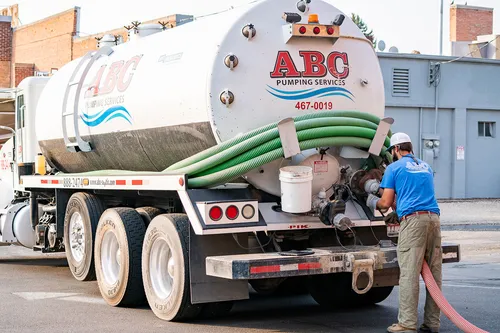
ABC Pumping Service
3716 Airport Rd, Nampa, ID 83687
ABC Pumping Service provides septic tank pumping, septic system repair, and drain field repair services in Meridian, ID. They serve both residential and commercial clients, including motels, restaurants, and car washes. The company offers specialized capabilities such as grease trap maintenance, sump and lift pump installation and repair, and commercial septic services. With over 30 years of experience in the Nampa area, ABC Pumping Service is equipped to handle a variety of septic and drainage issues. They also provide 24/7 commercial septic services to support businesses with urgent needs.
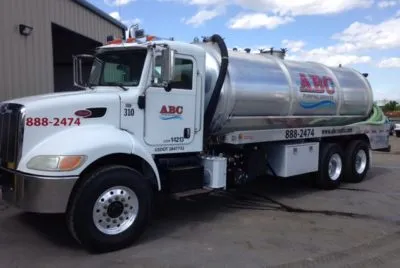
ABC Pumping Services
393 W State St f, Eagle, ID 83616
ABC Pumping Services provides septic system pumping, inspection, and repair services in Boise, ID. They specialize in maintaining residential and commercial septic systems, including drain field repair and sump pump installation. With over 30 years of experience, ABC Pumping Services offers 24/7 emergency septic pumping to address urgent issues and prevent costly damage. Their expertise includes grease trap maintenance for restaurants and car wash sump pumping, ensuring proper waste disposal and system function.
Understanding Your Idaho Septic System
A septic system is an on-site wastewater treatment structure, commonly used in rural and suburban areas not connected to municipal sewer lines. In Idaho, these systems are regulated by local Public Health Districts under state rules (IDAPA 58.01.03). A standard system consists of a septic tank and a soil absorption field (drainfield). The tank separates solids from liquids, while the treated liquid effluent is dispersed into the drainfield for further purification by the soil.
Several types of systems are approved for use in Idaho, each suited to different soil and site conditions 1 2:
- Conventional Gravity Systems: The most common type, relying on gravity to move effluent from the tank to a gravel-based drainfield.
- Gravelless/Chamber Systems: Use interconnected plastic chambers instead of gravel in the drainfield, often used where gravel is scarce or soil conditions are specific.
- Raised Mound Systems: An above-ground mound of sand is constructed to treat effluent, used in areas with high groundwater or shallow bedrock.
- Pressure Distribution Systems: Use a pump to evenly distribute effluent across the drainfield in timed doses, ideal for sloping or uneven sites.
- Drip Irrigation Systems: A type of pressure system that slowly releases effluent through a network of drip tubing.
- Aerobic Treatment Units (ATUs): Introduce oxygen into the treatment process to enhance bacterial breakdown, often used in sensitive environmental areas or where soil conditions are poor.
The Role of Pumps in Septic Systems
Not all systems have pumps. Conventional gravity systems may not require one. However, pumps are essential components in many modern or site-adapted systems:
- Sewage Effluent Pumps: Used in pressure distribution, mound, and drip systems to move liquid from the pump chamber to the drainfield.
- Grinder Pumps: Used when plumbing fixtures are below the drainfield level, grinding waste into a slurry before pumping it to the tank.
- ATU Air Pumps: Specifically for Aerobic Treatment Units, these pumps supply air to the treatment process.
A failing pump can halt the entire wastewater treatment process, making prompt repair or replacement essential.
Signs You Need Septic Pump Repair or Service
Recognizing early warning signs can prevent a complete system failure and more costly repairs:
- Alarms Sounding: Modern systems have alarms for high water levels in the pump tank.
- Drainage Problems: Slow drains, gurgling pipes, or sewage backups in the home.
- Unusual Noises: Grinding, humming, or constant running from the pump.
- Wet Spots: Soggy, bright green grass, or standing water over the drainfield or tank area.
- Sewage Odors: Foul smells indoors or near the septic system outdoors.
If you notice any of these signs, contact a licensed septic professional immediately for an inspection.
The Professional Inspection & Diagnosis Process
When you call a professional for a suspected pump issue, they will typically follow a systematic process 3 4:
- Initial Assessment: Discuss symptoms and review your system's as-built design if available.
- Tank Access & Pumping: To properly inspect the tank and pump chamber, they will often pump out the tank. Regular pumping every 3-5 years is a standard Idaho maintenance recommendation.
- Component Inspection: The technician will check:
- Pump and Floats: The submersible pump is tested, and float switches are checked for proper operation.
- Baffles: Inlet and outlet baffles in the tank are inspected for damage or blockage.
- Electrical Components: Control panels, wiring, and alarms are tested.
- Drainfield Distribution: For pressure systems, distribution lines and valves are checked for clogs or breaks.
- Drainfield Evaluation: The professional will assess the drainfield for signs of failure, such as surfacing effluent or soil saturation.
Find the perfect septic pump repair companies for your needs
Get personalized recommendations and expert advice
Common Septic Pump Repairs in Idaho
Based on the inspection, several repairs are common 5 6:
- Float Switch Replacement: Malfunctioning floats that don't turn the pump on or off are a frequent and relatively simple fix.
- Pump Repair or Replacement: The submersible pump itself may need servicing or complete replacement due to wear, clogging, or electrical failure.
- Baffle Repair/Replacement: Broken or deteriorated concrete or plastic baffles in the tank must be replaced to prevent solids from entering the drainfield.
- Clearing Blockages: Removing roots, grease, or debris from the pump chamber, pipes, or distribution box.
- Electrical Control Panel Repair: Fixing or replacing faulty timers, relays, or circuit breakers in the system's control panel.
When Replacement is Necessary: Understanding System Failure
Sometimes, repair is not enough, and system components or the entire system must be replaced. This is often due to drainfield failure, which can occur from long-term neglect, hydraulic overloading, or soil clogging 7 8. Signs of drainfield failure include persistent wet areas and sewage odors even after the tank is pumped.
A full septic system replacement is a major project that involves:
- New Permitting: You must obtain a new construction permit from your local health district.
- Site Evaluation & Design: A new soil evaluation and system design are required, often for an alternative drainfield location or a different system type.
- Excavation & Installation: Removal of the old system (if necessary) and installation of the new tank and drainfield.
- Final Inspection: The health district must inspect and approve the new installation.
Idaho Regulations and Permitting
Idaho has specific rules governing septic systems 9 10:
- Permits: Any new installation, repair that alters the system's hydraulic function, or expansion requires a permit from your local Public Health District.
- Licensing: All individuals and companies performing septic system pumping, repair, or installation must be licensed by the state.
- Tank Sizing (IDAPA 58.01.03.007): State law mandates minimum tank sizes:
- 1-2 Bedroom home: 900 gallons minimum.
- 3-4 Bedroom home: 1,000 gallons minimum.
- Each additional bedroom: Add 250 gallons.
Always verify that any professional you hire is properly licensed and obtains the necessary permits for the work.
Cost Considerations for Repair and Replacement
Costs in Idaho can vary widely based on system type, location, and soil conditions. National and regional averages provide a general guide 11 12 13 14:
- Septic Pumping & Inspection: Typically ranges from $290 to $700.
- Minor Repairs: Replacing a float switch or baffle may cost a few hundred dollars. Pump repair or replacement can range from $500 to $1,500 or more, depending on the pump type.
- Major Repairs/Drainfield Rehabilitation: Techniques like jetting or adding a new drainfield trench can cost several thousand dollars.
- Full System Replacement: This is a significant investment, with national averages often ranging between $3,600 and $12,500. In Idaho, complex systems like mounds or ATUs, or installations in difficult terrain, can exceed these averages.
For accurate pricing, always get detailed, written estimates from multiple licensed contractors.
Choosing a Service Provider in Idaho
Selecting the right professional is crucial. Look for:
- Idaho State License: Confirm they are licensed for the specific work needed (installation, repair, pumping).
- Local Health District Knowledge: Experience with your district's specific inspectors and permit processes.
- Good References & Reviews: Check online reviews and ask for local references.
- Detailed Estimates: Obtain clear, written quotes that break down labor, parts, and permit fees.
- Insurance: Verify they carry liability and workers' compensation insurance.
Your local Public Health District (e.g., Panhandle Health, Central District Health, Southeastern Idaho Public Health) can often provide lists of licensed contractors in your area 15 16.
Frequently asked questions
Sources
Footnotes
-
Septic Systems in Idaho - Teton Realty Blog - https://tetonrealtyblog.com/septic-systems-in-idaho/ ↩
-
Idaho Septic Tank Requirements | Subsurface Sewage Disposal System - https://www.ntotank.com/blog/idaho-septic-tank-requirements ↩
-
The Role of a Septic Pumping Contractor in System Maintenance - https://www.aaasewerserviceidahofalls.com/the-role-of-a-septic-pumping-contractor-in-system-maintenance ↩
-
Homeowner's Guide to Septic Systems - https://phd5.idaho.gov/Documents/Environmental-Health/EPA_Septic_System_Guide_4-8-16.pdf ↩
-
IDAHO SEPTIC PUMPERS TECHNICAL GUIDANCE ... - https://www2.deq.idaho.gov/admin/LEIA/api/document/download/23934 ↩
-
Septic System Add-Ons That Can Enhance Your Rural Home's Value - https://jtserviceco.com/septic-system-add-ons-that-can-enhance-your-rural-homes-value/ ↩
-
Septic Repair vs. Replacement: A Guide to Costs & Red Flags - https://prosepticri.com/septic-repair-vs-replacement-guide/ ↩
-
Septic System Repair: Essential Guidelines for Homeowners - https://smartsepticpros.com/blog/septic-system-repair-guidelines/ ↩
-
Septic and Septage - Idaho Department of Environmental ... - https://www.deq.idaho.gov/water-quality/wastewater/septic-and-septage/ ↩
-
Homes with Septic Systems: What You Need To Know in Idaho - https://www.billsseweranddrain.com/homes-with-septic-systems ↩
-
Idaho Septic Tank Requirements - https://www.ntotank.com/blog/idaho-septic-tank-requirements ↩
-
Septic Pumping Cost by State: 2024 Complete Price Guide - https://wastedoor.com/article/septic-pumping-cost-by-state ↩
-
How Much Does a Septic System Cost? [2026 Data] | Angi - https://www.angi.com/articles/what-does-it-cost-install-septic-system.htm ↩
-
Septic Pipe Repair: Expert Solutions in Anaheim - https://www.splashplumbing.com/septic-pipe-repair-expert-solutions-for-common-issues/ ↩
-
A Homeowner's Guide to Septic Systems - https://idahopublichealth.com/environmental/septicsystems/474190-septic_homeowners_guide.pdf ↩
-
Your Septic System - Southeastern Idaho Public Health - https://www.siphidaho.org/environmental-health/_pdf/your_septic_system.pdf ↩