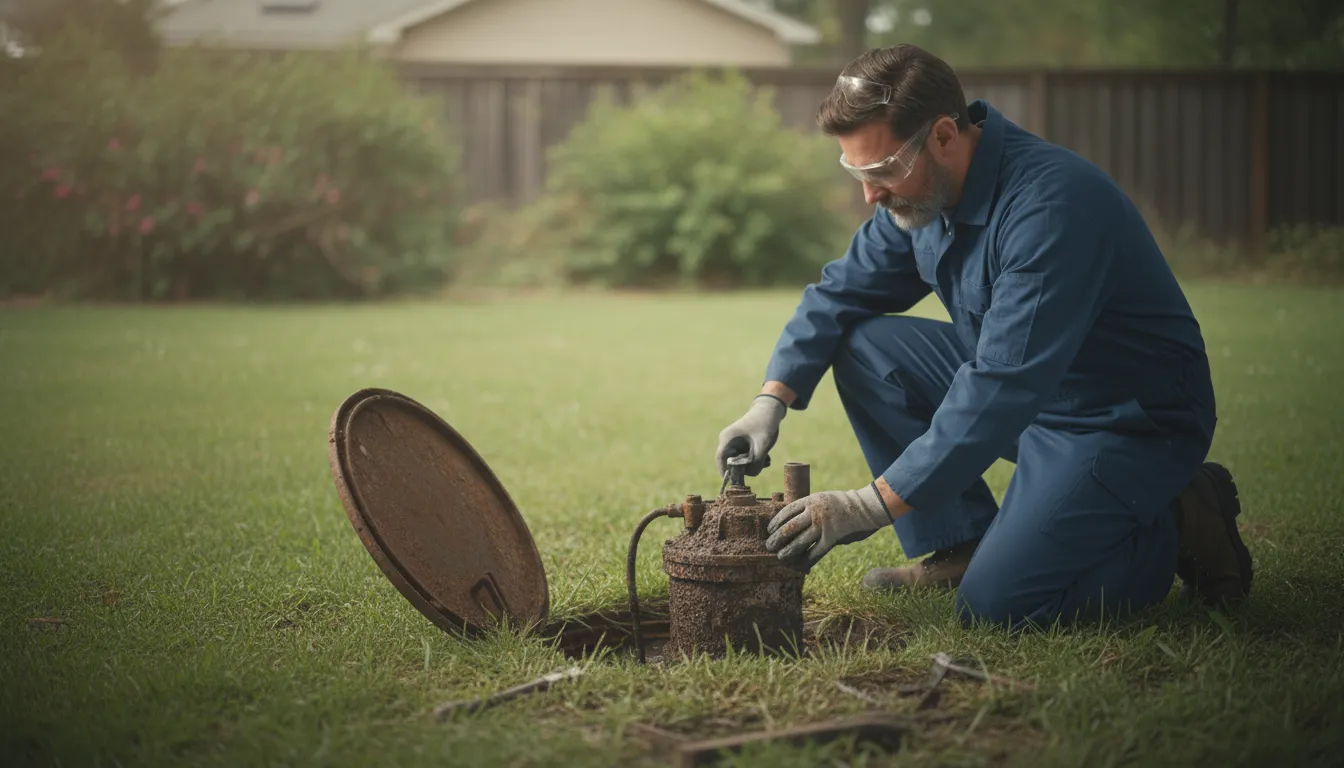
Find the Best Septic Pump Repair Companies for Your Business
No obligation • Fast responses • Nationwide coverage

Why you can trust Septic Spot
Septic Spot is a leading United States resource for understanding and comparing septic services. Our editors review providers using consistent criteria and verify key business details. Listings and scores are independent, and companies cannot pay to influence our content.
Search providers near you
Best Septic Pump Repair Companies in Maryland Ranked
When your septic system's pump fails, it's more than an inconvenience-it's a threat to your home's sanitation and the local environment. In Maryland, with its diverse geography and strict environmental protections, addressing pump issues correctly is crucial. This guide explains what septic pump repair and replacement entails in the Old Line State, the common systems you might have, the regulatory steps you must follow, and how to find qualified local professionals to handle the job.

Understanding Your Septic System's Pump
The pump is the heart of many modern septic systems, especially in Maryland's varied landscapes. Its primary job is to move effluent (liquid wastewater) from the septic tank to the drainfield. When it malfunctions, wastewater can back up into your home or surface in your yard, creating health hazards and environmental concerns.
In Maryland, you'll typically encounter a few key system types, each with different pumping needs:
- Conventional (Gravity) Systems: These may not have a pump for the drainfield, but often include a pump to move effluent from the house to the tank if the plumbing is below sewer level.
- Pressure-Dosed Systems: Common in areas with shallow soil or restrictive layers, these systems use a pump to uniformly distribute effluent across the drainfield, improving treatment and preventing overloading. 1
- Best Available Technology (BAT) / Aerobic Treatment Units (ATUs): Mandatory for new and replacement systems in critical environmental areas like the Chesapeake Bay watershed, these advanced systems use pumps for aeration and dosing to significantly reduce nitrogen levels before effluent reaches the groundwater. 2
Common Signs of Pump Failure
Recognizing early warning signs can prevent a full system backup and more costly damage. Be alert for:
- Alarms Sounding: Most systems have a high-water alarm that activates when the pump fails and the tank fills.
- Slow Drains or Backups: Gurgling toilets, slow-draining sinks, or sewage backing up into lower-level drains.
- Wet Spots or Odors in the Yard: Soggy ground, lush green grass over the drainfield, or foul smells near the tank or pump chamber.
- Unusual Noise from the Pump: Grinding, humming, or a pump that runs continuously without shutting off.
The Repair and Replacement Process in Maryland
Addressing a septic pump issue in Maryland is a regulated process. Working with a licensed professional is not just recommended-it's often legally required for permits and inspections.
1. Diagnosis and Troubleshooting
A certified contractor will first determine if the problem is with the pump itself or related components. This involves checking the electrical control panel, float switches (which tell the pump when to turn on and off), and wiring for faults. Sometimes, a tripped breaker or a stuck float is the simple culprit.
2. Permitting
In Maryland, any major repair-including replacing a pump chamber or the pump itself-typically requires a permit from your local County Health Department. Your contractor will usually handle this application, which ensures the work meets state and county codes designed to protect public health and water quality.
3. Pump Repair or Replacement
If the pump is repairable, a technician may fix seals, impellers, or electrical connections. More often, a failed submersible pump requires full replacement. The process involves:
- Safely disconnecting electrical power.
- Removing the old pump from its chamber.
- Installing a new, properly rated pump.
- Replacing or cleaning the effluent filter (if present).
- Reconnecting and testing all electrical components. 3 4
4. Final Inspection
After the work is complete, a county health inspector will often need to visit the site to approve the repair or replacement before the system is put back into full operation. 5 This is a critical step for compliance.
Find the perfect septic pump repair companies for your needs
Get personalized recommendations and expert advice
Maryland-Specific Regulations and Requirements
Maryland has some of the nation's most stringent septic regulations, largely focused on protecting the Chesapeake Bay. Understanding these is key for any system work.
- BAT System Mandate: State law requires the use of nitrogen-reducing Best Available Technology (BAT) for all new septic systems and when replacing a failing system in the Chesapeake Bay Critical Area and the Atlantic Coastal Bays Critical Area. 6 This can significantly impact the scope and cost of a project if a simple pump replacement escalates to a full system upgrade.
- Contractor Licensing: All septic system contractors must be registered with the Maryland Board of On-Site Wastewater Professionals. Always verify a professional's license before hiring them. 7
- Mandatory Maintenance Contracts: If you have a BAT system, you are legally required to have an annual maintenance contract with a certified service provider to inspect and service the unit.
- Pumping Frequency: While conventional systems should be pumped every 3-5 years, some Maryland counties have ordinances requiring more frequent pumping. Regular pumping prevents solids from clogging and damaging the pump. 8
Cost Considerations for Pump Work
Costs can vary widely based on system complexity, location, and the extent of the problem.
- Septic Pump Repair: Typically ranges from $600 to $1,500, depending on labor and parts. 9
- Septic Pump Replacement: Generally falls within the same $600 to $1,500 range for the pump and labor.
- Full System Replacement: If pump failure is a symptom of a larger system collapse, costs rise substantially. A conventional system replacement can cost $8,000 to $18,000, while a mandated BAT/Aerobic system replacement often ranges from $10,000 to over $25,000. 10 11
Proactive Maintenance and Financial Assistance
Prevention is always more affordable than emergency repair.
- Install Access Risers: Adding risers from your tank and pump chamber lids up to ground level makes routine inspection and pump service much easier and less expensive.
- Keep Records: Maintain a log of all pumping, inspections, and repairs. The University of Maryland Extension provides helpful maintenance guidelines and record-keeping sheets. 12 13
- Explore Financial Help: Check for availability of the Bay Restoration Fund grant program, which can provide financial assistance to homeowners needing to upgrade or replace failing systems with BAT technology. 14
- Protect the Components: Keep the area around the electrical control panel clear, dry, and accessible for technicians. 15
Finding Qualified Service in Maryland
Your project's success depends on hiring the right professional. Look for a contractor who:
- Holds a current license from the Maryland Board of On-Site Wastewater Professionals.
- Is familiar with your county's specific health department regulations and permit processes.
- Has experience with your specific type of system (especially critical for BAT units).
- Provides clear, written estimates and explains the permitting and inspection process.
- Can offer references from recent, similar jobs in your area.
Taking the time to understand your system and Maryland's requirements empowers you to make informed decisions, protect your property value, and contribute to the health of the state's precious waterways.
Frequently asked questions
Sources
Footnotes
-
Types of Septic Systems - Montgomery County Maryland - https://www.montgomerycountymd.gov/DPS/Resources/Files/Land_Development/GuidelineForTypesofSepticSystems.pdf ↩
-
Septic Tank Pumping In Delaware - https://septic-masters.com/septic-pumping-services/pumping/ ↩
-
Onsite Sewage Disposal Systems: A Guide to Maintenance - https://www.baltimorecountymd.gov/files/departments/environmental-protection-and-sustainability/documents/osdsmaintenanceguide20240621.pdf ↩
-
All About Residential Septic Systems - Prime Plumbing - https://primeplumbingmd.com/blog/guide-to-residential-septic-systems/ ↩
-
Septic System Repair Guidelines - Montgomery County - https://www.montgomerycountymd.gov/DPS/Resources/Files/Land_Development/Guideline_Septic%20System%20Repair.pdf ↩
-
Septic Systems, DEP, Montgomery County, MD - https://www.montgomerycountymd.gov/DEP/water/water-supply-wastewater/septic-systems.html ↩
-
Guidelines For Maintaining Your Septic System - https://www.aahealth.org/environmental-health/wells-and-septic-systems/septic-systems/guidelines-maintaining-your-septic ↩
-
Septic System Care for Maryland Homeowners - https://www.tricountypumps.com/blog/septic-system-care-for-maryland-homeowners/ ↩
-
FAQs on Septic Systems - University of Maryland Extension - https://extension.umd.edu/programs/environment-natural-resources/program-areas/wells-septics-and-water-quality/septicsunderstandingmaintaining/faqs-septic-systems ↩
-
Septic Installation Process Maryland - Cox Enterprises - https://www.coxenterprisesllc.com/septic-installation-process-maryland/ ↩
-
Septic System Replacement Maryland: Signs, Costs & What to ... - https://www.coxenterprisesllc.com/septic-system-replacement/ ↩
-
A Guide to Septic Systems and Maintenance - https://mde.maryland.gov/programs/water/BayRestorationFund/OnsiteDisposalSystems/Documents/Onsite%20Systems/Uof%20MD%20Septic%20Records%20and%20Maintenance%20Guidelines.pdf ↩
-
A Guide to Septic Systems and Maintenance - https://mde.maryland.gov/programs/water/BayRestorationFund/OnsiteDisposalSystems/Documents/Onsite%20Systems/Uof%20MD%20Septic%20Records%20and%20Maintenance%20Guidelines.pdf ↩
-
Maintaining Your Septic System - https://extension.umd.edu/resource/maintaining-your-septic-system ↩
-
Step-By-Step Instructions For Septic System Upgrades and Repairs - https://www.aahealth.org/environmental-health/wells-and-septic-systems/septic-systems/step-step-instructions-septic-system ↩