Find the Best Septic Pump Repair Companies for Your Business
No obligation • Fast responses • Nationwide coverage

Why you can trust Septic Spot
Septic Spot is a leading United States resource for understanding and comparing septic services. Our editors review providers using consistent criteria and verify key business details. Listings and scores are independent, and companies cannot pay to influence our content.
Search providers near you
Best Septic Pump Repair Companies in Missouri Ranked
A failing septic pump or a damaged tank can lead to costly property damage and serious health hazards. Septic pump repair and replacement services are essential for maintaining a functional wastewater system, protecting your home's value, and safeguarding Missouri's groundwater. This guide explains the common types of systems in the state, outlines the repair process, details relevant regulations, and provides practical advice to help you find qualified local professionals for your maintenance and repair needs.
Blackburn All Septic Tank Services
Springfield, MO
Blackburn All Septic Tank Services provides septic system solutions in Springfield, MO. They serve both residential and commercial clients with services including septic tank pumping, riser installation, grease trap cleaning, and septic pump repair. The company also offers drain cleaning, outdoor plumbing repair, and plumbing leak detection. Their team is skilled in locating septic systems and maintaining their optimal function.
Twin Springs Pump Services
3805 E 187th St, Belton, MO 64012
Twin Springs Pump Services provides septic system pumping, maintenance, installation, inspection, and repair in Kansas City, MO, and surrounding rural areas. They serve several counties including Wyandotte, Johnson, and Miami in Kansas, as well as Cass and Jackson in Missouri. The company holds Missouri Department of Health & Senior Services licenses for installing basic and advanced septic systems and for septic system inspections related to real estate transactions.

Envirotek Systems
1254 N Kelly Ave, Nixa, MO 65714
Envirotek Systems is a septic system company based in Springfield, MO, serving Christian County including Nixa. They offer a range of wastewater solutions such as septic tank pumping, inspections, repairs, and installations. The company also designs, manufactures, and services sewage pumps, grinder pumps, lift stations, and sewage treatment plants. Their services extend to plumbing tasks including water line repairs and community water systems.
Drain Doctor of Southwest Missouri, Inc.
402 W Mt Vernon St, Nixa, MO 65714
Drain Doctor of Southwest Missouri, Inc. provides septic system repair, septic tank installation, and septic pump repair services in Springfield, MO. They serve residential, commercial, and industrial clients with a range of plumbing solutions including water lines, sewer lines, and water heater services. The company is licensed, insured, and offers 24/7 availability for plumbing emergencies. Their capabilities include open trench excavation to thoroughly repair or replace piping systems when necessary.
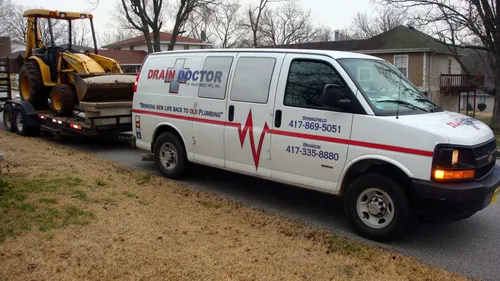
Drain Doctor of Southwest Missouri, Inc.
2101 W Chesterfield St, Springfield, MO 65807
Drain Doctor of Southwest Missouri, Inc. provides septic system services including pumping, inspection, repair, and installation in Springfield, MO. They also offer plumbing services for residential, commercial, and industrial clients, covering water lines, sewer lines, water heaters, and more. The company is licensed, insured, and offers 24/7 availability. They use video pipe inspections to assist with diagnostics and repairs.
Understanding Missouri's Septic Systems
Most Missouri homes outside municipal sewer lines use an onsite wastewater treatment system. Knowing which type you have is the first step in understanding potential repair needs.
Conventional Systems are the most common, consisting of a septic tank and a network of lateral lines (the drain field). Wastewater separates in the tank, and the liquid effluent flows into the drain field, where the soil provides final treatment. These systems are gravity-fed and typically don't have mechanical pumps, though repairs often focus on the tank, baffles, and lateral lines.
Advanced Treatment Systems (Alternative Systems) are used where soil conditions are poor, the water table is high, or stricter environmental regulations apply, such as near the Lake of the Ozarks. These systems use aerobic treatment units, pumps, sand filters, or other media to treat wastewater to a higher standard before dispersal 1. A key component is the effluent pump, which moves treated wastewater to the drain field. Repair and replacement of this pump is a frequent service need for these systems.
Common Septic Repairs in Missouri
When your system shows signs of trouble-like slow drains, soggy ground over the drain field, or unpleasant odors-a professional assessment is crucial. Here are the most common repairs:
- Locate and Inspect: The first step for any repair is locating the tank and drain field. A professional will check tank access covers for cracks, inspect inlet and outlet baffles for damage, and assess the overall system integrity.
- Pump and Clean: Before most repairs can be made, the tank must be pumped to remove sludge and scum. This is not just maintenance; it's a safety and practical necessity for accessing components.
- Pump Replacement/Repair: In advanced systems, the effluent pump or its electrical float switches are common points of failure. A licensed professional can diagnose whether the pump needs repair or a full replacement 2.
- Lateral Line Repair: Clogged or broken underground pipes in the drain field can cause wastewater to surface. Repair may involve jet-cleaning lines or excavating to replace damaged sections.
- Tank Repair or Replacement: Concrete tanks can crack, and baffles can deteriorate. While minor cracks can sometimes be sealed, a severely compromised tank requires a full replacement, which is a major excavation project 3.
Find the perfect septic pump repair companies for your needs
Get personalized recommendations and expert advice
Missouri Regulations and Requirements
Septic system work in Missouri is governed by state and often local county regulations. The Missouri Department of Health and Senior Services (DHSS) regulates systems with flows under 3,000 gallons per day.
- Maintenance Mandates: Several Missouri counties, particularly within designated watershed improvement districts (like those protecting major lakes), have ordinances requiring a professional inspection or pumping every five years 4. Always check with your local public health agency.
- Installation and Repair Standards: All new installations and repairs must comply with state construction codes (19 CSR 20-3.090). This ensures systems are built to protect public health.
- System Abandonment: If you are connecting to a public sewer, the old septic system must be properly abandoned by a professional-typically by pumping it out and either removing the tank or filling it with soil or gravel 5 6.
Cost Guide for Repairs and Maintenance
Understanding potential costs helps in planning and budgeting for necessary septic work.
- Routine Pumping: The foundational maintenance task typically costs between $290 and $700 in Missouri, varying by tank size (e.g., 1,000 vs. 1,500 gallons) and accessibility 7. In the St. Louis area, the average cost is around $301 8.
- Emergency Service: For urgent issues like backups, emergency call-out fees can significantly increase the total service cost.
- Major System Replacement: Replacing a failing conventional system is a major investment, often ranging from $10,000 to over $15,000 9 10. The high cost underscores the value of regular maintenance.
- Financial Assistance: In specific high-risk watersheds, some programs may offer reimbursement grants for repairs or upgrades for income-qualified households. Check with your county health department or the Missouri Department of Natural Resources for potential opportunities 11.
Proactive Care and Tips for Homeowners
Preventive care is the most cost-effective strategy for septic system ownership.
- Pump Regularly: Don't wait for problems. Missouri's typical recommendation is to pump a conventional system every 3 to 5 years, though annual pumping is advised for advanced systems with pumps. Adhering to local county mandates is essential.
- Skip the Additives: Avoid commercial septic tank additives. They are not necessary for system function and can actually harm the biological treatment process and contaminate groundwater.
- Inspect Annually: The U.S. Environmental Protection Agency recommends inspecting conventional systems at least every 3 years, but inspecting advanced systems (especially those with pumps) annually is best practice 12.
- Get a Real Estate Inspection: Before purchasing a home with a septic system in Missouri, always obtain a certified, third-party inspection. This due diligence can reveal needed repairs or the system's remaining lifespan, preventing unexpected financial burdens 13.
Frequently asked questions
Sources
Footnotes
-
Types Of Septic Systems & Wastewater Treatment In SW Missouri - https://enviroteksystems.com/types-septic-systems/ ↩
-
General Repair Services - https://www.advancedsepticandpumping.com/septic-repair/general-repair ↩
-
Septic Tank/Absorption Field Systems: A Homeowner's Guide ... - https://extension.missouri.edu/publications/eq401 ↩
-
Revised Statutes of Missouri, RSMo Section 249.1155 - https://revisor.mo.gov/main/OneSection.aspx?section=249.1155 ↩
-
Septic Tank/Absorption Field Systems - MU Extension - https://extension.missouri.edu/sites/default/files/legacy_media/wysiwyg/Extensiondata/Pub/pdf/envqual/eq0401.pdf ↩
-
Septic Systems and Other Treatment Methods (Fact Sheet) - https://extension.missouri.edu/publications/eqm104f ↩
-
Septic Pumping Cost by State: 2024 Complete Price Guide - https://wastedoor.com/article/septic-pumping-cost-by-state ↩
-
How Much Does It Cost to Pump a Septic Tank in St. Louis? [2026 Data] - https://www.angi.com/articles/how-much-does-septic-tank-pumping-cost/mo/st-louis ↩
-
Septic System Information For Home Buyers In Missouri - https://www.simsseptic.com/septic-system-information-for-home-buyers-in-missouri/ ↩
-
An Onsite Wastewater Treatment System Owner's Manual - https://health.mo.gov/living/environment/onsite/pdf/SystemOwnersManual.pdf ↩
-
Onsite Wastewater Treatment System Requirements - http://millercountyhealth.com/wastewater-system-requirements ↩
-
How to Care for Your Septic System | US EPA - https://www.epa.gov/septic/how-care-your-septic-system ↩
-
What Homeowners Should Know About Septic Systems - https://www.mohomeinspectors.com/septic-systems ↩