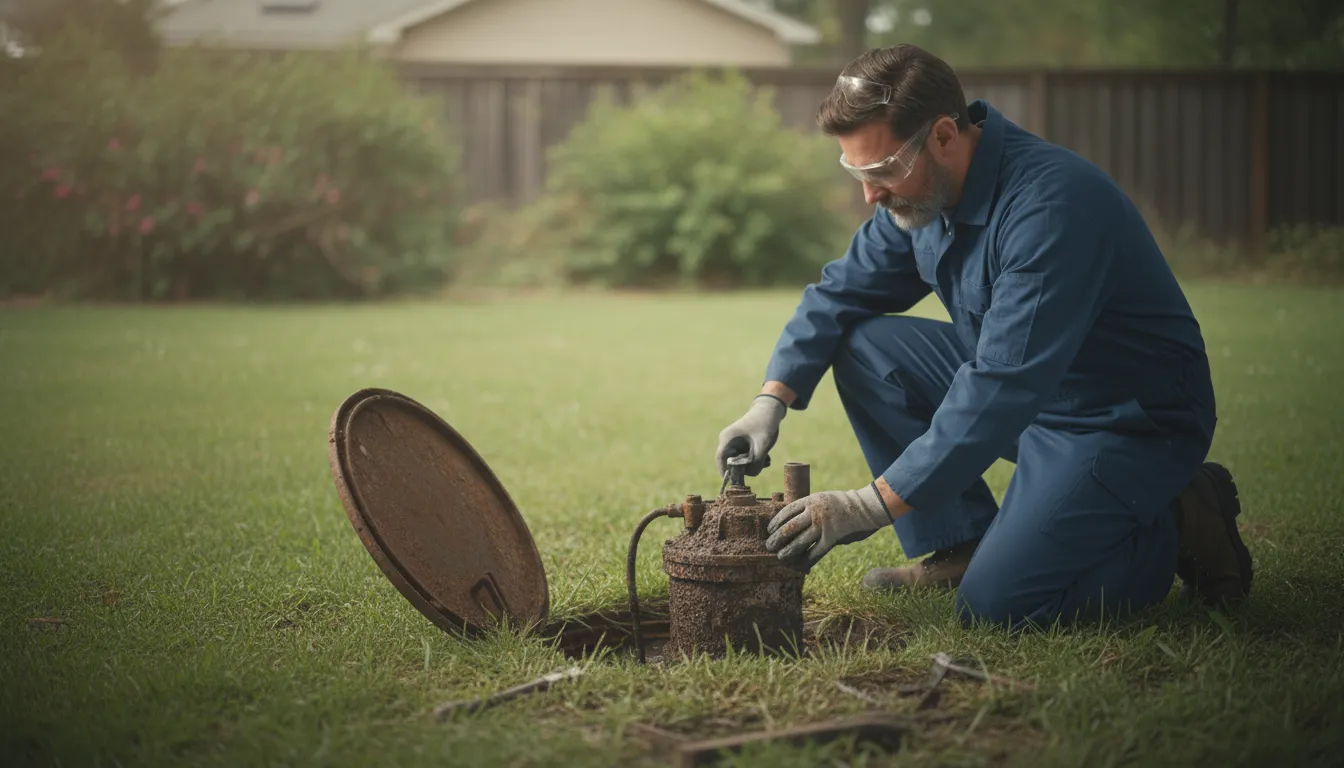
Find the Best Septic Pump Repair Companies for Your Business
No obligation • Fast responses • Nationwide coverage

Why you can trust Septic Spot
Septic Spot is a leading United States resource for understanding and comparing septic services. Our editors review providers using consistent criteria and verify key business details. Listings and scores are independent, and companies cannot pay to influence our content.
Search providers near you
Top Septic Pump Repair Companies in Cuyahoga Falls, Ohio Ranked
When your septic system's pump fails or your entire system shows signs of collapse, it's more than an inconvenience-it's a pressing health and environmental issue for your Cuyahoga Falls property. Proper septic pump maintenance, repair, and system replacement are critical for protecting your home's plumbing, your family's health, and local groundwater. This guide helps you understand the process, costs, and local considerations for septic system work in Northeast Ohio, empowering you to make informed decisions when seeking local service professionals.
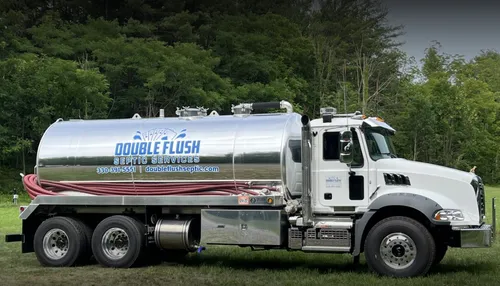
Double Flush Septic Services
2481 Remsen Rd, Medina, OH 44256
Double Flush Septic Services is a family-owned company based in Medina, OH, providing septic system installation, pumping, inspection, and repair services throughout Akron and the surrounding Northeast Ohio counties. They serve a broad area including Medina, Summit, Stark, Wayne, and Cuyahoga counties, offering expertise in maintaining and repairing septic tanks, drain fields, and aeration systems such as Norweco, Hydro-Action, and Marlow-Hunter. The company also provides emergency septic services and commercial grease trap cleaning, with capabilities like hydro jetting and drain snaking to address severe blockages. Double Flush Septic Services emphasizes local knowledge of Ohio's climate and soil conditions to support system longevity and functionality.
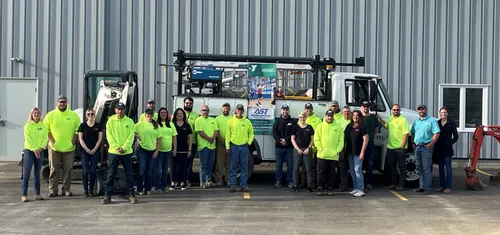
Aeration Septic - ASI
775 Elm Ridge Ave, Canal Fulton, OH 44614
Aeration Septic - ASI is a septic tank inspection and repair company serving Akron, OH, and surrounding counties. Since 1989, they have provided services including septic system inspections, repairs, and yearly maintenance contracts for residential aeration systems. Their capabilities include servicing and maintaining aerobic treatment systems, class 1 blowers, and sump pumps. The company ensures compliance with health regulations by reporting to County Health Departments and employs professionals who stay updated with industry developments through regular seminars.
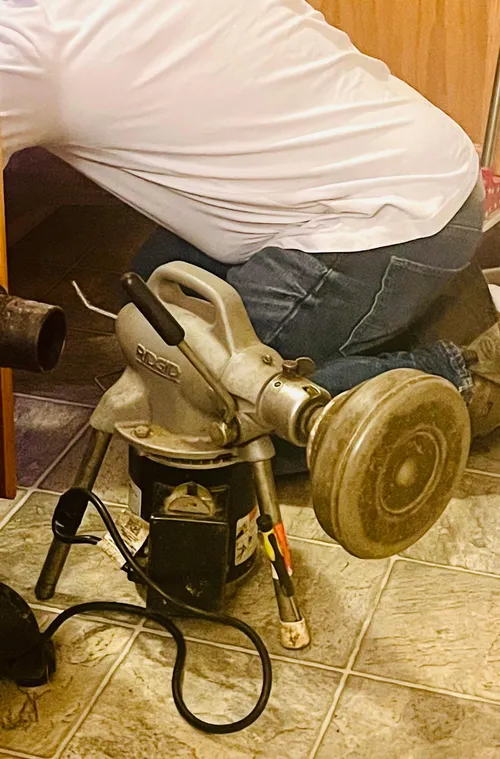
Lehman Drain & Septic
13014 Duquette Ave NE, Hartville, OH 44632
Lehman Drain & Septic is a family-owned company based near Akron, OH, providing septic system services including pumping, inspections, repairs, and installations. They serve the communities of Stark, Portage, and Summit counties, offering both scheduled and emergency services. The company is licensed, insured, and bonded, with capabilities such as camera inspections and septic pump repairs. Lehman Drain & Septic operates a 24-hour emergency service to address urgent septic and plumbing needs.
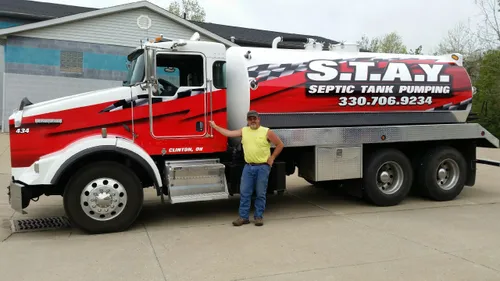
S.T.A.Y. Septic
Akron, OH
S.T.A.Y. Septic is a licensed, insured, and bonded company providing commercial and residential septic services in Akron, OH, and surrounding counties. With over 40 years of experience, they offer septic pumping, tank repair, sump pump replacement, and aeration pumping. The company operates year-round to address issues caused by seasonal weather changes and complies with Ohio state regulations for septic maintenance.
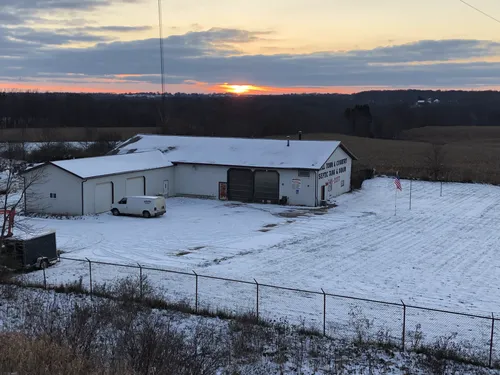
All Town & Country Septic Tank
3500 S Hametown Rd, Norton, OH 44203
All Town & Country Septic Tank is a licensed septic service provider based in Akron, OH, serving multiple counties including Summit, Wayne, Stark, Medina, and Portage. They offer septic tank pumping, inspection, repair, and installation services, along with drain field repair and septic pump replacement. The company is registered with Ohio Local Health Districts and the state EPA, ensuring compliance with strict state and local regulations. They also specialize in maintaining aerobic treatment systems and provide routine inspections to help prevent system failures. All Town & Country handles necessary permits and paperwork, supporting residential septic system operation and maintenance.
Understanding Your Septic System in Northeast Ohio
A septic system is an on-site wastewater treatment plant for properties not connected to a municipal sewer line. In Cuyahoga Falls and surrounding Summit County, these systems are common in more rural or older subdivisions. The system typically consists of a septic tank, where solids settle and begin to decompose, and a drainfield (or leach field), where the treated liquid effluent is dispersed into the soil for final purification.
The pump is the heart of many systems, especially in areas where gravity alone cannot move effluent. A septic pump (or effluent pump) moves liquid from the tank to the drainfield. When this component fails, wastewater can back up into your home or surface on your lawn, creating an urgent health hazard. Understanding whether you need a simple pump fix or a full septic system replacement starts with a professional evaluation.
Why Ohio's Soil and Regulations Heavily Influence Repairs
The cost and complexity of septic system repair in Cuyahoga Falls are deeply tied to local geology and strict state regulations. Ohio, and Northeast Ohio in particular, is known for its heavy clay soils 1. These "slow-draining" or clay soils present a significant challenge because they do not absorb water quickly.
- System Type Dictated by Soil: If a standard soil evaluation (required by the health department) finds the soil is too dense or a high water table is present, a simple gravity system may not be approved. Instead, you may need a more complex pressure-dosed system or a mound system, which are more expensive to install and repair.
- The Role of Local Health Departments: The Summit County Health Department enforces Ohio Department of Health (ODH) regulations. Any significant repair or replacement requires a permit and must be designed to meet current, site-specific standards. This ensures the system functions properly and protects public health, but it also means repairs aren't always straightforward-they must bring the entire system up to code.
Common Septic Pump and System Problems
Recognizing early warning signs can save you from a more costly catastrophic failure. Here are frequent issues that necessitate repair or replacement:
- Pump Failure: The most direct issue. You might hear the pump alarm sound, see wastewater backing up into drains, or notice soggy ground around the tank or drainfield.
- Drainfield Failure: This is a more serious problem. Signs include sewage odors, persistently soggy lawn over the field, or slow-draining household fixtures. Failure often occurs due to soil saturation, clogging, or physical damage.
- Tank Structural Issues: Cracks, leaks, or baffle failures within the tank itself can allow solids to escape into the drainfield, causing clogs and premature failure.
- Pipe and Riser Damage: Corroded, crushed, or leaking pipes connecting the tank to the drainfield or home will prevent proper flow.
The Repair and Replacement Process: What to Expect
Whether addressing a faulty pump or a failed drainfield, professional service follows a structured process governed by local rules.
- System Evaluation & Diagnosis: A licensed professional will inspect the tank, check the pump and alarm, and assess the drainfield. They may perform a soil test to evaluate percolation rates. This diagnosis determines if a component can be repaired or if the entire system needs replacement.
- Permitting and Design: For any work beyond a simple pump swap, your contractor will need to obtain a permit from the Summit County Health Department. If a new system is required, a site-specific design-often for an alternative system like a mound-must be submitted and approved 2.
- Execution of Work: For a pump repair, this involves removing the old pump, cleaning the wet well, and installing a new one. For a system replacement, it's a major excavation: removing the old tank and drainfield, installing the new tank, and constructing the new absorption field (which could be a gravel trench, chamber system, or above-ground mound) 3.
- Final Inspection and Restoration: The health department will inspect the installation before it's covered. Once approved, the contractor backfills and restores your yard with grading to ensure surface water drains away from the new system.
Find the perfect septic pump repair companies for your needs
Get personalized recommendations and expert advice
Cost Breakdown for Septic Services in Cuyahoga Falls
Costs can vary widely based on the problem, your soil, and the system type. The following estimates are based on regional data for Northeast Ohio 4 5:
- Septic Pump Repair or Replacement: $800 - $3,000. This covers diagnosing the electrical or mechanical pump failure, pulling the pump, and installing a new unit. Mound or pressure system pumps are typically on the higher end.
- Baffle or Riser Repair: $300 - $1,200. Fixing or replacing the inlet/outlet baffles in the tank or extending/repairing access risers.
- Partial Drainfield/Lateral Repair: $3,000 - $15,000. If only a portion of the leach field has failed, it may be possible to replace a section. This is highly dependent on system layout and health department approval.
- Full Septic System Replacement: $10,000 - $40,000+. This is the major investment. A conventional gravity system on suitable soil will be on the lower end. For properties with poor soil requiring an engineered alternative system like a mound, sand filter, or aerobic treatment unit (ATU), costs can easily reach $25,000 to $40,000 or more, including permits, engineering, and extensive excavation 6 7.
- Routine Maintenance Inspection: $250 - $500. An annual or biennial inspection and tank pumping can prevent most major failures and is a wise investment.
Financial Assistance for Ohio Homeowners
The financial burden of a major septic system overhaul can be significant. Ohio homeowners should be aware of potential assistance. The Ohio Environmental Protection Agency (EPA) administers the Water Pollution Control Loan Fund (WPCLF), which provides low-interest loans to eligible homeowners for repairing or replacing failing home sewage treatment systems 8. Contacting the Summit County Health Department is the first step to see if you qualify for such programs.
Choosing a Service Provider in Cuyahoga Falls
Selecting the right contractor is crucial. Look for a licensed, insured professional with extensive experience installing and repairing the specific type of system you have (or will need). They should be fully familiar with Summit County Health Department permitting processes and soil evaluation requirements. Ask for references, detailed written estimates, and ensure all costs for permits, design, and restoration are included.
Maintaining Your System Post-Repair
After a significant repair or replacement, protect your investment with proper care. Pump your tank every 2-4 years, conserve water to avoid overloading the system, and never flush chemicals, grease, or non-biodegradable items. Have the pump and alarm checked annually, especially for alternative systems which require more frequent professional maintenance 9.
Frequently asked questions
Sources
Footnotes
-
Information for Homeowners - https://odh.ohio.gov/know-our-programs/sewage-treatment-systems/INFORMATION-FOR-HOMEOWNERS ↩
-
Septic System Repair & Replacement in Ohio - https://www.calltriplea.com/services/septic/repair-replacement ↩
-
Septic Installation-Repair | Chagrin Falls-Cleveland - https://siteworkdeveloping.com/our-services/septic-systems/ ↩
-
Septic Repair vs. Replacement: A Guide to Costs & Red Flags - https://prosepticri.com/septic-repair-vs-replacement-guide/ ↩
-
New Homebuyer's Guide to Septic Systems - https://gphohio.org/wp-content/uploads/sites/17/2023/09/New-Homebuyers-Guide-to-Septic-Systems.pdf ↩
-
Understanding the Costs of Replacing a Septic Tank and Other Components - https://www.scorpionsepticservices.com/blog/understanding-the-costs-of-replacing-a-septic-tank ↩
-
Comparing Septic System Types: Which One Fits Best for Rural ... - https://gullettsanitation.com/2025/09/comparing-septic-system-types-which-one-fits-best-for-rural-homes-in-brown-county-and-beyond/ ↩
-
Home Sewage Treatment Systems (HSTS) - Ohio EPA - https://epa.ohio.gov/wps/portal/gov/epa/divisions-and-offices/environmental-financial-assistance/financial-assistance/home-sewage-treatment-systems-hsts ↩
-
STS Components, Systems and Maintenance - https://odh.ohio.gov/know-our-programs/sewage-treatment-systems/information-for-homeowners/sts-components-systems-and-maintenance ↩