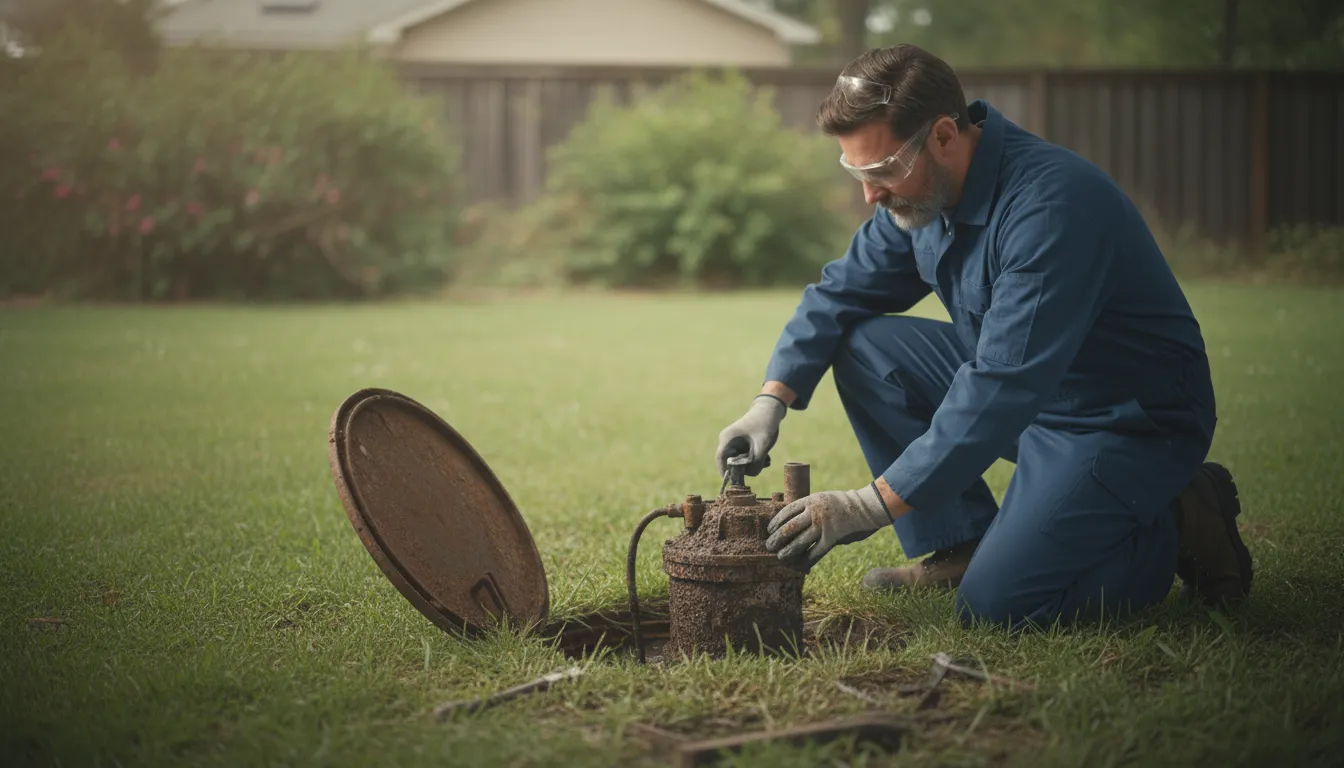
Find the Best Septic Pump Repair Companies for Your Business
No obligation • Fast responses • Nationwide coverage

Why you can trust Septic Spot
Septic Spot is a leading United States resource for understanding and comparing septic services. Our editors review providers using consistent criteria and verify key business details. Listings and scores are independent, and companies cannot pay to influence our content.
Search providers near you
Top Septic Pump Repair Companies in Parma, Ohio Ranked
A failing septic pump can bring your household to a standstill, leading to backups, unpleasant odors, and potential environmental hazards. Septic pump repair and replacement services are critical for maintaining a functional wastewater treatment system, especially in areas with challenging soil conditions. This guide provides essential information on addressing pump issues, understanding local factors, and connecting with qualified professionals in Parma to restore your system's operation.
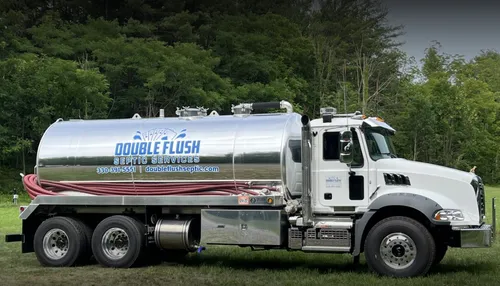
Double Flush Septic Services
2481 Remsen Rd, Medina, OH 44256
Double Flush Septic Services is a family-owned company based in Medina, OH, providing septic system installation, pumping, inspection, and repair services throughout Akron and the surrounding Northeast Ohio counties. They serve a broad area including Medina, Summit, Stark, Wayne, and Cuyahoga counties, offering expertise in maintaining and repairing septic tanks, drain fields, and aeration systems such as Norweco, Hydro-Action, and Marlow-Hunter. The company also provides emergency septic services and commercial grease trap cleaning, with capabilities like hydro jetting and drain snaking to address severe blockages. Double Flush Septic Services emphasizes local knowledge of Ohio's climate and soil conditions to support system longevity and functionality.
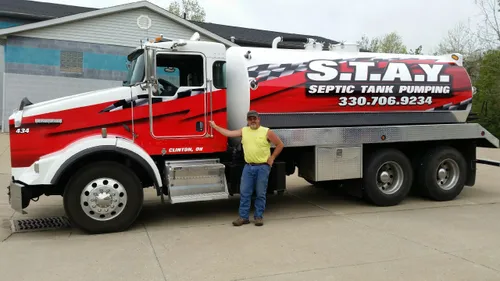
S.T.A.Y. Septic
Akron, OH
S.T.A.Y. Septic is a licensed, insured, and bonded company providing commercial and residential septic services in Akron, OH, and surrounding counties. With over 40 years of experience, they offer septic pumping, tank repair, sump pump replacement, and aeration pumping. The company operates year-round to address issues caused by seasonal weather changes and complies with Ohio state regulations for septic maintenance.
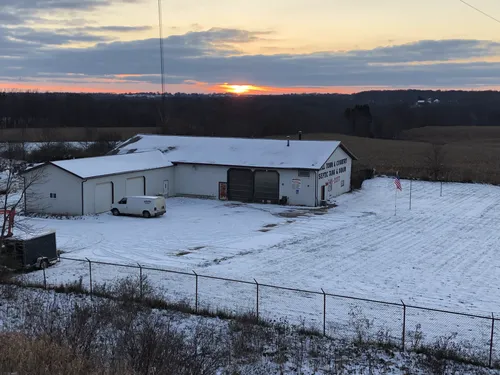
All Town & Country Septic Tank
3500 S Hametown Rd, Norton, OH 44203
All Town & Country Septic Tank is a licensed septic service provider based in Akron, OH, serving multiple counties including Summit, Wayne, Stark, Medina, and Portage. They offer septic tank pumping, inspection, repair, and installation services, along with drain field repair and septic pump replacement. The company is registered with Ohio Local Health Districts and the state EPA, ensuring compliance with strict state and local regulations. They also specialize in maintaining aerobic treatment systems and provide routine inspections to help prevent system failures. All Town & Country handles necessary permits and paperwork, supporting residential septic system operation and maintenance.
Summit Excavating
Akron, OH
Summit Excavating is a septic service company based in Akron, OH, offering a range of services including septic tank pumping, system repairs, installations, and drain field repair. The company also provides aeration unit installation and waste water pumping and disposal. Summit Excavating serves multiple counties including Medina, Portage, Summit, Stark, and Wayne, and is licensed, bonded, insured, and approved by the Ohio EPA. Founded by Marie and Jim Easterling, Sr., the company has a history of community service and expanded its offerings after 2006. They provide flexible scheduling for one-time or routine septic services and work year-round to maintain system performance.
Understanding Your Septic System's Pump
Not all septic systems use a pump. Conventional gravity-fed systems rely on slope to move effluent from the tank to the drain field. However, many homes in Northeast Ohio, including Parma, require a more complex setup. When the drain field is at a higher elevation than the septic tank, or when using advanced treatment systems like mounds or aerobic units, a septic pump (or effluent pump) is essential. This component actively moves treated wastewater from the pump chamber to the dispersal area. Recognizing the signs of pump failure-such as alarms sounding, drains gurgling, or sewage backing up into lower-level fixtures-is the first step toward a solution.
Why Parma's Soil Makes Pump Systems Critical
The single most significant factor influencing septic system design and longevity in Parma is the local soil composition. Much of Northeast Ohio, including Parma, is characterized by heavy clay soil. Clay drains very slowly, which prevents wastewater from percolating effectively through the ground in a traditional gravity system. This poor percolation can cause effluent to pool and saturate the drain field, leading to premature failure.
Because of this dense clay, many properties cannot support a conventional system. Instead, they utilize alternative systems where a pump is not just an add-on but a core component 1. For instance:
- Mound Systems: These raised, engineered drain fields use a pump to evenly pressure-dose sand and soil layers, ensuring proper treatment before water reaches the restrictive native clay 2.
- Aerobic Treatment Units (ATUs): These systems use pumps to aerate and circulate wastewater, providing a higher level of treatment that is often necessary in difficult soils.
When a pump fails in these systems, the entire wastewater treatment process halts immediately, making prompt repair or replacement urgent.
Common Septic Pump Repairs in Parma
A complete pump failure isn't the only issue that requires professional attention. Several components within the pumping system can malfunction. Common repairs for septic pumps and their related controls include:
- Pump Motor Replacement: The pump motor can burn out due to age, electrical surges, or running dry. This is often the core of a repair job.
- Float Switch Adjustment or Replacement: Float switches turn the pump on and off at the correct water levels. They can become stuck, waterlogged, or disconnected.
- Control Panel Repair: The electrical control panel manages pump operation. Faulty wiring, tripped breakers, or failed components within the panel can stop the pump from activating.
- Check Valve Replacement: This valve prevents pumped effluent from flowing back into the pump chamber. A failed check valve can cause the pump to cycle excessively and waste energy.
- Pipe and Connection Repairs: The discharge pipe leading from the pump to the drain field can crack, clog, or become disconnected.
A professional technician will diagnose the specific issue to determine whether a simple component repair or a full pump replacement is necessary.
The Process of Pump Repair or Replacement
When you contact a professional for septic pump service, you can expect a systematic process designed to correctly diagnose and resolve the problem while adhering to local regulations.
- Inspection and Diagnosis: The technician will first inspect the system. This often involves checking the control panel for alarm lights, listening for the pump, and using tools to test electrical components. They may also need to pump out the tank or pump chamber to access the equipment safely and assess the situation.
- Permitting: In Ohio, any significant alteration or repair to a sewage treatment system requires a permit from the local health district 3. A reputable contractor will handle the permit application process, ensuring the work meets Ohio Department of Health codes.
- System Preparation: The septic tank is typically pumped to remove solids and effluent, providing a safe and clean workspace to remove the old pump 4.
- Pump/Component Replacement: The faulty pump or component is removed. For a full pump replacement, a new pump of the correct horsepower and head pressure (to lift effluent to the required height) is installed, along with new seals, piping, and floats as needed.
- Testing and Final Inspection: Once installed, the new pump is tested to ensure it activates at the proper levels and discharges correctly. The technician will verify that the alarm system is operational. A final inspection by the local health department may be required for permit sign-off.
Find the perfect septic pump repair companies for your needs
Get personalized recommendations and expert advice
Repair vs. Replacement: Making the Right Choice
Facing a pump problem involves a key decision: repair the existing unit or replace it. Several factors influence this choice:
- Age of the Pump: Most septic pumps have a lifespan of 7-15 years. If your pump is near or beyond this range and fails, replacement is usually more cost-effective than investing in a repair on a unit likely to fail again soon.
- Cost of Repair vs. Replacement: As a rule, if the repair cost approaches 50% of the price of a new pump, replacement is often the better long-term value. Newer pumps are also generally more energy-efficient.
- Nature of the Failure: A simple issue like a stuck float switch is an easy repair. A burned-out motor or a cracked pump housing typically necessitates a full replacement.
- System Compatibility: If you are upgrading other system components or your water usage has increased, you might need a pump with a different capacity, making replacement the logical path.
A trustworthy professional will provide a clear assessment and recommend the most practical and economical solution for your specific situation 5.
Cost Guide for Septic Pump Services in Parma
Costs for septic services can vary based on the extent of the problem, the type of pump required, and the accessibility of the system. The following ranges are based on local service data:
- Septic Tank Pumping & Inspection: $200 - $600. This is often a prerequisite for accessing and diagnosing a pump issue.
- Pump or Control Component Replacement: $800 - $5,000. This wide range accounts for the difference between replacing a control float versus installing a new high-capacity pump and panel.
- Baffle or Riser Repair: $300 - $1,200. While not directly a pump repair, damaged tank baffles can affect system performance and are often addressed during service.
- Lateral Line or Pipe Repair: $1,500 - $8,000. A clogged or broken discharge line from the pump will prevent the system from working.
- Full System Replacement: $10,000 - $40,000+. If pump failure is a symptom of a larger system collapse-common in failed clay soil drain fields-a full replacement may be necessary 6 7.
Maintaining Your Septic Pump and System
Proactive maintenance is the best way to avoid unexpected and costly pump failures. Follow these guidelines to extend the life of your entire septic system:
- Pump the Tank Regularly: The Ohio State University Extension recommends pumping your septic tank every 3 to 5 years to prevent solids from overflowing into the pump chamber or drain field, which can clog and damage the pump 8.
- Conserve Water: Reduce heavy water usage (like long showers, laundry loads, and running dishwashers) in short periods to avoid overwhelming the pump and system.
- Divert Surface Water: Ensure roof drains, sump pumps, and yard drainage are directed away from your septic drain field. Saturated soil from runoff is a major cause of system failure, especially in clay 9.
- Protect the Area: Never drive or park vehicles over the septic tank or drain field. The weight can crush pipes, the tank, or the pump chamber. Also, avoid planting trees or deep-rooted shrubs near the system.
- Listen for Alarms: If your system has a high-water alarm, take it seriously. It is the first indication of a pump problem or system overload.
Signs You Need Immediate Professional Help
Don't ignore these red flags that indicate a septic pump or system emergency:
- Sewage backing up into household drains or toilets.
- A persistent foul odor around the tank or drain field area.
- An alarm from the septic system control panel is sounding or lit.
- Gurgling sounds in your plumbing.
- Exceptionally soggy, bright green, or spongy grass over the drain field, even in dry weather.
- The pump is running constantly or not turning on at all.
If you observe any of these signs, contact a licensed septic professional in Parma immediately to prevent further damage and potential health risks.
Frequently asked questions
Sources
Footnotes
-
How Soil Type Affects Septic System Performance - https://www.septicblueraleigh.com/how-your-soil-determines-your-septic-systems-success.html ↩
-
Mound Septic Systems - https://smartsepticpros.com/blog/mound-septic-system-vs-conventional/ ↩
-
Information for Homeowners - Ohio Department of Health - https://odh.ohio.gov/know-our-programs/sewage-treatment-systems/INFORMATION-FOR-HOMEOWNERS ↩
-
How Much Does Septic Tank Pumping and Maintenance Cost ... - https://gullettsanitation.com/2025/09/how-much-does-septic-tank-pumping-and-maintenance-cost-in-bethel-ohio/ ↩
-
Septic Repair vs Replacement in Ohio | SepTek Guide - https://www.septekservices.com/2025/05/22/the-difference-between-septic-repair-and-replacement-which-is-right-for-your-ohio-home/ ↩
-
Septic Repair vs. Replacement: A Guide to Costs & Red Flags - https://prosepticri.com/septic-repair-vs-replacement-guide/ ↩
-
Pearland Clay Soil vs Septic Systems | 40% Failure Rate - https://accurateplumbingtx.com/pearland-clay-soil-septic-system-failure/ ↩
-
Septic System Maintenance | Ohioline - https://ohioline.osu.edu/factsheet/aex-740 ↩
-
Repairing Septic Systems: A Detailed Manual - https://ky-pd.com/blog/fixing-septic-system/ ↩