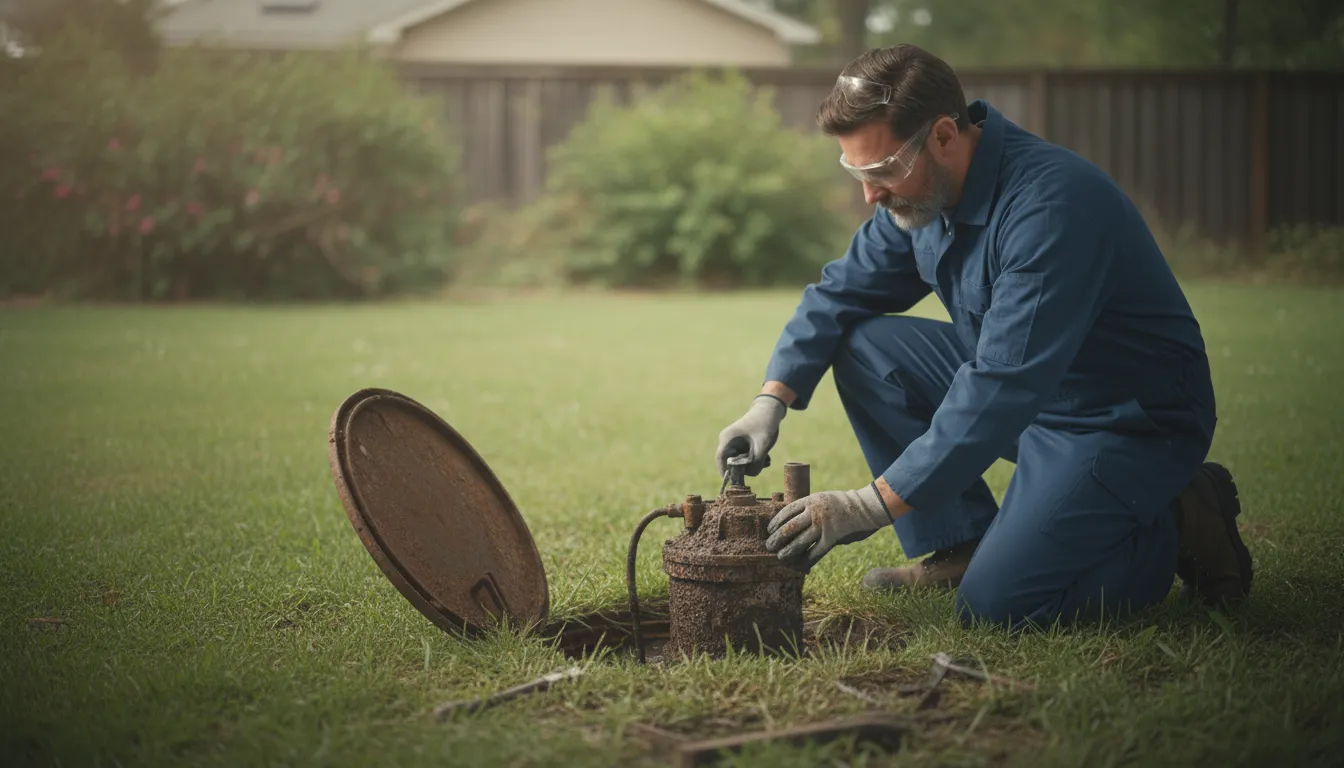
Find the Best Septic Pump Repair Companies for Your Business
No obligation • Fast responses • Nationwide coverage

Why you can trust Septic Spot
Septic Spot is a leading United States resource for understanding and comparing septic services. Our editors review providers using consistent criteria and verify key business details. Listings and scores are independent, and companies cannot pay to influence our content.
Search providers near you
Top Septic Pump Repair Companies in Strongsville, Ohio Ranked
A failing septic pump can bring your household to a standstill, leading to backups, unpleasant odors, and potential environmental issues. In Strongsville, where heavy clay soils are common, a properly functioning pump is often critical for moving effluent to the drain field. This guide helps you understand the signs of pump failure, the repair and replacement process, and how to find qualified local specialists to restore your system's operation.
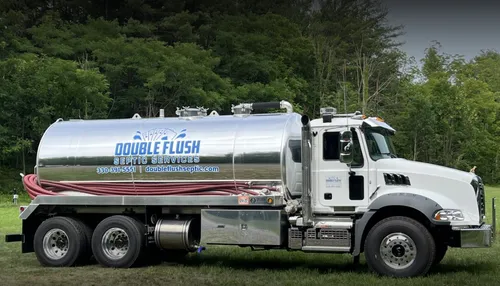
Double Flush Septic Services
2481 Remsen Rd, Medina, OH 44256
Double Flush Septic Services is a family-owned company based in Medina, OH, providing septic system installation, pumping, inspection, and repair services throughout Akron and the surrounding Northeast Ohio counties. They serve a broad area including Medina, Summit, Stark, Wayne, and Cuyahoga counties, offering expertise in maintaining and repairing septic tanks, drain fields, and aeration systems such as Norweco, Hydro-Action, and Marlow-Hunter. The company also provides emergency septic services and commercial grease trap cleaning, with capabilities like hydro jetting and drain snaking to address severe blockages. Double Flush Septic Services emphasizes local knowledge of Ohio's climate and soil conditions to support system longevity and functionality.
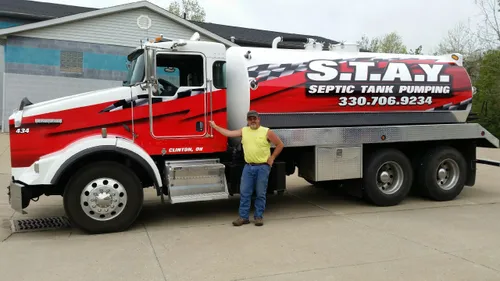
S.T.A.Y. Septic
Akron, OH
S.T.A.Y. Septic is a licensed, insured, and bonded company providing commercial and residential septic services in Akron, OH, and surrounding counties. With over 40 years of experience, they offer septic pumping, tank repair, sump pump replacement, and aeration pumping. The company operates year-round to address issues caused by seasonal weather changes and complies with Ohio state regulations for septic maintenance.
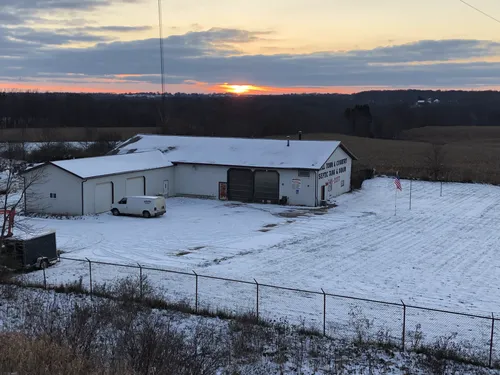
All Town & Country Septic Tank
3500 S Hametown Rd, Norton, OH 44203
All Town & Country Septic Tank is a licensed septic service provider based in Akron, OH, serving multiple counties including Summit, Wayne, Stark, Medina, and Portage. They offer septic tank pumping, inspection, repair, and installation services, along with drain field repair and septic pump replacement. The company is registered with Ohio Local Health Districts and the state EPA, ensuring compliance with strict state and local regulations. They also specialize in maintaining aerobic treatment systems and provide routine inspections to help prevent system failures. All Town & Country handles necessary permits and paperwork, supporting residential septic system operation and maintenance.
Summit Excavating
Akron, OH
Summit Excavating is a septic service company based in Akron, OH, offering a range of services including septic tank pumping, system repairs, installations, and drain field repair. The company also provides aeration unit installation and waste water pumping and disposal. Summit Excavating serves multiple counties including Medina, Portage, Summit, Stark, and Wayne, and is licensed, bonded, insured, and approved by the Ohio EPA. Founded by Marie and Jim Easterling, Sr., the company has a history of community service and expanded its offerings after 2006. They provide flexible scheduling for one-time or routine septic services and work year-round to maintain system performance.
Understanding Your Septic System's Pump
Not all septic systems have a pump. A conventional gravity-fed system relies on slope to move liquid from the tank to the drain field. However, many homes in Northeast Ohio, including those in Strongsville, require a pump due to site conditions. If your drain field is located uphill from your septic tank or if you have an engineered system like a mound or aerobic treatment unit (ATU), a submersible effluent pump is a vital component. Its job is to push treated wastewater from a pump chamber or the tank itself out to the dispersal area. When this pump fails, the entire process halts.
The Role of Clay Soil in Pump Dependency
The heavy clay soil prevalent in Strongsville and surrounding Cuyahoga County is a primary reason pumps are so essential 1. Clay has very small pores, which severely restricts the percolation, or drainage, of water. This means a standard gravity drain field often cannot absorb effluent quickly enough. To overcome this, systems are frequently designed with pumps to periodically dose a raised mound or pressurized drain field, allowing for better distribution and absorption in challenging soils 2. Consequently, a pump failure in these systems is an urgent issue that disrupts the delicate balance of wastewater treatment and dispersal.
Signs You Need Septic Pump Repair or Replacement
Recognizing early warning signs can prevent a full system backup and more costly damage. Here are the most common indicators of pump trouble:
- Alarm Sounds: Most pumped systems have a high-water alarm, typically a buzzer or light on a control panel. This alarm activates when the water level in the pump tank rises too high, signaling that the pump is not turning on or cannot keep up.
- Slow Drains and Backups: If toilets flush slowly, showers drain sluggishly, or you experience backups in the lowest drains in your home (like a basement floor drain), it could point to a pump not evacuating the tank.
- Soggy Ground or Unusual Odors: Puddles or persistently soggy soil around the septic tank or pump chamber, especially accompanied by sewage odors, indicate that effluent is not being pumped to the drain field and is surfacing.
- Silent Pump: If you hear your pump running continuously or not at all when it should cycle, it's a clear sign of a mechanical or electrical problem.
- Frequent Need for Pumping: If you find yourself needing to pump your tank more often than the typical 3-5 years, it may be because the pump is not moving effluent out, causing the tank to fill with liquid too quickly.
The Repair vs. Replacement Decision
When faced with a pump issue, a professional will diagnose whether a repair or a full replacement is necessary. This decision depends on the root cause of the failure.
When Repair is Possible:
- Electrical Issues: A tripped circuit breaker, blown fuse, or faulty connection in the control panel or float switch. These are often the simplest and least expensive fixes.
- Clogged Pump or Impeller: The pump intake or impeller can become clogged with debris, rags, or excessive solids. A professional can often clean or clear the obstruction.
- Failed Float Switch: The float switch acts like a thermostat, telling the pump when to turn on and off. Replacing a stuck or broken float switch is a common repair.
- Worn Pump Seal or Bearings: With age, mechanical parts wear out. A specialist can sometimes replace these components if the pump housing is still in good condition.
When Replacement is Inevitable:
- Burnout or Mechanical Failure: If the pump motor has burned out due to age, overheating, or electrical surge, replacement is usually more cost-effective than repair.
- Corroded or Damaged Housing: Submersible pumps sit in wastewater, which can corrode the housing over time. A cracked or heavily corroded pump must be replaced.
- Under-Sized Pump: If your pump is constantly struggling or failing because it's not powerful enough for your household's volume or the system's design, upgrading to a correctly sized model is necessary.
- Associated System Failure: Sometimes, the pump failure is a symptom of a larger problem, like a saturated or failing drain field 3. If the pump is working but has nowhere to send the water, simply replacing it won't solve the issue. A full system assessment is critical.
Find the perfect septic pump repair companies for your needs
Get personalized recommendations and expert advice
The Professional Service Process: From Diagnosis to Completion
Addressing a septic pump issue is not a DIY project. It requires licensed professionals who understand local codes and system engineering. Here's what you can expect when you hire a specialist in Strongsville:
- System Inspection & Diagnosis: A technician will first inspect the system. This includes checking the control panel for power, listening for pump operation, and using tools to manually test the pump and float switches. They may also check the tank and drain field to ensure the pump failure isn't secondary to another problem 4.
- Obtaining Permits: For any significant repair or replacement, the contractor will typically pull the necessary permits from the Cuyahoga County Board of Health or the local health district. This ensures the work meets Ohio Department of Health regulations 5.
- Pump Removal & Replacement: For a pump replacement, the old pump is disconnected and removed from the wet well or chamber. The new, correctly sized pump is installed, along with new check valves and piping as needed. All electrical connections are sealed and secured.
- System Testing & Site Restoration: After installation, the technician will test the new pump through several cycles to ensure it activates at the correct levels and shuts off properly. The area is then backfilled, and the site is graded to ensure surface water drains away from the system components 6.
Cost Factors for Septic Pump Services in Strongsville
Costs can vary widely based on the complexity of the job, the type of pump required, and the accessibility of the tank. The heavy clay soils in the area can also make excavation more labor-intensive.
- Pump or Control Panel Replacement: Replacing a standard submersible effluent pump and/or its control panel typically ranges from $800 to $5,000. The final price depends on the pump's horsepower, brand, and whether it's a simple swap or requires new wiring and conduit.
- Associated Repairs: While addressing the pump, other common repairs might be needed, such as replacing corroded baffles or adding risers for easier future access, which can cost $300 to $1,200.
- Tank Pumping: It is almost always recommended to pump the tank during a pump repair or replacement to allow safe access and remove solids. This service generally adds $200 to $600 to the total bill 7.
- Full System Replacement: If the diagnosis reveals that the tank or drain field has failed, a complete system replacement will be required. In Strongsville's soil conditions, this often means installing an engineered mound or advanced treatment system, with costs frequently starting above $10,000 and reaching $40,000 or more8 9.
Maintaining Your Septic Pump
Protect your investment in a new pump with proper care:
- Conserve Water: Spread out laundry loads and fix leaky fixtures to avoid overwhelming the pump with rapid, large-volume flows.
- Mind What You Flush: Never flush wipes, feminine hygiene products, grease, or chemicals. These can clog the pump impeller or damage the motor.
- Protect the Drain Field: Keep vehicles, patios, and pools off the drain field area. Divect roof and yard runoff away from it.
- Schedule Regular Inspections: Have a professional inspect your entire system, including the pump and electrical components, every 1-3 years.
Finding Local Septic Pump Specialists
For services in the Strongsville area, look for licensed, insured contractors with experience in local soil conditions. Providers familiar with the region understand the specific challenges posed by clay and the common system types used, such as aerobic treatment units and mound systems 10 11 12. Always verify their licensing with the Ohio Department of Health and check for positive reviews from local customers.
Frequently asked questions
Sources
Footnotes
-
Septic Repair vs. Replacement: What's Best for Your System ↩
-
Step-by-Step Guide to Septic System Installation & Replacement ↩
-
How Much Does Septic Tank Pumping and Maintenance Cost in ... ↩
-
Septic Repair vs. Replacement: A Guide to Costs & Red Flags ↩
-
Buying Land? Essential Guide to Septic System Installation ↩
-
Septic System Repairs and Modifications in Strongsville, OH ↩
-
Reliable Septic Tank Pumping Strongsville Ohio | A&P Septic ↩
-
Top septic tank pumping in Strongsville, OH | Septic Tank Cleaning ... ↩