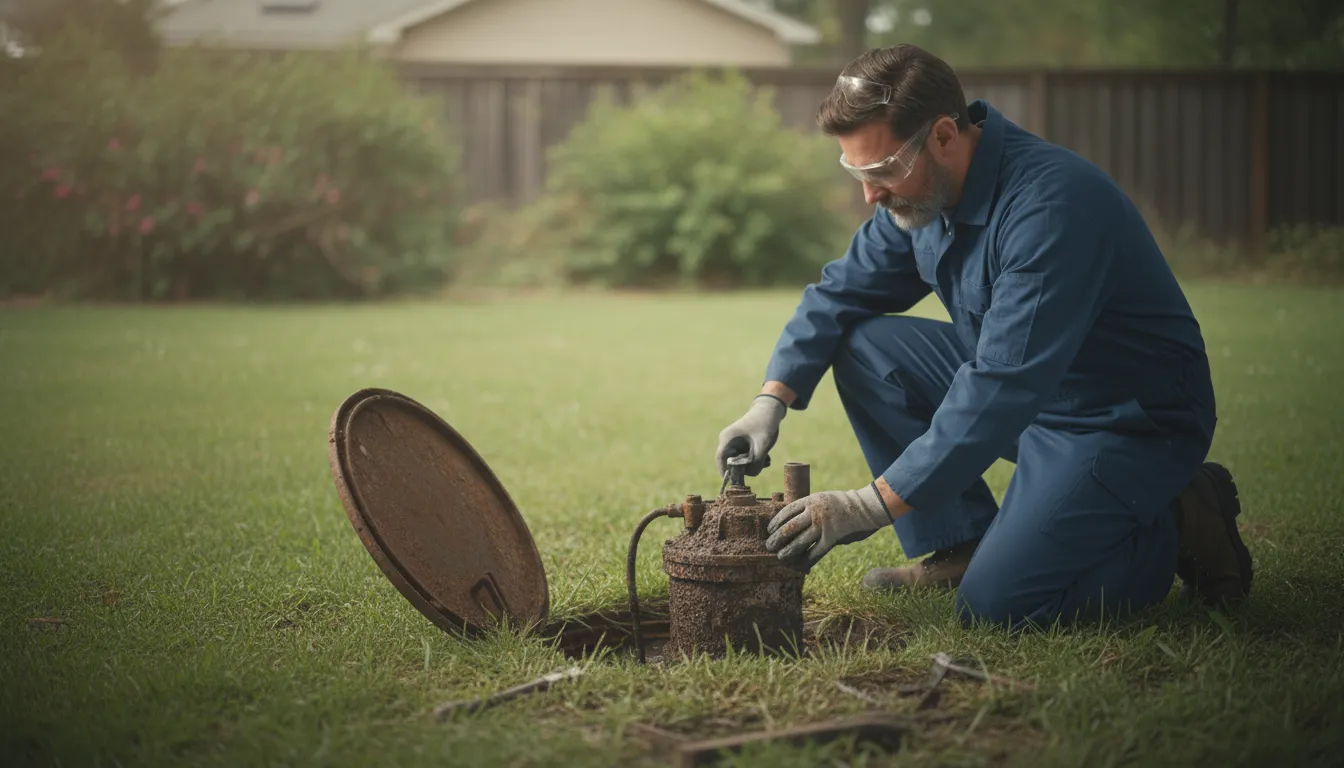
Find the Best Septic Pump Repair Companies for Your Business
No obligation • Fast responses • Nationwide coverage

Why you can trust Septic Spot
Septic Spot is a leading United States resource for understanding and comparing septic services. Our editors review providers using consistent criteria and verify key business details. Listings and scores are independent, and companies cannot pay to influence our content.
Search providers near you
Best Septic Pump Repair Companies in Oregon Ranked
A failing septic pump can lead to sewage backups, property damage, and environmental contamination. In Oregon, repairing or replacing a septic pump is a regulated process that must be handled by licensed professionals to protect public health and water quality. This guide explains the types of systems, the repair process, state regulations, and how to find qualified local specialists to ensure your system functions properly for years to come.
West Side Drain and Septic
Hillsboro, OR
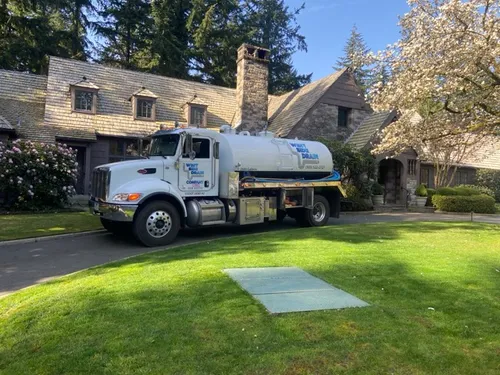
West Side Drain and Septic is a septic tank pumping, inspection, repair, and pump replacement company serving Hillsboro, OR, and the greater Portland Metro Area. With over 16 years of experience, they provide comprehensive septic system services including 24-hour drain cleaning and emergency repairs. Their fully equipped trucks and trained technicians handle a wide range of septic and drain issues, ensuring thorough diagnosis and effective solutions. The company is family owned, licensed, and insured, with a focus on clear communication and quality workmanship.
West Side Drain and Septic
9460 SW Tigard St STE 102 A, Tigard, OR 97223
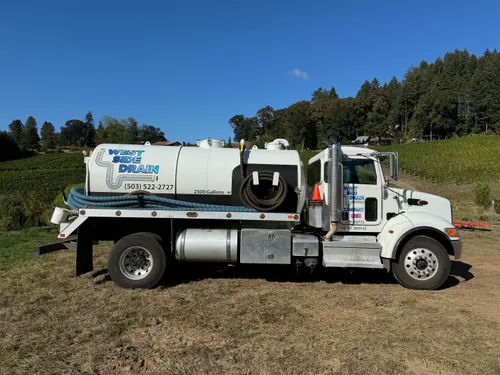
West Side Drain and Septic is a septic tank pumping, inspection, and repair company serving Portland, OR, and the surrounding metro area. They provide comprehensive septic system services including maintenance, repairs, and emergency drain cleaning. The company is equipped with fully stocked service vehicles and uses advanced tools like cameras and drain scrubbing equipment to diagnose and resolve issues efficiently. With over 16 years of experience, West Side Drain and Septic offers 24-hour service to address urgent plumbing and septic needs.
American On Site
Portland, OR
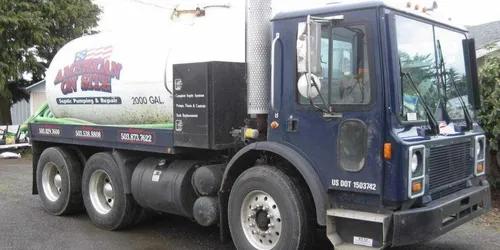
American On Site is a full-service septic provider based in Portland, OR, serving residential, commercial, and civil clients. They offer a wide range of septic services including inspections, pumping, installation, maintenance, and repairs such as drain field replacement and septic pump servicing. The company is experienced in handling all aspects of septic systems, using quality components to ensure proper function and longevity. Since 2003, American On Site has been serving the greater Willamette Valley area, providing expertise in septic system installation and maintenance. They cover multiple counties in Oregon and focus on delivering comprehensive septic solutions to their customers.
Understanding Your Oregon Septic System
Before addressing pump issues, it's crucial to know what type of system you have. The repair approach and regulations can vary significantly between system designs.
- Gravity Systems: The most common traditional system, it relies on gravity to move effluent from the tank to the drainfield. These systems do not have pumps, so if you're experiencing issues, the problem may be a clog or drainfield failure, not a pump 1.
- Pressure Distribution Systems: Often used in areas with poor soil conditions, high water tables, or sloping lots, these systems use a pump (typically a septic tank effluent pump, or STEP) to evenly distribute treated liquid from the tank to the drainfield lines.
- Alternative Treatment Technologies (ATT): Also known as Advanced Treatment Systems, these are required in environmentally sensitive areas or on small lots. They treat wastewater to a higher standard before disposal and almost always include pumps as a critical component 2 3.
- Septic Tank Effluent Pump (STEP) Systems: A specific type of pressure system where a pump is housed in a separate chamber or directly in the septic tank to move effluent.
Signs You Need Pump Repair or Replacement
Ignoring warning signs can lead to complete system failure and costly environmental clean-up. Be alert for these indicators:
- Alarms Sounding: Most pumped systems have a high-water alarm. If it activates, the pump may have failed, a float switch is stuck, or there is a blockage.
- Damp Spots or Sewage Odors: Puddles, overly lush grass, or foul smells in your yard near the tank or drainfield can signal that effluent is not being pumped to the drainfield and is surfacing.
- Slow Drains or Backups: Gurgling toilets, slow-draining sinks, or sewage backing up into the home can indicate a pump failure in a pressure system or a blockage.
- Unusual Pump Behavior: Hearing the pump run continuously or not at all are clear signs of a malfunction.
The Professional Repair & Replacement Process in Oregon
All septic work in Oregon must be performed by a professional licensed by the Department of Environmental Quality (DEQ). Here is the standard process they will follow:
- Inspection & Diagnosis: A licensed professional will first inspect the system. This involves checking the electrical control panel, testing the pump and float switches, and assessing the tank and drainfield to confirm the pump is the root cause.
- Permitting: In Oregon, most septic pump repairs or replacements are considered "minor alterations" and require a permit from your local county health department or the DEQ. The professional you hire will typically pull this permit on your behalf. Major work, like replacing the drainfield, requires a more extensive "major alteration" permit.
- Repair or Replacement: Once the issue is diagnosed and permitted, the technician will proceed. This may involve:
- Clearing a jammed float switch or replacing faulty wiring.
- Removing the old pump, cleaning the pump chamber, and installing a new, DEQ-approved pump unit.
- Replacing associated components like check valves or alarm systems.
- Final Inspection & Performance Test: After the work is complete, the system must be inspected and pass a performance test to receive a final permit to operate, ensuring it meets all state standards for watertightness and proper function 4.
Find the perfect septic pump repair companies for your needs
Get personalized recommendations and expert advice
Oregon Regulations and Requirements
Oregon has strict rules governing onsite septic systems under OAR 340-73. Understanding these can help you ensure work is done correctly.
- DEQ Oversight: The Oregon DEQ sets the standards for all system design, construction, alteration, and maintenance 5.
- Licensing Mandate: Any individual or company that installs, repairs, pumps, or inspects septic systems must hold the appropriate DEQ license. Always verify a provider's license before hiring them 6 7.
- System Standards: Tanks must be watertight and made of approved materials like concrete or fiberglass. Pump chambers must be properly constructed, and all pressurized systems require a high-water alarm and a approved backflow prevention device on the inlet 8 9.
- Permit Compliance: Never skip the permitting process. Unpermitted work can result in fines, complicate property sales, and may not be covered by insurance if it fails.
Cost Considerations for Pump Work
The cost to repair or replace a septic pump in Oregon varies based on system type, pump model, and the extent of the problem.
- Pump Repair/Replacement: This is often the most common need for pressure systems. Homeowners can expect costs to generally range from $450 to over $1,400, depending on the pump's horsepower, brand, and the complexity of access to the tank.
- Minor Component Repair: Fixing a stuck float switch, replacing a control panel, or clearing a line blockage may cost between $200 and $500 10.
- Major System Repairs: If pump failure has caused drainfield saturation or other damage, costs can rise significantly. Drainfield repair or replacement can range from $3,000 to $10,000 or more 11 12.
- Financial Assistance: Oregon recognizes the burden of major repairs. Some counties, like Lincoln County, offer low-interest loan programs or grants for eligible low- to middle-income homeowners facing necessary septic system repair or replacement. Check with your local county health department for available programs.
Maintaining Your System to Avoid Future Repairs
Proactive maintenance is the most cost-effective strategy. For systems with pumps, this includes:
- Regular Pumping: Have the solid waste in your septic tank pumped every 3-5 years by a licensed pumper to prevent solids from clogging the pump or drainfield.
- Annual Inspections: Especially for ATUs and pressure systems, an annual inspection by a professional can catch small issues before they become major failures 13.
- Protect the Drainfield: Never drive or park over the drainfield, and plant only grass over it. Keep roof drains, sump pumps, and other surface water away from the area.
- Mind What You Flush: Only human waste and toilet paper should go down the drain. Avoid chemicals, grease, wipes (even "flushable" ones), and excessive use of garbage disposals 14.
Finding Qualified Local Professionals
When you need service, choosing the right professional is critical. Look for a company that:
- Holds a current Oregon DEQ License for installation, repair, and/or pumping.
- Has experience with your specific system type (e.g., ATT, STEP).
- Provides clear, written estimates and handles the permitting process.
- Has positive local references and reviews.
- Offers emergency services for urgent situations like alarms or backups.
Frequently asked questions
Sources
Footnotes
-
Types of Septic Systems - https://www.septicconnection.com/types-of-septic-systems ↩
-
The Essential Guide to Septic Systems in Central Oregon - https://www.blacksagedirtworks.com/blog/central-oregon-septic-system-guide ↩
-
Choose A Septic Tank System | Residential Septic, Advanced Treatment & Pumping - https://www.orenco.com/applications/residential/choose-a-system ↩
-
Residential Septic Permitting - Oregon.gov - https://www.oregon.gov/deq/residential/pages/residentialseptic.aspx ↩
-
About Septic Systems : Residential Resources - Oregon.gov - https://www.oregon.gov/deq/residential/pages/onsite-about.aspx ↩
-
Onsite Sewage Disposal Program (Septic) - Marion County - https://www.co.marion.or.us/PW/BuildingInspection/Pages/onsite.aspx ↩
-
Oregon Septic System Requirements - Greenbar Excavation - https://greenbarexcavation.com/oregon-septic-system-requirements/ ↩
-
DEQ Guidelines for Design of Septic Tank Effluent Pump or Gravity ( ... - https://www.oregon.gov/deq/FilterRulemakingDocs/div52-designseptic.pdf ↩
-
OAR 340, Division 73 - Construction Standards - https://secure.sos.state.or.us/oard/displayDivisionRules.action?selectedDivision=1481 ↩
-
Septic System Repair & Replacement - https://conservationdistrict.org/septic-system-repair-replacement ↩
-
Septic Repair and Replacement | Lincoln County, OR - https://www.co.lincoln.or.us/1093/Septic-Repair-and-Replacement ↩
-
How Much Does It Cost to Replace a Septic System? - https://alphaenvironmental.net/blog/how-much-cost-replace-septic-system/ ↩
-
Onsite/Septic | Deschutes County Oregon - https://www.deschutes.org/cd/page/onsiteseptic ↩
-
SEPTIC SYSTEM MAINTENANCE - Springfield Oregon - https://springfield-or.gov/wp-content/uploads/2025/02/Septic_Brochure_20250219_Web.pdf ↩