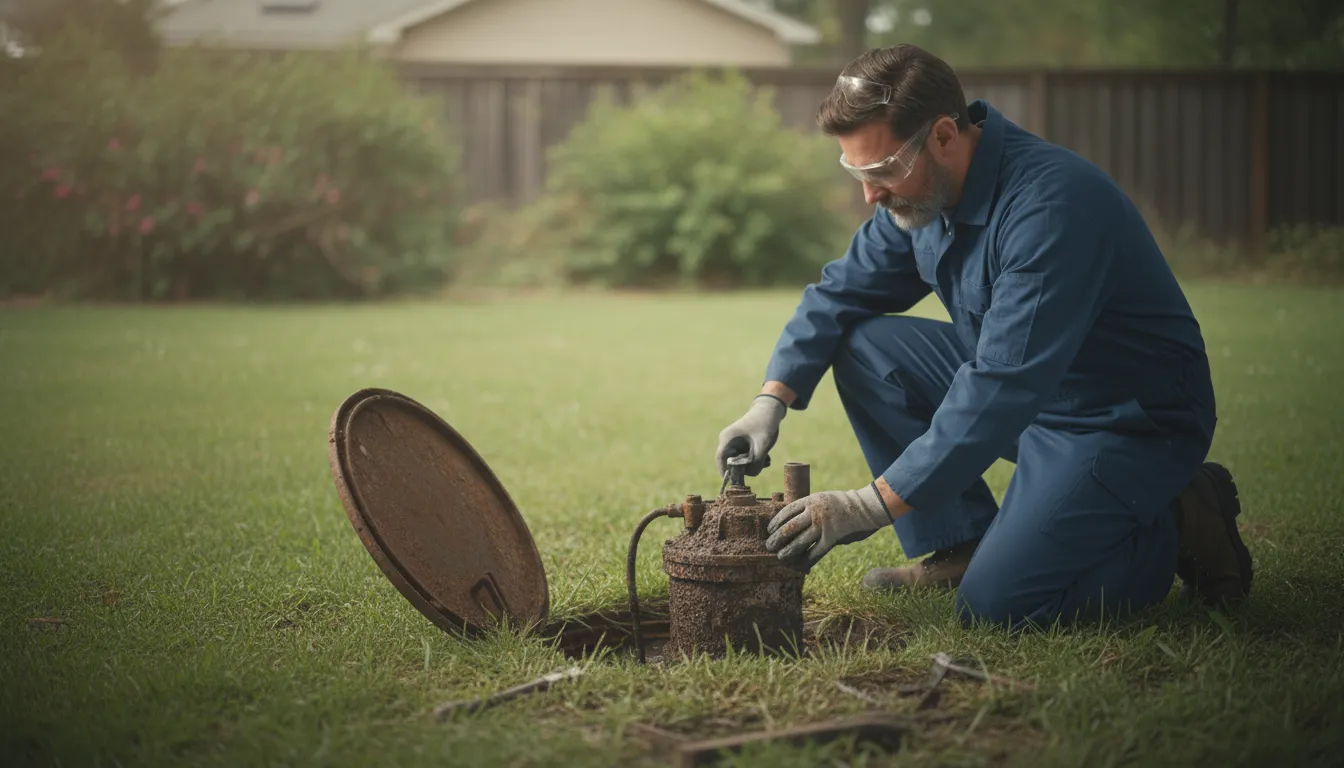
Find the Best Septic Pump Repair Companies for Your Business
No obligation • Fast responses • Nationwide coverage

Why you can trust Septic Spot
Septic Spot is a leading United States resource for understanding and comparing septic services. Our editors review providers using consistent criteria and verify key business details. Listings and scores are independent, and companies cannot pay to influence our content.
Search providers near you
Best Septic Pump Repair Companies in Pennsylvania Ranked
A failing septic pump can bring your household to a standstill, leading to backups, odors, and potential environmental hazards. In Pennsylvania, where diverse soil conditions and regulations govern on-site wastewater systems, understanding your pump system and knowing how to address problems is essential for rural and suburban homeowners. This guide explains the types of septic pumps used in the state, common repair and replacement scenarios, the critical role of local permits, and how to connect with qualified professionals who can diagnose and fix issues efficiently.

Revelation Plumbing
120 Seville Ave, Pittsburgh, PA 15214
Revelation Plumbing is a family-owned plumbing company serving Pittsburgh, PA, and surrounding areas. They specialize in septic tank inspection, repair, and installation, as well as drain field repair and septic pump services. The company is known for its expertise in trenchless sewer lining, allowing repairs without extensive excavation. Revelation Plumbing holds NASSCO certification and offers emergency plumbing services, including same-day response for urgent issues. Their team is licensed and insured, providing professional solutions tailored to local plumbing needs.
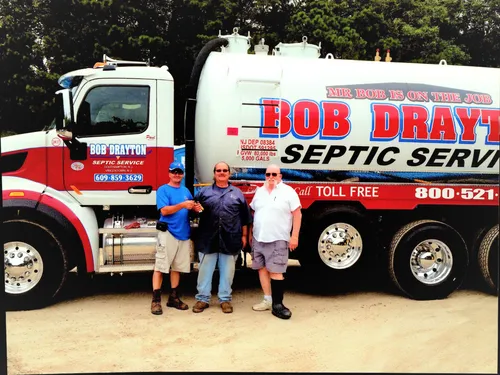
Bob Drayton Inc
151 Big Hill Rd, Southampton Township, NJ 08088
Bob Drayton Inc is a septic system repair and portable toilet rental company serving Philadelphia, PA, and nearby areas. Established in 1955, the company offers septic pump repair, power snaking, and jetting services along with roll-off container rentals for various projects and events. With over six decades of experience, Bob Drayton Inc provides 24-hour emergency septic services to meet urgent needs.
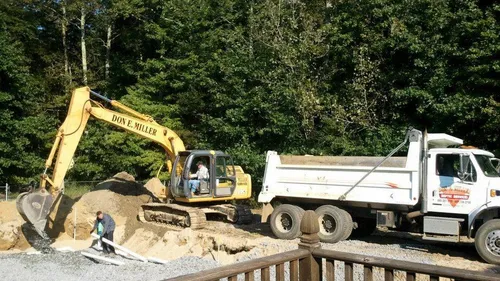
Don E Miller Septic Service Inc & Donny's Potty's
362 Meany Rd, North Hanover, NJ 08562
Don E Miller Septic Service Inc & Donny's Potty's is a family-owned septic service provider based near Philadelphia, PA. They offer a wide range of septic system services including pumping, inspections, repairs, and installations, as well as portable toilet rentals for residential, commercial, and municipal customers. The company has been serving the North Hanover Township area and surroundings since 1963, providing expertise in maintaining and installing various septic system components such as dosing pumps, grease traps, and effluent filters.

Decker Septic
29 Constitution Dr, Vincentown, NJ 08088
Decker Septic is a septic system service provider based near Philadelphia, PA. They offer a range of services including septic tank pumping, inspections, repairs, installations, and drain field replacement. The company is experienced in handling septic pump repairs and replacements, as well as managing system components like collars and manhole covers to prevent flooding issues. Customers have noted their thorough approach to septic system replacement and maintenance, including assistance with engineering and county approvals. Decker Septic is known for working within tight timelines and maintaining property condition during their work.
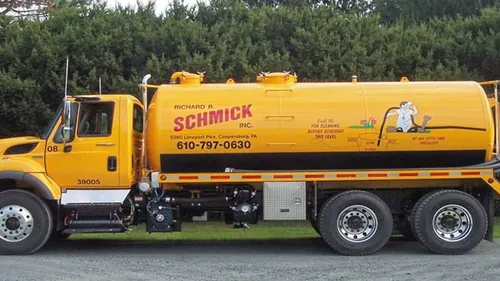
Richard R. Schmick Inc.
Allentown, PA
Richard R. Schmick Inc. provides septic tank pumping, septic system repair, and septic pump repair services in Allentown, PA. With over three generations of experience, they offer complete septic services for both residential and commercial clients. The company is recognized by the Pennsylvania Department of Environmental Protection as an approved septic hauler, highlighting their capability in septic tank cleaning and grease trap cleaning.
Understanding Your Pennsylvania Septic Pump System
Not all septic systems in Pennsylvania use a pump. Conventional gravity systems rely on natural slope to move effluent from the tank to the drainfield. However, many properties require a pump due to site constraints. The type of pump system you have dictates its maintenance and repair needs.
- Conventional Gravity Systems: These do not have a pump in the drainfield line. Wastewater flows by gravity from the home to the septic tank and then out to the drainfield. Maintenance focuses on the tank itself.
- Pressure-Dosed Systems: These systems use a submersible pump, typically housed in a separate chamber after the septic tank (a pump tank or dosing chamber). The pump activates periodically to push a controlled volume of effluent evenly throughout the drainfield pipes, improving distribution and efficiency 1.
- Mound Systems: Used in areas with high groundwater, shallow bedrock, or poor soil permeability, mound systems are elevated sand filters. They require a pump to push effluent from the pump tank up into the constructed mound 2.
- Aerobic Treatment Units (ATUs): These advanced systems use an electric pump to aerate the wastewater, enhancing treatment. They involve more mechanical components that may need servicing.
Recognizing which system you have is the first step in troubleshooting problems. Pump-dependent systems (pressure-dosed, mound, ATU) will have an electrical control panel, usually located in your basement, garage, or on a post near the tank lids.
Common Signs of Pump Failure or Trouble
Ignoring early warnings can lead to complete system failure, sewage backups into your home, or contamination of your property. Be alert for these signs:
- Audible Alarm: Most pump systems have a high-water alarm (a buzzer or light on the control panel). If this alarm is sounding, it means the water level in the pump tank is too high, indicating the pump is not activating or cannot keep up.
- Slow Drains and Backups: If drains throughout your home are gurgling or draining very slowly, or if toilets are backing up, it could signal a pump failure preventing effluent from leaving the tank.
- Sewage Odors: Unusual smells indoors near drains or outdoors near the septic tank/drainfield area can indicate a blockage or pump failure causing improper wastewater flow.
- Surfacing Water or Soggy Ground: Puddles or overly lush, green grass over the drainfield or near the tank can mean untreated effluent is surfacing because it's not being pumped into the drainfield properly.
- Constantly Running Pump or No Pump Activity: Hearing the pump run continuously or not hearing it activate at all during typical water use are clear signs of a malfunction.
If you experience any of these issues, it's time to contact a licensed professional for an inspection. Avoid pouring chemicals down the drain in an attempt to fix the problem, as this can damage the system further.
The Repair Process: From Diagnosis to Fix
When a technician arrives to address a pump issue, they will follow a systematic process to diagnose and resolve the problem.
- Inspection & Diagnosis: The technician will first check the electrical control panel for tripped breakers, blown fuses, or fault indicators. They will then often use a probe to manually test the pump's operation and check the float switches-the devices that tell the pump when to turn on and off.
- Common Repairs:
- Float Switch Replacement: This is one of the most frequent repairs. Float switches can become waterlogged, stuck, or fail electrically. Replacing one or more switches is a common fix.
- Electrical Repairs: Corroded wiring, faulty connections, or a damaged control box can prevent the pump from receiving power. Technicians will repair or replace these components.
- Pump Cleaning/Unclogging: Sometimes, the pump impeller can become clogged with debris or grease, preventing it from moving water. The pump may be cleaned or cleared if possible.
- Pump Replacement: If the submersible pump itself has failed (e.g., burned out motor, cracked housing), it will need to be replaced. This involves safely removing the old pump from the chamber, cleaning the chamber, and installing a new pump that matches the system's required flow rate and head pressure (lift height).
Repair costs in Pennsylvania often range from $500 to $1,000 for common fixes like float switch replacements or electrical work, while a full pump replacement typically costs between $800 and $2,000 or more, depending on the pump's specifications and the difficulty of access 3 4.
Find the perfect septic pump repair companies for your needs
Get personalized recommendations and expert advice
When Replacement Becomes Necessary: The Full System Scenario
Sometimes, the issue extends beyond the pump to the entire septic system. A failing drainfield, a compromised tank, or changes in household size may necessitate a full system replacement, which is a major undertaking regulated by Pennsylvania law.
- Signs of System Failure: These include persistent surfacing sewage, soggy drainfields even after pump repair, and sewage backing up into the house despite a functioning pump. A professional evaluation, often including a soil percolation test, is needed to confirm 5.
- The Role of Act 537 and the SEO: Pennsylvania's Sewage Facilities Act (Act 537) mandates that any new installation, major repair, or alteration of a septic system requires a permit from the municipal Sewage Enforcement Officer (SEO). You cannot legally replace your system without this local permit. The SEO will review your site plan, soil test results, and system design.
- Site Evaluation and Design: A replacement system must be designed for your specific property. This involves a percolation test to determine soil absorption rates and sizing the system based on the number of bedrooms in your home, as per state standards. The design must be approved by the SEO.
- Replacement Costs: This is a significant investment. In Pennsylvania, the cost for a complete septic system replacement can range widely from $5,000 to over $30,000, with an average often cited around $8,000 to $15,000 6. Factors include the system type (mound systems are more expensive than conventional), soil conditions, local labor rates, and permitting fees.
Pennsylvania Regulations and Permitting You Must Know
Navigating local regulations is non-negotiable for septic work. Here's what Pennsylvania homeowners need to understand:
- Sewage Enforcement Officer (SEO): This is your local municipal official responsible for administering Act 537. They issue permits, conduct inspections during installation, and ensure systems comply with state standards. Always check with your township or borough office before planning any significant septic work 7.
- Permit Requirements: A permit is required for new installations, replacements, repairs that alter the system's size or location, and sometimes for adding bedrooms to a home 8 9. Even a pump replacement in a dedicated chamber usually requires a permit, as it involves opening the system.
- Contractor Licensing: While Pennsylvania does not have a statewide license specifically for septic installers, they must be registered with the state. More importantly, they must work under the permit obtained by the homeowner or themselves, and their work must pass inspection by the local SEO 10. Always hire experienced, insured professionals familiar with your municipality's specific requirements.
Proactive Maintenance to Avoid Costly Repairs
The best way to deal with septic pump problems is to prevent them. A consistent maintenance routine can extend the life of your pump and entire system by years.
- Regular Pumping: Have your septic tank pumped every 3 to 5 years by a licensed pumper. This prevents solids from overflowing into the pump chamber or drainfield, which is a common cause of pump clogs and failures 11 12 13. The average cost for this service in PA is $250 to $500 14.
- Annual Inspections: Consider having a professional inspect your system, including the pump and electrical components, annually. They can test the pump's operation, check float switches, and identify minor issues before they become emergencies.
- Mind What You Flush: Protect your pump and system by avoiding flushing anything other than human waste and toilet paper. Never pour grease, chemicals, or medications down the drain. Avoid using a garbage disposal excessively, as it adds solids to the tank 15.
- Protect the Drainfield: Do not park vehicles or place heavy structures over the drainfield. Direct roof drains and surface water away from the area to prevent saturation.
By understanding your system, recognizing warning signs, following state and local rules, and committing to regular maintenance, you can ensure your Pennsylvania septic system operates reliably for years to come.
Frequently asked questions
Sources
Footnotes
-
Get to Know How Your Residential Septic System Works - https://www.birosseptic.com/blog/get-to-know-how-your-residential-septic-system-works/ ↩
-
Septic Pump Systems & Types | Berks Plumbing Specialist - https://berksplumbingspecialist.net/blog/what-is-a-septic-pump-system-and-the-different-types-you-should-know ↩
-
Septic Pump Repair Service Lancaster PA | John Kline - https://www.johnklineseptic.com/residential/pump-repairs ↩
-
Cost of Septic Maintenance | Annual Expenses Explained | Blog - https://www.blueribbonseptic.com/blog/cost-of-septic-maintenance ↩
-
Pennsylvania & New York Septic Installation & Replacement - https://www.wrenvironmental.com/nepa-catskills-region/residential/septic-system-installation/ ↩
-
How Much Does a Septic System Cost? Your Complete 2025 ... - https://www.centralpennseptic.com/how-much-does-a-septic-system-cost-your-complete-2025-guide/ ↩
-
Septic Systems | Department of Environmental Protection | Commonwealth of Pennsylvania - https://www.pa.gov/agencies/dep/residents/my-water/septic-systems ↩
-
Pennsylvania Septic System Guide: Costs, Regulations, and ... - https://findaseptic.com/blog/pennsylvania-septic-system-guide ↩
-
ACT 537: UNDERSTANDING SEPTIC SYSTEMS - GreenPort - https://greenport.pa.gov/elibrary/PDFProvider.ashx?action=PDFStream&docID=5303&chksum=&revision=3&docName=ACT+537%3A+UNDERSTANDING+SEPTIC+SYSTEMS&nativeExt=pdf&PromptToSave=False&Size=210363&ViewerMode=2&overlay=0 ↩
-
Pennsylvania Septic License & Certification | 2024 Contractor Guide - https://www.servicetitan.com/licensing/septic/pennsylvania ↩
-
SEPTIC SYSTEMS 101 | PASEO - https://pa-seo.org/septic-systems-101/ ↩
-
Septic System Basics - Penn State Extension - https://extension.psu.edu/septic-system-basics ↩
-
Residential Septic Pumping Central PA | John Kline - https://www.johnklineseptic.com/residential/septic-pumping ↩
-
How to Maintain Your Septic System - https://www.asepticmedic.com/post/what-to-expect-for-septic-maintenance ↩
-
Septic Maintenance Berks County: Expert Care & Cost Guide - https://thomasbechtoldteam.com/blog/septic-system-care-for-rural-homes-in-berks-county ↩