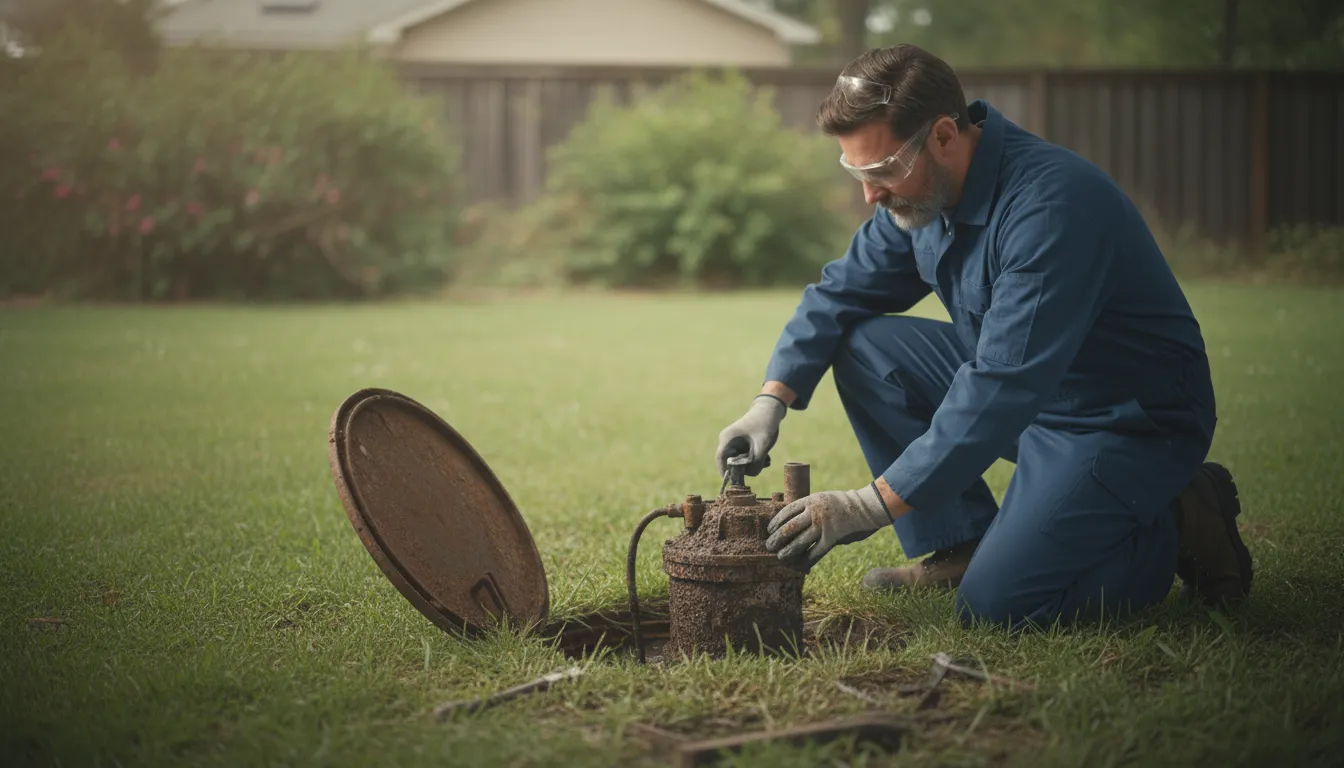
Find the Best Septic Pump Repair Companies for Your Business
No obligation • Fast responses • Nationwide coverage

Why you can trust Septic Spot
Septic Spot is a leading United States resource for understanding and comparing septic services. Our editors review providers using consistent criteria and verify key business details. Listings and scores are independent, and companies cannot pay to influence our content.
Search providers near you
Top Septic Pump Repair Companies in Cleveland, Tennessee Ranked
A failing septic pump can quickly turn into a serious problem, leading to sewage backups, foul odors, and potential environmental contamination. In Tennessee, where diverse soil conditions and topography often require specialized pump-assisted systems, addressing pump issues promptly and correctly is crucial. This guide provides clear, practical information to help you understand your system, navigate state and local regulations, and connect with the licensed professionals you need for reliable septic pump service and system repairs.
Poop Dudes
2715 Forest Rd, Chattanooga, TN 37406
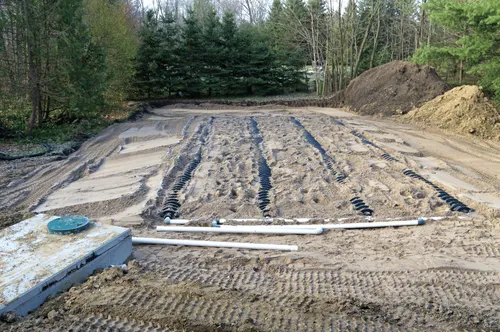
Poop Dudes is a family-owned septic service company based in Chattanooga, TN, serving the greater Chattanooga area and north Georgia. With over 20 years of experience, they provide a full range of septic services including tank pumping, inspections, repairs, and installations. Their licensed technicians handle various septic systems such as standard, low pressure pipe, mound, and drip systems. Poop Dudes also offers 24-hour emergency septic services to address urgent needs promptly.
Flush Fellas Septic and Excavating - Chattanooga
Chattanooga, TN
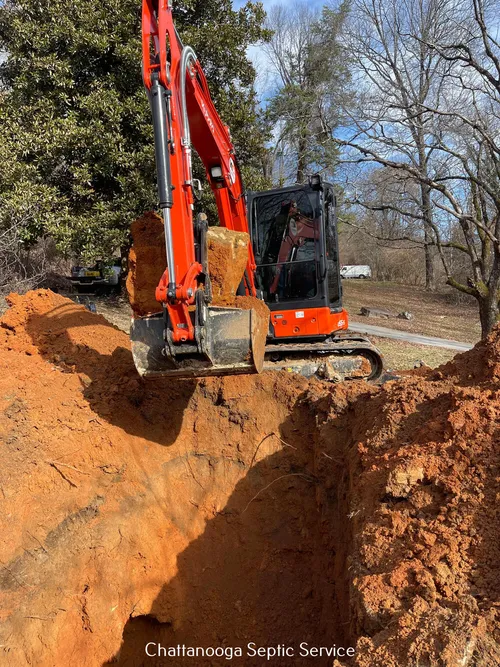
Flush Fellas Septic and Excavating - Chattanooga is a veteran-owned septic service company based in Chattanooga, TN. They provide residential and commercial septic tank pumping, installation, inspection, and repair services, including drain field repair and septic pump replacement. The company uses video scoping technology to diagnose septic issues and offers detailed post-service reports with maintenance recommendations. Licensed in Tennessee and Georgia, Flush Fellas serves the Chattanooga area and North Georgia metro region. They also provide 24/7 emergency septic services for urgent repairs and pump issues.
Rapid Rooter Septic Services
Chattanooga, TN
Rapid Rooter Septic Services is a family-owned company serving Chattanooga, TN, and north Georgia with over 20 years of experience in septic system services. They offer a wide range of services including septic tank pumping, inspections, repairs, installations, and drain field repairs. The company is licensed to work on all types of septic systems in Tennessee and provides 24-hour emergency service for urgent septic needs. Their team is skilled in handling everything from routine maintenance to complex repairs and new system installations.
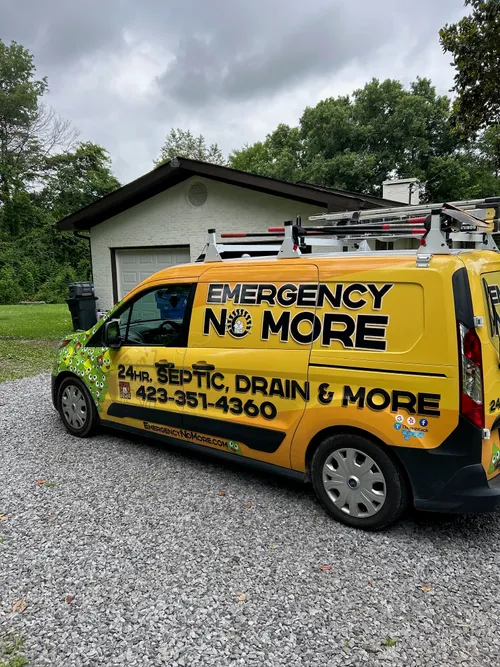
Emergency No More 24hr. Septic, Drain & More
1501 S Lee Hwy, Cleveland, TN 37311
Emergency No More 24hr. Septic, Drain & More is a septic system repair and installation company serving Chattanooga, TN and nearby areas. They provide 24/7 emergency septic services, including septic tank repair, pump repair and maintenance, drain repair, and water heater services. The company uses state-of-the-art equipment and proven techniques to address septic system emergencies and ensure reliable system performance. They also offer whole house repiping services to support plumbing system longevity.
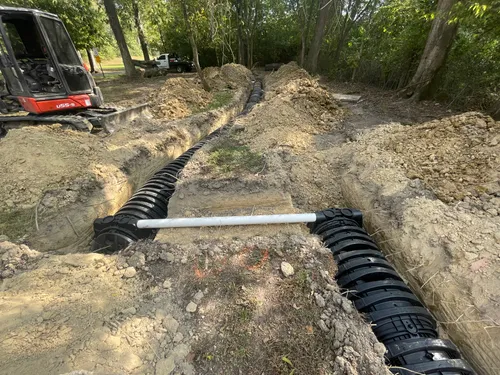
Flush Fellas Septic and Excavating
5538 US-41, Ringgold, GA 30736
Flush Fellas Septic and Excavating is a veteran-owned septic service company based in Chattanooga, TN. They provide residential and commercial septic tank pumping, installation, repair, and inspection services. Their team uses video scoping to diagnose issues and offers detailed reports and maintenance schedules after service. Flush Fellas serves the Chattanooga area and North Georgia metro region, handling complex septic problems with certified technicians and licensed operations in Tennessee and Georgia. They offer 24/7 emergency septic pump and repair services to address urgent needs promptly.
Understanding Your Tennessee Septic System
Not all septic systems are created equal. The type of system you have determines whether a pump is a component and influences the complexity of any repair or replacement. Most homes in Tennessee use one of the following designs:
- Conventional Gravity System: This is the most common and simple design. It relies on natural slope to move wastewater from the tank to the drain field. These systems do not have a pump, so if you're experiencing issues, the problem lies elsewhere in the tank or drain field.
- Pump-Assisted Systems (Low-Pressure Pipe - LPP): In areas with shallow soil, high bedrock, or a high water table, a gravity system won't work. An LPP system uses a pump (often called a dosing pump) to periodically push treated effluent from the tank into a network of small-diameter pipes in the drain field 1. This is a common alternative system in Tennessee.
- STEP Systems (Septic Tank Effluent Pumping): Used in some communities and developments, a STEP system includes a sealed septic tank and a grinder pump that sends all effluent under pressure to a centralized treatment area. These are often managed by a local utility, like in parts of Hamilton County 2.
If your home is on a hillside, in a low-lying area, or has soil that doesn't percolate well, you likely have a system that depends on a pump. Knowing your system type is the first step in diagnosing any problem.
Signs Your Septic Pump Needs Attention
Ignoring early warning signs can lead to complete pump failure, sewage backups into your home, and costly environmental damage. Be alert for these symptoms:
- Alarms Sounding: Most pump systems have a high-water alarm (audible and/or visual) that activates when the pump fails and the tank level rises. Treat this as an urgent warning.
- Slow Drains and Backups: If toilets, showers, and sinks are draining slowly or backing up, especially in the lowest fixtures in your home, it could indicate a pump failure.
- Sewage Odors: Unpleasant smells around the drain field or even inside your home can signal that effluent is not being pumped away and is pooling near the surface.
- Unusually Green or Soggy Drain Field: A failing pump can overload the drain field, causing grass to grow excessively green or creating soggy, spongy areas.
- Electrical Issues: A tripped circuit breaker for the pump circuit or a non-functioning control panel are clear indicators of an electrical problem with the pump system.
The Professional Diagnosis and Repair Process
When you suspect a pump issue, the correct course of action is to call a licensed professional. Here's what a proper service call should entail:
- Inspection and Diagnosis: A certified technician will first check the electrical components-the circuit breaker, control panel, and float switches that activate the pump. They will then determine if the pump itself has failed or if there is a blockage or other issue.
- Pump Testing: The pump may be pulled and tested to verify its function. Sometimes, the problem is a stuck float switch or a clogged impeller, which can be repaired.
- Repair or Replacement Recommendation: Based on the diagnosis, the professional will advise on the necessary repairs. This could range from replacing a float switch to installing a completely new pump.
- Permitting: In Tennessee, a permit from the Tennessee Department of Environment & Conservation (TDEC) is required for installing, modifying, or repairing most septic system components, including pumps. Your licensed professional should handle this permitting process. Fees vary; while some minor repairs may not require a permit fee, permits for new alternative system components can be around $400-$500.
Find the perfect septic pump repair companies for your needs
Get personalized recommendations and expert advice
Tennessee Regulations and Licensing: What You Must Know
State law is designed to protect public health and groundwater. Adhering to these rules is not optional.
- Hire Licensed Professionals: Only state-certified installers and pumpers are legally authorized to perform septic pump repair and replacement work in Tennessee. Always verify a contractor's TDEC certification.
- Permits Are Mandatory: As noted, you cannot legally replace a septic pump without the proper permit from TDEC. Unpermitted work can result in fines, invalidate your home insurance, and create problems when selling your property.
- County-Level Oversight: Several populous counties have additional local health department or environmental agency requirements. Counties like Knox, Davidson, Hamilton, and Shelby often have their own permitting and inspection processes that run in parallel with state rules 3. Your local professional will know these layered requirements.
Understanding the Costs Involved
The cost to address a septic pump problem in Tennessee can vary widely based on the repair's complexity, your system type, and local county fees.
- Professional Diagnosis/Service Call: Typically ranges from $200 to $500.
- Pump Repair: Fixing a float switch or clearing a blockage may cost a few hundred dollars.
- Pump Replacement: The cost for a new pump, including labor for excavation and installation, often ranges from $1,000 to $3,000 or more. Complex systems or those requiring significant digging will be on the higher end.
- Permit Fees: State permit fees for repairs can range from no cost for minor fixes to $500 for new alternative system components 4. Always budget for the permit.
- Related Maintenance: Remember, a well-maintained system prevents pump failure. The average cost to pump a septic tank in Tennessee is about $370 (typically $290-$480) 5. This should be done every 3-5 years to prevent solids from clogging the pump 6.
Choosing the Right Service Provider in Tennessee
Selecting a qualified professional is your most important decision. Here's how to choose wisely:
- Verify State Certification: Ask for their TDEC Certification number and confirm it on the state's active installers and pumpers list 7.
- Check Local Experience: Ensure they have specific experience with the types of systems common in your region of Tennessee (e.g., LPP systems in areas with poor soil).
- Ask About Permitting: A reputable provider will automatically discuss the permitting process, include permit fees in their estimate, and pull the permit on your behalf.
- Get Detailed Estimates: Obtain written estimates from 2-3 companies. The estimate should detail labor, parts (including pump model), permit fees, and any excavation costs.
- Check References and Insurance: Ask for local references and verify they carry both liability and worker's compensation insurance.
Maintaining Your System Post-Repair
After a repair or replacement, protect your investment with proper care:
- Follow the Maintenance Schedule: Adhere to the pumping schedule recommended by your professional (usually every 3-5 years).
- Conserve Water: Spread out laundry loads and fix leaky faucets to avoid hydraulically overloading the system and burning out the pump.
- Mind What You Flush: Never flush anything besides human waste and toilet paper. Avoid grease, chemicals, wipes, and feminine hygiene products.
- Protect the Drain Field: Never drive or park over the drain field, and keep rainwater drainage systems directed away from it.
- Keep Records: Maintain a file with all permits, inspection reports, and repair receipts. This is invaluable for future service and property transactions.
Frequently asked questions
Sources
Footnotes
-
Homeowner's Guide to Septic Systems - Lebanon, TN - https://www.lebanontn.org/DocumentCenter/View/273/Detailed-Septic-Information-PDF ↩
-
STEP Owner Guidelines (PDF) - Hamilton County WWTA, TN - https://wwta.hamiltontn.gov/DocumentCenter/View/728/STEP-Owner-Guidelines-PDF ↩
-
Septic System Installation - Rocky Top Septic Service, llc - https://rockytopseptic.com/service/septic-system-installation/ ↩
-
Septic System Construction Permit - TN.gov - https://www.tn.gov/environment/permit-permits/water-permits1/septic-systems-permits/ssp/permit-water-septic-system-construction-permit.html ↩
-
Septic Pumping Cost by State: 2024 Complete Price Guide - https://wastedoor.com/article/septic-pumping-cost-by-state ↩
-
Septic System Information - JonesboroughTN.org - https://www.jonesboroughtn.org/wp-content/uploads/Septic_System_Information.pdf ↩
-
Licensed Septic System Installers & Septic Tank Pumpers - TN.gov - https://www.tn.gov/environment/permit-permits/water-permits1/septic-systems-permits/ssp/wr-sds-active-installers-pumpers.html ↩