Find the Best Septic Pump Repair Companies for Your Business
No obligation • Fast responses • Nationwide coverage

Why you can trust Septic Spot
Septic Spot is a leading United States resource for understanding and comparing septic services. Our editors review providers using consistent criteria and verify key business details. Listings and scores are independent, and companies cannot pay to influence our content.
Search providers near you
Best Septic Pump Repair Companies in Utah Ranked
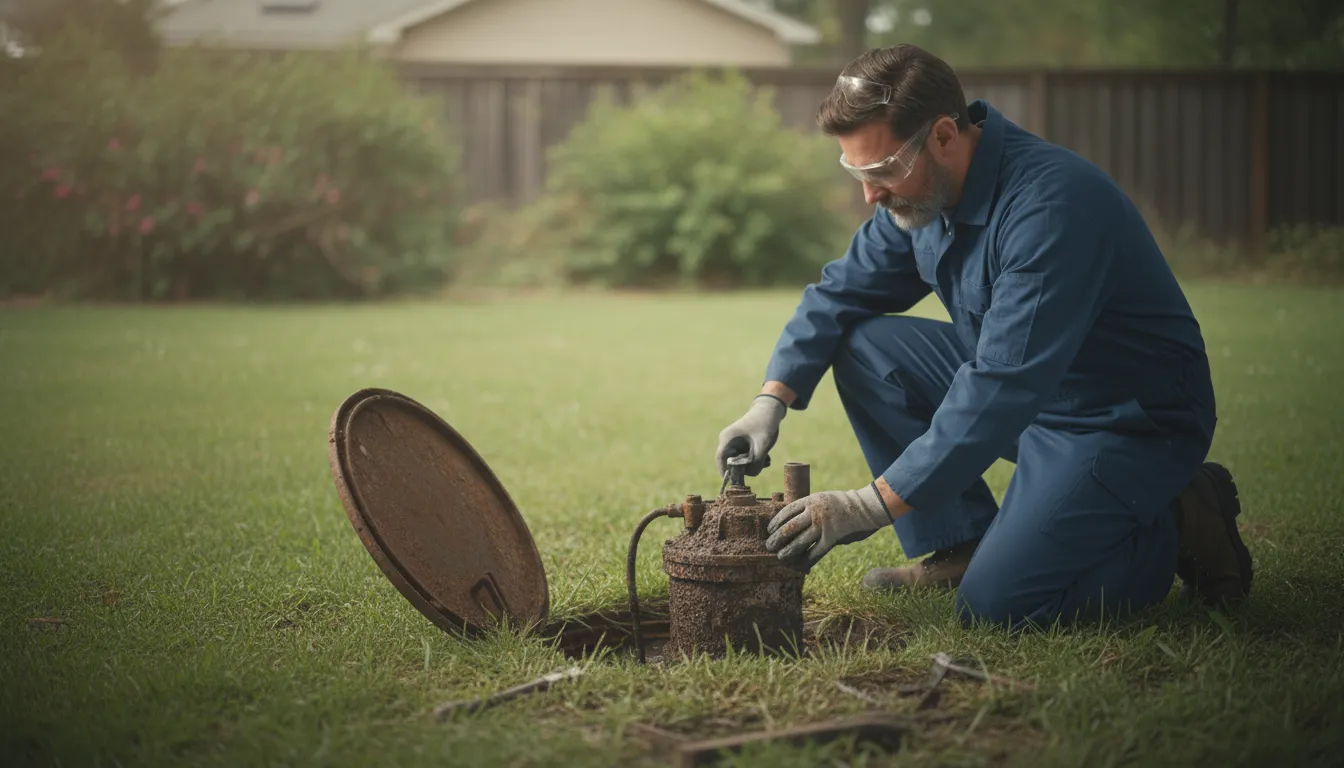
A failing septic pump or component can disrupt your home's wastewater system, leading to backups, odors, and potential environmental issues. Septic pump repair and replacement services are critical for maintaining a safe, functional onsite wastewater system. This guide explains the common systems in Utah, outlines the repair process, and provides cost insights to help you connect with qualified local professionals for your specific needs.
Common Septic System Types in Utah
Understanding the type of system you have is the first step in diagnosing a problem. Utah homes typically use one of three main types of onsite wastewater systems, each with unique components and maintenance needs.
- Conventional (Gravity-Fed) Systems: This is the most common type, especially in areas with suitable soil. Wastewater flows by gravity from the house to the septic tank, where solids settle. The liquid effluent then flows into a network of underground perforated pipes (the drainfield) where it percolates into the soil for final treatment. Repairs often involve the tank, baffles, or the drainfield.
- Aerobic Treatment Units (ATUs): These systems use an electric pump to inject oxygen into a treatment chamber, accelerating the breakdown of waste with aerobic bacteria. They are often used where soil conditions are poor or lot sizes are small. ATUs have more mechanical components, including pumps, aerators, and alarms, which may require more frequent repair or replacement.
- Mound Systems: When high groundwater, bedrock, or shallow soil prevents a conventional drainfield, a mound system is used. Effluent is pumped from the septic tank to a raised, constructed sand and gravel drainfield. These systems rely heavily on pumps and specialized distribution networks, making pump repair a common service need 1.
Signs You Need Septic Pump or System Repair
Recognizing early warning signs can prevent minor issues from becoming major, costly failures. If you notice any of the following, it's time to contact a professional for an inspection.
- Slow Drains and Sewage Backups: Gurgling pipes, slow-draining sinks/showers, or sewage backing up into toilets are classic signs of a system blockage or failure.
- Foul Odors: Persistent sewage smells around the yard, especially near the tank or drainfield area, indicate a leak or that the system is not processing waste properly.
- Unusually Green or Soggy Lawn: A drainfield that is failing to absorb effluent will cause the grass above it to become lush and green, or the area may be persistently wet and spongy, even during dry weather.
- Alarm Activation: Aerobic and mound systems have alarms that sound when the pump fails or the water level in the tank is too high. An alarm is a direct signal that immediate service is required.
The Professional Repair & Replacement Process
When you hire a licensed Utah professional, they will typically follow a structured process to diagnose and resolve your septic issue.
- Comprehensive Assessment: The technician will discuss the symptoms with you and inspect the property for visible signs of trouble, like wet spots or odors. They will also locate and access the tank and distribution components.
- System Inspection: This involves pumping the tank to inspect its interior for cracks, checking inlet and outlet baffles for integrity, testing the pump and float switches (if present), and evaluating the drainfield's absorption capacity. For systems with pumps, electrical components and alarm systems are tested 2.
- Diagnosis & Recommendation: Based on the inspection, the professional will explain the problem, whether it's a simple component failure or a sign of broader system failure. They will outline your repair and replacement options.
- Permitting & Repair Work: Most significant repairs and all new installations in Utah require a permit from your local health department. Your service provider will often handle this process. Once approved, they will complete the necessary repairs, which could range from swapping a pump to excavating and replacing a drainfield line.
- Final Inspection & Compliance: After repairs, the work may need to be inspected by the local health authority to ensure it meets state and local regulations regarding setbacks, tank integrity, and proper drainage to protect groundwater.
Find the perfect septic pump repair companies for your needs
Get personalized recommendations and expert advice
Common Repairs and Associated Costs in Utah
Septic service costs in Utah vary widely based on the system type, the extent of the damage, and your location. Emergency services can add a significant premium, often 50-100% to standard repair costs 3. The following are general price ranges for common services 4.
- Pumping and Inspection: $200-$600. This routine service is not a repair but is essential for diagnosing problems and preventing system failure.
- Minor Component Repair: $300-$1,200. This includes replacing cracked or deteriorated tank baffles, repairing or adding risers for easier access, or fixing a damaged pipe leading from the house to the tank.
- Pump or Control System Repair/Replacement: $800-$5,000+. This is a common repair for aerobic and mound systems. Costs depend on pump horsepower, brand, and whether it's a simple replacement or requires new wiring, controls, or alarm panels.
- Partial Drainfield Repair: $3,000-$15,000. If only one section of the drainfield has failed, it may be possible to repair or replace that portion. This involves excavation and new gravel and piping.
- Full System Replacement: $10,000-$40,000+. When the tank is structurally failed or the entire drainfield is saturated, a full replacement is necessary. This is a major excavation and construction project requiring new permits, a tank, and an entirely new drainfield or alternative system.
Utah Regulations and the Importance of Licensing
Septic system work in Utah is regulated to protect public health and the environment. All installations and most repairs require a permit from your local health department 5. It is crucial to hire a licensed professional for several reasons:
- Regulatory Knowledge: Licensed providers understand the specific county and state codes regarding system design, setbacks from wells and property lines, and approved repair methods 6.
- Permit Acquisition: They can efficiently navigate the permit application process, saving you time and ensuring the work is documented and legal.
- Quality and Compliance: Their work is more likely to pass final inspections, ensuring your system operates safely and effectively for years to come. Using an unlicensed individual can result in failed inspections, fines, and work that must be redone.
Maintaining Your System to Avoid Major Repairs
Proactive maintenance is the most cost-effective strategy. For conventional systems, have the tank pumped and inspected every 3-5 years. For aerobic systems with pumps, annual inspections are recommended. Always conserve water, avoid flushing non-biodegradable items, and never pour grease or harsh chemicals down the drain. Directing roof and surface water away from your drainfield also prolongs its life 7 8.
Frequently asked questions
Sources
Footnotes
-
Septic Systems and Onsite Wastewater Treatment in Utah - https://regalserviceteam.com/blog/septic-systems-and-onsite-wastewater-treatment-in-utah/ ↩
-
Septic Tank Replacement Explained: Costs, Lifespan, And What To ... - https://www.theseptictankman.com/blog/septic-tank-replacement-explained-costs-lifespan-and-what-to-expect ↩
-
Septic Pumping Cost by State: 2024 Complete Price Guide - https://wastedoor.com/article/septic-pumping-cost-by-state ↩
-
Septic Repair vs. Replacement: A Guide to Costs & Red Flags - https://prosepticri.com/septic-repair-vs-replacement-guide/ ↩
-
Septic Service in Utah: Inspections, Repair & Installation - https://utah-trenchless.com/septic-service ↩
-
Repairing Septic Systems: A Detailed Manual - https://ky-pd.com/blog/fixing-septic-system/ ↩
-
Homeowners Guide to Septic Systems Brochure - Alpine, UT - https://www.alpineut.gov/DocumentCenter/View/136/Private-Septic-System-Care-PDF ↩
-
Septic Systems: Lifespan, Maintenance & Cost - Regal Service Team - https://regalserviceteam.com/blog/septic-systems/ ↩