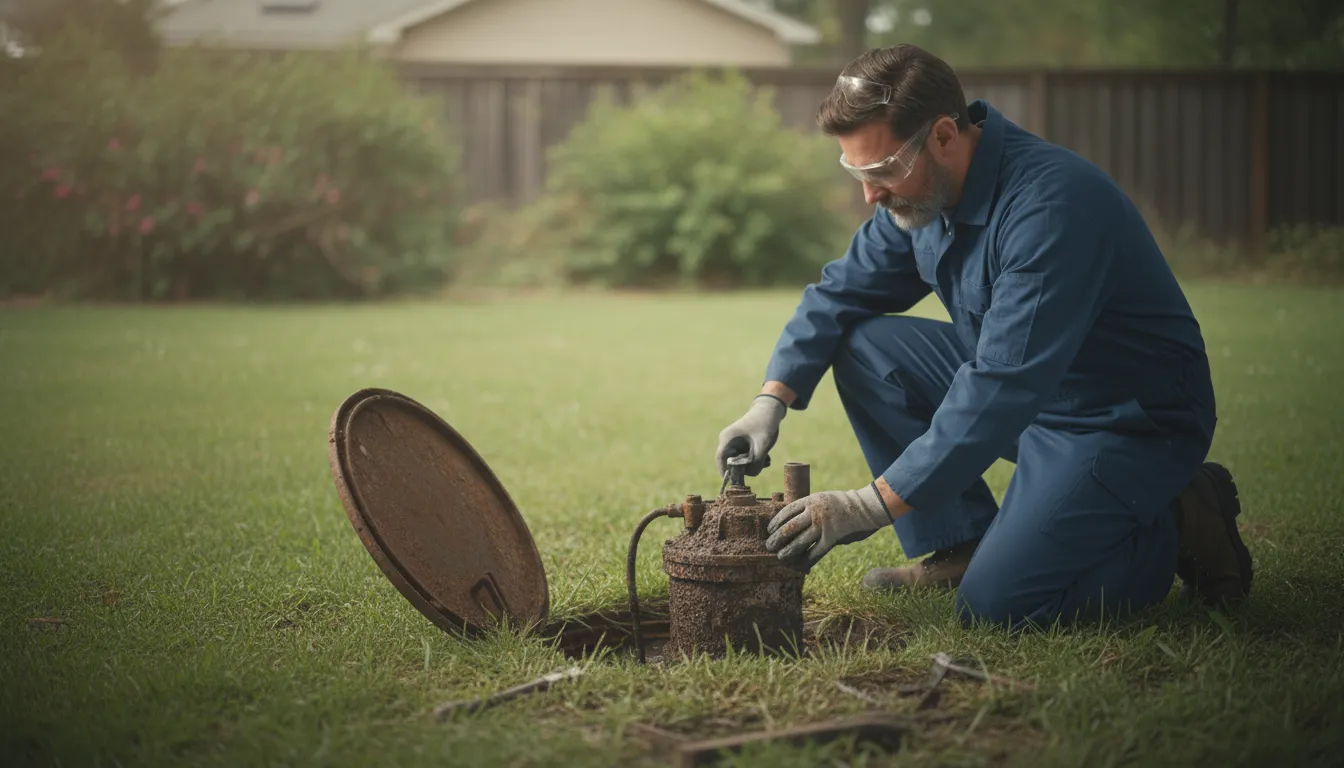
Find the Best Septic Pump Repair Companies for Your Business
No obligation • Fast responses • Nationwide coverage

Why you can trust Septic Spot
Septic Spot is a leading United States resource for understanding and comparing septic services. Our editors review providers using consistent criteria and verify key business details. Listings and scores are independent, and companies cannot pay to influence our content.
Search providers near you
Best Septic Pump Repair Companies in Virginia Ranked
A failing septic pump can quickly turn into a messy, stressful, and expensive emergency. In Virginia, where diverse soil conditions and regulations govern onsite sewage systems, understanding your repair and replacement options is crucial for protecting your property and investment. This guide provides clear, practical information on septic pump services, common system types, state requirements, and associated costs to help you make informed decisions and connect with qualified local professionals.
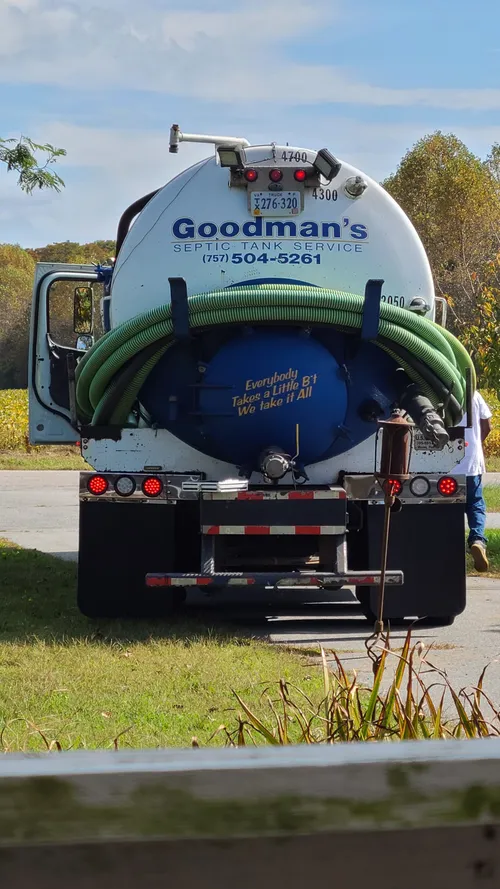
Goodman's Septic Tank Svc
Virginia Beach, VA
Goodman's Septic Tank Svc is a family-owned company serving Virginia Beach, VA, and nearby areas since 2010. They provide septic tank cleaning, pumping, and repair services for both residential and commercial clients. Their offerings include septic tank and grease trap cleaning, pump service and repairs, as well as plumbing sewer and drain cleaning. The company is equipped to handle a range of maintenance needs and offers 24-hour septic service for urgent situations.
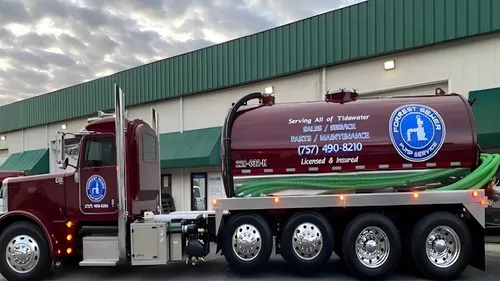
Forrest Sewer Pump Service
553 S Birdneck Rd Suite 218, Virginia Beach, VA 23451
Forrest Sewer Pump Service is a locally owned business serving Virginia Beach, VA, and the Hampton Roads area. With over 30 years of experience, they provide sewer pump repair, pump station maintenance, grease trap cleaning, and emergency pumping services for both commercial and residential clients. Their licensed technicians and electricians handle a range of tasks including line jetting, electrical component repairs, and control panel installation. Forrest Sewer Pump Service is certified as Onsite Sewage System Installers and Operators, ensuring professional and knowledgeable service across the region.
Understanding Your Septic System Type in Virginia
The first step in addressing a pump issue is knowing what kind of system you have. Virginia homes use several types of onsite sewage systems, each with different components and maintenance needs.
- Conventional Gravity Systems: These are the most common type where suitable soil exists. They rely entirely on gravity to move effluent from the tank to the drain field, so they do not contain a pump. If you have a gravity system but are experiencing backups, the issue is likely with the tank or drain field, not a pump.
- Pump Tank Systems (Pump-Assisted): These systems include a pump tank with a sewage effluent pump. The pump is necessary to move effluent uphill to a drain field located at a higher elevation than the tank or to a pressurized distribution system. This is the most common type of system requiring pump repair.
- Alternative Onsite Sewage Systems (AOSS): Used in areas with high groundwater, poor soil, or small lots, AOSS are more complex. They often include pumps as part of advanced treatment processes like drip irrigation, trickling filters, or sequencing batch reactors 1. These systems have the strictest regulatory requirements.
- Engineered Systems: These are custom-designed systems for challenging sites and often incorporate pumps and advanced treatment. They represent the most complex and costly category.
Signs You Need Septic Pump Repair or Replacement
Ignoring early warning signs can lead to complete system failure, property damage, and health hazards. Be alert for these indicators:
- Alarm Sounds: A high-water alarm (often a buzzer or light on a control panel) is the most direct sign that the pump is not working or the water level in the pump tank is too high.
- Slow Drains or Backups: Gurgling toilets, slow-draining sinks, or sewage backing up into household drains can signal a pump failure.
- Soggy Ground or Odors: Unusually lush, soggy grass or foul odors near the septic tank or drain field indicate that effluent is not being properly pumped and is surfacing.
- Electrical Issues: A tripped circuit breaker on the pump's dedicated circuit or a control panel with no lights could point to an electrical fault in the pump or its components.
The Repair and Replacement Process: What to Expect
When you contact a licensed professional for service, they will typically follow a structured process to diagnose and resolve the issue.
- Inspection & Diagnosis: The technician will first check the control panel for error codes or power. They will then inspect the pump, float switches (which tell the pump when to turn on and off), and all electrical connections. In some cases, a camera inspection may be used to check for blockages in the lines leading to or from the pump.
- Pump Repair vs. Replacement: If the issue is a stuck float switch or a faulty control panel component, a repair may be possible. However, submersible septic pumps that have burned out or failed mechanically are almost always replaced. The old pump assembly is pulled from the tank, and a new one is installed.
- Alarm System Check: A critical part of the service is ensuring the high-water alarm is functional. This alarm is your primary warning before a backup occurs, so its repair is essential 2.
- Cleaning & Maintenance: During a pump service, it's an excellent opportunity for routine maintenance. The technician will often clean the pump's filter or screen and may recommend a full tank pumping if it's been 3-5 years (or sooner for AOSS) 3 4.
Find the perfect septic pump repair companies for your needs
Get personalized recommendations and expert advice
Virginia Regulations and Legal Requirements
Virginia law mandates that septic system work be performed by licensed professionals. Understanding these rules is not just about compliance-it protects your property value and public health.
- Licensing is Mandatory: All repairs, installations, and inspections must be conducted by a professional licensed by the Virginia Department of Health (VDH). Always verify a provider's license before hiring.
- Permits are Required: Most repairs, and all replacements, require a permit from your local VDH environmental health office 5 6. Your licensed professional should handle this permitting process.
- Strict AOSS Rules: Homes with an Alternative Onsite Sewage System (installed after July 1, 2009) have specific, non-negotiable responsibilities 7:
- The system must be operated under a contract with a licensed operator.
- It must be inspected at least annually.
- A deed disclosure must be recorded with the county, noting the presence of an AOSS.
- Annual maintenance reports must be submitted to the local health department.
- Certification for Repairs: If your system is being repaired, the work must bring it up to current VDH standards, or the system must be certified as adequate by a licensed professional.
Cost Guide for Septic Pump Services in Virginia
Costs can vary widely based on system type, pump depth and horsepower, and your location in the state. The figures below are common ranges based on Virginia-specific data 8 9.
- Minor Repairs: Fixing a float switch or control panel issue typically costs between $300 and $800.
- Pump Replacement: Replacing a standard sewage effluent pump ranges from $500 to $2,000 or more. The final price depends on the pump's specifications and the difficulty of the excavation and access.
- Full System Replacement: If the pump failure is symptomatic of a larger system failure, replacement may be necessary.
- Conventional System: $15,000 to $20,000
- Alternative or Engineered System: $20,000 to $40,000+
- Annual AOSS Maintenance: The mandated annual inspection and maintenance contract for an Alternative System typically costs $200 to $400 per year 10 11.
Choosing the Right Service Provider in Virginia
Given the regulatory and technical complexity, selecting the right professional is critical. Look for a provider with:
- A valid Virginia Department of Health license.
- Local experience with the common soil types and system designs in your region (e.g., coastal plains, Piedmont, mountainous areas).
- Transparent pricing and a clear, detailed written estimate.
- The ability to pull all necessary permits.
- Positive reviews and references, specifically for pump and AOSS work.
Proactive maintenance is always less costly than emergency repair. For pump-assisted and AOSS systems, adhering to the annual inspection schedule is the best way to catch small problems before they lead to pump failure and expensive property damage.
Frequently asked questions
Sources
Footnotes
-
What You Need to Know About Virginia's New Septic ... - https://farmersseptic.com/what-you-need-to-know-about-virginias-new-septic-inspection-regulations-for-real-estate/ ↩
-
Septic Tank Maintenance in Virginia: A Guide for Homeowners - https://www.greatfallssepticva.com/2023/12/13/septic-tank-maintenance-in-virginia-a-guide-for-homeowners/ ↩
-
How to Care for Your Septic System | US EPA - https://www.epa.gov/septic/how-care-your-septic-system ↩
-
Virginia Septic Maintenance - An Overview - https://advantagesepticservice.com/virginia-septic-maintenance-an-overview/ ↩
-
Wells & Onsite Septic Systems | Loudoun County, VA - Official Website - https://www.loudoun.gov/5744/Wells-Onsite-Septic-Systems ↩
-
Onsite Program (Well and Septic) - Virginia Department of Health - https://www.vdh.virginia.gov/southside/environmental-health-services/onsite-program-well-and-septic/ ↩
-
Onsite Sewage System Owner Responsibilities - Environmental Health - https://www.vdh.virginia.gov/environmental-health/onsite-sewage-system-owner-responsibilities/ ↩
-
Discover When It Is Time to Replace Your Septic System ... - https://allstarseptic.com/blog/discover-when-it-is-time-to-replace-your-septic-system-guide-for-leesburg-va/ ↩
-
How Much Does A Septic System Cost In Virginia? - Soil Testing - https://soils-inc.com/how-much-does-a-septic-system-cost-in-virginia/ ↩
-
Understanding Septic Systems and Wells for the Real Estate ... - https://dullesarea.com/wp-content/uploads/2017/11/DAAR_NVAR-Student-Handouts.pdf ↩
-
Septic System Maintenance in Northern Virginia: Alternative Onsite ... - https://ses-company.com/northern-virginia/septic-system-maintenance-in-northern-virginia-alternative-onsite-septic-system/ ↩