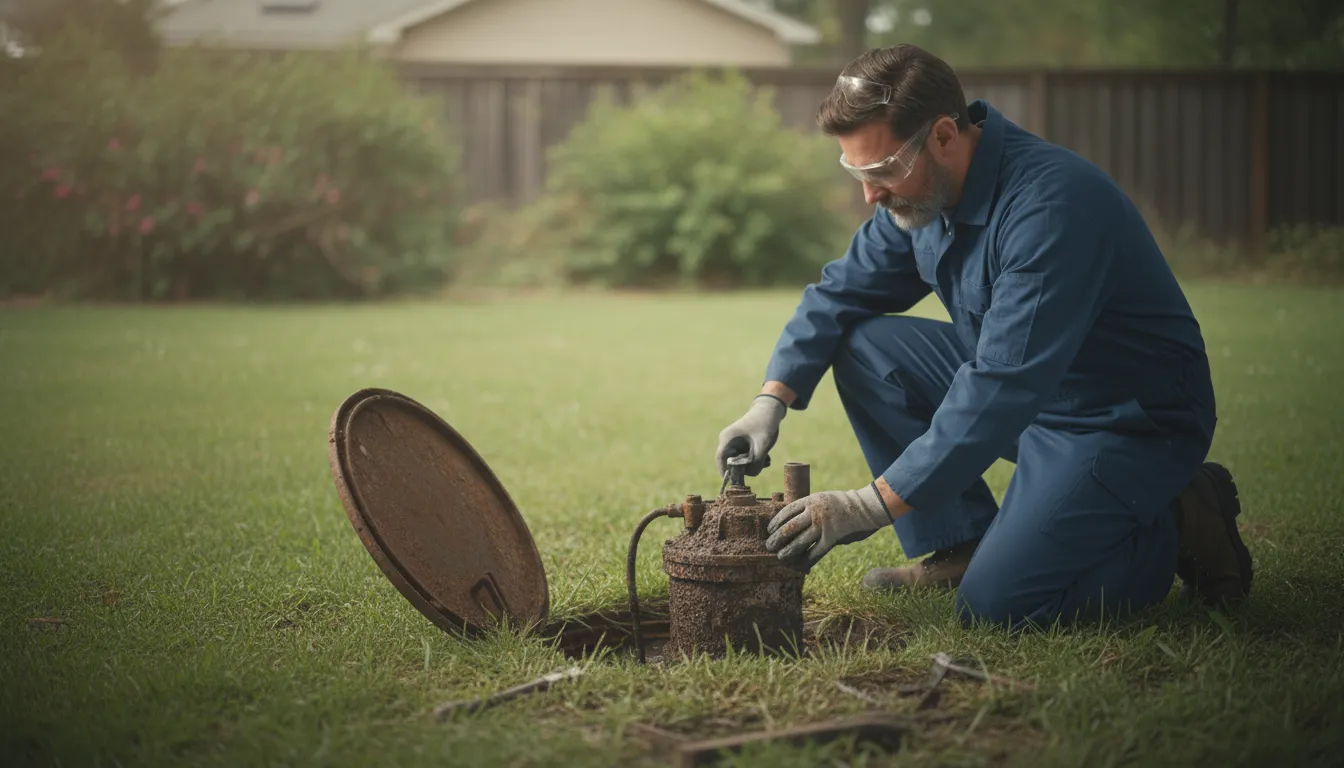
Find the Best Septic Pump Repair Companies for Your Business
No obligation • Fast responses • Nationwide coverage

Why you can trust Septic Spot
Septic Spot is a leading United States resource for understanding and comparing septic services. Our editors review providers using consistent criteria and verify key business details. Listings and scores are independent, and companies cannot pay to influence our content.
Search providers near you
Best Septic Pump Repair Companies in Wisconsin Ranked
A failing septic pump can lead to sewage backups, soggy drainfields, and serious environmental contamination. In Wisconsin, where soil conditions and strict state regulations govern all Private Onsite Wastewater Treatment Systems (POWTS), addressing pump issues promptly is critical. This guide explains the repair and replacement process, associated costs, and Wisconsin-specific rules to help you navigate finding a qualified, licensed professional to service your system.
Common Septic System Types in Wisconsin
The type of system you have dictates the pump's role and the complexity of repairs. Wisconsin's geography leads to several common designs:
- Conventional (Gravity) System: This system uses natural slope to move wastewater and typically does not include a pump for effluent. However, some may have a pump to move waste from the house to the tank if the terrain requires it.
- Raised Mound System: Very common in areas with high water tables, shallow soil, or poor drainage. An effluent pump is a required component, pushing treated wastewater from the tank up into a constructed sand mound for absorption.
- At-Grade System: Similar to a mound but built at the natural ground surface, often requiring a pump to distribute effluent.
- Holding Tank System: A sealed tank with no drainfield. While it doesn't have an effluent pump, it requires frequent pumping by a licensed waste hauler and is subject to specific maintenance rules 1.
The Step-by-Step Repair & Replacement Process
When a pump fails, a systematic approach is required to comply with Wisconsin law and ensure a lasting fix.
- Diagnosis and Inspection: The first step is a professional inspection by a Wisconsin-certified operator or licensed plumber. They will visually inspect the tank, check electrical components (control panels, float switches), and assess the pump itself. This inspection is often part of the mandatory three-year maintenance requirement.
- Obtain Necessary Permits: In Wisconsin, a sanitary permit from your local county zoning or health department is required for most repairs and all pump replacements. Your licensed professional will typically handle this.
- Pump and Clean the Tank: To safely access the pump and inspect internal components like baffles, the tank usually needs to be pumped. State guidelines recommend pumping when sludge and scum occupy one-third or more of the tank's volume 2.
- Repair or Replace the Component: The licensed plumber will repair or replace the faulty part. This could be the effluent pump, float switches, alarm, or control panel. They will ensure the new pump is correctly sized and installed for your specific system.
- Final Inspection and Testing: After installation, the system is tested. Your local county authority may require an inspection to ensure the repair complies with Wisconsin Administrative Code (SPS 383).
Wisconsin Regulations You Must Know
State and local codes strictly govern septic system work. Ignoring them can result in fines and invalidate your system's compliance.
- Mandatory Inspections: Wisconsin law requires that most POWTS (excluding some holding tanks) be inspected at least every three years by a certified maintenance provider 3. Some counties, like Marathon and Wood, have even stricter tracking programs 4 5.
- Licensing is Required: Only a Wisconsin-certified operator or a licensed plumber should perform septic pump repairs and replacements. This ensures they understand state code and proper installation practices 6.
- Setback Requirements: Systems must be a minimum of 10 feet from navigable waters, with soil absorption areas (drainfields) typically at least 50 feet away. These rules protect Wisconsin's water resources 7.
- Pumping Guidelines: Tanks should be pumped when sludge and scum levels reach one-third of the tank's liquid depth, which generally aligns with a 2-3 year interval for routine maintenance 8.
Find the perfect septic pump repair companies for your needs
Get personalized recommendations and expert advice
Understanding Costs for Pump Service
Costs can vary based on system type, pump model, and local permit fees. The figures below are general estimates for Wisconsin.
- Septic Pump Repair: Repairing a pump or its components (like float switches) typically ranges from $250 to $400 9.
- Septic Pump Replacement: Fully replacing a septic effluent pump, including parts and labor, generally costs between $500 and $1,300 10.
- System Maintenance Pump-Out: The routine pumping of your tank, which is often necessary during pump repairs, costs extra and is recommended every 2-3 years.
- Full System Installation (Reference): For context, installing a new conventional system in Wisconsin can cost $15,000-$20,000, while a more complex mound system ranges from $22,000-$26,000 11.
Maintaining Your System to Prevent Failures
Proactive care is the best way to avoid unexpected pump repairs and extend your system's life.
- Adhere to the 3-Year Inspection Rule: Don't wait for a problem. Schedule regular inspections with a certified provider to catch issues early 12 13.
- Pump the Tank Regularly: Follow the sludge-level guideline to prevent solids from clogging or damaging the pump.
- Conserve Water and Mind What You Flush: Excessive water flow can overload the pump. Avoid flushing chemicals, grease, wipes, and other non-biodegradables that can damage components.
- Protect Your Drainfield: Keep heavy vehicles and structures off the absorption area. Direct roof and surface water drainage away from the mound or drainfield.
Frequently asked questions
Sources
Footnotes
-
A Guide to Rural Septic Systems for Wisconsin Homes - https://sunsetseptic.com/guide-to-rural-septic-systems-for-wisconsin-homes/ ↩
-
Homeowner's Guide to Septic Systems - https://www.co.richland.wi.us/departments/zoning/sanitation/homeowner_guide_long.pdf ↩
-
Septic Systems | Price County, WI - Official Website - https://www.co.price.wi.us/258/Septic-Systems ↩
-
Septic Systems (POWTS) | Marathon County, WI - https://www.marathoncounty.gov/services/zoning/septic-systems-powts ↩
-
SEPTIC SYSTEM GENERAL INFORMATION - https://www.woodcountywi.gov/departments/pz/Doc/Septic%20System%20Information%20for%20Homeowners.pdf ↩
-
Rules and Regulations - septic systems - https://septics.weebly.com/rules-and-regulations.html ↩
-
Septic Systems And Portable Toilets - Wisconsin DNR - https://dnr.wisconsin.gov/sites/default/files/topic/Stormwater/MS4/SepticSystems%26PortableToilets.pdf ↩
-
Care & Maintenance of Residential Septic Systems (B3583) - https://green.extension.wisc.edu/files/2020/04/Care-and-Maintenance-of-Residential-Septic-Systems.pdf ↩
-
Septic & Holding Tank Maintenance in SE Wisconsin - https://www.arnoldsenvironmental.com/septic-tanks ↩
-
How Much Does Septic Tank System Repair Cost? (2026) - HomeGuide - https://homeguide.com/costs/septic-tank-repair-cost ↩
-
Septic Maintenance - Washington County, WI - https://www.washcowisco.gov/departments/natural_resources/land_resources/homeowners___residents/septic_maintenance ↩
-
Wisconsin Maintenance Program - DSPS - https://dsps.wi.gov/Documents/Programs/POWTS/POWTSMaintenanceProgramBrochure.pdf ↩
-
Maintaining Your POWTS (Septic System) - DSPS - https://dsps.wi.gov/Documents/Programs/POWTS/POWTSMaintenanceBrochure.pdf ↩