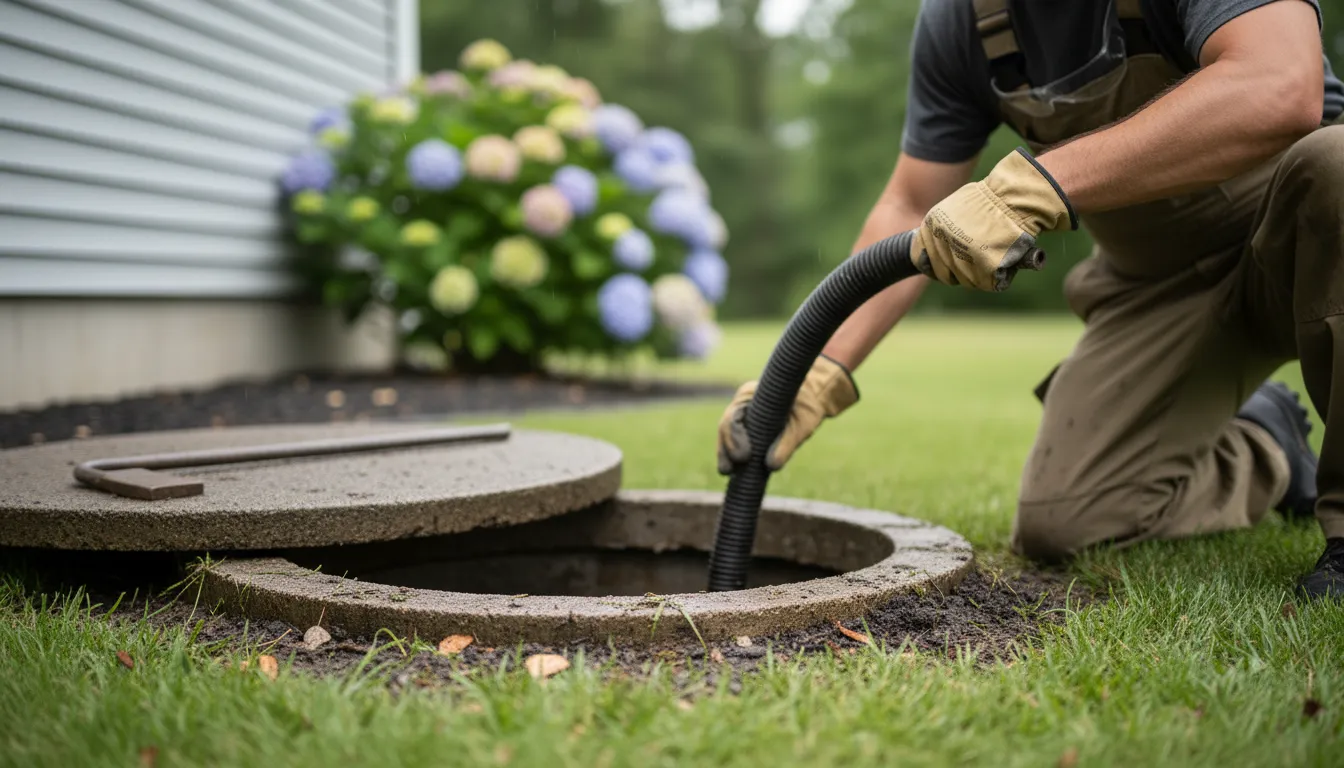
Find the Best Septic Tank Pumping Contractors for Your Business
No obligation • Fast responses • Nationwide coverage

Why you can trust Septic Spot
Septic Spot is a leading United States resource for understanding and comparing septic services. Our editors review providers using consistent criteria and verify key business details. Listings and scores are independent, and companies cannot pay to influence our content.
Search providers near you
Best Septic Tank Pumping Contractors in Arkansas Ranked
Regular septic tank pumping is a critical part of homeownership for many Arkansans. This essential maintenance prevents system failures, protects your property value, and safeguards local groundwater from contamination. Finding a qualified, licensed professional is the key to ensuring this job is done correctly and in compliance with state law. This guide provides the information you need to understand the requirements, schedule service, and choose a reliable provider for your septic system care.
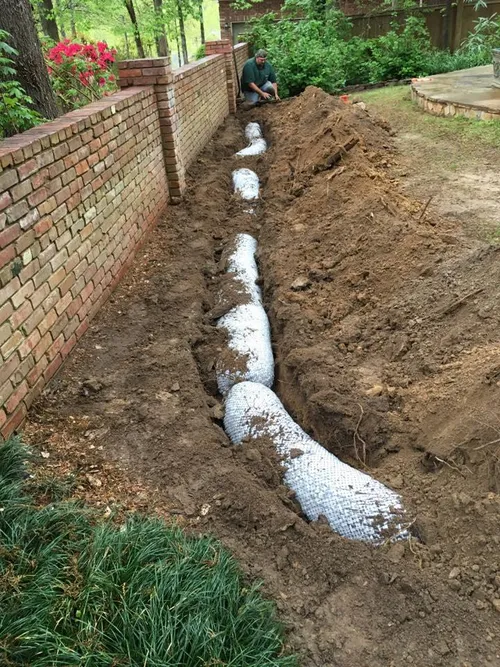
Mandy's Septic Solutions
Little Rock, AR
Mandy's Septic Solutions provides septic system installation, repair, and pumping services in Little Rock, AR, and Cabot. They also offer perc testing to support proper wastewater disposal for homes and businesses. With over six years serving the area and a lead contractor who has more than 20 years of industry experience, Mandy's Septic Solutions is licensed and insured to handle various septic system needs. The company offers 24/7 availability for septic system services.
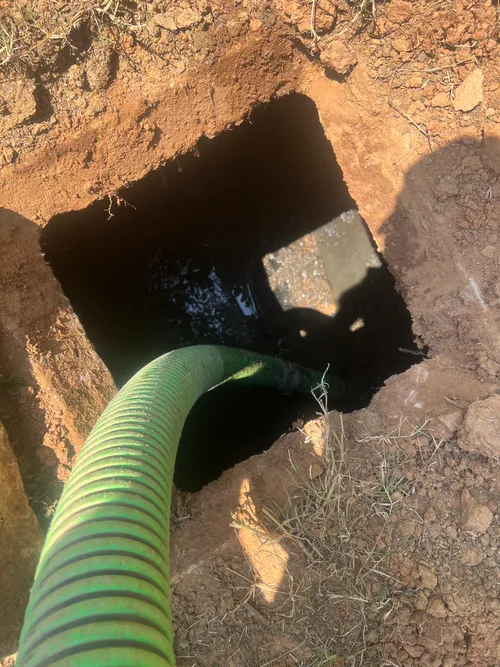
Honey-Wagon Septic Pumping
Little Rock, AR
Honey-Wagon Septic Pumping is a septic tank pumping company located in Little Rock, AR. They provide septic tank pumping services to help maintain proper septic system function. The company operates by appointment to accommodate customer schedules.
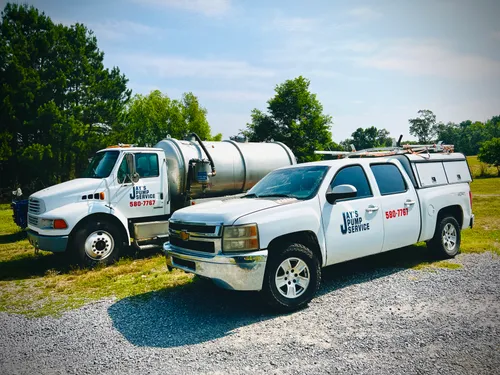
Jay's Pump Service
16429 N Sardis Rd, Mabelvale, AR 72103
Jay's Pump Service is a family-owned septic service provider based in Little Rock, AR. Established in 2000, the company offers a range of septic system services including tank pumping, inspections, lift pump replacement, and drain field repairs. Their skilled technicians also handle tank locating, riser installation, and commercial lift station cleaning. Jay's Pump Service provides emergency call availability during evening hours to support urgent septic needs.
Arkansas Portable Toilets
924 W 15th St, North Little Rock, AR 72114
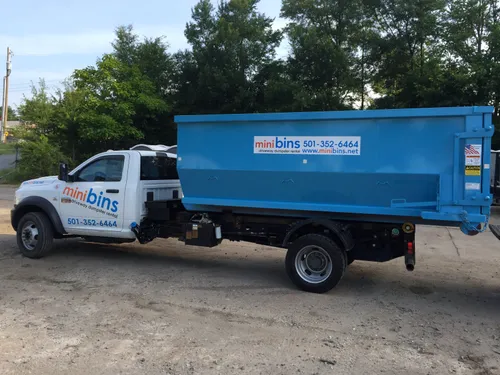
Arkansas Portable Toilets is a septic tank pumping company based in Little Rock, AR. They offer a range of portable sanitation solutions including portable toilet rentals, restroom trailers, shower trailers, and septic tank pumping services. The company serves Central Arkansas and Northwest Arkansas, providing equipment and site services for events and construction projects. Arkansas Portable Toilets emphasizes clean inventory and knowledgeable staff to support their rental and pumping services.
Understanding Arkansas Septic System Regulations
In Arkansas, septic system maintenance is governed by specific state regulations designed to protect public health and the environment. The Arkansas Department of Health (ADH) oversees these rules, and compliance is not optional-it's a legal requirement for property owners.
A cornerstone of these regulations is the licensing mandate. Only individuals or companies holding a valid Septic Tank Cleaner License from the ADH are legally permitted to pump, clean, or empty septic tanks, holding tanks, or portable toilets 1. This license ensures the professional has passed an exam on sanitation and pollution control, guaranteeing they understand how to handle waste safely and responsibly. Always verify a provider's license before hiring them.
Property owners bear the ultimate responsibility for their system's proper operation and maintenance 2. This includes ensuring it is pumped regularly, does not create sewage backups or odors, and does not contaminate the environment. Furthermore, if a property is within 300 feet of an available public sewer line, the owner may be required by local ordinance to connect to it, abandoning the septic system 3 2.
How Often Should You Pump Your Septic Tank in Arkansas?
The standard recommendation for a typical household septic tank is to have it pumped every 3 to 5 years. However, this is a general guideline. The exact frequency for your home depends on several key factors:
- Tank Size: Larger tanks fill more slowly. A common rule of thumb is to pump a 1,000-gallon tank every 2.5 years, a 1,500-gallon tank every 4 years, and a 2,000-gallon tank every 5 years.
- Household Size: The number of people living in the home directly impacts wastewater generation.
- Water Usage: High-efficiency appliances reduce flow, while excessive water use (like long showers, frequent laundry loads) can overload the system.
- Waste Disposal Habits: What goes down the drain matters. Garbage disposals significantly increase solid waste. Flushing non-biodegradable items (wipes, feminine products, grease) can clog the system and require more frequent pumping.
Critical Note on Alternative Systems: If your property uses an advanced treatment system with electrical components, pumps, or mechanical parts (like aerobic treatment units or sand filters), the ADH and the EPA recommend an annual inspection by a qualified professional. These systems often require more frequent servicing than conventional septic tanks.
What to Expect: The Pumping and Inspection Process
A professional septic service involves more than just removing sludge. A thorough job includes a multi-point inspection to assess your system's overall health.
The Pumping Service: The licensed professional will locate and uncover your tank's access lids. Using a specialized vacuum truck (which Arkansas law states must be at least 1,000 gallons and constructed of welded, water-tight metal), they will remove all contents-scum, sludge, and effluent-for proper disposal at a permitted facility 4.
The Essential Inspection: While the tank is empty, a proper inspection should be conducted. This includes 5:
- Checking tank integrity for cracks or leaks.
- Measuring scum and sludge layers to determine your optimal pumping schedule.
- Inspecting inlet and outlet baffles or tees to ensure they are intact and functioning. These components are crucial for preventing solids from flowing into the drain field.
- Examining the effluent filter (if present), cleaning it, and checking for damage.
- Assessing the general condition of the drain field area for signs of failure, such as soggy ground or unpleasant odors.
Find the perfect septic tank pumping contractors for your needs
Get personalized recommendations and expert advice
Cost of Septic Tank Pumping and Inspection in Arkansas
Understanding the potential costs helps homeowners budget for this necessary maintenance. Prices can vary based on your location within the state, tank size, and ease of access.
- Standard Pumping: The average cost to pump a septic tank in Arkansas typically ranges from $250 to $500 6. This is the base price for a standard-sized tank (1,000-1,500 gallons) with good access.
- Comprehensive Inspection: A full septic system inspection, which is highly recommended during pumping, usually costs between $300 and $600 7 8. Many companies offer a combined pumping and inspection package at a discounted rate.
- Factors Influencing Price:
- Tank Size & Access: Pumping a larger tank (e.g., 2,000 gallons) costs more. Difficult access (requiring additional digging or special equipment) will also increase the price.
- Additional Services: Cleaning an effluent filter, jetting a line, or providing minor repairs are typically extra charges.
- Location: Rates may be higher in remote areas due to travel time.
Choosing a Licensed Septic Service Provider
Selecting the right professional is crucial. Here's a checklist to guide your decision:
- Verify Arkansas ADH License: Confirm the company or individual holds a current Septic Tank Cleaner License. You can ask for their license number.
- Ask About the Process: Do they just pump, or do they include a detailed inspection of baffles, filters, and tank structure? A reputable provider will insist on inspecting an empty tank.
- Get a Detailed Estimate: Request a written quote that outlines all costs, including pumping, inspection, and any potential additional fees for difficult access.
- Check for Proper Disposal: Ensure they dispose of waste at a state-approved facility, not on private land.
- Seek Recommendations: Ask neighbors with septic systems for referrals and read local online reviews.
Consequences of Neglect and Non-Compliance
Failing to maintain your septic system can lead to serious and costly problems:
- System Failure: The most direct result is a backup of sewage into your home or surfacing in your yard, creating a health hazard and requiring very expensive repairs or a complete system replacement.
- Environmental Damage: Leaking or failing systems contaminate groundwater, streams, and lakes with pathogens and nitrates.
- Legal and Financial Penalties: Violations of Arkansas septic regulations can result in civil penalties. According to state law, fines can reach up to $1,000 per violation, per day 9.
- Property Value Impact: A malfunctioning or unpermitted septic system can derail a property sale and significantly reduce your home's market value.
Permits for Installation and Repair
It's important to know that pumping and routine maintenance do not require a permit. However, any installation, repair, alteration, or expansion of a septic system does require a permit from the local county health department, which acts as an agent of the ADH 10 11. Only licensed installers can obtain these permits. Always ensure any major work on your system is permitted and inspected to maintain its legal status.
Frequently asked questions
Sources
Footnotes
-
Arkansas Septic License & Certification | 2024 Contractor Guide - https://www.servicetitan.com/licensing/septic/arkansas ↩
-
14 CAR § 21-301. Generally - Code of Arkansas Rules - https://codeofarrules.arkansas.gov/Rules/Rule?levelType=section&titleID=14&chapterID=71&subChapterID=92&partID=1056&subPartID=5479§ionID=35380 ↩ ↩2
-
Rules and Regulations - Arkansas Secretary of State - https://www.sos.arkansas.gov/uploads/rulesRegs/Arkansas%20Register/2006/nov_dec_2006/016.24.06-009.pdf ↩
-
Arkansas Department of Health - Rules Pertaining to Septic Tank ... - https://arkleg.state.ar.us/Home/FTPDocument?path=%2FAssembly%2FMeeting+Attachments%2F040%2F26359%2FD.8.c+DOH+SBH+Rules+Pertaining+to+Septic+Tank+Cleaners+and+Acts+137+and+457+of+2023.pdf ↩
-
How to Care for Your Septic System | US EPA - https://www.epa.gov/septic/how-care-your-septic-system ↩
-
How Much Does It Cost to Pump Septic Tank: A Detailed Pricing Guide - https://www.benjaminfranklinplumbing.com/league-city/blog/2025/march/how-much-does-it-cost-to-pump-septic-tank-a-detailed-pricing-guide/ ↩
-
How Often Should You Pump Your Septic Tank: 3 Factors Solved - https://www.frasiers.com/blog/sewage-tank-pump-frequency/ ↩
-
Septic Systems: Homebuyer's Guide - Ferguson Home Inspections - https://www.centralarinspections.com/blog/septic-systems-homebuyers-guide/ ↩
-
Arkansas Department of Health - https://arkleg.state.ar.us/Home/FTPDocument?path=%2FAssembly%2FMeeting+Attachments%2F040%2F5081%2FD.21b+DOH+EHS+Rules+Pertaining+to+Septic+Tank+Cleaners+and+Relevant+Acts.pdf ↩
-
Arkansas Septic System Requirements - National Tank Outlet - https://www.ntotank.com/blog/arkansas-septic-system-requirements ↩
-
Onsite Wastewater FAQs - Arkansas Department of Health - https://healthy.arkansas.gov/programs-services/public-health-safety/onsite-wastewater/onsite-wastewater-faqs/ ↩