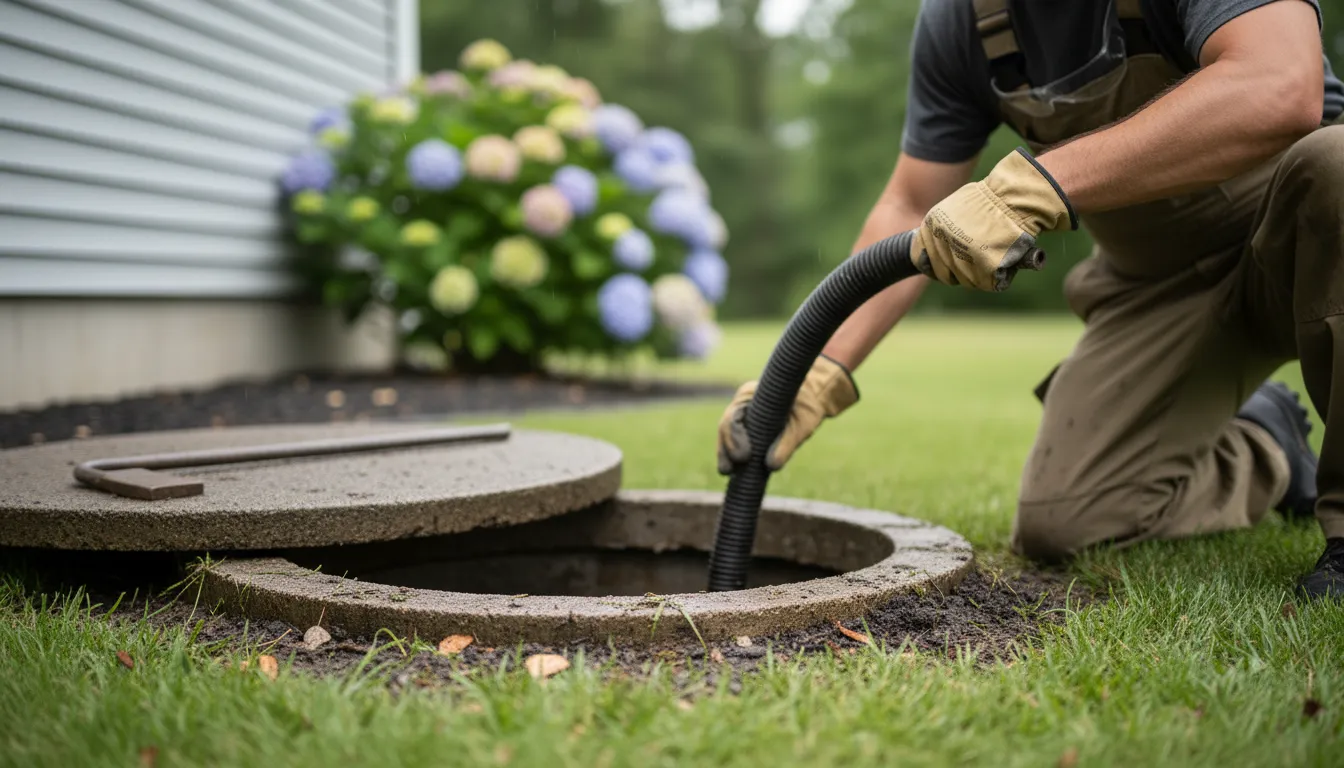
Find the Best Septic Tank Pumping Contractors for Your Business
No obligation • Fast responses • Nationwide coverage

Why you can trust Septic Spot
Septic Spot is a leading United States resource for understanding and comparing septic services. Our editors review providers using consistent criteria and verify key business details. Listings and scores are independent, and companies cannot pay to influence our content.
Search providers near you
Best Septic Tank Pumping Contractors in Arizona Ranked
Maintaining your septic system is a critical responsibility for Arizona homeowners. Regular septic tank pumping and inspection prevents system failures, protects your property value, and safeguards public health and the local environment. This guide provides clear, actionable information on Arizona's regulations, recommended maintenance schedules, and what to expect from professional services, helping you make informed decisions for your home's wastewater system.
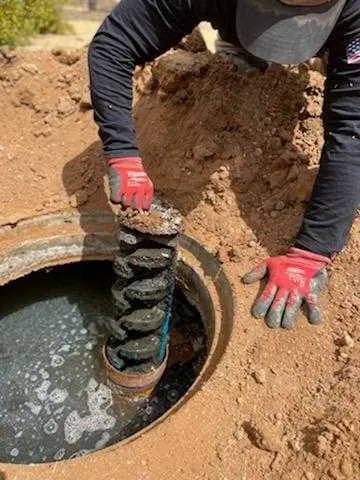
Macho Contracting
6424 E Greenway Pkwy #100, Scottsdale, AZ 85254
Macho Contracting is a family-owned plumbing and septic company serving Phoenix, AZ, and the surrounding Valley since 2016. They specialize in septic tank pumping, inspections, system repairs, and pump replacement services, with over 25 years of combined experience in onsite wastewater management. Their expertise includes handling underground systems, sewer line repairs, and complex septic system designs tailored to Arizona soil conditions. The company is fully licensed, NAWT-certified, and OSHA-trained, emphasizing safety and compliance in all projects.
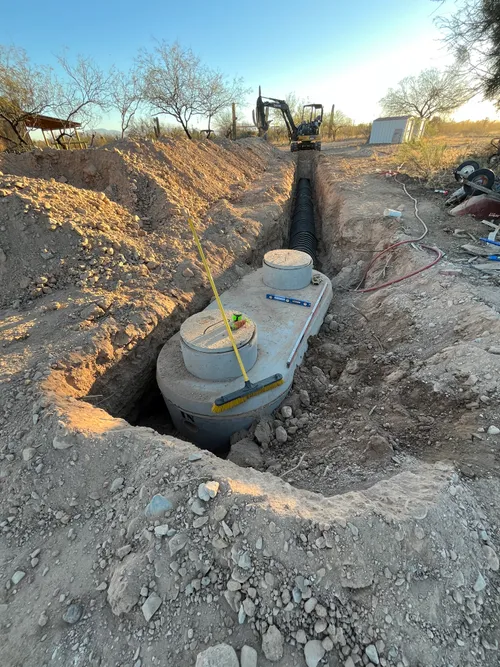
Fearless Contracting Inc. Septic Service
7502 S Placita De La Sombra, Tucson, AZ 85746
Fearless Contracting Inc. Septic Service is a family owned and operated business based in Tucson, AZ. They offer a wide range of septic system services including septic tank pumping, installation, inspection, and repair, as well as drain field repair and hydro jetting. The company serves Tucson and surrounding areas such as Catalina, Vail, Oro Valley, and Marana. With over 14 years of experience in the underground industry, Fearless Contracting provides 24/7 emergency service to meet various septic system needs.
Reddi Services
12268 92nd Dr, Peoria, AZ 85381
Reddi Services is a family-owned plumbing and HVAC company serving Phoenix, AZ, and the Kansas City metro areas. Since 1957, they have provided full-service plumbing, drain cleaning, cooling, and heating solutions for residential and commercial customers. Their services include septic tank pumping and inspection, along with comprehensive plumbing inspections to diagnose issues. Reddi Services maintains licensed and insured technicians and offers 24/7 emergency service without after-hours charges, ensuring help is available whenever needed.

88DRAIN
4377 S Sky High Pl a, Tucson, AZ 85730
88DRAIN is a septic tank and plumbing service provider based in Tucson, AZ. The company offers septic tank pumping, inspection, repair, installation, and drain field repair services. With over 44 years of experience serving Tucson and Pima County, 88DRAIN has recently joined the Rite Way family, expanding its service offerings to include heating, cooling, plumbing, and electrical work. This transition ensures continued comprehensive support for local customers with the same team and phone number.
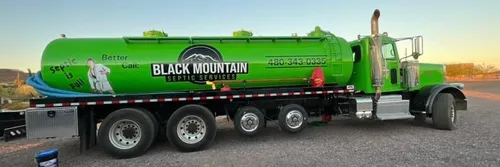
Black Mountain Septic & Drain Services
Phoenix, AZ
Black Mountain Septic & Drain Services is a septic tank pumping company based in Phoenix, AZ. They provide septic services across a wide area in Arizona, including Cave Creek, Desert Ridge, Rio Verde, Anthem, Paradise Valley, Carefree, New River, Desert Valley, Black Canyon City, North Scottsdale, North Phoenix, Fountain Hills, and Desert Hills. Their services focus on septic tank pumping and maintenance to support the diverse landscape of the region.
Why Regular Septic Maintenance is Essential in Arizona
A functioning septic system is an unseen but vital component of your home. In Arizona's diverse climates-from the high country to the Sonoran Desert-proper care ensures the system breaks down and filters household wastewater effectively. Neglect can lead to backups into your home, foul odors, contamination of groundwater, and an extremely costly replacement of the drain field. Regular pumping removes the accumulated solids (sludge and scum) that cannot be broken down by bacteria, preventing them from flowing into and clogging the leach field, which is the most expensive part to repair 1.
Recommended Pumping Frequency for Arizona Homes
How often you need to pump your septic tank isn't a one-size-fits-all answer; it depends on your household's size and habits. However, Arizona authorities and industry professionals provide clear guidelines.
- Standard Recommendation: For an average-sized household (4-5 people) with normal water usage, septic tanks generally require pumping every 3 to 5 years.
- High-Usage Households: Larger families or homes with high water usage from appliances like garbage disposals, hot tubs, or excessive laundry may need service more frequently, potentially every 1 to 2 years 2.
- The Inspection Threshold: The most reliable method is to have the sludge and scum layers measured during a routine inspection. A tank should be pumped when the sludge layer is within 12 inches of the outlet baffle or when the scum layer is within 6 inches of the bottom of the outlet device 3.
Relying on a set schedule without inspection can be wasteful or risky. An annual or biennial inspection is the best way to determine the optimal pumping schedule for your specific situation.
Understanding Arizona's Septic System Regulations
Arizona state law and county health departments have specific rules governing septic systems, particularly during property transfers. Understanding these can prevent legal and financial headaches.
- Homeowner Responsibility: The property owner is legally responsible for the operation, maintenance, and repair of their onsite wastewater (septic) system 4. This includes ensuring it does not create a public health nuisance or environmental contamination.
- Property Transfer Requirements: This is a critical area of regulation. When selling a home with a septic system in Arizona:
- Seller's Duty: The seller must have the system inspected by a qualified professional before the sale closes. They must also provide the buyer with a formal Report of Inspection (often called a Certificate of Compliance) 5.
- Buyer's Duty: Within 15 days of the property transfer, the new owner must file a Notice of Transfer with the appropriate local agency, such as the Arizona Department of Environmental Quality (ADEQ) or the county environmental health department 6.
- Professional Licensing: Always ensure you hire a licensed septic pumper. Licensed professionals are required to dispose of the septage at approved treatment facilities, ensuring safe and legal waste handling.
What to Expect: The Pumping and Inspection Process
Knowing what happens during a service visit helps you prepare and ensures you get a thorough job.
A standard professional visit for septic tank pumping and inspection in Arizona typically includes:
- Locating & Accessing the Tank: The technician will locate the tank and access the main manhole cover. It is recommended that pumping is done through the manhole, not a smaller inspection port, to allow for a complete cleaning and to avoid damaging the baffles.
- Inspecting the System: Before pumping, a thorough inspector will:
- Measure the sludge and scum layers to determine pumping necessity.
- Check inlet and outlet baffles/tees for integrity.
- Look for signs of leaks, corrosion, or structural damage.
- If applicable, inspect pumps, float switches, and other mechanical components 7.
- Pumping the Tank: Using a vacuum truck, the professional will remove all contents from the tank. A reputable service will ensure the tank is emptied completely.
- Post-Service Report: You should receive a report detailing the findings, the volume pumped, and any recommendations for repairs or future maintenance.
Find the perfect septic tank pumping contractors for your needs
Get personalized recommendations and expert advice
Cost of Septic Services in Arizona
The cost for septic services can vary based on tank size, accessibility, and the scope of work. Based on local industry data:
- Basic Visual Inspection: A standard inspection to check components and measure sludge levels typically ranges from $200 to $300.
- Combined Inspection and Pumping: A comprehensive service that includes a full inspection and pumping the tank is more common and often costs between $400 and $650 or more, depending on the factors mentioned above 8.
While price is a consideration, the qualifications, licensing, and reputation of the provider are paramount for this important home maintenance task.
Proactive Maintenance Tips for Arizona Homeowners
Beyond periodic pumping, you can extend the life of your septic system with smart daily practices.
- Conserve Water: Spread out water-intensive activities. Fix leaky faucets and toilets promptly. Consider installing high-efficiency fixtures. Avoid draining a hot tub into the system all at once 9 10.
- Mind What You Flush: Only human waste and toilet paper should go down the drain. Never flush wipes (even "flushable" ones), feminine hygiene products, dental floss, diapers, or cooking grease.
- Protect the Drain Field: Do not park cars, build structures, or plant trees with deep roots over the tank or leach field. The soil must remain uncompacted to absorb and treat liquid effluent.
- Use Septic-Safe Cleaners: Harsh chemicals, excessive bleach, and antibacterial soaps can kill the beneficial bacteria in your tank that break down waste.
- Maintain System Records: Keep a file of all inspection reports, pumping receipts, and a diagram of your system's location. This is invaluable for maintenance and is often required during a property sale.
Signs Your Arizona Septic Tank Needs Attention
Don't wait for a complete failure. Be alert to these warning signs that your system may need pumping or repair:
- Slow drains or gurgling plumbing fixtures throughout the house.
- Sewage backups in toilets, showers, or sinks.
- Unpleasant odors around the yard, especially near the tank or drain field.
- Unusually soggy, bright green, or spongy grass over the drain field.
- Standing water or surfacing sewage in the yard.
If you notice any of these signs, contact a licensed professional immediately to assess the situation before it escalates into a major health hazard and repair bill.
Frequently asked questions
Sources
Footnotes
-
Maintaining Your Septic System in Arizona How Often Should ... - Ducks Pumping ↩
-
Septic Inspections in Arizona: A Seller's Responsibility - Priority Pumping AZ ↩
-
Onsite Wastewater (Septic Systems) - Ownership Transfer - Maricopa County ↩
-
Septic Tank Pumping & Inspection Service Phoenix Metro Area - Wells Septic Tank ↩
-
How Much Does a Septic Inspection Cost in Arizona? - Advantage Air Mechanical ↩
-
Maintaining Your Septic System - A Guide for Homeowners - Mohave County ↩
-
Rural Septic Pumping in Arizona: What Homeowners Need to ... - Gross Septic ↩