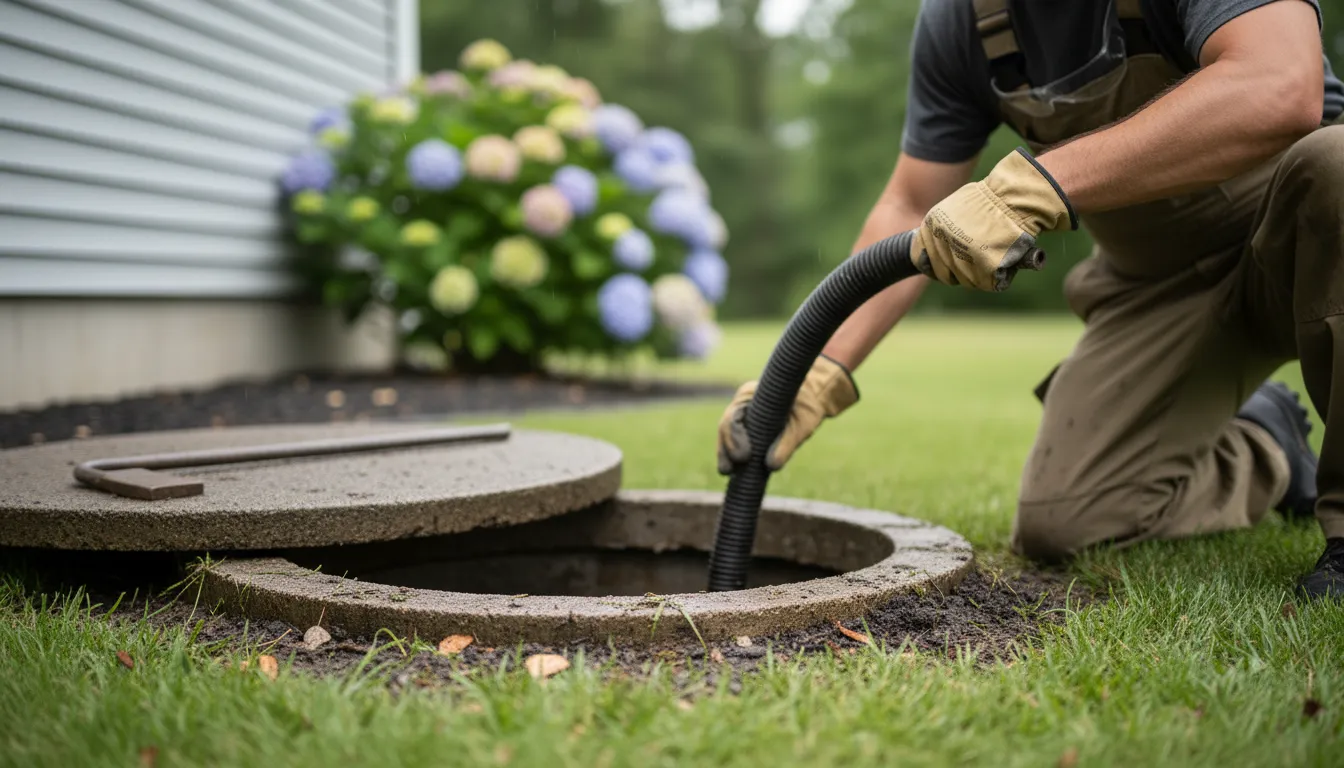
Find the Best Septic Tank Pumping Contractors for Your Business
No obligation • Fast responses • Nationwide coverage

Why you can trust Septic Spot
Septic Spot is a leading United States resource for understanding and comparing septic services. Our editors review providers using consistent criteria and verify key business details. Listings and scores are independent, and companies cannot pay to influence our content.
Search providers near you
Best Septic Tank Pumping Contractors in Iowa Ranked
Maintaining your septic system through regular pumping is a critical responsibility for Iowa homeowners. A well-maintained system protects your property value, safeguards local groundwater, and prevents costly environmental health hazards. This guide provides clear, practical information on Iowa's regulations, recommended pumping schedules, and what to expect from professional septic services to help you make informed decisions for your home.
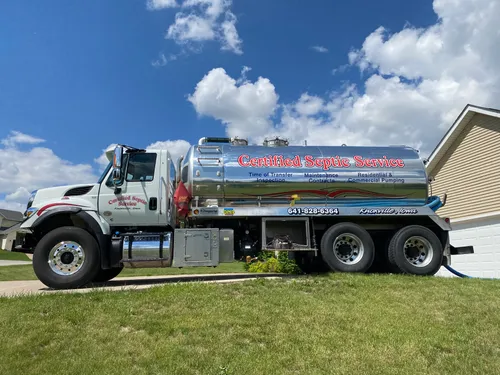
Certified Septic Service
2121 Rodeo Ave, Monroe, IA 50170
Certified Septic Service provides a wide range of septic services for residential and commercial clients in Des Moines, IA. Their offerings include septic tank pumping, septic tank inspections, time of transfer inspections, septic system repairs, and maintenance contracts. The company is certified by the Iowa DNR and has been serving Central Iowa since 2009. They cover multiple counties and cities in the region, including Polk, Jasper, and Monroe counties. While certified for septic installations since 2018, this service is currently not available. Certified Septic Service relocated to Monroe, IA in 2023 and continues to support the local community with their expertise.
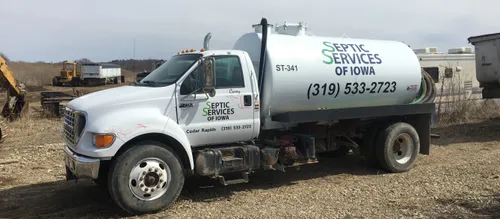
Septic Services Of Iowa
Cedar Rapids, IA
Septic Services Of Iowa is a septic tank pumping, inspection, repair, and installation company based in Cedar Rapids, IA. They provide services including septic system inspections required by Iowa's Time of Transfer program, excavation work such as septic tank replacement and water line repairs, and regular septic tank pumping to maintain system longevity. The company is certified by the Iowa Onsite Waste Water Association and the National Environmental Health Association, ensuring compliance with state standards. Their services help protect public health and the environment by addressing failing or illegal septic systems.

Ken-Way Sewer Service Inc
Cedar Rapids, IA
Ken-Way Sewer Service Inc is a septic tank pumping and inspection company based in Cedar Rapids, IA. They provide residential and commercial sewer and drain cleaning services, including water jetting and septic tank pumping. With over 50 years of experience, Ken-Way Sewer Service Inc is equipped to handle complex drain problems efficiently. The company is locally owned and family operated, emphasizing integrity and professionalism in their work.
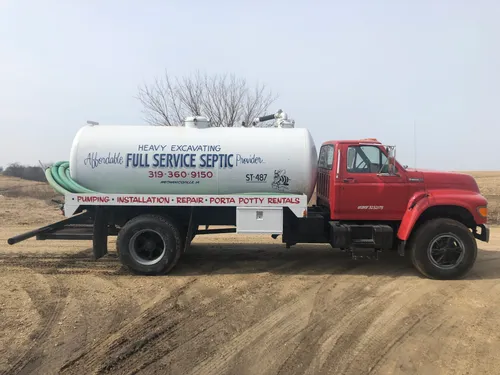
Heavy Excavating
618 Delta Ave, Mechanicsville, IA 52306
Heavy Excavating is a certified septic installer based near Cedar Rapids, IA, offering full septic services including tank pumping, repair, and installation. Serving Cedar, Linn, Jones, Muscatine, Johnson, and surrounding counties, the company is certified for Time of Transfer inspections to assist with real estate transactions. Heavy Excavating also provides emergency septic services and supplies portable toilets and hand washing stations for various events.
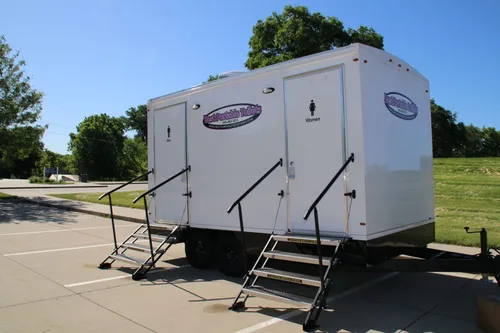
Best Portable Toilets
4485 NE 22nd St, Des Moines, IA 50313
Best Portable Toilets in Des Moines, IA offers portable restroom rentals and septic system pumping services. They provide a range of portable units including luxury restroom trailers for events and long-term use. Their pumping services cover septic systems, car wash pits, grease pits, and other non-hazardous industrial and commercial pits. The company emphasizes clean, sanitized equipment and provides 24-hour service to meet various customer needs.
Understanding Iowa's Septic System Regulations
In Iowa, septic system oversight is a shared responsibility. The Iowa Department of Natural Resources (DNR) establishes the statewide minimum standards for design, installation, and maintenance. However, enforcement and daily regulation fall to your local county health department or environmental health office 1. This means that while the core rules are consistent, specific requirements, permit fees, and inspection protocols can vary from one county to the next.
A cornerstone of Iowa law is the "Time of Transfer" inspection mandate. Before any property with a septic system can be sold or have its deed transferred, the system must be inspected by a state-certified inspector 2. This rule ensures that buyers are aware of the system's condition and helps prevent the sale of properties with failing systems. The inspection report becomes a required part of the real estate transaction.
As a homeowner, you are legally responsible for the proper operation and maintenance of your septic system. This includes ensuring it is not used for the disposal of hazardous chemicals, oils, or excessive garbage, and adhering to all local pumping and inspection schedules 3.
How Often Should You Pump Your Septic Tank in Iowa?
The universal guideline for Iowa homeowners is to have your septic tank pumped and inspected every 3 to 5 years 4. Some counties have even stricter ordinances; for example, Story County requires pumping at a maximum interval of every 5 years 5. This range is a starting point, but your ideal schedule depends on several key factors:
- Tank Size: Larger tanks hold more solids and require less frequent pumping. Iowa regulations specify minimum tank capacities, such as 1,250 gallons for a 3-bedroom home and 1,500 gallons for a 4-bedroom home 6.
- Household Size: More people generate more wastewater and solid waste, filling the tank faster.
- Water Usage: High water consumption from laundry, long showers, or leaky fixtures reduces the tank's settling time and can push solids out into the drain field prematurely.
As a rule of thumb, a 1,000-gallon tank serving a family of four may need pumping approximately every 2.5 years, while a 1,500-gallon tank under the same conditions could last about 4 years before needing service. The most accurate method is to have the sludge and scum levels measured during an inspection. Guidance from Guthrie County, for instance, suggests pumping is due if the scum layer is less than 4 inches from the outlet baffle or if the sludge layer is less than 16 inches from the outlet 7.
What to Expect During Professional Pumping and Inspection
A thorough septic service involves much more than just removing waste. A reputable professional will follow a comprehensive process to assess your entire system's health.
- Locating and Accessing the Tank: The technician will locate the tank and uncover the manhole and inspection ports.
- Pumping: All liquid and solid waste (septage) is vacuumed from the tank using a specialized truck.
- Tank Inspection: This is a crucial step. The empty tank will be inspected for structural issues like cracks, leaks, or corrosion. The inlet and outlet baffles (typically 4-inch PVC tees) are checked to ensure they are intact and functioning properly 8. Damaged baffles can allow solids to escape and clog the drain field.
- System Assessment: The professional may also check the drain field for signs of surfacing effluent or soggy ground, which indicate failure.
- Reporting: You should receive a report detailing the services performed, the condition of your tank and components, the sludge/scum levels measured, and any recommendations for repair or future maintenance.
Find the perfect septic tank pumping contractors for your needs
Get personalized recommendations and expert advice
Key Components of Your Septic System
Understanding the basic parts of your system helps you communicate effectively with service providers and recognize potential issues.
- Septic Tank: A watertight, buried container (usually concrete, fiberglass, or polyethylene) where primary treatment occurs. Solids settle as sludge, fats float as scum, and clarified liquid flows out to the drain field.
- Baffles: Essential components inside the tank. The inlet baffle directs incoming wastewater downward to prevent disturbance of the scum layer. The outlet baffle prevents floating scum from exiting the tank. Their proper function is non-negotiable for system health 9.
- Drain Field (Leach Field): A series of perforated pipes buried in trenches filled with gravel. The pre-treated liquid from the tank is distributed here, where it percolates into the soil for final natural filtration and disposal.
Costs Associated with Septic Tank Pumping in Iowa
The cost for septic tank pumping in Iowa is not fixed and depends on variables like tank size, accessibility, and your geographic location within the state. For a standard residential pumping service in the Midwest, homeowners can generally expect a range of $250 to $600 or more 10 11. Additional costs will apply for repairs (e.g., baffle replacement), inspections required for real estate transfers, or if the tank is difficult to locate or access. Always request a detailed, written estimate before work begins.
Maintaining Your System Between Pumpings
Professional pumping is the cornerstone of maintenance, but your daily habits determine how well your system functions in the long run.
- Conserve Water: Spread out laundry loads, fix leaky toilets and faucets, and install water-efficient fixtures to avoid hydraulically overloading the system.
- Mind What You Flush: Only human waste and toilet paper should go down the drain. Never flush wipes (even "flushable" ones), feminine hygiene products, dental floss, diapers, or cooking grease.
- Protect the Drain Field: Never park vehicles or build structures over the drain field. Direct rainwater drainage systems away from it. Plant only grass over the area, as tree roots can infiltrate and damage pipes.
- Keep Records: Maintain a file with your septic system's design diagram, permits, and all service reports. This is invaluable for troubleshooting and is essential during a property sale.
Signs Your Septic Tank Needs Immediate Attention
Don't wait for your scheduled pumping if you notice these warning signs of a full or failing system:
- Slow Drains: Gurgling pipes, slow-draining sinks, tubs, or toilets throughout the house.
- Sewage Odors: Unpleasant smells indoors or around the tank/drain field area.
- Wet, Spongy Yard: Soggy ground, standing water, or unusually lush green grass over the drain field.
- Sewage Backup: The most severe sign, where wastewater backs up into household drains.
If you observe any of these issues, contact a certified septic professional immediately to assess the situation and prevent further damage or environmental contamination.
Frequently asked questions
Sources
Footnotes
-
Septic Systems - Webster County - https://www.webstercountyia.gov/departments/environmental_health/septic_systems.php ↩
-
Time of Transfer | Department of Natural Resources - Iowa DNR - https://www.iowadnr.gov/environmental-protection/water-quality/private-sewage-disposal-and-septage/time-transfer ↩
-
Private Sewage Disposal and Septage - Iowa DNR - https://www.iowadnr.gov/environmental-protection/water-quality/private-sewage-disposal-and-septage ↩
-
Septic Tank Cleaning | Department of Natural Resources - Iowa DNR - https://www.iowadnr.gov/environmental-protection/water-quality/private-sewage-disposal-and-septage/septic-tank-cleaning ↩
-
Maintaining Your Septic System | Story County, IA - Official Website - https://www.storycountyiowa.gov/628/Maintaining-Your-Septic-System ↩
-
Iowa Administrative Bulletin Component Document - https://www.legis.iowa.gov/docs/aco/bulletincontent/09-04-2024.Regulatory%20Analysis_1724100640986.pdf ↩
-
Septic Systems - Environmental Health - Guthrie County, Iowa - https://guthriecounty.gov/environmental_health/septic_systems/ ↩
-
8650C - Iowa Rulemaking Document - https://www.legis.iowa.gov/docs/aco/arc/8650C.pdf ↩
-
Septic System Manual - Guthrie County, Iowa - https://guthriecounty.gov/files/environmental_health/septic_system_manual_87129.pdf ↩
-
Iowa Septic Tank Requirements | Private Sewage Disposal Systems - https://www.ntotank.com/blog/iowa-septic-tank-requirements ↩
-
Septic System Maintenance Costs: Quad Cities | John Wulf - https://jwseptic.com/scott-county-walcott-iowa-report/ ↩