Find the Best Septic Tank Pumping Contractors for Your Business
No obligation • Fast responses • Nationwide coverage

Why you can trust Septic Spot
Septic Spot is a leading United States resource for understanding and comparing septic services. Our editors review providers using consistent criteria and verify key business details. Listings and scores are independent, and companies cannot pay to influence our content.
Search providers near you
Best Septic Tank Pumping Contractors in Idaho Ranked
Maintaining your septic system is a critical responsibility for Idaho homeowners. Regular septic tank pumping removes accumulated solids, preventing system backups, costly drainfield failures, and environmental contamination. This guide provides clear, practical information on Idaho's regulations, recommended maintenance schedules, and costs, helping you make informed decisions to protect your property and find qualified local professionals for this essential service.
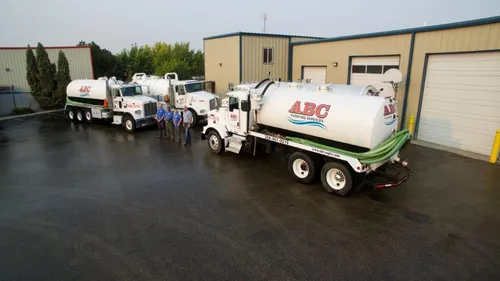
ABC Pumping Service
281 N Baltic Pl, Meridian, ID 83642
ABC Pumping Service is a septic tank and system specialist based in Boise, ID, serving Meridian and surrounding areas. They provide a range of services including septic tank pumping, inspection, repair, installation, drain field repair, and pump maintenance. With over 30 years of experience, ABC Pumping Service is familiar with both old and new septic systems and offers 24/7 emergency services. One notable capability is their expertise in repairing damaged drain fields to prevent septic system failure. They also install and maintain advanced wastewater treatment systems such as ETPS units, serving both residential and commercial clients.
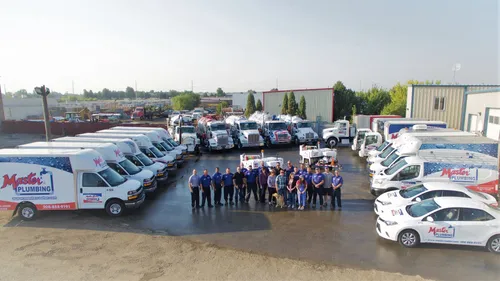
Master Plumbing
9446 W Fairview Ave Suite B, Boise, ID 83704
Master Plumbing is a septic tank pumping, inspection, and installation company based in Boise, ID. They serve homeowners throughout Southwest Idaho, offering a range of plumbing services including septic system installation, maintenance, and advanced wastewater treatment solutions such as the Extended Treatment Package System (ETPS) using BioMicrobics FAST Technology. With over 140 years of combined experience, Master Plumbing employs certified journeyman plumbers who are knowledgeable in meeting Idaho Department of Environmental Quality requirements. The company also provides 24/7 emergency plumbing services to address urgent needs at any time.
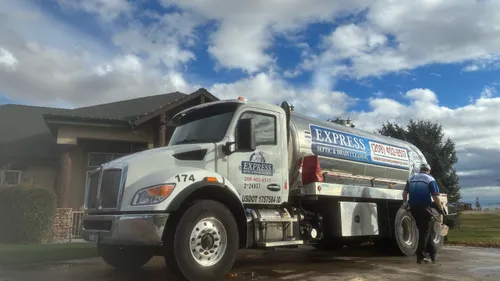
Express Septic & Drain Cleaning
3206 Airport Rd, Nampa, ID 83687
Express Septic & Drain Cleaning is a locally owned company serving Meridian, ID, and the greater Treasure Valley area. Since 2006, they have provided septic tank pumping, inspection, testing, and riser installation services. Their team also offers comprehensive drain cleaning solutions to address various plumbing needs. The company emphasizes professional, clean, and efficient service, with trained and background-checked technicians who provide updates throughout the service process.
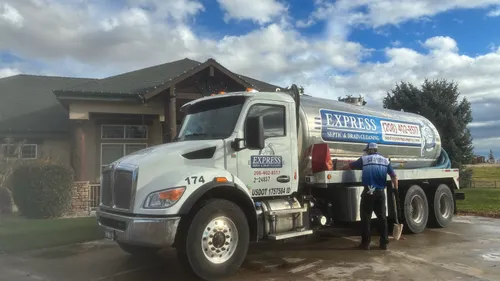
Express Septic & Drain Cleaning
6003 W Overland Rd l107, Boise, ID 83709
Express Septic & Drain Cleaning is a septic tank pumping and inspection company serving Boise, ID, and the greater Treasure Valley area including Nampa and surrounding communities. Established in 2006, the locally owned business offers septic tank location, pumping, inspection, testing, and riser installation services. They also provide comprehensive drain cleaning solutions to address various plumbing needs. The company emphasizes professional, clean, and efficient service while keeping customers informed with automatic updates and technician details.
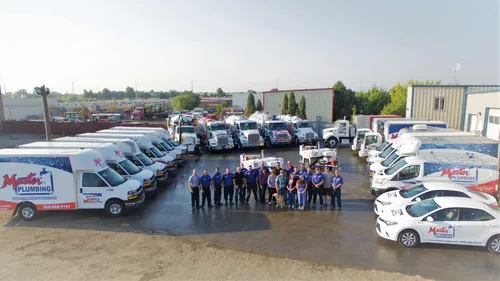
Master Plumbing
393 W State St c, Eagle, ID 83616
Master Plumbing is a septic tank pumping, inspection, and installation contractor serving Boise, ID. They offer a full range of plumbing services including septic system installation, maintenance, and advanced wastewater treatment solutions such as BioMicrobics FAST Technology and Extended Treatment Package Systems (ETPS) for challenging soil conditions. With over 140 years of combined experience, their certified journeyman plumbers provide knowledgeable and customized solutions. Master Plumbing also offers 24/7 emergency plumbing services to address urgent needs at any time.
Understanding Your Septic System
A septic system is an on-site wastewater treatment system common in rural and suburban areas not connected to municipal sewer lines. It consists of two main parts: the septic tank and the drainfield (or leach field). Wastewater from your home flows into the underground tank, where solids settle to the bottom as "sludge" and fats/oils float to the top as "scum." The liquid effluent in the middle layer then flows out to the drainfield, where it is filtered and treated by the soil.
The tank itself does not treat waste; it simply holds it, allowing for separation. Over time, the sludge and scum layers build up. If not removed through regular pumping, these solids can flow into and clog the drainfield, leading to system failure-a situation that is messy, unhealthy, and extremely expensive to repair. Proper maintenance, with pumping as the cornerstone, is the key to a long-lasting system.
Idaho Septic Pumping Regulations and Guidelines
In Idaho, the Department of Environmental Quality (DEQ) and local public health districts regulate septic systems under IDAPA 58.01.03. Homeowners are legally responsible for the proper operation and maintenance of their systems 1 2.
The state provides clear guidelines on pumping frequency. While the exact timing depends on your household size and tank capacity, standard septic tanks should be pumped every 3 to 5 years 3 4. Systems with electrical components, like pumps or aerators, often require more frequent inspection and service. The official rule states that pumping is required when the bottom of the scum layer is within 6 inches of the outlet tee, or the top of the sludge layer is within 12 inches of the outlet tee 5. A professional inspection is the best way to measure these layers accurately.
How Often Should You Pump Your Septic Tank in Idaho?
The 3-5 year rule is a general benchmark. Several factors can necessitate more frequent pumping:
- Household Size: More people generate more wastewater and solids.
- Tank Size: A smaller tank will fill up faster than a larger one.
- Water Usage: Excessive water from long showers, frequent laundry loads, or leaky fixtures can overwhelm the tank, not allowing solids enough time to settle.
- Garbage Disposal Use: Disposals significantly increase the amount of solids entering the tank.
- What You Flush: Flushing non-biodegradable items (wipes, feminine products, paper towels) accelerates sludge buildup.
Many Idaho service providers recommend an inspection every 3 years to assess the sludge and scum levels and determine the optimal pumping schedule for your specific situation 6. An annual inspection is advised for systems with pumps or other mechanical parts.
Signs Your Idaho Septic Tank Needs Pumping
Don't wait for a disaster. Watch for these warning signs that your tank is nearing capacity:
- Slow Drains: Sinks, showers, and toilets that drain slowly, especially if plunging doesn't help.
- Gurgling Sounds: Gurgling noises from your plumbing fixtures.
- Sewage Odors: Unpleasant smells around the drains inside your home or near the tank/drainfield outside.
- Wet, Spongy Yard: Soggy ground or standing water over the drainfield, particularly when it hasn't rained.
- Lush Grass: Patches of grass over the drainfield that are unusually green and growing faster than the rest of the lawn.
- Sewage Backup: The most severe sign-raw sewage backing up into household drains.
If you notice any of these signs, contact a professional pumper immediately to prevent further damage.
The Cost of Septic Tank Pumping in Idaho
Understanding the cost helps you budget for this necessary maintenance. In Idaho, the average cost to pump a standard residential septic tank ranges from $250 to $500 7. The final price depends on several variables:
- Tank Size and Accessibility: Larger tanks (1,500+ gallons) cost more to pump than standard 1,000-gallon tanks. Tanks that are buried deep or difficult to access may incur additional charges.
- Amount of Solids: A heavily sludge-filled tank takes longer to pump and may cost more.
- Location: Prices can vary by region within the state and the specific service provider.
- Additional Services: Many companies offer inspection services alongside pumping for an additional fee, which is a worthwhile investment.
While this is an out-of-pocket expense, it is minor compared to the $5,000 to $20,000+ cost of repairing or replacing a failed drainfield.
Find the perfect septic tank pumping contractors for your needs
Get personalized recommendations and expert advice
The Septic Pumping Process: What to Expect
When you hire a professional, here's what typically happens:
- Locating the Tank: The technician will locate the tank lids. It's helpful if you know and mark their location beforehand using your system's "as-built" diagram from the original permit.
- Excavation: They will dig to expose the access lids.
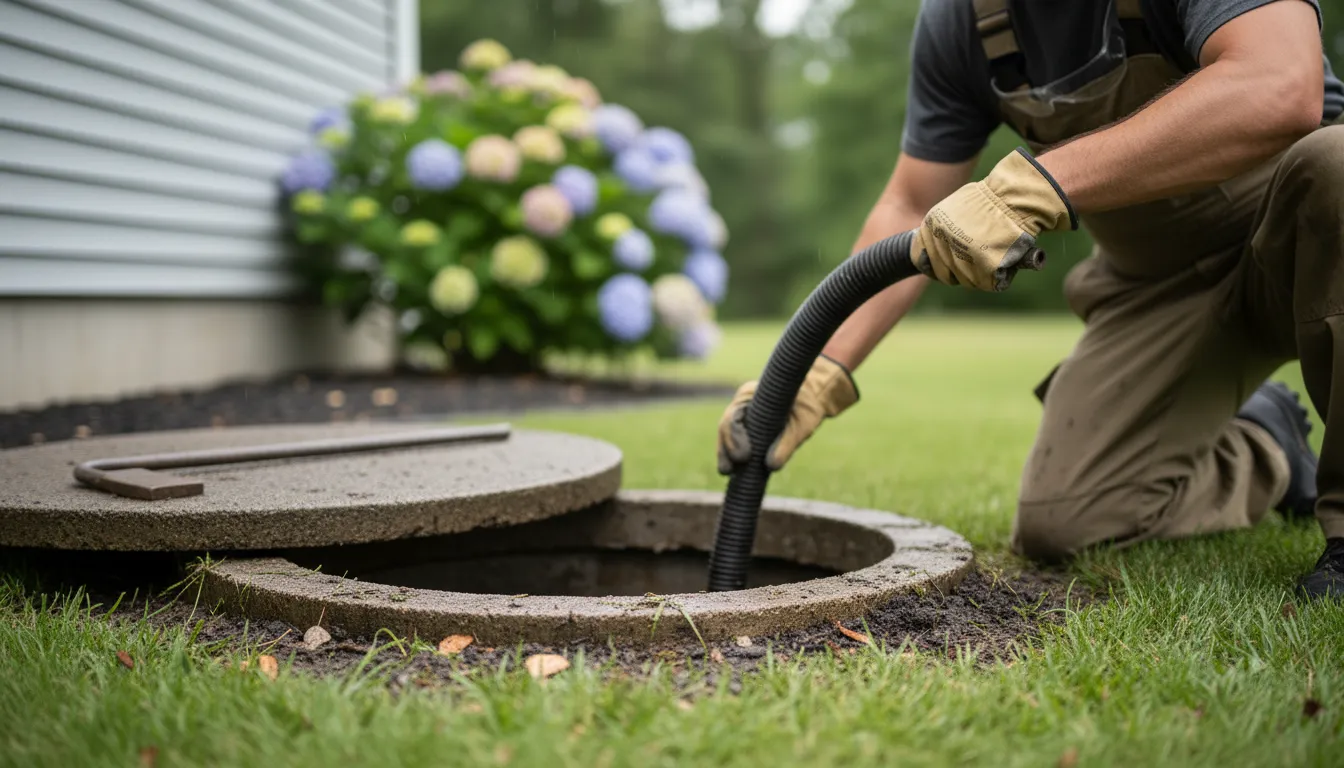
- Pumping: Using a large truck-mounted vacuum hose, they will pump out all the contents (sludge, scum, and liquid) from the tank.
- Inspection: A reputable pumper will often inspect the tank's baffles, tees, and walls for cracks or damage while it's empty.
- Clean-up and Backfill: The lids are replaced, the area is cleaned, and the excavation is backfilled.
- Disposal: The septage is transported to a DEQ-approved treatment facility for processing 8.
Important: Do not pump your tank during saturated ground conditions (early spring), as the empty tank could float out of the ground due to high groundwater pressure.
Proactive Maintenance Beyond Pumping
Pumping is the most critical task, but other habits extend your system's life:
- Conserve Water: Fix leaks and spread out water-intensive activities.
- Mind What You Flush: Only human waste and toilet paper. Never flush wipes (even "flushable" ones), feminine products, diapers, grease, coffee grounds, or chemicals.
- Protect the Drainfield: Never drive or park on it. Plant only grass over it; tree roots can cause severe damage.
- Keep Records: Maintain a log of all inspections, pumpings, and repairs. This is valuable for troubleshooting and is often required if you sell your home 9 10.
Working with Local Idaho Health Districts
Idaho is divided into seven public health districts. Your local district is an invaluable resource. They:
- Issue permits for new system installation and major repairs.
- Maintain records of your system's design (the "as-built").
- Provide specific local guidance and regulations that may supplement state rules.
Before buying property or planning major changes, contact your local health district (e.g., Eastern Idaho Public Health, South Central Public Health District) to understand the requirements for your parcel 11 12.
Finding a Qualified Service Provider in Idaho
Always hire a licensed, insured septic service professional. Look for companies with good local reputations and ask for references. A qualified pumper will:
- Hold a current license from the Idaho Department of Environmental Quality.
- Provide a clear, written estimate.
- Explain what they are doing during the service.
- Offer to inspect your tank components after pumping.
- Properly dispose of septage at a licensed facility.
Regular maintenance with a trusted professional is the simplest way to ensure your septic system operates smoothly for decades.
Frequently asked questions
Sources
Footnotes
-
IDAHO SEPTIC PUMPERS TECHNICAL GUIDANCE ... - https://www2.deq.idaho.gov/admin/LEIA/api/document/download/23934 ↩
-
Idaho Septic Tank Requirements | Subsurface Sewage Disposal ... - https://www.ntotank.com/blog/idaho-septic-tank-requirements ↩
-
Septic Systems and Drainfields: - Eastern Idaho Public Health - https://eiph.id.gov/wp-content/uploads/EH/Septic/WQ-Brochure-Septic-Systems-and-Drainfields-1.pdf ↩
-
Pumping Your Septic Tank - Southeastern Idaho Public Health - https://www.siphidaho.org/environmental-health/septic-pumping-your-tank.php ↩
-
Idaho Admin. Code r. 58.01.03.051 - CLEANING OF SEPTIC TANKS - https://www.law.cornell.edu/regulations/idaho/IDAPA-58.01.03.051 ↩
-
How Often Should You Schedule Septic Pumping? - https://www.aaasewerserviceidahofalls.com/how-often-should-you-schedule-septic-pumping ↩
-
How Much Does It Cost to Pump Septic Tank: A Detailed Pricing Guide - https://www.benjaminfranklinplumbing.com/league-city/blog/2025/march/how-much-does-it-cost-to-pump-septic-tank-a-detailed-pricing-guide/ ↩
-
Septic and Septage - Idaho Department of Environmental Quality - https://www.deq.idaho.gov/water-quality/wastewater/septic-and-septage/ ↩
-
Homes with Septic Systems: What You Need To Know in Idaho - https://www.billsseweranddrain.com/homes-with-septic-systems ↩
-
So, You've Decided to Install Your Own Septic System... (Are ... - https://eiph.id.gov/wp-content/uploads/2025/09/Homeowner-Installation-Guide-9-2025.pdf ↩
-
Homeowner's Guide to Septic Systems - https://phd5.idaho.gov/Documents/Environmental-Health/EPA_Septic_System_Guide_4-8-16.pdf ↩
-
Illinois Septic Tank Requirements | Onsite Wastewater Treatment Systems - https://www.ntotank.com/blog/illinois-septic-tank-requirements ↩