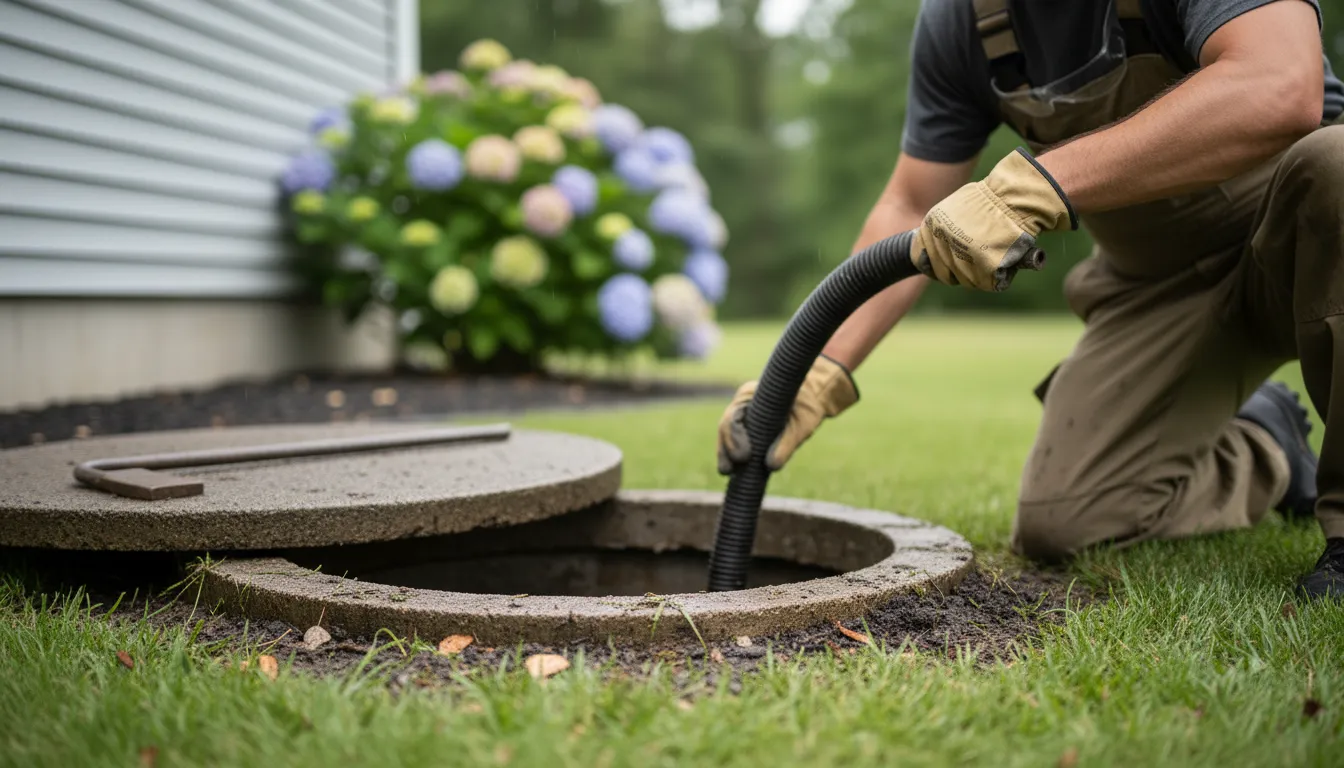
Find the Best Septic Tank Pumping Contractors for Your Business
No obligation • Fast responses • Nationwide coverage

Why you can trust Septic Spot
Septic Spot is a leading United States resource for understanding and comparing septic services. Our editors review providers using consistent criteria and verify key business details. Listings and scores are independent, and companies cannot pay to influence our content.
Search providers near you
Best Septic Tank Pumping Contractors in Montana Ranked
Maintaining your septic system is a critical responsibility for Montana homeowners, protecting your property investment and the state's pristine groundwater. Septic tank pumping is the core maintenance task that removes accumulated solids, preventing system failure and environmental contamination. This guide provides clear, practical information on regulations, schedules, costs, and best practices to help you find qualified local professionals for this essential service.
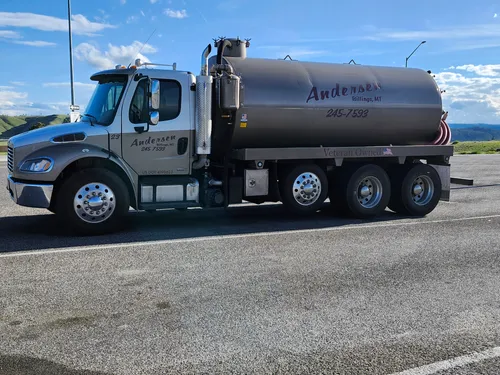
Andersen Sewer Service
7371 Kylee Sue Dr, Shepherd, MT 59079
Andersen Sewer Service is a veteran-owned, family-operated company providing septic system pumping, repair, and installation services in Billings, MT. They serve both residential and commercial clients across south-central Montana, including grease trap maintenance and emergency septic services. With over 40 years of combined experience, Andersen Sewer Service offers thorough assessments and repairs tailored to Montana's unique soil and climate conditions. The team emphasizes clear communication and practical solutions to maintain system health and prevent disruptions.
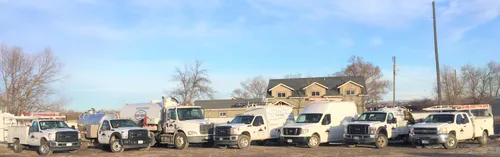
Cotter's Sewer, Septic and Portable Toilet Services
1750 E 8th St, Laurel, MT 59044
Cotter's Sewer, Septic and Portable Toilet Services provides septic pumping, drain cleaning, plumbing, and portable toilet services in Billings, MT. The company also offers trenchless sewer pipe repairs and serves the surrounding areas. Cotter's Sewer is available for 24/7 emergency services to address urgent plumbing and septic needs.
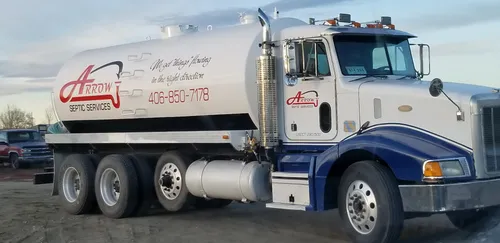
Arrow Septic and Sewer Services, LLC
8105 Hofferber Rd, Shepherd, MT 59079
Arrow Septic and Sewer Services, LLC provides a range of septic system services in Billings, MT, and surrounding areas including Shepherd, Red Lodge, Lockwood, and more. The company offers septic tank installation, pumping, grease trap pumping, drain field repair and replacement, septic tank filter cleaning, and porta-potty rentals. They serve both residential and commercial clients and provide 24/7 availability including same-day, evening, weekend, and emergency services. Their expertise includes comprehensive drain field services to address septic system seepage issues. Arrow Septic and Sewer Services also covers multiple counties such as Yellowstone, Musselshell, and Carbon. Serving a broad region around Billings, the company emphasizes maintaining septic systems to extend their lifespan and prevent costly repairs. They focus on protecting water supplies from contamination by providing professional septic maintenance and repair solutions.
Understanding Your Septic System and Montana Regulations
A septic system is an on-site wastewater treatment plant for properties not connected to a municipal sewer. In Montana, with its vast rural and mountainous landscapes, these systems are common. Proper function relies on a balance of bacterial activity in the tank to break down waste. Over time, solids that cannot be broken down (sludge) and floating scum accumulate. If not removed via pumping, these layers can overflow into the drainfield, causing clogging, backups, and costly system failure 1.
Montana law places the responsibility for septic system maintenance squarely on the homeowner. The Montana Department of Environmental Quality (DEQ) and local county health departments enforce regulations to protect public health and water quality. For any new installation or major repair, a permit from your local county health department is required. Understanding these rules is the first step in responsible ownership.
How Often Should You Pump Your Septic Tank in Montana?
There is no single universal schedule, as pumping frequency depends on several household factors. The general guideline for Montana is to pump your septic tank every 3 to 5 years.
However, this is a starting point. Your actual needed frequency depends on:
- Household Size: More people generate more wastewater and solids.
- Total Wastewater Generated: The volume of water from showers, laundry, and toilets.
- Amount of Solids: Garbage disposal use significantly increases solids.
- Septic Tank Size: Larger tanks hold more volume and may extend time between pumpings.
The most reliable method is to have your tank inspected annually by a professional. They will measure the sludge and scum layers. Pumping is necessary when:
- The scum layer is within 6 inches of the outlet baffle or tee.
- The sludge layer is within 12 inches of the outlet 2.
Some Montana counties may mandate inspections every 3 years, but an annual check is a wise practice that can catch small issues before they become expensive disasters 3.
The Cost of Septic Tank Pumping in Montana
The average cost to pump a septic tank in Montana typically ranges from $250 to $500 4. This price can vary based on:
- Tank Size and Accessibility: Larger tanks (1,500+ gallons) cost more to pump. Tanks with installed risers (access ports at ground level) are easier and cheaper to service than those that require excavation.
- Location and Travel: Remote or difficult-to-access properties may incur higher travel fees.
- Additional Services: The base pumping fee may not include inspection, cleaning effluent filters, or reporting.
Be aware that some service providers may add a reporting fee (e.g., $50) if they are required to submit inspection results directly to your local health department 5. Always ask for a detailed quote that breaks down all potential charges.
Find the perfect septic tank pumping contractors for your needs
Get personalized recommendations and expert advice
Key Components of Effective Septic System Maintenance
Pumping is the most vital task, but a comprehensive maintenance plan ensures long-term system health and avoids the high cost of drainfield replacement, which can run into the thousands of dollars 6 7.
1. Regular Inspections and Pumping: Adhere to the inspection and pumping schedule determined by a professional. Modern systems often require risers for easier access, and many local regulations now mandate them 8 9.
2. Practice Water Conservation: Overloading the system with water doesn't allow solids to settle properly. Fix leaky faucets and toilets immediately, use high-efficiency fixtures, and stagger water-intensive activities like laundry 10.
3. Mind What Goes Down the Drain: Your septic system relies on beneficial bacteria. Avoid flushing or pouring anything that can kill these bacteria or clog the system.
- Do Not Flush: Baby wipes, feminine hygiene products, dental floss, cigarette butts, cat litter, or condoms.
- Do Not Pour: Cooking oils/grease, paint, chemicals, pesticides, or excessive antibiotics down the drain 11.
4. Protect Your Drainfield: This area is where treated wastewater is dispersed into the soil. Never drive or park vehicles on it, and do not build structures or place patios over it. Keep roof drains and sump pumps directed away from the drainfield area 12.
Recognizing Signs of Septic System Trouble
Catching problems early can save you money. Be alert for these warning signs:
- Slow Drains: Gurgling pipes or slow drainage throughout the house.
- Sewage Odors: Unpleasant smells indoors or near the drainfield.
- Wet Spots: Soggy, bright green grass, or standing water over the drainfield.
- Sewage Backups: Wastewater backing up into household drains.
If you notice any of these signs, contact a septic professional immediately. Ignoring them can lead to complete system failure and groundwater contamination.
Special Considerations for Montana Homeowners
- Experimental Systems: In areas with challenging soils, some homes may have alternative or experimental system designs. These often require more frequent, specialized monitoring and maintenance as stipulated by their permit.
- Water Table and Flooding: Be aware of your local water table. Systems in low-lying areas or those experiencing flooding are at higher risk of malfunction.
- Seasonal Use: For cabins or seasonally occupied homes, discuss an appropriate maintenance schedule with your provider, as infrequent use can also affect bacterial health.
Proper septic system care is non-negotiable for protecting Montana's environment and your wallet. By understanding the requirements, committing to regular pumping and inspection, and choosing responsible daily habits, you ensure your system functions reliably for years to come.
Frequently asked questions
Sources
Footnotes
-
A Homeowner's Guide to Septic Systems EPA 832-B-02-006 - https://deq.mt.gov/files/Water/WPB/Nonpoint/Publications/319%20Documents/Septic_System_Factsheet.pdf ↩
-
Septic System Programs - Lewis & Clark County - https://www.lccountymt.gov/Government/Public-Health/Environmental-Health/Septic-Systems ↩
-
Homeowner's Guide to Septic Systems - Cascade County - https://www.cascadecountymt.gov/DocumentCenter/View/758/Homeowners-Guide-to-Septic-Systems-PDF ↩
-
How Much Does It Cost to Pump Septic Tank: A Detailed Pricing Guide - https://www.benjaminfranklinplumbing.com/league-city/blog/2025/march/how-much-does-it-cost-to-pump-septic-tank-a-detailed-pricing-guide/ ↩
-
Assessment for Septic Tank Pumping Frequency - https://archive.legmt.gov/content/Committees/Interim/2019-2020/Local-Government/Committee-Topics/SJ3-T/Septic_assessment_maintenence.pdf ↩
-
Homeowner Septic System Operation and Maintenance Guide - https://woodcountyhealth.org/wp-content/uploads/2021/04/Operation-and-Maintenance-Guide_2021.pdf ↩
-
Septic system permitting in Montana - https://archive.legmt.gov/media/filer_public/a5/47/a547d34b-b518-4041-924b-569941211a36/7519_septic_system_permitting_in_montana.pdf ↩
-
Why Maintain Your Septic System | US EPA - https://www.epa.gov/septic/why-maintain-your-septic-system ↩
-
Septic Tank and Drainfield Operation and Maintenance - https://www.healthygallatin.org/wp-content/uploads/2013/04/WWTSOM.pdf ↩
-
Septic Systems - https://livingonthebank.com/buying-land-and-selecting-construction-site/septic-systems/ ↩
-
A Montana Homeowner's Guide to Septic Systems - https://deq.mt.gov/files/Land/SolidWaste/Documents/HomeownerGuideSepticSystems.pdf ↩
-
Rules and Regulations for On-Site Wastewater Treatment Systems ... - https://riverstonehealth.org/wp-content/uploads/Rule-3-11th-revision-approved-9.22.16-signed-document.pdf ↩