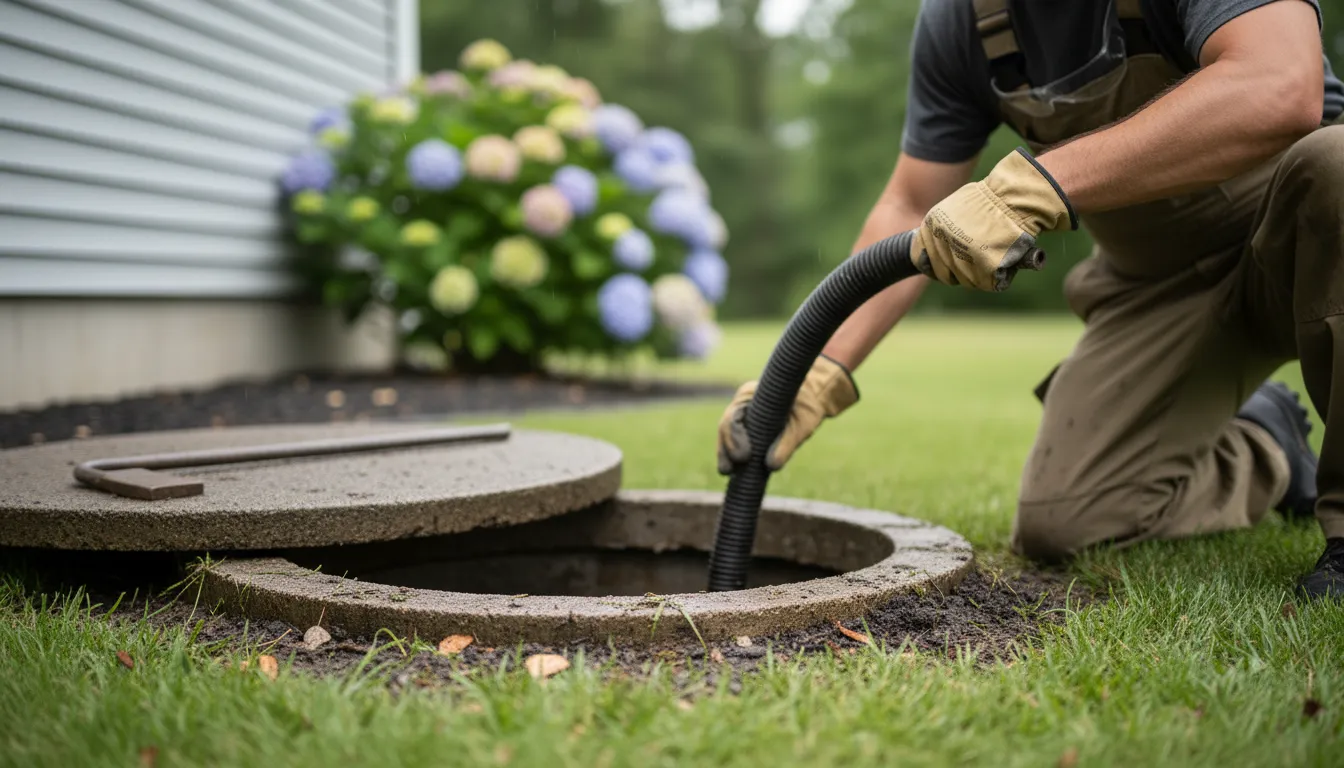
Find the Best Septic Tank Pumping Contractors for Your Business
No obligation • Fast responses • Nationwide coverage

Why you can trust Septic Spot
Septic Spot is a leading United States resource for understanding and comparing septic services. Our editors review providers using consistent criteria and verify key business details. Listings and scores are independent, and companies cannot pay to influence our content.
Search providers near you
Top Septic Tank Pumping Contractors in Bridgewater, New Jersey Ranked
Maintaining a healthy septic system is a crucial responsibility for homeowners not connected to municipal sewer lines. Septic tank pumping, also known as septic tank cleaning or sludge removal, is the essential process of removing accumulated solids from your tank to prevent system failure, backups, and environmental contamination. For Bridgewater residents, adhering to a regular maintenance schedule is not just a recommendation-it's often a requirement under New Jersey Department of Environmental Protection (NJDEP) regulations. This guide explains the importance of routine septic system service, outlines local rules, and helps you understand what to expect when scheduling this vital home maintenance task with a qualified professional.
EarthCare, a Wind River Company
New York, NY
EarthCare, a Wind River Company, provides septic tank pumping, inspection, and grease services in New York, NY, and surrounding areas including North Jersey and Hudson Valley. Serving residential, commercial, and municipal clients, they offer comprehensive waste management solutions such as pumping, cleaning, hauling, disposal, and environmental compliance support. Established in 1946, EarthCare operates one of the industry's largest fleets and provides 24/7 emergency services to ensure continuous system operation and regulatory compliance.
A Norton Septic Contracting
3171 US-9, Old Bridge, NJ 08857
A Norton Septic Contracting is a full-service septic company based in New York, NY, offering septic tank pumping, inspections, repairs, and installations. They serve residential and commercial clients and specialize in alternative septic systems like Hoot and Infiltrator. With over 30 years of experience, they provide NJDEP-compliant inspections and have developed effective repair methods for systems that fail prematurely. The company emphasizes proper maintenance and offers consultations to troubleshoot septic issues. They provide personalized service and handle each project from start to finish.
Tiger Grease and Septic
New York, NY
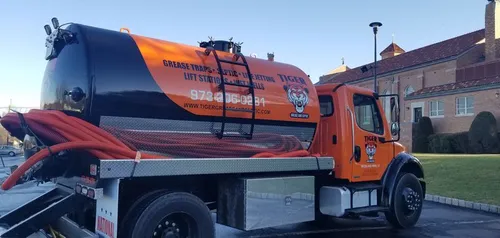
Tiger Grease and Septic is a septic tank pumping company based in New York, NY. They provide grease trap pumping and septic system maintenance services, including the use of specialized equipment like low profile vacuum trucks and portable units for hard-to-reach indoor grease traps. Their fleet includes large volume tankers capable of thorough grease and food solid removal to help prevent backups and odors. The company offers service seven days a week and can arrange same-day emergency pumping when needed.
WHERE OLD MEETS NEW LLC
2a Great Meadow Ln, East Hanover, NJ 07936
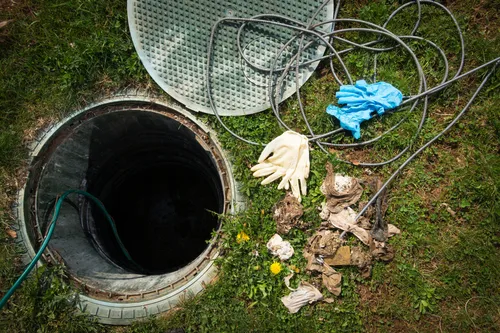
WHERE OLD MEETS NEW LLC is a family-operated septic service company based near New York, NY, serving the communities of Northern New Jersey. They provide full-service septic system maintenance, repair, and installation for both residential and commercial properties. With over 50 years of experience, the company offers expertise in all aspects of septic systems, including planning and permitting for new installations. WHERE OLD MEETS NEW LLC is licensed and insured, continuing a legacy that began with B Horstmann Septic Service founded in 1978.
Morris Septic Service
136 Wayne St, Wayne, NJ 07470
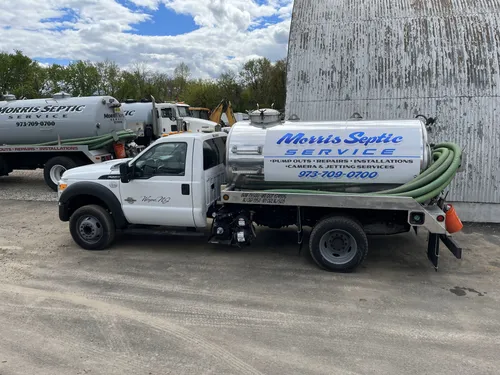
Morris Septic Service provides septic tank pumping and inspection services in New York, NY. They focus on preventive maintenance to help reduce emergency repair costs and serve all of Northern New Jersey, including towns like Mt. Olive, Flanders, Budd Lake, West Milford, Montville, Towaco, and Pinebrook. Their team is experienced in septic system care and offers local support with attention to each home.
Why Regular Septic System Maintenance is Non-Negotiable
Your septic system is a silent workhorse, treating all the wastewater from your home. When functioning correctly, it protects your family's health, your property value, and the local groundwater. Neglecting routine septic tank cleaning is the primary cause of system failure, which can lead to:
- Sewage Backups: The most immediate and unpleasant consequence, often surfacing in drains, toilets, and bathtubs.
- Leach Field Failure: When solids clog the drainfield, untreated wastewater can pool on the surface or contaminate groundwater, requiring extremely costly repairs or full system replacement.
- Environmental Pollution: A failing system can release harmful bacteria, nitrates, and viruses into the soil and nearby water sources.
- Health Department Violations: Bridgewater Township enforces state septic codes, and failure to maintain your system can result in fines and mandatory, urgent repairs.
Regular pumping removes the sludge and scum that bacteria cannot break down, ensuring your entire onsite wastewater treatment system operates efficiently for decades.
Bridgewater's Recommended Pumping & Inspection Schedule
How often you need to schedule septic tank service depends on several household factors. General guidelines from the U.S. Environmental Protection Agency and New Jersey authorities provide a solid baseline 1.
- Standard Schedule: For a typical household, septic tanks should be pumped every 3 to 5 years.
- High-Usage Scenarios: More frequent pumping-every 18 to 24 months-is strongly recommended if your home has a garbage disposal, higher-than-average water usage, a smaller tank, or a large number of occupants 2 3.
- Mandatory Inspections: Regardless of pumping frequency, your entire septic system should be inspected by a licensed professional at least every 3 years. An inspection can identify minor issues before they become major, expensive failures.
The most reliable way to determine your home's ideal schedule is to consult with a licensed septic contractor who can assess your tank's size and your household's specific usage patterns.
Understanding New Jersey and Local Bridgewater Regulations
Working on a septic system in New Jersey is highly regulated to protect public health and the environment. Homeowners must be aware of key rules:
- Licensing is Required: All septic system contractors, pumpers, and installers must be licensed by the state. Always verify a professional's credentials before hiring them for pumping, inspection, or repair work.
- Permits for Repairs: Major repairs, such as tank replacements, repairs to the distribution box, or any modifications to the leach field, require permits from the local health department 4.
- System Setbacks: State and local codes mandate minimum distances (setbacks) between septic system components and other features. These often include being 50-100 feet from wells or water bodies and 10-25 feet from property lines and building foundations 5 6.
- Record Keeping: Maintain detailed records of every pumping, inspection, and repair. These documents are crucial for proving compliance if you sell your home and for tracking your system's maintenance history 7.
For the most precise information on Bridgewater Township ordinances, which may have specific requirements, contacting the Bridgewater Township Health Department directly is advised 8 9.
Find the perfect septic tank pumping contractors for your needs
Get personalized recommendations and expert advice
What to Expect: The Septic Pumping Process and Costs
Knowing what happens during a service visit can help you prepare. A standard septic tank pumping service typically includes:
- Locating & Uncovering: The technician will locate your tank's access lids (manholes) and excavate if they are buried.
- Initial Inspection: They will often check the sludge and scum levels to confirm pumping is needed and note the condition of baffles and tees.
- Pumping: Using a large tank truck, all solids and liquids are vacuumed from the tank.
- Post-Pump Inspection: With the tank empty, a more thorough inspection of the tank's interior, inlet, and outlet pipes can be conducted.
- Cleanup & Reporting: The site is tidied, lids are securely replaced, and you should receive a service report for your records.
Cost Factors for Septic Pumping in New Jersey
The cost to pump a septic tank in New Jersey typically ranges from $300 to over $600 per visit 10 11. In Bridgewater, a sample fee for pumping a standard 1,000-gallon tank might be around $352 12. Several variables influence the final price:
- Tank Size: Larger tanks (1,500+ gallons) cost more to pump than smaller ones.
- Sludge Accumulation: Heavily neglected tanks with excessive solids may incur higher fees.
- Accessibility: If the tank lids are deeply buried or obstructed, extra labor for excavation will add to the cost.
- Additional Services: Costs will increase if the service includes a full system inspection, filter cleaning, or minor repairs.
Always get a detailed estimate before work begins.
Proactive Care to Extend Your System's Life
Pumping is the cornerstone of maintenance, but daily habits significantly impact your system's health. Follow these best practices:
- Conserve Water: Fix leaks and spread out laundry loads to avoid overwhelming the drainfield.
- Mind What You Flush: Only human waste and toilet paper should go down the drain. Never flush wipes (even "flushable" ones), feminine hygiene products, dental floss, diapers, or cooking grease.
- Use Septic-Safe Products: Choose biodegradable, phosphate-free soaps and detergents. Avoid harsh chemicals, antibacterial soaps, and excessive bleach, which can kill the beneficial bacteria in your tank 13.
- Protect the Drainfield: Never park vehicles or build structures over the leach field. Keep roof drains and sump pumps directed away from it.
Signs Your Septic Tank Needs Immediate Attention
Don't wait for a complete failure. Contact a septic professional if you notice any of these warning signs:
- Slow-draining sinks, tubs, or toilets.
- Gurgling sounds in your plumbing.
- Unpleasant sewage odors around your yard or home.
- Unusually lush, green grass or soggy soil over the drainfield area.
- Sewage backing up into household drains.
Addressing these issues promptly can prevent a minor problem from becoming a catastrophic and expensive repair.
Frequently asked questions
Sources
Footnotes
-
Frequent Questions on Septic Systems | US EPA - https://www.epa.gov/septic/frequent-questions-septic-systems ↩
-
Pumping Services - New Jersey Septic Management Group - https://nj-septic.com/pumping-services/ ↩
-
How Often Should I Pump Out My Septic Tank? - https://cms2.revize.com/revize/westportma/Documents/Departments/Health/Forms%20And%20Resources/how_often_should_i_pump_out_my_septic_tank_2.pdf?t=202508080914340&t=202508080914340 ↩
-
NJ Septic Regulations for 2026: Inspections, Permits & Rules - https://www.atsenvironmental.com/blog/nj-septic-regulations-for-2026/ ↩
-
Septic System Operation and Maintenance - https://www.health.ny.gov/publications/3208/ ↩
-
Navigating Septic System Regulations: Expert Guidance for New ... - https://www.mapengineering.net/navigating-septic-system-regulations/ ↩
-
SEPTIC - NJ.gov - https://dep.nj.gov/wp-content/uploads/dwq/pdf/septicmn.pdf ↩
-
New Jersey Septic System Rules - 2026 Guide - https://thesewerkings.com/blog/new-jersey-septic-system-rules/ ↩
-
Septic Tank Pumping Guide for Families of 4 - https://www.benjaminfranklinplumbing.com/league-city/blog/2024/december/how-often-to-pump-septic-tank-family-of-4-essential-guidelines/ ↩
-
Understanding the Average Cost to Pump a Septic Tank - https://www.scorpionsepticservices.com/blog/understanding-the-average-cost-to-pump-a-septic-tank ↩
-
New Jersey Septic Systems Costs & Prices - ProMatcher Cost Report - https://septic-systems.promatcher.com/cost/new-jersey.aspx ↩
-
Septic Tank Pumping Cost: Guide & Pricing in 2025 - https://www.splashplumbing.com/how-much-does-it-cost-to-pump-septic-tank-understanding-pricing-and-factors-involved/ ↩
-
How to Care for Your Septic System | US EPA - https://www.epa.gov/septic/how-care-your-septic-system ↩