Find the Best Septic Tank Pumping Contractors for Your Business
No obligation • Fast responses • Nationwide coverage

Why you can trust Septic Spot
Septic Spot is a leading United States resource for understanding and comparing septic services. Our editors review providers using consistent criteria and verify key business details. Listings and scores are independent, and companies cannot pay to influence our content.
Search providers near you
Top Septic Tank Pumping Contractors in East Orange, New Jersey Ranked
Maintaining your septic system is a crucial responsibility for any homeowner in East Orange. Septic tank pumping, also known as septic tank cleaning or septic tank servicing, is the essential process of removing the accumulated sludge and scum from your tank to prevent system failure, backups, and environmental contamination. In New Jersey, where state regulations are strictly enforced, keeping up with this maintenance is not just a recommendation-it's a legal requirement for protecting public health and groundwater. This guide will help you understand the local schedule, costs, and regulations, empowering you to find qualified local professionals to handle this vital home service.
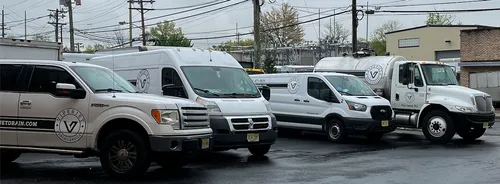
Viper Jet Drain Services
5-02 Banta Pl, Fair Lawn, NJ 07410
Viper Jet Drain Services is a septic tank pumping company based in Paterson, NJ, offering a full range of drain, septic, and grease trap services. They serve residential, commercial, and municipal clients throughout New Jersey and New York City. Their licensed and insured technicians use advanced equipment to provide services such as septic tank cleaning and pumping, hydro jetting, grease trap maintenance, and stormwater drain management. Viper Jet is a family-owned business that emphasizes expertise and commitment in all their work. They also provide responsive emergency service when needed.
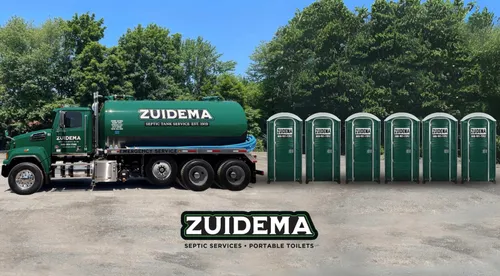
Zuidema Septic Services & Portable Toilets
90 Midland Ave, Midland Park, NJ 07432
Zuidema Septic Services & Portable Toilets provides residential and commercial septic services along with portable toilet and restroom trailer rentals in New York, NY. With over 100 years of experience since 1919, they offer septic tank pumping, inspections, repairs, and grease trap services. Their use of advanced sewer camera technology helps identify and address sewer line issues effectively. Zuidema also offers 24/7 emergency service for septic and portable toilet needs, ensuring support is available at any time.
EarthCare, a Wind River Company
New York, NY
EarthCare, a Wind River Company, provides septic tank pumping, inspection, and grease services in New York, NY, and surrounding areas including North Jersey and Hudson Valley. Serving residential, commercial, and municipal clients, they offer comprehensive waste management solutions such as pumping, cleaning, hauling, disposal, and environmental compliance support. Established in 1946, EarthCare operates one of the industry's largest fleets and provides 24/7 emergency services to ensure continuous system operation and regulatory compliance.
A Norton Septic Contracting
3171 US-9, Old Bridge, NJ 08857
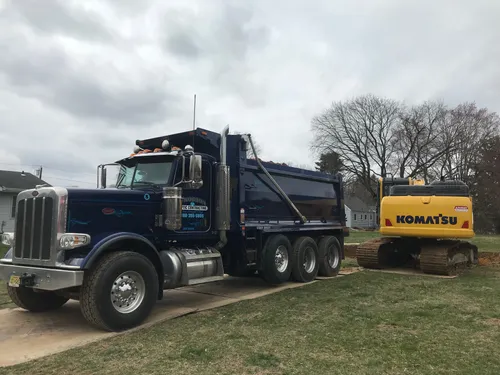
A Norton Septic Contracting is a full-service septic company based in New York, NY, offering septic tank pumping, inspections, repairs, and installations. They serve residential and commercial clients and specialize in alternative septic systems like Hoot and Infiltrator. With over 30 years of experience, they provide NJDEP-compliant inspections and have developed effective repair methods for systems that fail prematurely. The company emphasizes proper maintenance and offers consultations to troubleshoot septic issues. They provide personalized service and handle each project from start to finish.
Tiger Grease and Septic
New York, NY
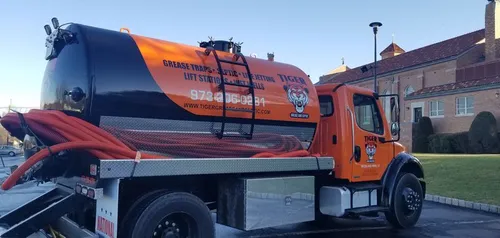
Tiger Grease and Septic is a septic tank pumping company based in New York, NY. They provide grease trap pumping and septic system maintenance services, including the use of specialized equipment like low profile vacuum trucks and portable units for hard-to-reach indoor grease traps. Their fleet includes large volume tankers capable of thorough grease and food solid removal to help prevent backups and odors. The company offers service seven days a week and can arrange same-day emergency pumping when needed.
Understanding Your Septic System and Why Pumping is Critical
A septic system is an on-site wastewater treatment structure, commonly used in areas without centralized municipal sewer lines. It consists of a septic tank and a drainfield (or leach field). The tank's primary job is to separate solids from the liquid effluent. Solids settle as sludge at the bottom, while fats and oils float to the top as scum. The clarified liquid in the middle then flows out to the drainfield for further treatment in the soil.
Over time, the sludge and scum layers build up. If they aren't removed through regular septic tank emptying, they can overflow into the drainfield, clogging the soil and causing a system failure. This can lead to sewage backing up into your home, foul odors in your yard, and contamination of nearby wells and waterways. Regular pumping is the single most important thing you can do to extend the life of your entire septic system, which is a significant financial investment.
Recommended Pumping Frequency for East Orange Homes
How often you need septic tank cleaning depends on several factors, including tank size and household water usage. For most households in East Orange and across New Jersey, the general guideline is to have your septic tank pumped every 3 to 5 years 1.
However, certain conditions necessitate more frequent service, potentially as often as every 18 to 24 months. You should consider a more aggressive pumping schedule if:
- Your household has a large number of residents.
- You frequently use a garbage disposal, which adds substantial solids to the tank.
- Your septic tank is on the smaller side for your home's needs.
- You generate a high volume of laundry or have other high water-use habits.
The most reliable way to determine your specific schedule is through a professional inspection, which should be conducted every 1 to 3 years2 3. During an inspection, a certified technician will measure the depth of the sludge and scum layers. A common rule is that pumping is needed if the sludge layer is within 12 inches of the outlet tee4.
New Jersey and East Orange Regulations You Must Know
The New Jersey Department of Environmental Protection (NJDEP) has strict regulations governing individual sewerage disposal systems. Compliance isn't optional, and understanding these rules can save you from significant fines and headaches.
- Mandatory Inspections for Property Transfer: One of the most critical regulations involves real estate. If you are selling (or buying) a property with a septic system in New Jersey, a state-certified inspection is required5. The inspection report must be submitted to the local health authority within 24 hours of completion. A failing system can halt a real estate transaction.
- System Upgrades: If a system installed before 1980 requires repairs, the NJDEP often mandates that it be upgraded to meet current codes, which can be a substantial project.
- Cesspool Prohibition: Cesspools are illegal in New Jersey. If one is discovered during an inspection, it must be replaced with an approved septic system.
- Record Keeping: It is imperative to keep detailed records of all inspections, pumping services, repairs, and permits. These documents are necessary for compliance, real estate transactions, and troubleshooting future issues6.
Find the perfect septic tank pumping contractors for your needs
Get personalized recommendations and expert advice
What to Expect: The Septic Pumping Process and Costs
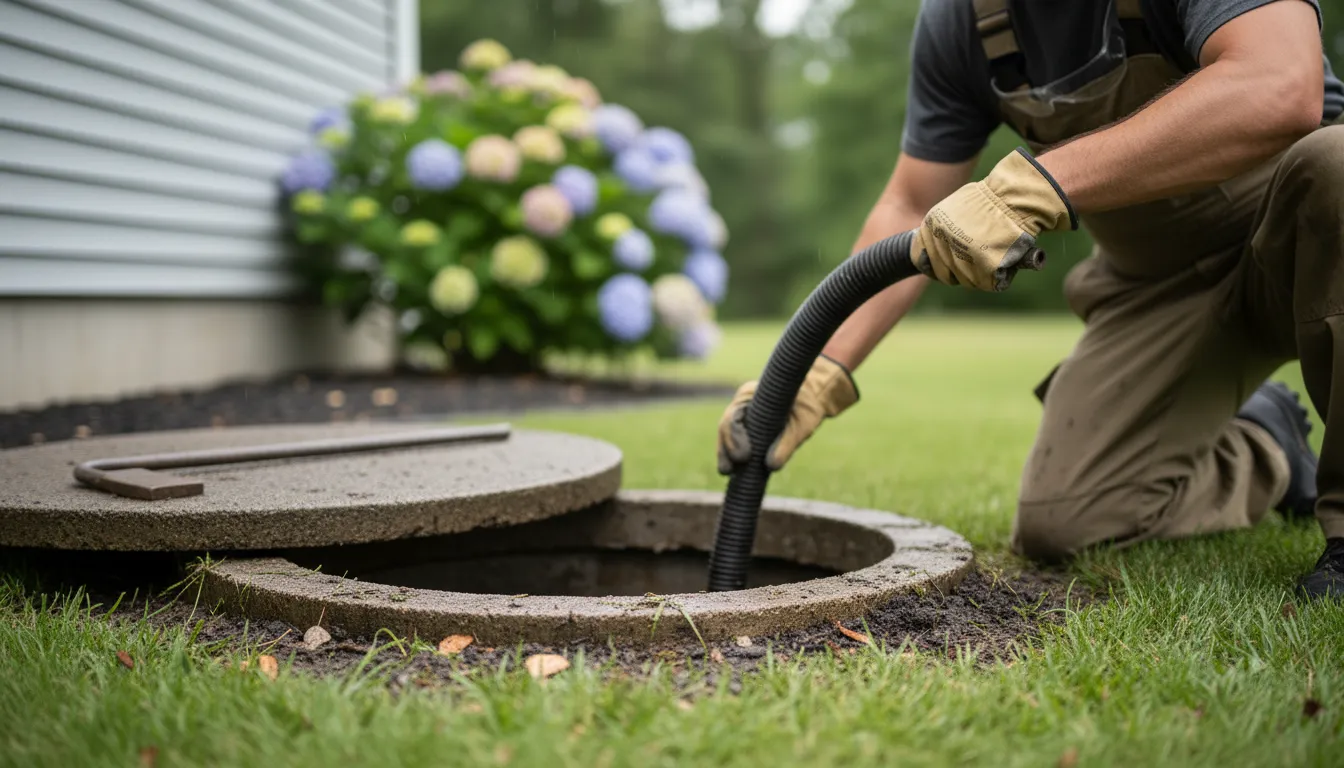
When you schedule a septic tank pumping service, a professional crew will arrive with a vacuum truck. They will locate and uncover your tank's access lids, insert a large hose, and vacuum all the contents (sludge, scum, and liquid) into the truck. They may also briefly run water through your house's drains to check for flow issues and inspect the tank's baffles and interior condition after pumping.
In East Orange, the cost for a standard septic tank pumping service typically ranges from $290 to $700. The final price depends on:
- Tank Size: Larger tanks cost more to pump.
- Accessibility: Difficult-to-reach tanks may incur additional charges.
- Condition: Tanks that are significantly overdue for service (e.g., 7+ years) may have solidified waste, adding $100 to $200 to the cost for extra labor.
- Emergency Services: If you have a backup or failure requiring immediate attention, expect to pay between $450 and $1,2007.
Be aware that any required permits for inspection or repair can range from $200 to $1,5008. Always get a detailed, written estimate before work begins.
Maintaining Your System Between Pumpings
Proper care between professional septic tank services can prevent emergencies and lower long-term costs.
- Conserve Water: Fix leaks and spread out laundry loads to avoid overwhelming the system.
- Mind What You Flush: Only human waste and toilet paper should go down the toilet. Never flush wipes (even "flushable" ones), feminine hygiene products, dental floss, or chemicals.
- Use the Trash, Not the Drain: Avoid using your garbage disposal excessively. Dispose of cooking grease, coffee grounds, and food scraps in the trash.
- Protect Your Drainfield: Never park or drive over it. Keep roof drains, sump pumps, and other rainwater systems away from the area. Plant only grass over the drainfield; tree roots can cause severe damage.
Signs Your Septic Tank Needs Immediate Attention
Don't wait for your scheduled maintenance if you notice any of these red flags. Contact a professional for septic tank servicing right away:
- Slow Drains: Sinks, showers, and toilets that drain slowly, especially if gurgling is involved.
- Sewage Backups: Wastewater coming back up into household drains.
- Bad Odors: Foul smells emanating from your drains or in the yard near the tank or drainfield.
- Lush, Wet Grass: Spongy ground or unusually green, lush grass over the drainfield, indicating an effluent surfacing.
- Standing Water: Puddles or soggy soil in the area of your septic system.
Choosing a Qualified Service Provider in East Orange
Selecting the right company for septic tank pumping and inspection is vital. Look for:
- NJ State Certification: Ensure the company and its inspectors are certified by the state of New Jersey.
- Licensing and Insurance: Verify they hold proper business licenses and carry adequate liability and workers' compensation insurance.
- Local Experience: A company familiar with East Orange soil types, local regulations, and common system designs.
- Detailed Reporting: They should provide a thorough report of their findings, including sludge/scum measurements and any recommendations.
- Good Standing: Check online reviews and references from past customers.
Frequently asked questions
Sources
Footnotes
-
SEPTIC - NJ.gov - https://dep.nj.gov/wp-content/uploads/dwq/pdf/septicmn.pdf ↩
-
Frequent Questions on Septic Systems | US EPA - https://www.epa.gov/septic/frequent-questions-septic-systems ↩
-
Septic Systems | Department of Environmental Protection - https://www.pa.gov/agencies/dep/residents/my-water/septic-systems ↩
-
Pumping Services - New Jersey Septic Management Group - https://nj-septic.com/pumping-services/ ↩
-
Chapter BH11: Individual Sewerage Disposal Systems - eCode360 - https://ecode360.com/35998141 ↩
-
New Jersey Septic System Rules - 2026 Guide - https://thesewerkings.com/blog/new-jersey-septic-system-rules/ ↩
-
Septic Pumping Cost by State: 2024 Complete Price Guide - https://wastedoor.com/article/septic-pumping-cost-by-state ↩
-
New Jersey Septic Tank Rules and Regulations - Arrow Sewer & Drain - https://www.arrowsewernj.com/blog/septic-tanks-in-new-jersey-what-you-need-to-know/ ↩