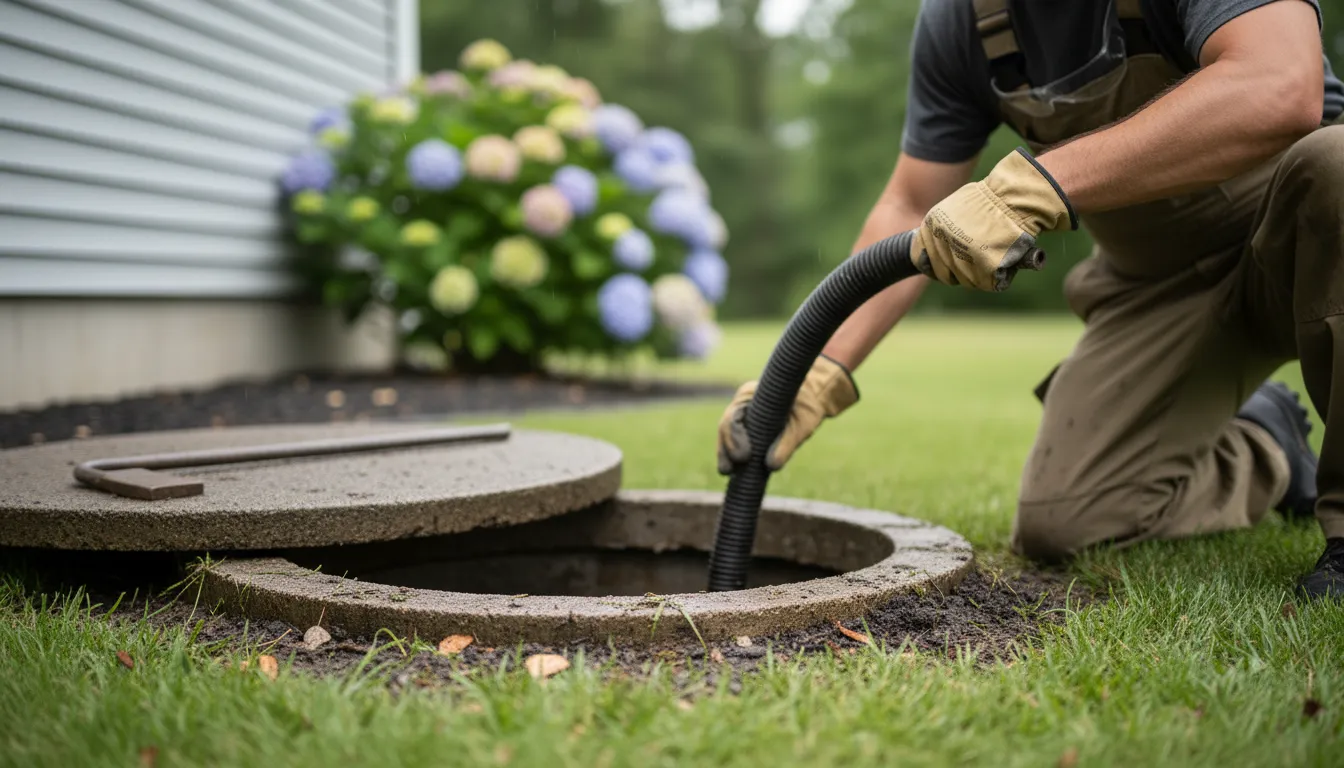
Find the Best Septic Tank Pumping Contractors for Your Business
No obligation • Fast responses • Nationwide coverage

Why you can trust Septic Spot
Septic Spot is a leading United States resource for understanding and comparing septic services. Our editors review providers using consistent criteria and verify key business details. Listings and scores are independent, and companies cannot pay to influence our content.
Search providers near you
Top Septic Tank Pumping Contractors in Hamilton, New Jersey Ranked
Maintaining your septic system is a critical responsibility for any homeowner not connected to a municipal sewer line. Regular septic tank pumping and inspection are the cornerstones of a healthy, long-lasting system, preventing costly backups, property damage, and environmental contamination. This guide provides essential information for Hamilton residents on recommended service schedules, local costs, and how to find qualified professionals for your septic maintenance needs.
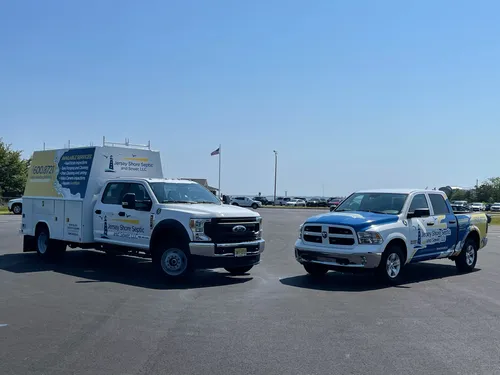
Jersey Shore Septic And Sewer LLC
Lakewood, NJ
Jersey Shore Septic And Sewer LLC is a family-owned and operated business serving Lakewood, NJ, and surrounding counties including Atlantic, Middlesex, Monmouth, and Ocean. With over a decade of experience, they provide residential and commercial septic services such as septic tank pumping, inspections, repairs, replacements, and new installations. Their team holds CDL-A licenses and is trained to perform specialized services like video camera inspections and high-pressure water jetting. The company also offers excavation and commercial snow removal services.
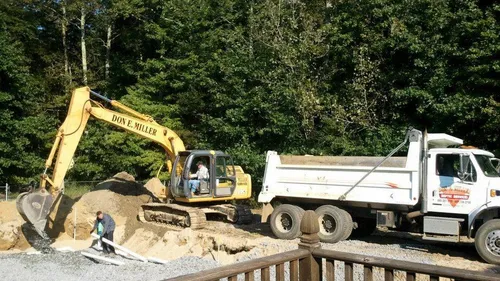
Don E Miller Septic Service Inc & Donny's Potty's
362 Meany Rd, North Hanover, NJ 08562
Don E Miller Septic Service Inc & Donny's Potty's is a family-owned septic service provider based near Philadelphia, PA. They offer a wide range of septic system services including pumping, inspections, repairs, and installations, as well as portable toilet rentals for residential, commercial, and municipal customers. The company has been serving the North Hanover Township area and surroundings since 1963, providing expertise in maintaining and installing various septic system components such as dosing pumps, grease traps, and effluent filters.
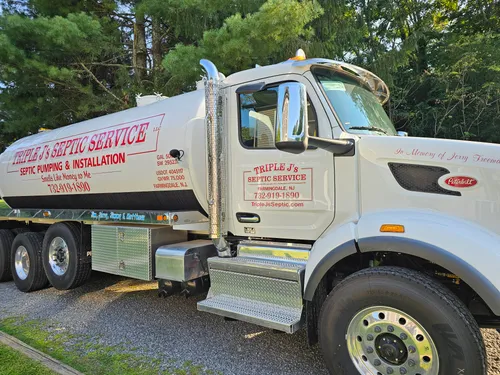
Triple J's Septic Services LLC
34 Asbury Ave, Farmingdale, NJ 07727
Triple J's Septic Services LLC is a family-owned business based in Lakewood, NJ, providing septic tank pumping, repairs, and installation services. Established in the late 1980s by Gerald Freeman, the company holds an A-901 State License, ensuring compliance with New Jersey regulations. They also offer grease trap pumping and manage complex projects involving engineering and additional contractors. With decades of experience, Triple J's supports customers through every step of septic system care and maintenance.
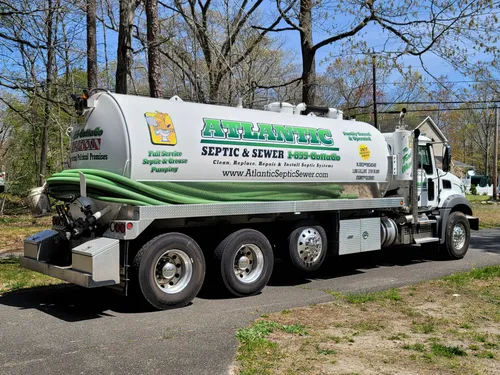
Atlantic Sitton Services, Inc.
647 Herman Rd, Jackson Township, NJ 08527
Atlantic Sitton Services, Inc. provides septic system installation, repair, inspection, and pumping services in Lakewood, NJ. They serve residential, commercial, and government clients across New Jersey, offering additional services such as grease trap cleaning, grease tank pumping, and used cooking oil collection for recycling. Their certified technicians handle septic system jetting, sludge and liquid waste removal, and new construction excavation. With over 30 years of experience, Atlantic Sitton Services emphasizes environmentally conscientious practices and offers emergency services 24/7 to support system functionality and environmental health.
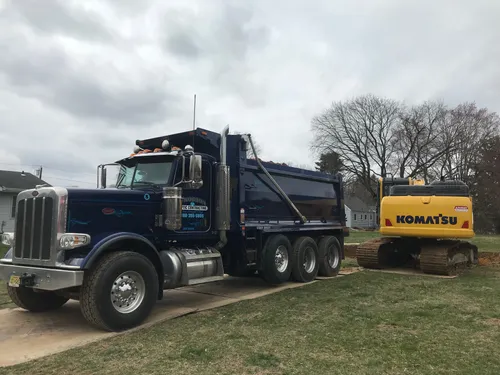
A Norton Septic Contracting
3171 US-9, Old Bridge, NJ 08857
A Norton Septic Contracting is a full-service septic company based in New York, NY, offering septic tank pumping, inspections, repairs, and installations. They serve residential and commercial clients and specialize in alternative septic systems like Hoot and Infiltrator. With over 30 years of experience, they provide NJDEP-compliant inspections and have developed effective repair methods for systems that fail prematurely. The company emphasizes proper maintenance and offers consultations to troubleshoot septic issues. They provide personalized service and handle each project from start to finish.
Why Regular Septic Maintenance is Essential
A septic system is a self-contained wastewater treatment plant on your property. When functioning correctly, it safely processes household water from toilets, showers, sinks, and appliances. Solid waste settles at the bottom of the tank as sludge, while oils and grease float to the top as scum. The liquid effluent in the middle flows out to the drain field for final filtration into the soil.
The primary purpose of septic tank cleaning is to remove the accumulated sludge and scum before they overflow into the drain field. If these layers become too thick, they can clog the outlet pipe or, worse, spill into the drain field, causing saturation, foul odors, sewage backups into your home, and groundwater pollution. Proper septic system maintenance protects your investment, your health, and the local environment.
Recommended Pumping Frequency for Hamilton Homes
How often you need to schedule septic tank service isn't a one-size-fits-all answer, but strong guidelines exist. For most households in Hamilton and surrounding Mercer County, professionals and state agencies recommend pumping every 3 to 5 years 1. The New Jersey Department of Environmental Protection (NJDEP) specifically advises this 3-to-5-year range as a standard guideline.
However, several key factors can necessitate more frequent septic tank emptying:
- Household Size: A family of five or more people generates significantly more wastewater and solid waste than a couple or single occupant. Larger families should consider a septic tank pumping schedule every 2 to 3 years 2 3.
- Total Water Usage: High water consumption habits strain the system. If your household frequently runs washing machines, dishwashers, or has long showers, the tank fills faster, requiring more frequent septic system pumping 4.
- Tank Capacity: A smaller tank (e.g., 1,000 gallons) will fill with solids faster than a larger one (e.g., 1,500 gallons) for the same household size.
- Garbage Disposal Use: Using a garbage disposal regularly introduces additional organic solids that accelerate sludge buildup.
Find the perfect septic tank pumping contractors for your needs
Get personalized recommendations and expert advice
Understanding Septic Inspections
While pumping removes waste, an inspection assesses the overall health of your entire system. It is recommended to have a professional septic system inspection at least every three years. Inspections are also highly advisable, and sometimes required, during real estate transactions.
A thorough inspection by a licensed technician will typically include:
- Locating and uncovering the tank and access ports.
- Measuring the levels of sludge and scum to determine if pumping is needed.
- Checking the tank's structural integrity for cracks or leaks.
- Inspecting inlet and outlet baffles to ensure they are intact and functional.
- Assessing the drain field for signs of failure, such as soggy ground or surfacing effluent.
Keeping detailed records of all septic tank inspections and pumping receipts is crucial. This history proves diligent maintenance to potential future buyers and can be invaluable for troubleshooting any emerging issues.
What to Expect: Service Costs in Hamilton
The cost for septic tank pumping in the Hamilton area typically ranges from approximately $275 to over $600 5. The final price depends on a few variables:
- Tank Size: Pumping a standard 1,000-gallon tank is generally less expensive than a 1,500-gallon or larger tank.
- Accessibility: If the tank's access lids are buried deep, require excavation, or are located far from where the service truck can park, labor costs will increase.
- Condition: Extremely full tanks or those with hardened sludge may require more time and effort.
A standard septic inspection often starts around $250 and can be added to the pumping service for a comprehensive visit 6. Always request a detailed, upfront quote from any service provider.
Choosing a Qualified Service Provider in Mercer County
Not all septic service companies are equal. For your safety and your system's longevity, it is imperative to hire a licensed and certified professional. New Jersey has specific regulations for septic service professionals. A qualified provider will:
- Hold appropriate state and local licenses.
- Carry adequate insurance.
- Properly dispose of septage at approved treatment facilities.
- Provide a clear, written report of their findings after inspection or pumping.
When evaluating companies, ask about their experience, request proof of licensing, and read customer reviews. A reputable pro will be transparent about their process and pricing.
Homeowner Maintenance Tips Between Services
Professional pumping is essential, but what you do between visits greatly impacts your system's health. Follow these septic care tips:
- Conserve Water: Fix leaky faucets and toilets promptly. Spread out laundry loads over the week instead of doing many in one day.
- Mind What You Flush: Only human waste and toilet paper should go down the toilet. Never flush wipes (even "flushable" ones), feminine hygiene products, dental floss, cotton swabs, or cigarettes.
- Use the Trash Can: Avoid using your garbage disposal excessively. Never pour cooking fats, oils, or grease down the drain. Do not pour harsh chemicals, paints, or pesticides down any drain, as they can kill the beneficial bacteria in your tank.
- Protect Your Drain Field: Never park vehicles or build structures on your drain field. Keep roof drains and sump pump discharges away from the area to prevent saturation.
Remember, routine maintenance like pumping does not require a permit, but any repair, alteration, or new installation of a septic system must be approved by the local health department 7 8.
Frequently asked questions
Sources
Footnotes
-
How to Care for Your Septic System | US EPA - https://www.epa.gov/septic/how-care-your-septic-system ↩
-
New Jersey Septic System Rules - 2026 Guide - The Sewer Kings - https://thesewerkings.com/blog/new-jersey-septic-system-rules/ ↩
-
How Often Should You Get Your Septic Tank Pumped? - https://www.coastalsepticsolutions.com/blog/how-often-should-you-get-your-septic-tank-pumped ↩
-
Smart Solutions for Optimizing Septic Tank Pumping Frequency - https://smartsepticpros.com/blog/septic-tank-pumping-frequency/ ↩
-
Septic Tank Pumping Frequency: Crucial Maintenance Guide - https://septic911.com/septic-tank-pumping-frequency/ ↩
-
How Much Does It Cost to Pump a Septic Tank? [2026 Data] | Angi - https://www.angi.com/articles/how-much-does-septic-tank-pumping-cost.htm ↩
-
SEPTIC - NJ.gov - https://dep.nj.gov/wp-content/uploads/dwq/pdf/septicmn.pdf ↩
-
Licensed Septic Service NJ - Requirements - The Sewer Kings - https://thesewerkings.com/blog/licensed-septic-service-professionals/ ↩