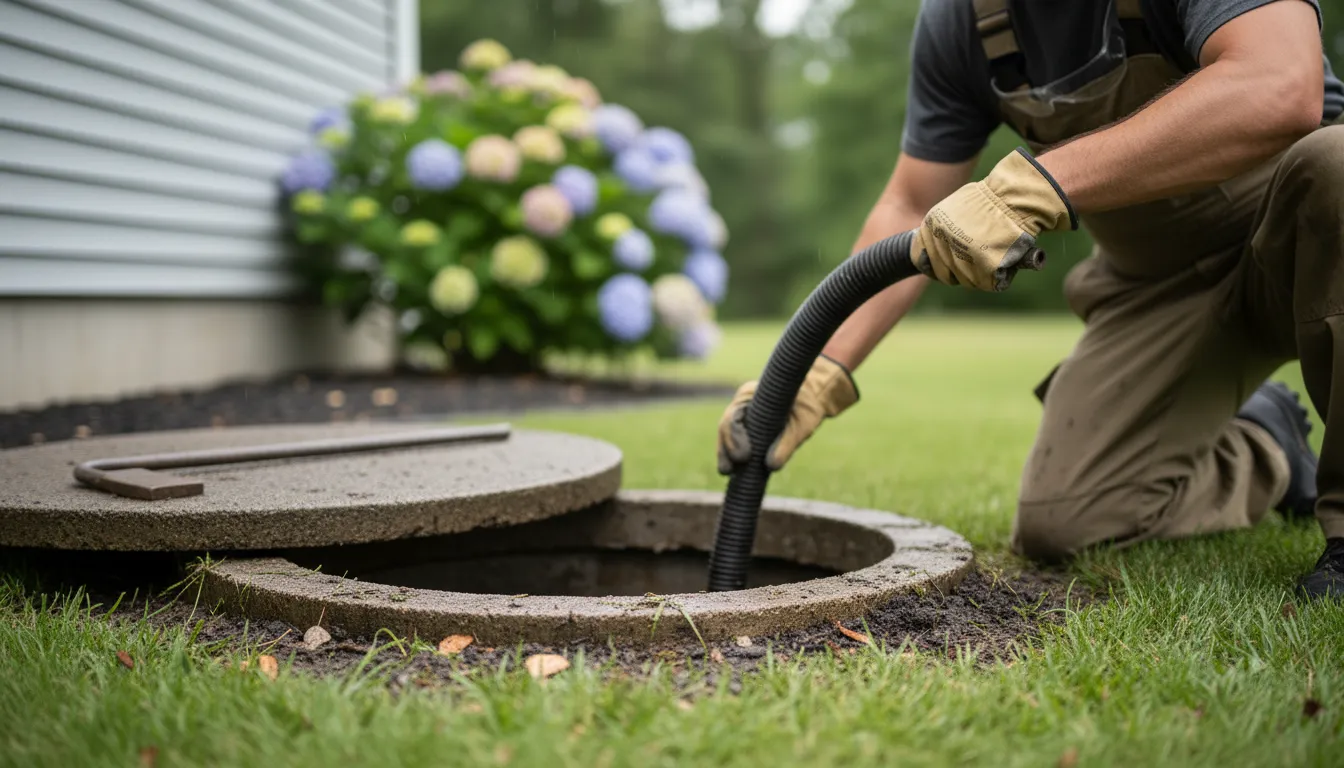
Find the Best Septic Tank Pumping Contractors for Your Business
No obligation • Fast responses • Nationwide coverage

Why you can trust Septic Spot
Septic Spot is a leading United States resource for understanding and comparing septic services. Our editors review providers using consistent criteria and verify key business details. Listings and scores are independent, and companies cannot pay to influence our content.
Search providers near you
Top Septic Tank Pumping Contractors in Howell, New Jersey Ranked
Maintaining your septic system is a crucial responsibility for any homeowner not connected to a municipal sewer line. Regular septic tank pumping is the most important preventative maintenance task you can perform to protect your property, your health, and the local environment. This guide provides essential information for Howell residents on how septic cleaning works, why it's necessary, and how to find qualified local professionals to handle this vital service.
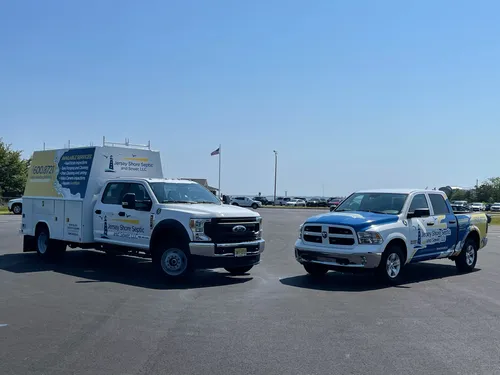
Jersey Shore Septic And Sewer LLC
Lakewood, NJ
Jersey Shore Septic And Sewer LLC is a family-owned and operated business serving Lakewood, NJ, and surrounding counties including Atlantic, Middlesex, Monmouth, and Ocean. With over a decade of experience, they provide residential and commercial septic services such as septic tank pumping, inspections, repairs, replacements, and new installations. Their team holds CDL-A licenses and is trained to perform specialized services like video camera inspections and high-pressure water jetting. The company also offers excavation and commercial snow removal services.
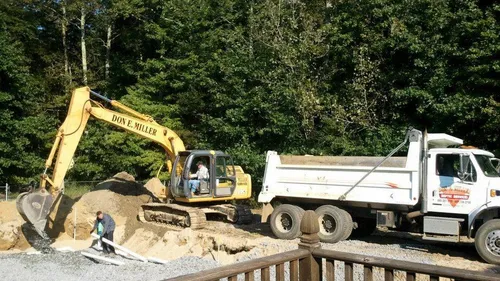
Don E Miller Septic Service Inc & Donny's Potty's
362 Meany Rd, North Hanover, NJ 08562
Don E Miller Septic Service Inc & Donny's Potty's is a family-owned septic service provider based near Philadelphia, PA. They offer a wide range of septic system services including pumping, inspections, repairs, and installations, as well as portable toilet rentals for residential, commercial, and municipal customers. The company has been serving the North Hanover Township area and surroundings since 1963, providing expertise in maintaining and installing various septic system components such as dosing pumps, grease traps, and effluent filters.
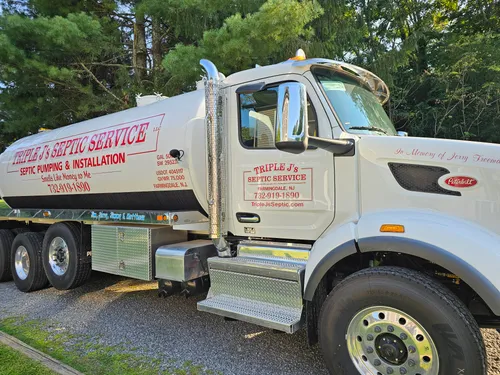
Triple J's Septic Services LLC
34 Asbury Ave, Farmingdale, NJ 07727
Triple J's Septic Services LLC is a family-owned business based in Lakewood, NJ, providing septic tank pumping, repairs, and installation services. Established in the late 1980s by Gerald Freeman, the company holds an A-901 State License, ensuring compliance with New Jersey regulations. They also offer grease trap pumping and manage complex projects involving engineering and additional contractors. With decades of experience, Triple J's supports customers through every step of septic system care and maintenance.
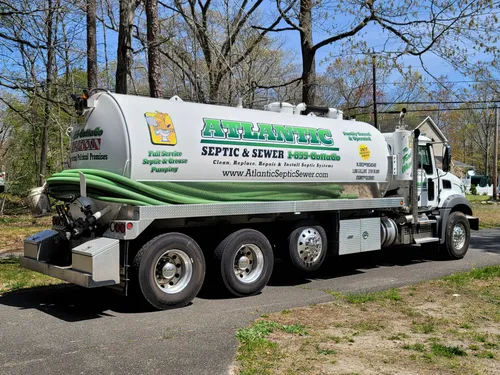
Atlantic Sitton Services, Inc.
647 Herman Rd, Jackson Township, NJ 08527
Atlantic Sitton Services, Inc. provides septic system installation, repair, inspection, and pumping services in Lakewood, NJ. They serve residential, commercial, and government clients across New Jersey, offering additional services such as grease trap cleaning, grease tank pumping, and used cooking oil collection for recycling. Their certified technicians handle septic system jetting, sludge and liquid waste removal, and new construction excavation. With over 30 years of experience, Atlantic Sitton Services emphasizes environmentally conscientious practices and offers emergency services 24/7 to support system functionality and environmental health.
A Norton Septic Contracting
3171 US-9, Old Bridge, NJ 08857
A Norton Septic Contracting is a full-service septic company based in New York, NY, offering septic tank pumping, inspections, repairs, and installations. They serve residential and commercial clients and specialize in alternative septic systems like Hoot and Infiltrator. With over 30 years of experience, they provide NJDEP-compliant inspections and have developed effective repair methods for systems that fail prematurely. The company emphasizes proper maintenance and offers consultations to troubleshoot septic issues. They provide personalized service and handle each project from start to finish.
Understanding Your Septic System and Why Pumping is Essential
A septic system is an on-site wastewater treatment structure, typically consisting of a tank and a drain field. When wastewater from your home enters the tank, solids settle to the bottom as sludge, and fats and oils float to the top as scum. The liquid effluent in the middle layer flows out to the drain field. Over time, the sludge and scum layers accumulate. If they are not removed through regular septic tank cleaning, they can overflow into the drain field, causing costly and unsanitary backups, system failure, and environmental contamination.
In Howell, with its mix of suburban and more rural properties, a functioning septic system is key to property value and community health. The New Jersey Department of Environmental Protection (NJDEP) emphasizes that regular pumping is the cornerstone of septic system care, preventing solids from damaging the disposal field 1 2. Neglecting this service can lead to repairs costing thousands of dollars, far exceeding the cost of routine maintenance.
Recommended Pumping Frequency for Howell Homes
How often should you schedule septic tank servicing? While a common rule of thumb is every 3 to 5 years, the ideal interval for your home depends on several factors.
- Tank Size and Household Size: A smaller tank (under 1,000 gallons) or a home with more occupants will fill up faster and require more frequent pumping.
- Water Usage: High water consumption from large families, frequent laundry, or excessive use of garbage disposals accelerates sludge buildup.
- System Age and Condition: Older systems may be less efficient.
For standard households in Howell, the 3-5 year guideline is a good starting point. However, the New Jersey Septic Management Group (NJSMG) advises that systems under heavy usage may need pumping every 18 months to 2 years. A professional inspection is the best way to determine your specific schedule. The NJDEP notes that a tank should be pumped when the sludge layer is within 12 inches of the outlet baffle or the scum layer is within 6 inches.
What to Expect: The Septic Pumping Process
Knowing what happens during a pump-out can help you prepare and ensure the job is done correctly.
- Locating and Uncovering the Tank: The service provider will locate your tank's access lids (manholes) and excavate the soil covering them.
- Initial Inspection: Before pumping, a technician will often check the sludge and scum levels with a specialized tool to confirm pumping is needed.
- Pumping: A large truck with a vacuum hose will remove all the contents (sludge, scum, and effluent) from your tank. All waste is transported to a licensed treatment facility.
- System Check: A reputable provider will inspect the tank's interior for cracks, check the baffles (which prevent solids from exiting), and look for any signs of damage or failure.
- Cleanup and Re-burial: The area is cleaned, and the access lids are securely replaced and re-covered.
It's important to never enter a septic tank due to toxic gases. Always leave this work to trained professionals with the proper safety equipment.
The Critical Role of Regular Inspections
While pumping removes accumulated waste, inspections diagnose the health of your entire system. The NJDEP and other experts recommend having your septic system inspected every 1 to 3 years. A thorough inspection should evaluate:
- Structural Integrity: Checking for cracks or leaks in the tank.
- Baffle and Outlet Condition: Ensuring inlet and outlet baffles are intact to prevent clogging.
- Drain Field Health: Looking for signs of surfacing effluent or overly lush grass, which indicate failure.
- Overall Function: Verifying there are no signs of sewage backup into the home.
Keeping detailed records of all inspection reports and pumping receipts is not just good practice-it's often required during property sales to prove system compliance 3.
Find the perfect septic tank pumping contractors for your needs
Get personalized recommendations and expert advice
Understanding Costs for Septic Pumping in Howell
The cost for septic tank pumping in Howell typically ranges from $290 to $700 or more for a standard service. Several variables influence the final price:
- Tank Size: This is the primary cost factor. Pumping a common 1,000-gallon tank usually costs between $325 and $700, while a larger 1,500-gallon tank may range from $450 to $1,100 4.
- Tank Accessibility: If the tank is difficult to locate or requires significant digging to access, labor costs will increase.
- Condition of the Tank: If pumping has been delayed for many years (e.g., 7+ years), solids can harden, potentially adding $100 to $200 to the price due to the extra time and effort required 5.
- Additional Services: Costs will be higher if the service includes a full inspection, minor repairs, or cleaning of filter screens.
Always get a detailed, written estimate before work begins. The cheapest option is not always the best; ensure the company is licensed, insured, and follows NJDEP regulations.
New Jersey and Howell Township Regulations
Septic systems in New Jersey are regulated under the NJDEP's Standards for Individual Subsurface Sewage Disposal Systems (N.J.A.C. 7:9A). Howell Township enforces these state standards locally. Key regulations for homeowners include:
- Licensed Contractors: Any hired septic pumping or repair contractor must be registered with the NJDEP 6.
- Setback Requirements: Systems must be installed a specific distance (e.g., 50-100 feet) from wells, property lines, and water bodies 7 8.
- Permits: Any repair, alteration, or new installation requires a permit from the local health department.
- Inspection upon Sale: While not always state-mandated, many mortgage lenders require a passing septic inspection before financing a home sale.
Staying informed about these rules helps you maintain compliance and protect your investment.
How to Choose a Reliable Service Provider in Howell
Selecting the right company for your septic maintenance is crucial. Here are key factors to consider:
- NJ Registration: Verify the company is currently registered with the NJDEP to perform wastewater hauling (pumping) and/or septic system work.
- Insurance: Ensure they carry adequate liability and workers' compensation insurance.
- Experience & Reputation: Look for established companies with positive reviews from local homeowners. Ask for references.
- Detailed Estimates: A professional company will provide a clear, written quote that outlines all costs, including pumping, inspection, and any potential extra fees.
- Post-Service Documentation: They should provide you with a detailed service report, including waste volume removed, tank condition, and any recommendations, which is vital for your records.
Maintaining Your System Between Pumpings
Proper day-to-day care extends the life of your system and helps avoid emergencies.
- Conserve Water: Fix leaks, use high-efficiency fixtures, and spread out laundry loads.
- Mind What You Flush: Only flush human waste and toilet paper. Never flush wipes (even "flushable" ones), feminine hygiene products, dental floss, or chemicals.
- Use Garbage Disposals Sparingly: They significantly increase the solid load entering your tank.
- Protect the Drain Field: Never park vehicles or build structures over it. Divect rainwater drainage away from the area.
- Keep Records: Maintain a file with your system's design, permits, and all service records.
Frequently asked questions
Sources
Footnotes
-
Pumping Services - New Jersey Septic Management Group - https://nj-septic.com/pumping-services/ ↩
-
SEPTIC - NJ.gov - https://dep.nj.gov/wp-content/uploads/dwq/pdf/septicmn.pdf ↩
-
New Jersey Septic System Rules - 2026 Guide - https://thesewerkings.com/blog/new-jersey-septic-system-rules/ ↩
-
How Much Does It Cost to Pump a Septic Tank? [2026 Data] | Angi - https://www.angi.com/articles/how-much-does-septic-tank-pumping-cost.htm ↩
-
Septic Pumping Cost by State: 2024 Complete Price Guide - https://wastedoor.com/article/septic-pumping-cost-by-state ↩
-
NJ Septic Regulations for 2026: Inspections, Permits & Rules - https://www.atsenvironmental.com/blog/nj-septic-regulations-for-2026/ ↩
-
a homeowner's manual for septic systems - RUcore - https://rucore.libraries.rutgers.edu/rutgers-lib/29112/PDF/1/play/ ↩
-
NJDEP| Division of Water Quality | Septic Systems - https://dep.nj.gov/dwq/wastewater/septic-systems/ ↩