Find the Best Septic Tank Pumping Contractors for Your Business
No obligation • Fast responses • Nationwide coverage

Why you can trust Septic Spot
Septic Spot is a leading United States resource for understanding and comparing septic services. Our editors review providers using consistent criteria and verify key business details. Listings and scores are independent, and companies cannot pay to influence our content.
Search providers near you
Top Septic Tank Pumping Contractors in Middletown, New Jersey Ranked
Maintaining your septic system is a crucial responsibility for any homeowner not connected to a municipal sewer line. Regular septic tank pumping and inspection are essential services that prevent costly system failures, protect your property value, and safeguard local groundwater quality. This guide provides key information for Middletown residents on how septic maintenance works, what to expect, and how to find qualified local professionals to ensure your system operates smoothly for years to come.
Jersey Shore Septic And Sewer LLC
Lakewood, NJ
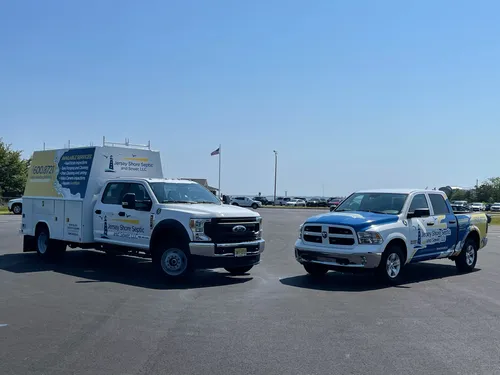
Jersey Shore Septic And Sewer LLC is a family-owned and operated business serving Lakewood, NJ, and surrounding counties including Atlantic, Middlesex, Monmouth, and Ocean. With over a decade of experience, they provide residential and commercial septic services such as septic tank pumping, inspections, repairs, replacements, and new installations. Their team holds CDL-A licenses and is trained to perform specialized services like video camera inspections and high-pressure water jetting. The company also offers excavation and commercial snow removal services.
Triple J's Septic Services LLC
34 Asbury Ave, Farmingdale, NJ 07727
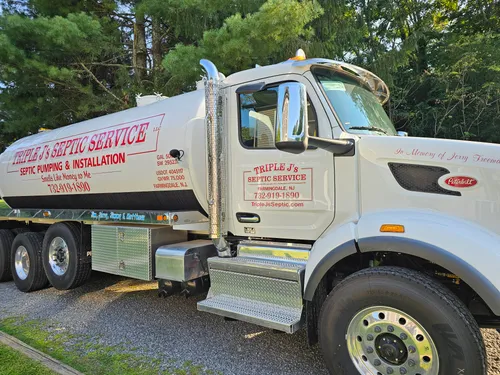
Triple J's Septic Services LLC is a family-owned business based in Lakewood, NJ, providing septic tank pumping, repairs, and installation services. Established in the late 1980s by Gerald Freeman, the company holds an A-901 State License, ensuring compliance with New Jersey regulations. They also offer grease trap pumping and manage complex projects involving engineering and additional contractors. With decades of experience, Triple J's supports customers through every step of septic system care and maintenance.
Atlantic Sitton Services, Inc.
647 Herman Rd, Jackson Township, NJ 08527
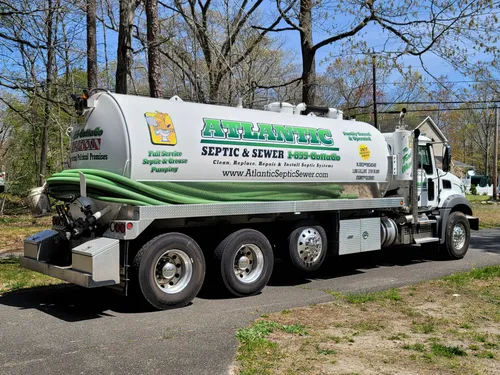
Atlantic Sitton Services, Inc. provides septic system installation, repair, inspection, and pumping services in Lakewood, NJ. They serve residential, commercial, and government clients across New Jersey, offering additional services such as grease trap cleaning, grease tank pumping, and used cooking oil collection for recycling. Their certified technicians handle septic system jetting, sludge and liquid waste removal, and new construction excavation. With over 30 years of experience, Atlantic Sitton Services emphasizes environmentally conscientious practices and offers emergency services 24/7 to support system functionality and environmental health.
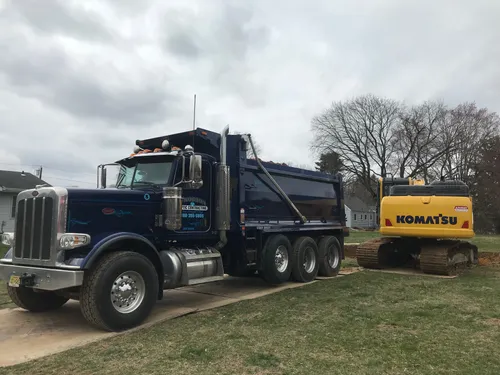
A Norton Septic Contracting
3171 US-9, Old Bridge, NJ 08857
A Norton Septic Contracting is a full-service septic company based in New York, NY, offering septic tank pumping, inspections, repairs, and installations. They serve residential and commercial clients and specialize in alternative septic systems like Hoot and Infiltrator. With over 30 years of experience, they provide NJDEP-compliant inspections and have developed effective repair methods for systems that fail prematurely. The company emphasizes proper maintenance and offers consultations to troubleshoot septic issues. They provide personalized service and handle each project from start to finish.
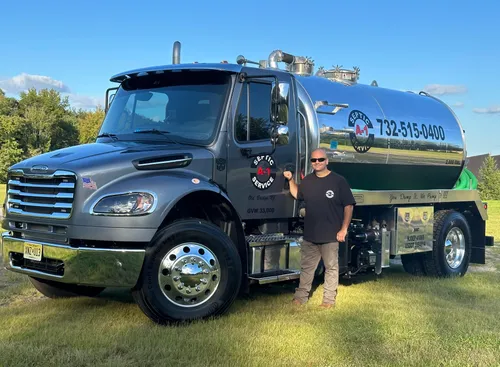
A-1 Septic Service,LLC
New York, NY
A-1 Septic Service, LLC is a family-owned septic service provider based in New York, NY, with a history dating back to 1956. They offer a range of services including septic pumping, inspection, cleaning, repair, and installation for residential and commercial systems. The company uses advanced tools and technology to maintain and service all types of septic tank systems. A-1 Septic Service is licensed, insured, and provides emergency services with 24/7 availability.
Understanding Your Septic System
A septic system is an on-site wastewater treatment structure, typically consisting of a septic tank and a drain field (or leach field). All the water from your home's toilets, showers, sinks, and appliances flows into the underground tank. Here, solids settle to the bottom as sludge, fats and oils float to the top as scum, and the relatively clear liquid in the middle (effluent) flows out into the drain field for further filtration into the soil. The tank itself does not treat waste; it simply separates it. Over time, the sludge and scum layers accumulate, which is why periodic septic tank cleaning is necessary 1.
Why Regular Pumping is Non-Negotiable
Skipping routine septic service is the most common cause of system failure. When a tank becomes too full, solids can be carried out with the effluent, clogging the drain field pipes and soil. This leads to sewage backing up into your home, surfacing in your yard, or contaminating nearby water sources. A failed drain field often requires a complete and expensive replacement. Regular pumping removes the accumulated solids, giving the system a fresh start and preventing these disasters. In Middletown, adhering to a recommended pumping schedule is also a key part of complying with local and state environmental health codes 2.
Recommended Pumping Frequency in Middletown
How often you need septic tank pumping depends on several factors, primarily the tank size and the number of people in your household. The New Jersey Department of Environmental Protection (NJDEP) provides general guidelines, recommending that systems be pumped every 3 to 5 years. However, this is a baseline.
- Household Size: A family of six will fill a tank much faster than a couple. Larger households may require service every 1-2 years.
- Water Usage: Excessive water use from long showers, frequent laundry loads, or leaky fixtures overwhelms the system, requiring more frequent pumping.
- Garbage Disposal Use: Using a garbage disposal significantly increases the amount of solids entering the tank, shortening the time between necessary pump-outs.
- Seasonal Use: For vacation homes used only part of the year, an inspection during the months of operation is advised, but the pumping interval may be longer 3.
A professional inspection is the only way to know for sure if your tank needs pumping. Technicians measure the depth of the sludge and scum layers; pumping is typically required if the sludge is within 12 inches of the outlet baffle or the scum is within 3 inches 4.
The Inspection: More Than Just Checking Levels
A thorough septic system inspection, often performed alongside pumping, is a critical diagnostic tool. A qualified inspector won't just measure sludge; they will evaluate the entire system's health. This includes checking the inlet and outlet baffles for deterioration, ensuring the tank structure is sound (no cracks or leaks), and assessing the drain field for signs of failure like soggy soil or unpleasant odors. In New Jersey, a formal inspection and certification are frequently required during real estate transactions to ensure the system is functioning properly 5.
What to Expect: The Pumping Process
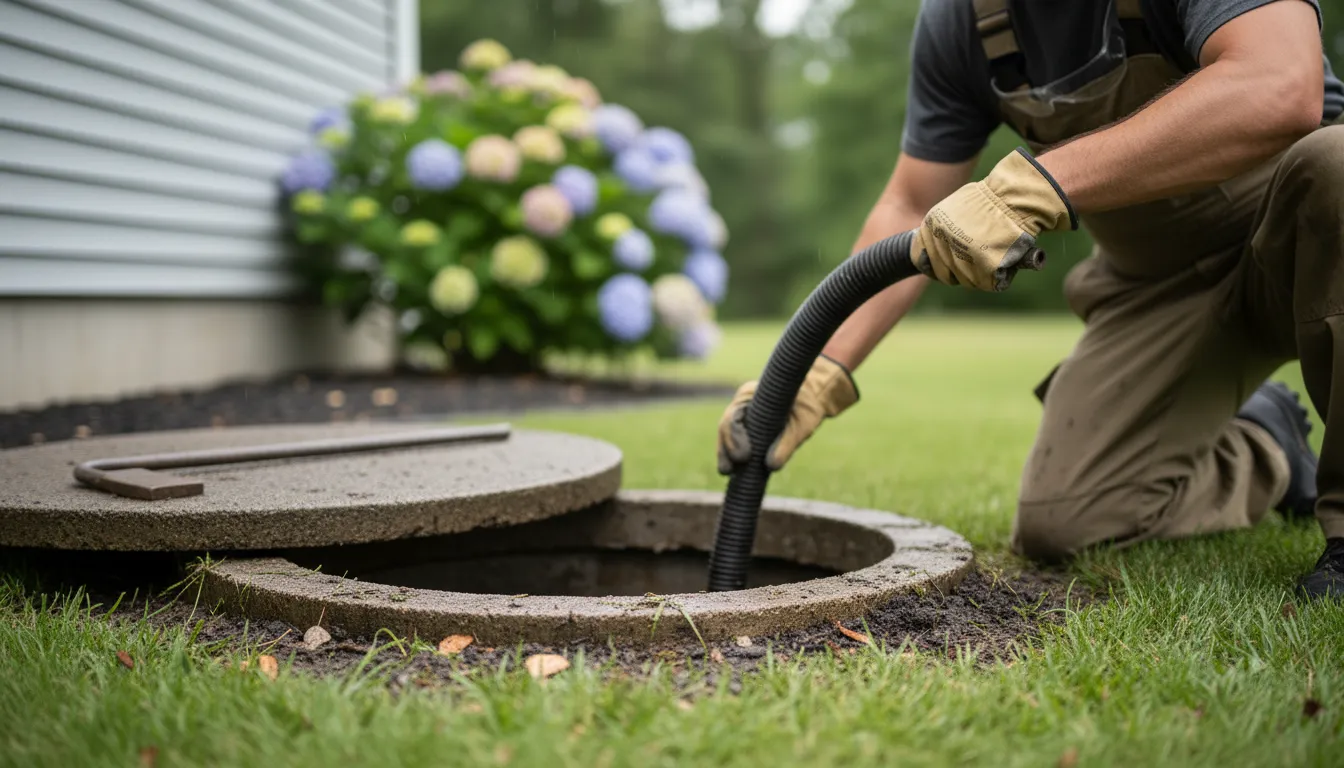
When you schedule a septic service, a technician will arrive with a large tank truck. They will first locate and uncover your tank's access lids-a good reason to keep your tank's location clearly marked. Using a large hose, they will vacuum out all the contents of the tank (sludge, scum, and liquid) into the truck. A thorough professional will also briefly rinse the tank interior to help break up residual solids and inspect the empty tank for structural issues. The entire process usually takes one to two hours, depending on tank size and access. The collected waste is then transported to a licensed treatment facility.
Find the perfect septic tank pumping contractors for your needs
Get personalized recommendations and expert advice
Cost of Septic Pumping in Middletown
The cost for standard septic tank pumping in the Middletown area typically ranges from $290 to $700, with the average cost for a 1,000-gallon tank in New Jersey around $353. Several factors influence the final price:
- Tank Size and Capacity: Larger tanks cost more to pump.
- Tank Accessibility: If the tank lids are buried deep, overgrown, or blocked, extra labor fees may apply for digging and clearing.
- Condition of the Tank: If pumping has been deferred for many years (e.g., over 7 years), the heavy accumulation of solids may increase the price by $100 to $200 6.
- Additional Services: A full inspection, repair work, or cleaning of the drain field lines will add to the cost.
- Emergency Service: For urgent issues like a backup, weekend or after-hours emergency pumping can cost significantly more, ranging from $450 to $1,200 or higher 7.
It's always wise to get detailed estimates from a few local providers.
How to Maintain Your System Between Pumpings
Proper care extends your system's life and stretches the time between necessary pumpings.
- Conserve Water: Fix leaks and spread out laundry loads to avoid hydraulically overloading the system.
- Watch What You Flush: Only human waste and toilet paper should go down the toilet. The NJDEP explicitly advises against flushing non-biodegradable materials like diapers, wipes, feminine hygiene products, and cigarette butts 8 9.
- Mind the Kitchen Sink: Avoid pouring cooking grease, oil, or fat down the drain. Minimize use of the garbage disposal, and do not pour harsh chemical drain cleaners or paints into the system, as they can kill the essential bacteria that break down waste.
- Protect the Drain Field: Never park vehicles or build structures over the drain field. Keep roof drains, sump pumps, and other surface water away from the area.
Finding a Qualified Service Provider
When searching for septic maintenance in Middletown, look for licensed, insured professionals with strong local reputations. They should be familiar with Middletown Township and Monmouth County regulations. Ask if they perform inspections according to NJDEP guidelines and can provide the necessary documentation for real estate transactions. Reading reviews and asking neighbors for referrals are excellent ways to find reliable service.
Frequently asked questions
Sources
Footnotes
-
Septic Tank Pumping Guide - https://www.unitedsewerservice.com/locating-and-accessing-the-septic-tank-for-pumping/ ↩
-
New Jersey Septic Tank Rules And Regulations - https://www.arrowsewernj.com/blog/septic-tanks-in-new-jersey-what-you-need-to-know/ ↩
-
Compliance Advisory - NJ.gov - https://www.nj.gov/dep/enforcement/advisories/2024-09.pdf ↩
-
Septic Certification Guideline - http://www.quintonnj.com/qho/septic_cert_guide.pdf ↩
-
How Septic System Inspections Are Performed in New Jersey - https://thesewerkings.com/blog/septic-system-inspections/ ↩
-
Septic Pumping Cost by State: 2024 Complete Price Guide - https://wastedoor.com/article/septic-pumping-cost-by-state ↩
-
New Jersey Septic Systems Costs & Prices - ProMatcher Cost Report - https://septic-systems.promatcher.com/cost/new-jersey.aspx ↩
-
SEPTIC - NJ.gov - https://dep.nj.gov/wp-content/uploads/dwq/pdf/septicmn.pdf ↩
-
Septic Systems | Department of Environmental Protection - https://www.pa.gov/agencies/dep/residents/my-water/septic-systems ↩