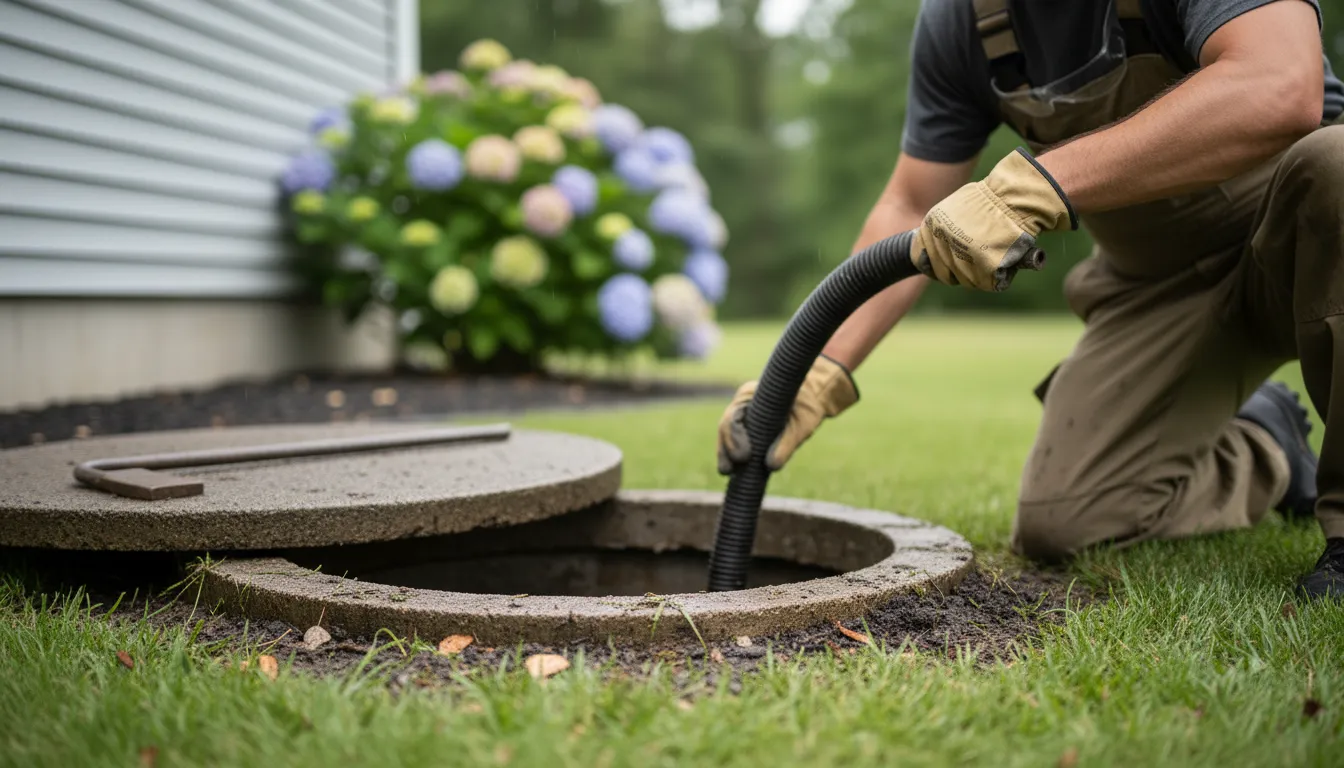
Find the Best Septic Tank Pumping Contractors for Your Business
No obligation • Fast responses • Nationwide coverage

Why you can trust Septic Spot
Septic Spot is a leading United States resource for understanding and comparing septic services. Our editors review providers using consistent criteria and verify key business details. Listings and scores are independent, and companies cannot pay to influence our content.
Search providers near you
Top Septic Tank Pumping Contractors in Monroe, New Jersey Ranked
Maintaining your septic system is a crucial responsibility for any homeowner not connected to a municipal sewer line. Septic tank pumping, also known as septic tank cleaning or septic tank servicing, is the essential process of removing accumulated sludge and scum from your tank to prevent system failure and environmental contamination. This guide will help you understand the local requirements, typical costs, and best practices for septic maintenance in Monroe, ensuring you can find and evaluate qualified local professionals for this vital home service.
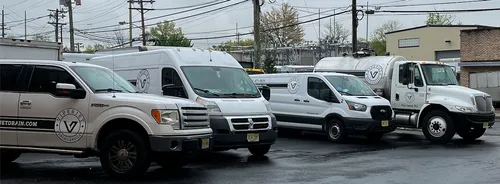
Viper Jet Drain Services
5-02 Banta Pl, Fair Lawn, NJ 07410
Viper Jet Drain Services is a septic tank pumping company based in Paterson, NJ, offering a full range of drain, septic, and grease trap services. They serve residential, commercial, and municipal clients throughout New Jersey and New York City. Their licensed and insured technicians use advanced equipment to provide services such as septic tank cleaning and pumping, hydro jetting, grease trap maintenance, and stormwater drain management. Viper Jet is a family-owned business that emphasizes expertise and commitment in all their work. They also provide responsive emergency service when needed.
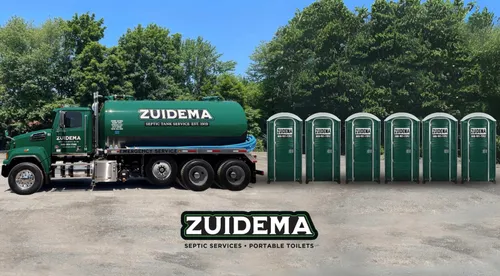
Zuidema Septic Services & Portable Toilets
90 Midland Ave, Midland Park, NJ 07432
Zuidema Septic Services & Portable Toilets provides residential and commercial septic services along with portable toilet and restroom trailer rentals in New York, NY. With over 100 years of experience since 1919, they offer septic tank pumping, inspections, repairs, and grease trap services. Their use of advanced sewer camera technology helps identify and address sewer line issues effectively. Zuidema also offers 24/7 emergency service for septic and portable toilet needs, ensuring support is available at any time.
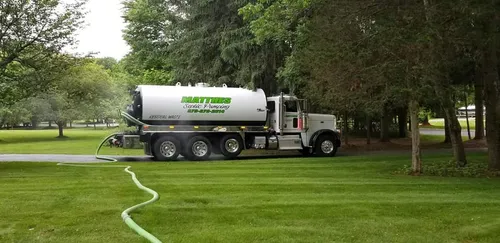
EarthCare, a Wind River Company
New York, NY
EarthCare, a Wind River Company, provides septic tank pumping, inspection, and grease services in New York, NY, and surrounding areas including North Jersey and Hudson Valley. Serving residential, commercial, and municipal clients, they offer comprehensive waste management solutions such as pumping, cleaning, hauling, disposal, and environmental compliance support. Established in 1946, EarthCare operates one of the industry's largest fleets and provides 24/7 emergency services to ensure continuous system operation and regulatory compliance.
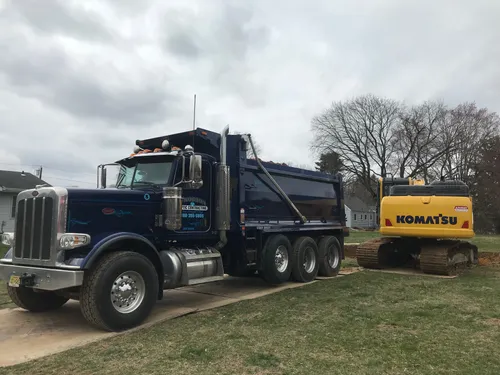
A Norton Septic Contracting
3171 US-9, Old Bridge, NJ 08857
A Norton Septic Contracting is a full-service septic company based in New York, NY, offering septic tank pumping, inspections, repairs, and installations. They serve residential and commercial clients and specialize in alternative septic systems like Hoot and Infiltrator. With over 30 years of experience, they provide NJDEP-compliant inspections and have developed effective repair methods for systems that fail prematurely. The company emphasizes proper maintenance and offers consultations to troubleshoot septic issues. They provide personalized service and handle each project from start to finish.
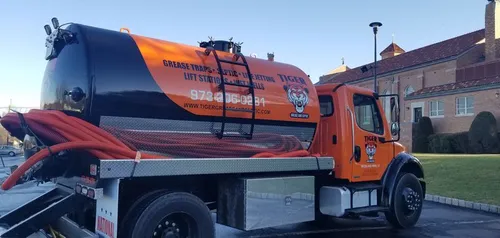
Tiger Grease and Septic
New York, NY
Tiger Grease and Septic is a septic tank pumping company based in New York, NY. They provide grease trap pumping and septic system maintenance services, including the use of specialized equipment like low profile vacuum trucks and portable units for hard-to-reach indoor grease traps. Their fleet includes large volume tankers capable of thorough grease and food solid removal to help prevent backups and odors. The company offers service seven days a week and can arrange same-day emergency pumping when needed.
Why Septic System Maintenance is Essential in Monroe
A functioning septic system is an unseen but critical part of your home's infrastructure. When properly maintained, it safely treats household wastewater. Neglect, however, can lead to backups into your home, foul odors in your yard, and contamination of local groundwater-a serious public health concern. In Monroe and across New Jersey, the Department of Environmental Protection (NJDEP) sets guidelines to protect our water resources, making regular septic tank maintenance both a practical necessity and a legal responsibility. Proactive care is far less expensive than repairing or replacing a failed drain field.
Recommended Pumping Frequency for Monroe Homes
How often you need to schedule septic pumping depends on several household factors. The general rule of thumb for Monroe and surrounding areas is to have your tank pumped every 3 to 5 years 1. This interval helps prevent solids from building up and flowing into the disposal field, where they can cause clogging and irreversible damage.
However, this is a baseline. You may need more frequent septic tank cleaning if:
- Your household size is large: More people generate more wastewater and solid waste.
- Your tank is smaller: A tank under 1,000 gallons will fill with sludge faster.
- Your usage is heavy: Frequent laundry, garbage disposal use, and long showers increase the load.
- You have a garbage disposal: These significantly increase the amount of solids entering the tank.
For homes with small tanks or high occupancy, experts recommend increasing the pumping frequency to every 1 to 2 years. The most accurate way to determine your schedule is through regular professional inspections.
The Importance of Regular Septic Inspections
While pumping removes accumulated waste, an inspection assesses the overall health of your entire system. It's advisable to have a professional inspection every 1 to 3 years 2. During an inspection, a technician will:
- Check the sludge and scum layers to determine if pumping is needed.
- Inspect the tank, baffles, and tees for structural integrity or damage.
- Look for signs of leaks or backflow.
- Assess the condition of the drain field.
These inspections can identify small problems-like a damaged baffle or a minor leak-before they escalate into costly system failures. Keeping detailed records of all inspections and pumping receipts is also critical for proving compliance with local regulations and is highly recommended for your own files 3.
Understanding Septic Pumping Costs in Monroe
The cost for routine septic tank pumping in Monroe typically ranges from $290 to $700 for scheduled maintenance. The final price is primarily determined by the size (capacity) of your tank, as larger tanks hold more waste and take longer to pump.
Here's a general cost breakdown based on tank size:
- 750-gallon tank: $250 - $550
- 1,000-gallon tank: $325 - $700
- 1,500-gallon tank: $450 - $1,100 4
Other factors that can influence the price include:
- Tank Accessibility: If the tank lid is buried deep or difficult to access, additional labor may be required.
- Condition of the Tank: Tanks that haven't been serviced in 7 or more years may have hardened sludge, requiring more time and effort to break up and remove. This can add an extra $100 to $200 to the bill 5.
- Additional Services: Costs will be higher if the service call includes a full inspection, repairs, or locating the tank.
Find the perfect septic tank pumping contractors for your needs
Get personalized recommendations and expert advice
Best Practices for Septic System Care
Pumping is a key part of maintenance, but what you do between service visits matters just as much. Following these guidelines will extend the life of your system and help avoid emergencies:
What to Do:
- Conserve Water: Spread out laundry loads and fix leaky faucets to avoid hydraulically overloading the system.
- Divert Runoff: Ensure roof drains, sump pumps, and surface water are directed away from your drain field.
- Plant Grass: Only grass should be planted over the drain field and tank. Its roots help with evaporation and won't clog pipes.
- Keep Records: Maintain a log of all pumping, inspections, and repairs.
What to Avoid:
- Don't Flush Non-Biodegradables: Never flush wipes (even "flushable" ones), feminine hygiene products, dental floss, diapers, or cat litter.
- Limit Garbage Disposal Use: Food scraps add substantial solids to your tank, increasing the need for frequent pumping.
- Avoid Harsh Chemicals: Excessive use of bleach, drain cleaners, or antibacterial soaps can kill the beneficial bacteria in your tank that break down waste.
- Don't Drive or Park on the System: The weight of vehicles can crush pipes and compact the soil in your drain field 6. Know where your tank and field are located and keep them clear.
- Avoid Planting Trees Nearby: Tree and shrub roots are a major cause of pipe blockages and tank damage.
Signs Your Septic Tank Needs Immediate Attention
Don't wait for your scheduled maintenance if you notice any of these warning signs. Contact a professional septic service provider right away:
- Slow drains or gurgling pipes throughout the house.
- Sewage backups in toilets, showers, or sinks.
- Unpleasant odors around the house or yard, especially near the tank or drain field.
- Unusually lush, green grass or soggy, wet spots over the drain field.
- Standing water or surfacing sewage in your yard.
Addressing these issues promptly can mean the difference between a simple pumping and a major, expensive repair.
Frequently asked questions
Sources
Footnotes
-
Septic System Care and Maintenance - Monroe County - https://www.monroecounty.gov/files/health/eh/OnsiteSewage/eh-PHESepticSystemCare.pdf ↩
-
Pumping Services - New Jersey Septic Management Group - https://nj-septic.com/pumping-services/ ↩
-
New Jersey Septic System Rules - 2026 Guide - https://thesewerkings.com/blog/new-jersey-septic-system-rules/ ↩
-
How Much Does It Cost to Pump a Septic Tank? [2026 Data] | Angi - https://www.angi.com/articles/how-much-does-septic-tank-pumping-cost.htm ↩
-
Septic Pumping Cost by State: 2024 Complete Price Guide - https://wastedoor.com/article/septic-pumping-cost-by-state ↩
-
SEPTIC - NJ.gov - https://dep.nj.gov/wp-content/uploads/dwq/pdf/septicmn.pdf ↩