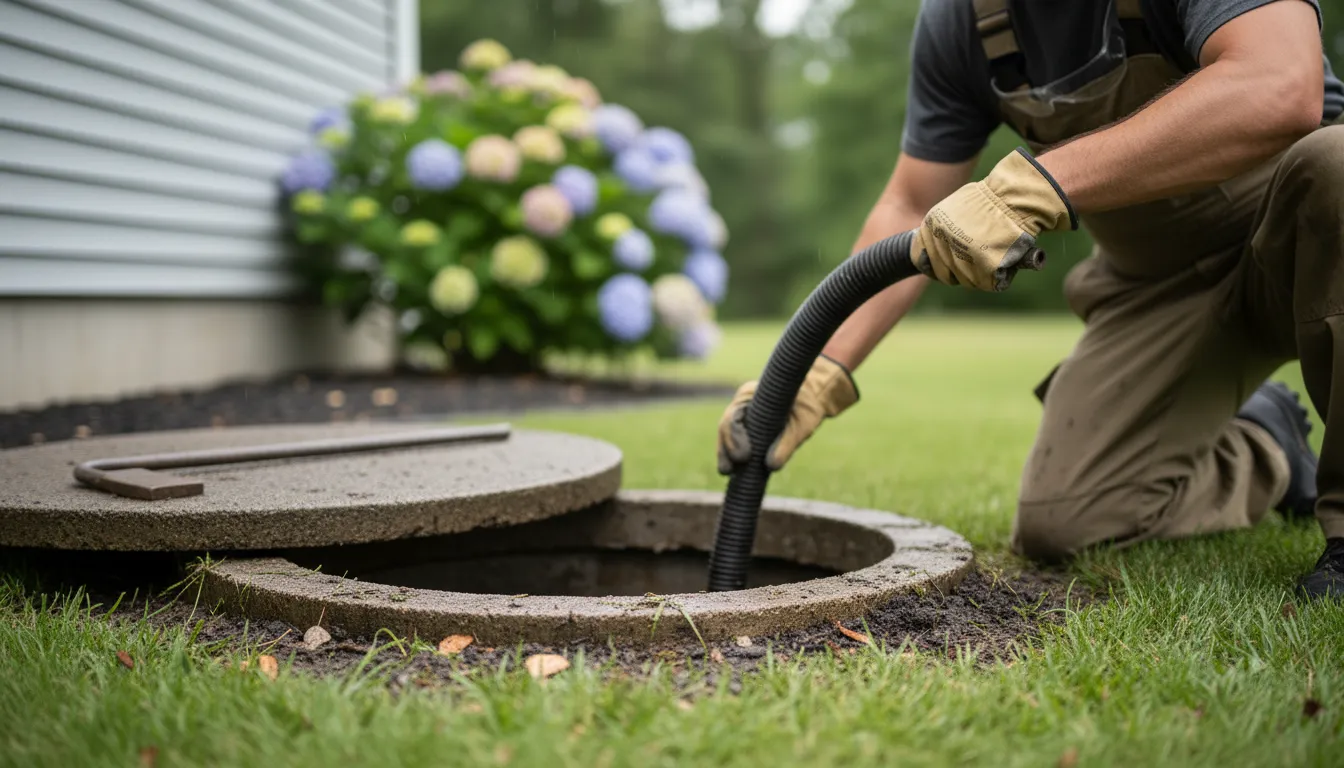
Find the Best Septic Tank Pumping Contractors for Your Business
No obligation • Fast responses • Nationwide coverage

Why you can trust Septic Spot
Septic Spot is a leading United States resource for understanding and comparing septic services. Our editors review providers using consistent criteria and verify key business details. Listings and scores are independent, and companies cannot pay to influence our content.
Search providers near you
Top Septic Tank Pumping Contractors in New Brunswick, New Jersey Ranked
Maintaining a healthy septic system is a critical responsibility for homeowners not connected to a municipal sewer line. Regular septic tank pumping and inspection are essential services that prevent system failures, protect your property value, and safeguard local groundwater. This guide provides clear, actionable information on septic system maintenance, local regulations, and how to find qualified professionals in the New Brunswick area to ensure your system operates reliably for years to come.
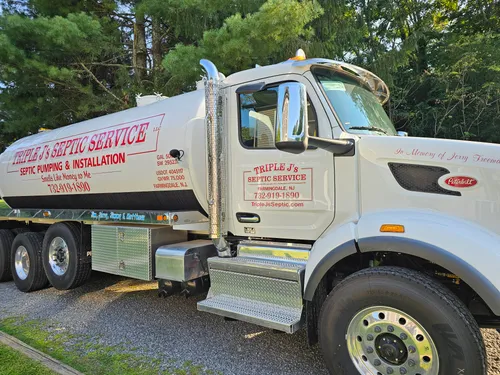
Triple J's Septic Services LLC
34 Asbury Ave, Farmingdale, NJ 07727
Triple J's Septic Services LLC is a family-owned business based in Lakewood, NJ, providing septic tank pumping, repairs, and installation services. Established in the late 1980s by Gerald Freeman, the company holds an A-901 State License, ensuring compliance with New Jersey regulations. They also offer grease trap pumping and manage complex projects involving engineering and additional contractors. With decades of experience, Triple J's supports customers through every step of septic system care and maintenance.
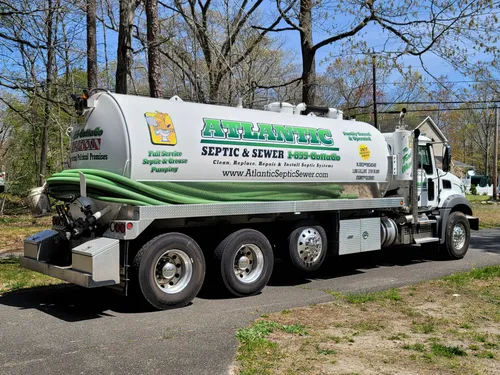
Atlantic Sitton Services, Inc.
647 Herman Rd, Jackson Township, NJ 08527
Atlantic Sitton Services, Inc. provides septic system installation, repair, inspection, and pumping services in Lakewood, NJ. They serve residential, commercial, and government clients across New Jersey, offering additional services such as grease trap cleaning, grease tank pumping, and used cooking oil collection for recycling. Their certified technicians handle septic system jetting, sludge and liquid waste removal, and new construction excavation. With over 30 years of experience, Atlantic Sitton Services emphasizes environmentally conscientious practices and offers emergency services 24/7 to support system functionality and environmental health.
A Norton Septic Contracting
3171 US-9, Old Bridge, NJ 08857
A Norton Septic Contracting is a full-service septic company based in New York, NY, offering septic tank pumping, inspections, repairs, and installations. They serve residential and commercial clients and specialize in alternative septic systems like Hoot and Infiltrator. With over 30 years of experience, they provide NJDEP-compliant inspections and have developed effective repair methods for systems that fail prematurely. The company emphasizes proper maintenance and offers consultations to troubleshoot septic issues. They provide personalized service and handle each project from start to finish.
Tiger Grease and Septic
New York, NY
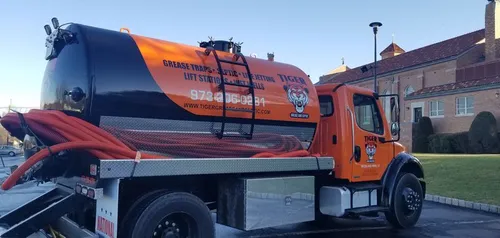
Tiger Grease and Septic is a septic tank pumping company based in New York, NY. They provide grease trap pumping and septic system maintenance services, including the use of specialized equipment like low profile vacuum trucks and portable units for hard-to-reach indoor grease traps. Their fleet includes large volume tankers capable of thorough grease and food solid removal to help prevent backups and odors. The company offers service seven days a week and can arrange same-day emergency pumping when needed.
WHERE OLD MEETS NEW LLC
2a Great Meadow Ln, East Hanover, NJ 07936
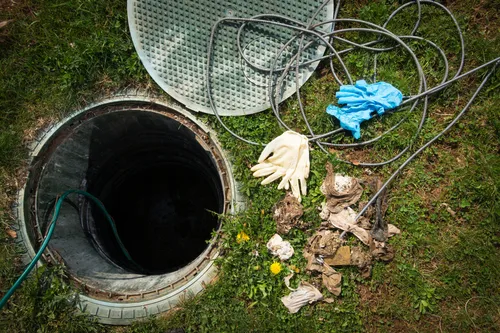
WHERE OLD MEETS NEW LLC is a family-operated septic service company based near New York, NY, serving the communities of Northern New Jersey. They provide full-service septic system maintenance, repair, and installation for both residential and commercial properties. With over 50 years of experience, the company offers expertise in all aspects of septic systems, including planning and permitting for new installations. WHERE OLD MEETS NEW LLC is licensed and insured, continuing a legacy that began with B Horstmann Septic Service founded in 1978.
Understanding Your Septic System
A septic system is an on-site wastewater treatment structure, typically consisting of a tank and a drainfield (or leach field). All household wastewater flows into the septic tank, where solids settle to form a sludge layer, and fats and oils float to create a scum layer. The clarified liquid in the middle, called effluent, then flows out to the drainfield for further treatment in the soil. Over time, the sludge and scum layers accumulate. If not removed through regular septic tank cleaning, these solids can flow into and clog the drainfield, leading to costly system failure, backups, and environmental contamination 1 2.
How Often Should You Pump Your Septic Tank in New Jersey?
The most common question homeowners have is about the frequency of septic system pumping. While a general rule of thumb is every 3 to 5 years, the exact schedule for your New Brunswick home depends on several key factors.
- Tank Capacity: Smaller tanks (under 1,000 gallons) fill with solids more quickly and will require more frequent septic tank service.
- Household Size: A home with four or more residents generates significantly more wastewater and solid waste, accelerating the accumulation in the tank 3.
- Overall Usage: The volume of water used for laundry, showers, and dishwashing directly impacts how fast the tank fills.
The New Jersey Department of Environmental Protection (NJDEP) provides a more precise guideline than a simple time interval: a tank should be pumped when the sludge layer is within 12 inches of the outlet baffle or when the scum layer is within 6 inches of the outlet. The only reliable way to measure these layers is through a professional inspection.
For many households in Middlesex County, this means scheduling a septic tank cleanout every 2-3 years may be necessary, especially for high-occupancy homes with standard-sized tanks. Adhering to this schedule is the most effective way to prevent emergencies and extend the life of your entire drainage system.
The Critical Role of Annual Inspections
Beyond pumping, regular inspections are a cornerstone of proper septic care. The Middlesex County Office of Health Services recommends that homeowners have their systems inspected annually. A thorough inspection does more than just measure sludge; it assesses the entire system's health.
During a professional inspection, a technician will:
- Locate and access the tank and distribution box.
- Measure sludge and scum levels to determine if pumping is needed.
- Check the tank's interior and lids for cracks, leaks, or structural damage.
- Inspect the drainfield for signs of surfacing effluent or soggy ground.
- Verify that mechanical components like pumps or alarms are functioning correctly.
These inspections are particularly crucial during real estate transactions. While not mandated by New Jersey state law, many municipalities in the New Brunswick area require a passing septic inspection report before a property sale can close. Maintaining records of all inspections and pumpings for at least five years is also a requirement for homeowners and provides valuable history for future service 4.
Find the perfect septic tank pumping contractors for your needs
Get personalized recommendations and expert advice
Costs for Septic Services in the New Brunswick Area
Understanding the potential costs helps homeowners budget for this essential maintenance. Pricing can vary based on tank size, accessibility, and the scope of service.
- Combined Inspection & Pumping: A comprehensive service that includes pumping the tank to enable a full internal inspection typically ranges from $400 to $800 in New Jersey 5 6. This is often the most valuable service, as it provides a complete assessment and cleaning in one visit.
- Routine Pumping: The cost for a standard pumping job without a full inspection can vary. Some local companies may offer discounts for scheduling as a neighborhood group 7.
- Repairs: Costs for repairs, such as replacing a damaged baffle or a malfunctioning pump, will depend on the parts and labor required. It's important to note that while minor repairs may not always require a permit, you should always check with the local health department first.
Local Regulations and Permits in Middlesex County
Septic systems are regulated to protect public health and the environment. In New Brunswick and surrounding Middlesex County, the local health department is your primary resource for specific rules.
- Permits: A permit from the Middlesex County Office of Health Services or your local municipal health department is required for any new septic system installation, major repair, or tank replacement.
- Certified Haulers: New Jersey law requires that only NJDEP-registered solid waste haulers perform septic tank pumping. These professionals are trained to properly handle and dispose of the waste, ensuring it does not contaminate the environment.
- System Failure: If your system fails (e.g., sewage backs up into the home or surfaces in the yard), you must contact your local health department immediately. Emergency repairs will be necessary and will likely require a permit 8.
For the most accurate and current information regarding permits and local codes, residents should contact the Middlesex County Office of Health Services Environmental Health division directly 9 10.
Choosing a Qualified Septic Service Provider
Selecting the right company for your septic tank maintenance is crucial. Look for providers who:
- Are licensed and insured in New Jersey.
- Use NJDEP-registered waste haulers for disposal.
- Offer clear, detailed explanations of their inspection process.
- Provide written reports with photos and measurements after service.
- Can explain local Middlesex County requirements. A reputable professional will be your partner in maintaining a functional and compliant wastewater system.
Signs Your Septic Tank Needs Immediate Attention
Don't wait for your scheduled maintenance if you notice any of these warning signs:
- Slow drains or gurgling pipes throughout the house.
- Sewage odors near the tank or drainfield.
- Pooling water or unusually lush, green grass over the drainfield.
- Sewage backing up into household drains. These symptoms indicate a potential blockage or system failure that requires prompt professional septic tank service to prevent property damage and health hazards 11.
Frequently asked questions
Sources
Footnotes
-
a homeowner's manual for septic systems - RUcore - https://rucore.libraries.rutgers.edu/rutgers-lib/29112/PDF/1/play/ ↩
-
SEPTIC - NJ.gov - https://dep.nj.gov/wp-content/uploads/dwq/pdf/septicmn.pdf ↩
-
How Often Should You Pump Your Septic Tank: 3 Factors Solved - https://www.frasiers.com/blog/sewage-tank-pump-frequency/ ↩
-
Compliance Advisory - NJ.gov - https://www.nj.gov/dep/enforcement/advisories/2023-07.pdf ↩
-
New Jersey Septic System Rules - 2026 Guide - https://thesewerkings.com/blog/new-jersey-septic-system-rules/ ↩
-
NJ Septic Regulations for 2026: Inspections, Permits & Rules - https://www.atsenvironmental.com/blog/nj-septic-regulations-for-2026/ ↩
-
How often should a septic system be pumped out in New ... - https://www.facebook.com/groups/alexandriatownship/posts/10161355661678830/ ↩
-
Septic System Inspections - RUcore - https://rucore.libraries.rutgers.edu/rutgers-lib/28214/PDF/1/play/ ↩
-
Septic System Program | Middlesex County NJ - https://www.middlesexcountynj.gov/government/departments/department-of-public-safety-and-health/office-of-health-services/environmental-health/septic-system-program ↩
-
New Jersey Septic Tank Rules And Regulations - Arrow Sewer & Drain - https://www.arrowsewernj.com/blog/septic-tanks-in-new-jersey-what-you-need-to-know/ ↩
-
When to Pump Your Septic Tank | Roto-Rooter - https://www.rotorooter.com/blog/outdoor-plumbing/5-signs-its-time-to-call-your-septic-pumping-service/ ↩