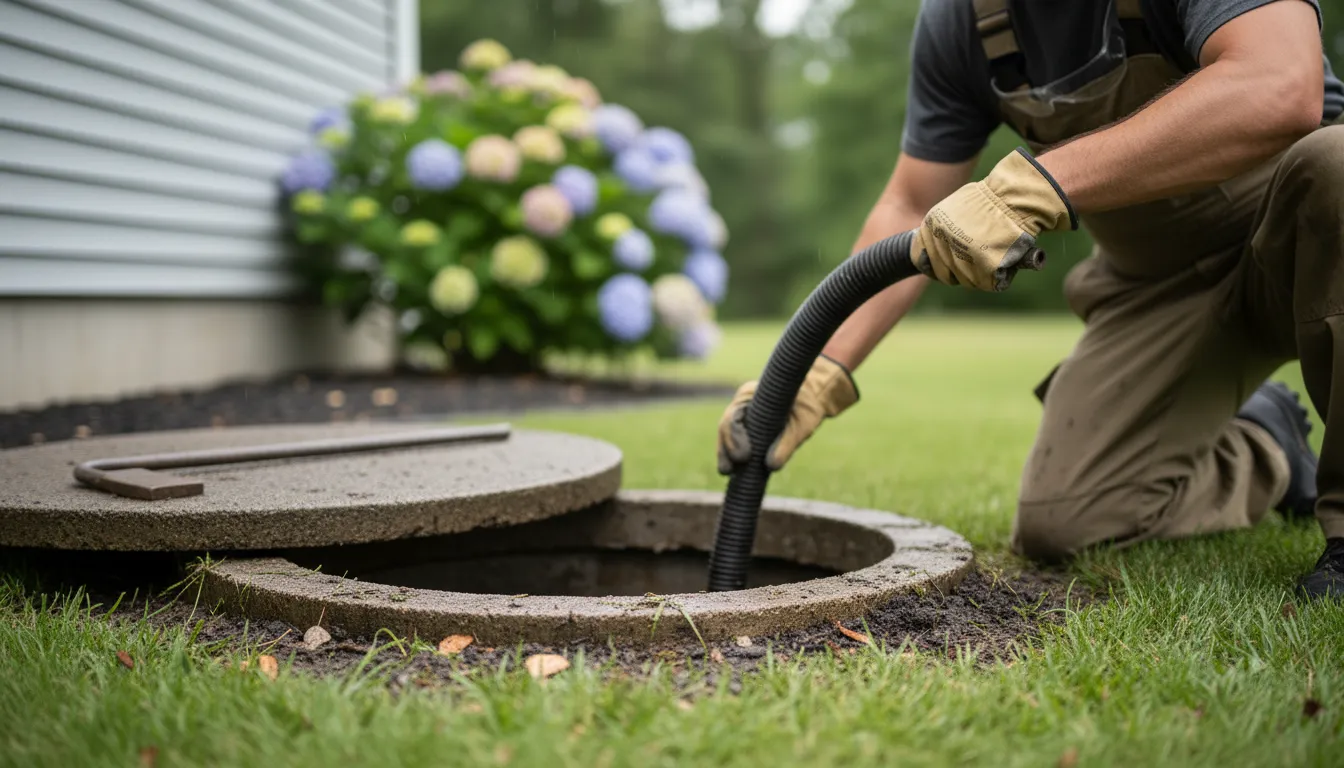
Find the Best Septic Tank Pumping Contractors for Your Business
No obligation • Fast responses • Nationwide coverage

Why you can trust Septic Spot
Septic Spot is a leading United States resource for understanding and comparing septic services. Our editors review providers using consistent criteria and verify key business details. Listings and scores are independent, and companies cannot pay to influence our content.
Search providers near you
Top Septic Tank Pumping Contractors in North Brunswick, New Jersey Ranked
Maintaining your septic system is a crucial responsibility for any homeowner not connected to a municipal sewer line. Septic tank pumping is the essential process of removing accumulated solids and sludge from your tank to prevent system failure, environmental contamination, and costly repairs. For residents of North Brunswick, understanding local regulations and finding a qualified professional for this service is key to protecting your property and complying with Middlesex County and New Jersey state standards. This guide will help you understand the specifics of septic maintenance in our area and how to connect with reliable local providers.
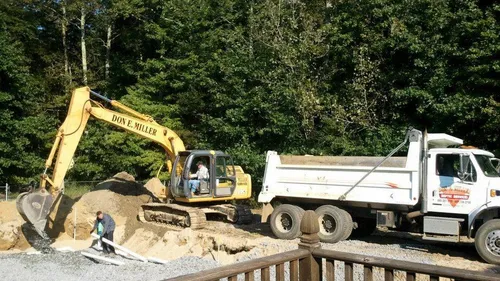
Don E Miller Septic Service Inc & Donny's Potty's
362 Meany Rd, North Hanover, NJ 08562
Don E Miller Septic Service Inc & Donny's Potty's is a family-owned septic service provider based near Philadelphia, PA. They offer a wide range of septic system services including pumping, inspections, repairs, and installations, as well as portable toilet rentals for residential, commercial, and municipal customers. The company has been serving the North Hanover Township area and surroundings since 1963, providing expertise in maintaining and installing various septic system components such as dosing pumps, grease traps, and effluent filters.
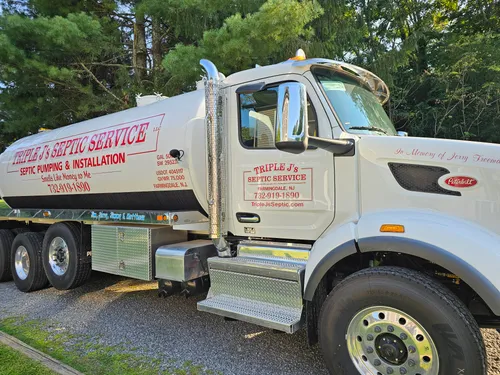
Triple J's Septic Services LLC
34 Asbury Ave, Farmingdale, NJ 07727
Triple J's Septic Services LLC is a family-owned business based in Lakewood, NJ, providing septic tank pumping, repairs, and installation services. Established in the late 1980s by Gerald Freeman, the company holds an A-901 State License, ensuring compliance with New Jersey regulations. They also offer grease trap pumping and manage complex projects involving engineering and additional contractors. With decades of experience, Triple J's supports customers through every step of septic system care and maintenance.
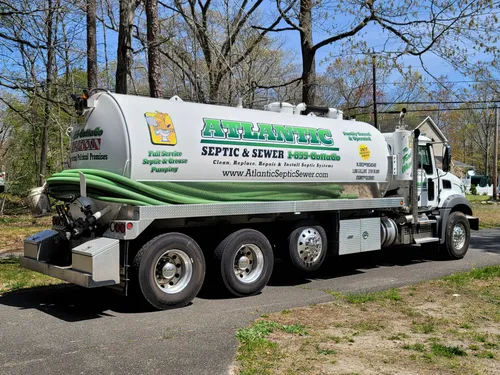
Atlantic Sitton Services, Inc.
647 Herman Rd, Jackson Township, NJ 08527
Atlantic Sitton Services, Inc. provides septic system installation, repair, inspection, and pumping services in Lakewood, NJ. They serve residential, commercial, and government clients across New Jersey, offering additional services such as grease trap cleaning, grease tank pumping, and used cooking oil collection for recycling. Their certified technicians handle septic system jetting, sludge and liquid waste removal, and new construction excavation. With over 30 years of experience, Atlantic Sitton Services emphasizes environmentally conscientious practices and offers emergency services 24/7 to support system functionality and environmental health.
A Norton Septic Contracting
3171 US-9, Old Bridge, NJ 08857
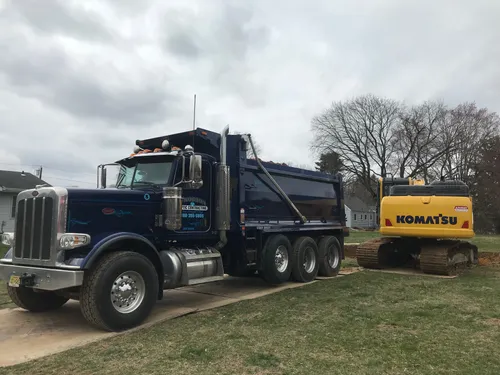
A Norton Septic Contracting is a full-service septic company based in New York, NY, offering septic tank pumping, inspections, repairs, and installations. They serve residential and commercial clients and specialize in alternative septic systems like Hoot and Infiltrator. With over 30 years of experience, they provide NJDEP-compliant inspections and have developed effective repair methods for systems that fail prematurely. The company emphasizes proper maintenance and offers consultations to troubleshoot septic issues. They provide personalized service and handle each project from start to finish.
Tiger Grease and Septic
New York, NY
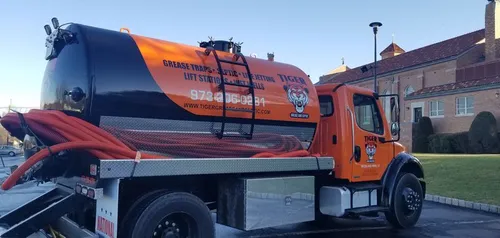
Tiger Grease and Septic is a septic tank pumping company based in New York, NY. They provide grease trap pumping and septic system maintenance services, including the use of specialized equipment like low profile vacuum trucks and portable units for hard-to-reach indoor grease traps. Their fleet includes large volume tankers capable of thorough grease and food solid removal to help prevent backups and odors. The company offers service seven days a week and can arrange same-day emergency pumping when needed.
Why Regular Septic Maintenance is Non-Negotiable
A septic system is a mini wastewater treatment plant on your property. When functioning correctly, it safely processes household water from toilets, showers, sinks, and appliances. The tank itself holds the wastewater long enough for solids to settle as sludge, while oils and grease float to the top as scum. The liquid effluent then flows out to the drain field for further filtration. Over time, the sludge and scum layers build up. If they aren't removed via professional septic tank cleaning, they can overflow into the drain field, causing clogs, backups into your home, and groundwater pollution. Regular maintenance isn't just a suggestion; it's a requirement for system health and environmental safety in New Jersey.
North Brunswick Septic Pumping Schedule & Regulations
Adhering to a proper pumping schedule is the cornerstone of septic system care. For most households in North Brunswick, the general guideline is to have your tank pumped every 3 to 5 years. However, this is a baseline. Several factors can necessitate more frequent service, such as having a smaller-than-average tank, a large household, or using a garbage disposal regularly. Some local experts even recommend a more conservative interval of every 18 to 24 months for systems under heavy use to prevent problems before they start1.
Beyond pumping, New Jersey strongly emphasizes annual inspections2 3. A professional should check the sludge and scum levels in your tank each year. This inspection can catch issues early, like a failing baffle or signs of drain field distress, and helps determine the optimal time for your next pump-out. It's important to note that all septic waste in New Jersey must be handled by an NJDEP-registered solid waste hauler. When you hire a licensed provider for septic tank emptying, they will ensure the tank is completely emptied and the waste is disposed of at an approved facility.
Find the perfect septic tank pumping contractors for your needs
Get personalized recommendations and expert advice
Understanding Costs for Septic Services in North Brunswick
The cost for routine septic tank pumping in the North Brunswick area typically ranges from $290 to $7004. This price can vary based on the size of your tank (e.g., 1,000-gallon vs. 1,500-gallon), its accessibility, and how long it has been since the last service. If a system is significantly overdue for maintenance, solids may have hardened, requiring more labor-intensive removal. In such cases, costs can increase by an additional $100 to $2004. While this is an investment, it pales in comparison to the expense of repairing or replacing a failed drain field, which can cost tens of thousands of dollars. Viewing regular pumping as preventative care is the most cost-effective approach to septic system ownership.
Local Permits, Compliance, and Record-Keeping
For routine septic tank pumping and inspection, you generally do not need a permit. However, any repair work that involves excavation, replacing components like the tank or distribution box, or altering the drain field will require permits from local authorities. North Brunswick residents can contact the Middlesex County Office of Health Services for guidance on local enforcement and regulations5.
One of the most critical habits for a homeowner is maintaining detailed records. You should keep receipts for every inspection, pumping, and repair service6. This paperwork serves as proof of compliance with state guidelines and is invaluable if you decide to sell your property. Potential buyers and their inspectors will want to see a well-documented history of septic system maintenance.
Choosing a Qualified Septic Service Provider
Selecting the right company for your septic tank servicing is vital. Always verify that the provider is licensed by the New Jersey Department of Environmental Protection (NJDEP) as a solid waste hauler7. Look for established local companies with strong reputations, proper insurance, and transparent pricing. A reputable professional will not only pump the tank but also perform a basic inspection of the tank's components, note the sludge and scum levels, and advise you on the condition of your system. They should be willing to answer your questions about local requirements and optimal maintenance schedules for your specific household.
Signs Your Septic Tank Needs Immediate Attention
While sticking to a schedule is best, be alert for warning signs that your system needs service sooner:
- Slow drains throughout the house, not just one fixture.
- Gurgling sounds coming from your plumbing.
- Sewage odors near the septic tank or drain field.
- Pooling water or unusually lush, green grass over the drain field area.
- Backups in toilets, showers, or sinks.
If you notice any of these issues, contact a septic professional immediately to assess the situation and prevent further damage.
Protecting Your Drain Field
The drain field is the most expensive part of your system to replace, and its health depends on a well-maintained tank. You can protect it by:
- Adhering to your pumping schedule to prevent solids from escaping the tank.
- Conserving water to avoid hydraulically overloading the system.
- Avoiding parking or driving heavy vehicles over the drain field.
- Not planting trees or shrubs with deep roots near the field.
- Keeping roof drains, sump pumps, and other non-wastewater away from the area.
By combining regular professional septic tank pumping with these smart practices, you ensure the longevity and reliability of your entire onsite wastewater system.
Frequently asked questions
Sources
Footnotes
-
Pumping Services - New Jersey Septic Management Group - https://nj-septic.com/pumping-services/ ↩
-
SEPTIC - NJ.gov - https://dep.nj.gov/wp-content/uploads/dwq/pdf/septicmn.pdf ↩
-
a homeowner's manual for septic systems - RUcore - https://rucore.libraries.rutgers.edu/rutgers-lib/29112/PDF/1/play/ ↩
-
Septic Pumping Cost by State: 2024 Complete Price Guide - https://wastedoor.com/article/septic-pumping-cost-by-state ↩ ↩2
-
Septic System Program | Middlesex County NJ - https://www.middlesexcountynj.gov/government/departments/department-of-public-safety-and-health/office-of-health-services/environmental-health/septic-system-program ↩
-
New Jersey Septic System Rules - 2026 Guide - https://thesewerkings.com/blog/new-jersey-septic-system-rules/ ↩
-
Licensed Septic Service NJ - Requirements - The Sewer Kings - https://thesewerkings.com/blog/licensed-septic-service-professionals/ ↩