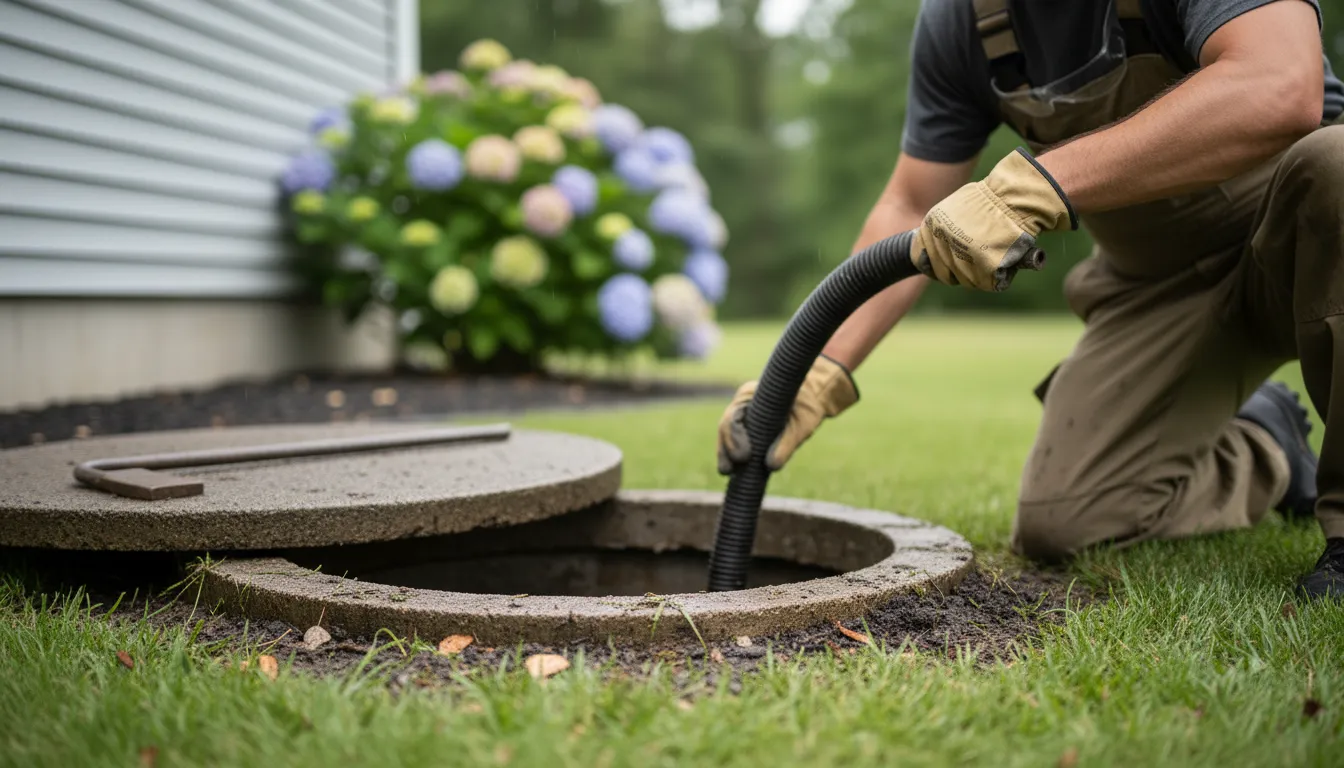
Find the Best Septic Tank Pumping Contractors for Your Business
No obligation • Fast responses • Nationwide coverage

Why you can trust Septic Spot
Septic Spot is a leading United States resource for understanding and comparing septic services. Our editors review providers using consistent criteria and verify key business details. Listings and scores are independent, and companies cannot pay to influence our content.
Search providers near you
Top Septic Tank Pumping Contractors in Old Bridge, New Jersey Ranked
Maintaining your septic system is a critical responsibility for any homeowner in Old Bridge, NJ. Regular septic tank pumping and inspection are essential to prevent costly system failures, protect your property value, and safeguard the local environment and groundwater. This guide provides the local information you need to understand your system's maintenance schedule, find qualified professionals for septic service, and ensure your home's wastewater treatment operates smoothly for years to come.
Jersey Shore Septic And Sewer LLC
Lakewood, NJ
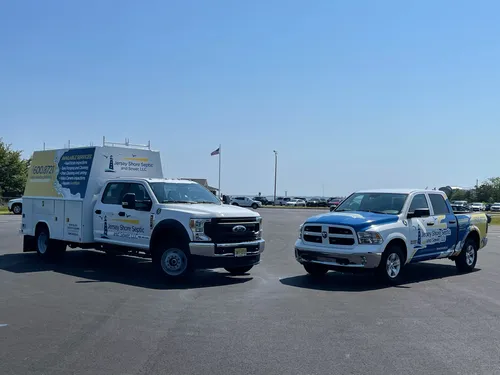
Jersey Shore Septic And Sewer LLC is a family-owned and operated business serving Lakewood, NJ, and surrounding counties including Atlantic, Middlesex, Monmouth, and Ocean. With over a decade of experience, they provide residential and commercial septic services such as septic tank pumping, inspections, repairs, replacements, and new installations. Their team holds CDL-A licenses and is trained to perform specialized services like video camera inspections and high-pressure water jetting. The company also offers excavation and commercial snow removal services.
Don E Miller Septic Service Inc & Donny's Potty's
362 Meany Rd, North Hanover, NJ 08562
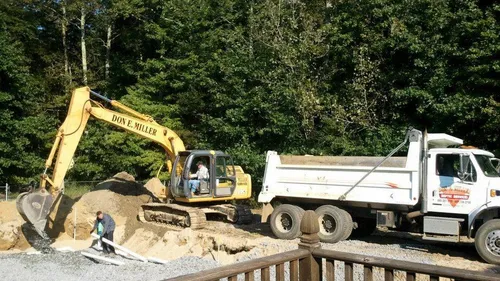
Don E Miller Septic Service Inc & Donny's Potty's is a family-owned septic service provider based near Philadelphia, PA. They offer a wide range of septic system services including pumping, inspections, repairs, and installations, as well as portable toilet rentals for residential, commercial, and municipal customers. The company has been serving the North Hanover Township area and surroundings since 1963, providing expertise in maintaining and installing various septic system components such as dosing pumps, grease traps, and effluent filters.
Triple J's Septic Services LLC
34 Asbury Ave, Farmingdale, NJ 07727
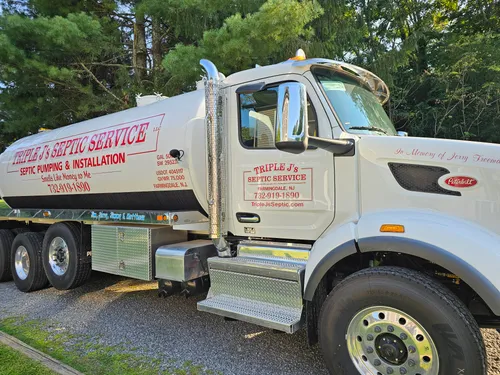
Triple J's Septic Services LLC is a family-owned business based in Lakewood, NJ, providing septic tank pumping, repairs, and installation services. Established in the late 1980s by Gerald Freeman, the company holds an A-901 State License, ensuring compliance with New Jersey regulations. They also offer grease trap pumping and manage complex projects involving engineering and additional contractors. With decades of experience, Triple J's supports customers through every step of septic system care and maintenance.
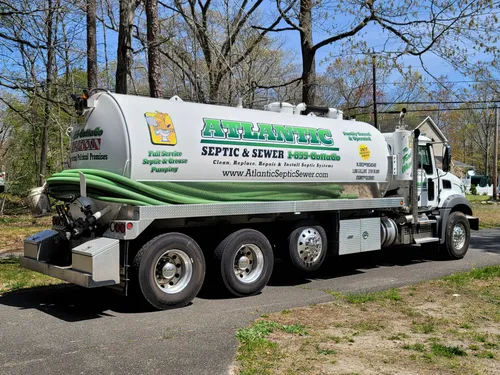
Atlantic Sitton Services, Inc.
647 Herman Rd, Jackson Township, NJ 08527
Atlantic Sitton Services, Inc. provides septic system installation, repair, inspection, and pumping services in Lakewood, NJ. They serve residential, commercial, and government clients across New Jersey, offering additional services such as grease trap cleaning, grease tank pumping, and used cooking oil collection for recycling. Their certified technicians handle septic system jetting, sludge and liquid waste removal, and new construction excavation. With over 30 years of experience, Atlantic Sitton Services emphasizes environmentally conscientious practices and offers emergency services 24/7 to support system functionality and environmental health.
A Norton Septic Contracting
3171 US-9, Old Bridge, NJ 08857
A Norton Septic Contracting is a full-service septic company based in New York, NY, offering septic tank pumping, inspections, repairs, and installations. They serve residential and commercial clients and specialize in alternative septic systems like Hoot and Infiltrator. With over 30 years of experience, they provide NJDEP-compliant inspections and have developed effective repair methods for systems that fail prematurely. The company emphasizes proper maintenance and offers consultations to troubleshoot septic issues. They provide personalized service and handle each project from start to finish.
Proper septic system care is not just about avoiding backups; it's a key part of home stewardship in Middlesex County. A well-maintained system treats household wastewater effectively, preventing contaminants from reaching the soil and water sources. By proactively managing your septic tank maintenance, you can avoid the significant expense and disruption of emergency repairs or full system replacement.
Understanding Your Septic System's Needs
A septic system is a self-contained wastewater treatment plant for your property. Solids settle in the tank, where they are partially broken down by bacteria, while liquid effluent flows out to a drain field for further filtration. Over time, sludge and scum accumulate, and if not removed, can clog the system. The frequency of required septic cleaning depends on several household factors.
For most homes in Old Bridge, the standard recommendation is to have your tank pumped every 3-5 years 1. However, this is a general guideline. Your specific schedule should be determined by a professional inspection, which is recommended every 1-3 years 2. An inspection will measure the sludge and scum layers in your tank to provide a personalized maintenance plan.
Factors That Increase Pumping Frequency
Certain conditions require more frequent septic system service. If your home uses a garbage disposal, the added organic solids can fill your tank much faster, necessitating pumping every 1-2 years 3. Other factors that shorten the interval between pump-outs include:
- Household Size: A larger family generates more wastewater and solid waste.
- Tank Size: A smaller tank has less capacity and will fill more quickly.
- Water Usage: High water consumption from laundry, long showers, or leaks can overwhelm the system.
- Type of Waste: Excessive use of chemicals, grease, or non-biodegradable items can hinder bacterial action and accelerate sludge buildup.
The Cost of Maintenance vs. Failure
Investing in routine septic tank pumping is one of the most cost-effective home maintenance tasks. In the Old Bridge area, the cost for professional pumping typically ranges from $200 to over $400, depending on the size of your tank and its accessibility 4. Many service providers include a basic inspection as part of the pumping visit, which can identify minor issues before they become major problems.
Neglecting this essential service, however, can lead to catastrophic failure. A failing septic system can result in:
- Sewage backups into your home.
- Soggy, foul-smelling patches in your yard above the drain field.
- Contamination of nearby wells, streams, or groundwater.
The cost to remediate a failed system is staggering. Excavating and replacing a drain field or installing a completely new septic system can easily cost $8,000 to $15,000 or more 5 6. Regular pumping, at a fraction of that cost, is the best insurance policy for your system's longevity.
Find the perfect septic tank pumping contractors for your needs
Get personalized recommendations and expert advice
New Jersey and Old Bridge Regulations
Homeowners in New Jersey are responsible for ensuring their septic systems are properly maintained. The New Jersey Department of Environmental Protection (NJDEP) regulates these systems and strongly recommends hiring licensed solid waste haulers for sludge removal 7. These professionals are trained in proper disposal protocols, ensuring waste is handled safely and in accordance with state law.
Local regulations also dictate where your system can be placed. Critical setback distances help protect structures and water sources. Key distances to be aware of include 8 9 10:
- 10-25 feet from building foundations.
- 50-100 feet from wells, lakes, streams, and other water bodies.
- 10 feet from property lines.
If you are buying, selling, or improving a property with a septic system, you may be required to obtain a local inspection or permit from the Old Bridge Township Engineering or Health Department. Always contact local authorities for the most current regulations and requirements specific to your property.
Choosing a Service Provider in Old Bridge
When it's time for septic tank cleaning or an inspection, selecting the right professional is crucial. Look for providers who are licensed, insured, and have a strong local reputation. A reputable septic service company will:
- Provide a clear estimate for pumping and any additional inspection services.
- Use modern equipment to safely pump and dispose of waste at approved facilities.
- Conduct a thorough inspection of your tank's baffles, lids, and water level.
- Offer advice on your optimal pumping schedule based on their findings.
- Be able to discuss local codes and requirements.
Regular maintenance, including timely pumping and inspection, is the simplest way to ensure your septic system remains a reliable and unnoticed part of your home's infrastructure. By understanding your system's needs and partnering with a qualified local professional, you can protect your investment and your community's environment.
Frequently asked questions
Sources
Footnotes
-
Frequent Questions on Septic Systems | US EPA - https://www.epa.gov/septic/frequent-questions-septic-systems ↩
-
Septic Tank Maintenance & Expert Cleaning in New Jersey - https://alseptic.com/septic-tank-maintenance-nj/ ↩
-
How Often Should I Pump Out My Septic Tank? - https://cms2.revize.com/revize/westportma/Documents/Departments/Health/Forms%20And%20Resources/how_often_should_i_pump_out_my_septic_tank_2.pdf?t=202508080914340&t=202508080914340 ↩
-
DEP: Pumping, inspections required for N.J. septic systems - https://www.trentonian.com/2008/08/28/dep-pumping-inspections-required-for-nj-septic-systems/ ↩
-
SEPTIC - NJ.gov - https://dep.nj.gov/wp-content/uploads/dwq/pdf/septicmn.pdf ↩
-
Pumping Services - New Jersey Septic Management Group - https://nj-septic.com/pumping-services/ ↩
-
a homeowner's manual for septic systems - RUcore - https://rucore.libraries.rutgers.edu/rutgers-lib/29112/PDF/1/play/ ↩
-
New Jersey Septic System Rules - 2026 Guide - The Sewer Kings - https://thesewerkings.com/blog/new-jersey-septic-system-rules/ ↩
-
NJ Septic Regulations for 2026: Inspections, Permits & Rules - https://www.atsenvironmental.com/blog/nj-septic-regulations-for-2026/ ↩
-
Navigating Septic System Regulations: Expert Guidance for New ... - https://www.mapengineering.net/navigating-septic-system-regulations/ ↩