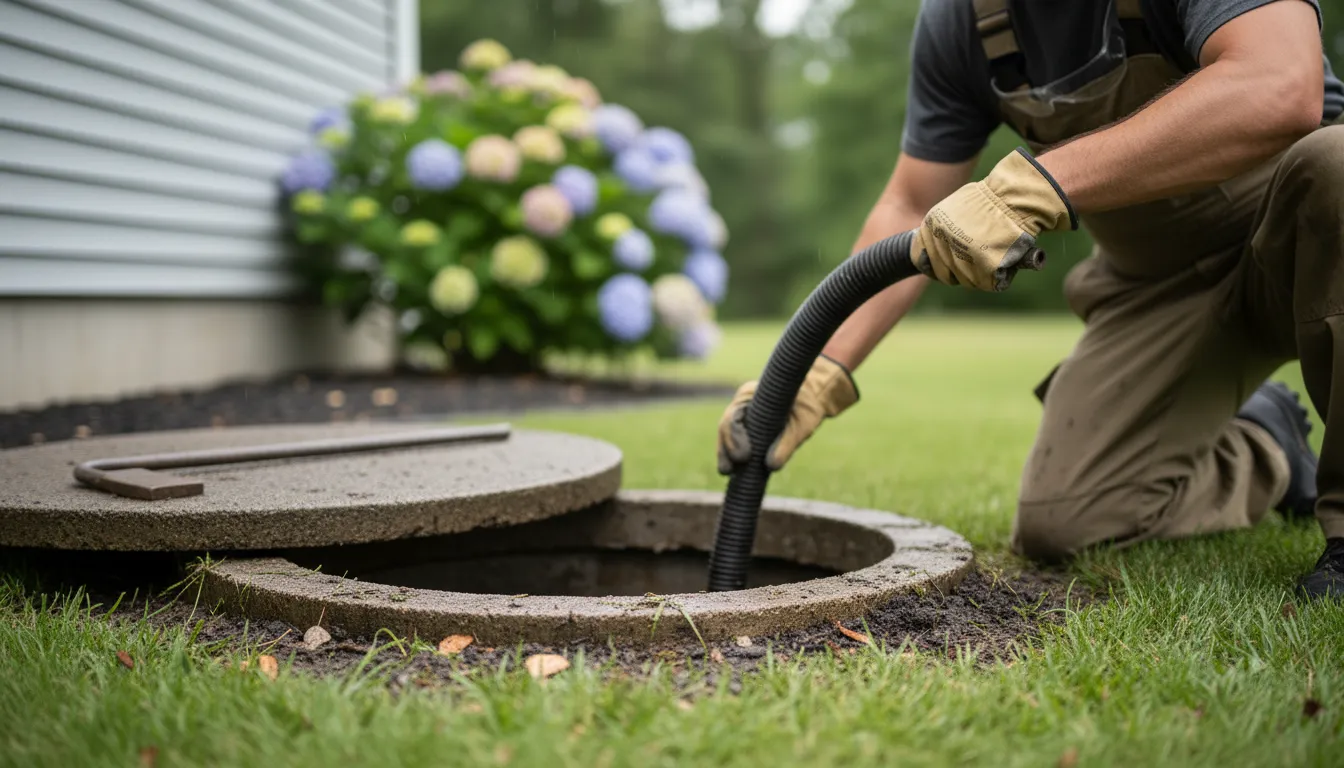
Find the Best Septic Tank Pumping Contractors for Your Business
No obligation • Fast responses • Nationwide coverage

Why you can trust Septic Spot
Septic Spot is a leading United States resource for understanding and comparing septic services. Our editors review providers using consistent criteria and verify key business details. Listings and scores are independent, and companies cannot pay to influence our content.
Search providers near you
Top Septic Tank Pumping Contractors in Passaic, New Jersey Ranked
Maintaining a septic system is a crucial responsibility for homeowners in Passaic. Regular septic tank pumping and inspection are essential services that prevent system failures, protect your property value, and safeguard the local environment and groundwater. This guide will help you understand the local regulations, recommended maintenance schedules, and what to expect when hiring a professional for septic system maintenance in Passaic.
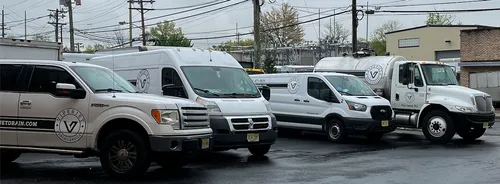
Viper Jet Drain Services
5-02 Banta Pl, Fair Lawn, NJ 07410
Viper Jet Drain Services is a septic tank pumping company based in Paterson, NJ, offering a full range of drain, septic, and grease trap services. They serve residential, commercial, and municipal clients throughout New Jersey and New York City. Their licensed and insured technicians use advanced equipment to provide services such as septic tank cleaning and pumping, hydro jetting, grease trap maintenance, and stormwater drain management. Viper Jet is a family-owned business that emphasizes expertise and commitment in all their work. They also provide responsive emergency service when needed.
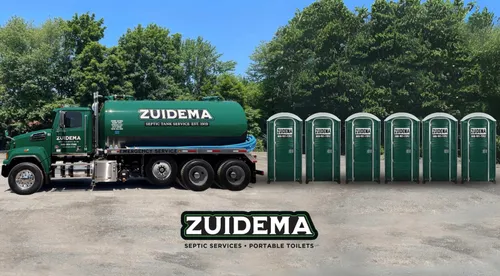
Zuidema Septic Services & Portable Toilets
90 Midland Ave, Midland Park, NJ 07432
Zuidema Septic Services & Portable Toilets provides residential and commercial septic services along with portable toilet and restroom trailer rentals in New York, NY. With over 100 years of experience since 1919, they offer septic tank pumping, inspections, repairs, and grease trap services. Their use of advanced sewer camera technology helps identify and address sewer line issues effectively. Zuidema also offers 24/7 emergency service for septic and portable toilet needs, ensuring support is available at any time.
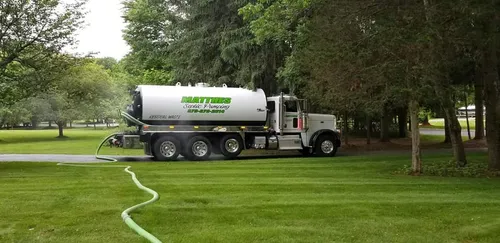
EarthCare, a Wind River Company
New York, NY
EarthCare, a Wind River Company, provides septic tank pumping, inspection, and grease services in New York, NY, and surrounding areas including North Jersey and Hudson Valley. Serving residential, commercial, and municipal clients, they offer comprehensive waste management solutions such as pumping, cleaning, hauling, disposal, and environmental compliance support. Established in 1946, EarthCare operates one of the industry's largest fleets and provides 24/7 emergency services to ensure continuous system operation and regulatory compliance.
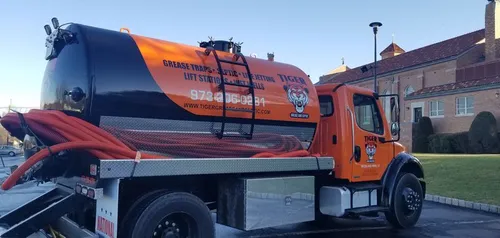
Tiger Grease and Septic
New York, NY
Tiger Grease and Septic is a septic tank pumping company based in New York, NY. They provide grease trap pumping and septic system maintenance services, including the use of specialized equipment like low profile vacuum trucks and portable units for hard-to-reach indoor grease traps. Their fleet includes large volume tankers capable of thorough grease and food solid removal to help prevent backups and odors. The company offers service seven days a week and can arrange same-day emergency pumping when needed.
WHERE OLD MEETS NEW LLC
2a Great Meadow Ln, East Hanover, NJ 07936
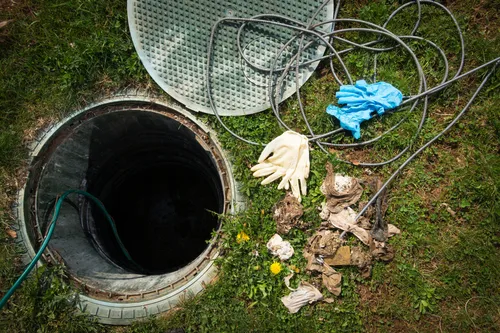
WHERE OLD MEETS NEW LLC is a family-operated septic service company based near New York, NY, serving the communities of Northern New Jersey. They provide full-service septic system maintenance, repair, and installation for both residential and commercial properties. With over 50 years of experience, the company offers expertise in all aspects of septic systems, including planning and permitting for new installations. WHERE OLD MEETS NEW LLC is licensed and insured, continuing a legacy that began with B Horstmann Septic Service founded in 1978.
Understanding Your Septic System in Passaic
A septic system is an on-site wastewater treatment structure, typically used in areas not served by a centralized municipal sewer system. In Passaic, residential systems are managed under New Jersey state codes (N.J.A.C. 7:9A) and overseen by local health authorities. These authorities are responsible for systems that handle less than 2,000 gallons of wastewater per day, which covers most single-family homes. The system consists of a septic tank, where solids settle and begin to decompose, and a drain field, where the treated liquid effluent is dispersed into the soil. Proper care, including scheduled septic tank cleaning, is vital for its longevity and function.
Why Regular Pumping is Non-Negotiable
Over time, solid waste (sludge) and floating scum accumulate in your septic tank. If these layers are not removed through periodic pumping, they can flow out into the drain field. This can clog the soil, leading to system backups, foul odors, soggy yards, and costly repairs or even a complete system replacement. More importantly, a failing system can contaminate local groundwater, posing a serious public health risk. Regular maintenance is the most cost-effective way to avoid these problems.
New Jersey's Recommended Pumping Schedule
The New Jersey Department of Environmental Protection (NJDEP) provides clear guidance: septic tanks should be pumped every 3 to 5 years. This is the standard recommendation for an average household. However, this is not a one-size-fits-all schedule. Several factors can necessitate more frequent septic service:
- Household Size and Water Usage: A home with more occupants or high water usage (e.g., frequent laundry, long showers) will fill the tank faster.
- Tank Size: A tank smaller than 1,000 gallons will require more frequent attention than a larger one.
- Garbage Disposal Use: Using a garbage disposal significantly increases the amount of solids entering the tank.
- System Components: Systems with electrical pumps, aerobic treatment units, or dose tanks require more frequent inspection and often more frequent pumping 1 2.
For high-usage households or those with smaller tanks, professionals often recommend pumping every 1 to 2 years to ensure optimal performance 3 4.
The Professional Inspection: What to Expect
A thorough inspection by a certified professional should accompany every pumping. This is not just a best practice; it's a key part of responsible system management. During an inspection, the technician will:
- Measure Sludge and Scum: The core of the inspection is measuring the depth of the sludge layer at the bottom of the tank and the scum layer at the top. According to guidelines from Rutgers University, if the sludge layer is within 12 inches of the outlet baffle or tee, the tank must be pumped 5.
- Check Tank Integrity: The inspector will look for cracks, leaks, and corrosion in the tank itself.
- Inspect Components: All inlet and outlet baffles or tees will be checked for damage or blockage. The condition of the tank cover and access risers is also assessed for safety.
- Evaluate the Drain Field: While the drain field itself is not excavated, the inspector will look for signs of failure in the area above it, such as overly lush grass, soggy soil, or surfacing effluent.
Maintaining detailed records of every inspection and pumping is critical. These documents prove compliance with local health codes and are invaluable if you sell your home 6 7.
Find the perfect septic tank pumping contractors for your needs
Get personalized recommendations and expert advice
Costs for Septic Maintenance in Passaic
Understanding the potential costs helps homeowners budget for this essential maintenance. It's important to view these expenses as an investment in protecting your property.
- Standard Pumping: For routine septic tank pumping in Passaic, homeowners can expect to pay between $300 and $500. The final price can vary based on tank size, accessibility, and how long it has been since the last service.
- Professional Inspection: A comprehensive inspection typically costs between $100 and $300. Many companies offer a combined inspection and pumping service at a bundled rate.
- Additional Repairs: If issues are found, repair costs can add significantly to the bill. Cleaning or replacing an effluent filter might cost $200-$400, while repairing a damaged baffle or fixing a minor leak can range from $500 to over $1,000 8.
Always get a detailed, written estimate before work begins.
Local Regulations and Compliance in Passaic
Passaic homeowners must adhere to regulations set by both the NJDEP and the local health department. The local agency handles permits for new system installations, major repairs, and system alterations 9 10. They have the authority to require pumping and inspection records, especially if a system is suspected of malfunctioning or during a property transfer. Proactive maintenance is the best way to stay in compliance and avoid enforcement actions.
Signs Your System Needs Immediate Attention
Don't wait for your scheduled maintenance if you notice any of these red flags:
- Slow Drains: Sinks, showers, and toilets that drain slowly, especially throughout the house.
- Sewage Backups: Wastewater backing up into household drains.
- Bad Odors: Foul smells emanating from drains, the yard, or near the tank location.
- Soggy Lawn: Unusually wet, spongy, or bright green grass over the drain field.
- Standing Water: Puddles of greywater or effluent on the ground surface.
If you observe any of these signs, contact a septic service professional immediately to prevent further damage and environmental contamination.
Choosing a Qualified Septic Service Provider
Selecting the right company is crucial. Look for providers who:
- Are licensed and insured to work in New Jersey.
- Have certified inspectors on staff.
- Can provide references from local customers.
- Offer clear, upfront pricing and detailed service reports.
- Properly dispose of septage at approved wastewater treatment facilities.
A reputable provider will be knowledgeable about Passaic and New Jersey regulations and will take the time to explain their findings and recommendations clearly.
Frequently asked questions
Sources
Footnotes
-
SEPTIC - NJ.gov - https://dep.nj.gov/wp-content/uploads/dwq/pdf/septicmn.pdf ↩
-
Septic Systems | Department of Environmental Protection - https://www.pa.gov/agencies/dep/residents/my-water/septic-systems ↩
-
How often should a septic system be pumped out in New Jersey? - https://www.facebook.com/groups/alexandriatownship/posts/10161355661678830/ ↩
-
How Often Should You Pump Your Septic Tank in Seattle? - https://gogreenlatrine.com/how-often-pump-septic-tank/ ↩
-
a homeowner's manual for septic systems - RUcore - https://rucore.libraries.rutgers.edu/rutgers-lib/29112/PDF/1/play/ ↩
-
New Jersey Septic System Rules - 2026 Guide - https://thesewerkings.com/blog/new-jersey-septic-system-rules/ ↩
-
How to Care for Your Septic System | US EPA - https://www.epa.gov/septic/how-care-your-septic-system ↩
-
How Much Does a Septic Tank Cost? - https://www.blackdiamondsepticpumping.com/blog/how-much-does-a-septic-tank-cost ↩
-
NJDEP| Division of Water Quality | Septic Systems - https://dep.nj.gov/dwq/wastewater/septic-systems/ ↩
-
NJDEP| Division of Water Quality | Permitting Information - https://dep.nj.gov/dwq/wastewater/septic-systems/permitting-information/ ↩