Find the Best Septic Tank Pumping Contractors for Your Business
No obligation • Fast responses • Nationwide coverage

Why you can trust Septic Spot
Septic Spot is a leading United States resource for understanding and comparing septic services. Our editors review providers using consistent criteria and verify key business details. Listings and scores are independent, and companies cannot pay to influence our content.
Search providers near you
Top Septic Tank Pumping Contractors in Moore, Oklahoma Ranked
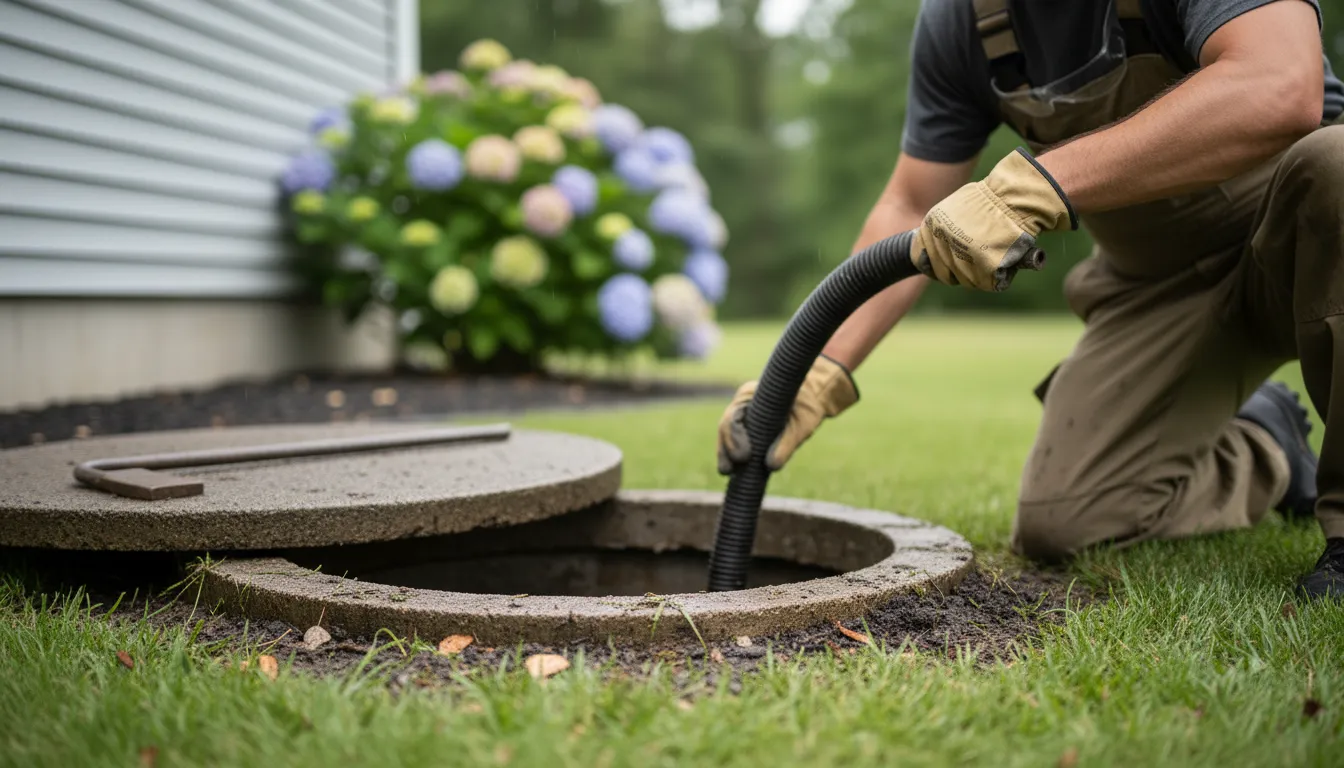
Maintaining your septic system is a critical responsibility for any homeowner not connected to a municipal sewer line. Regular septic tank pumping is the cornerstone of this maintenance, preventing system failures, protecting your property value, and safeguarding local groundwater. This guide provides essential information for Moore residents on how, when, and why to schedule this vital service, helping you connect with qualified local professionals to keep your system functioning smoothly for years to come.
Dependable Septic Service
1411 N Morgan Rd, Tuttle, OK 73089
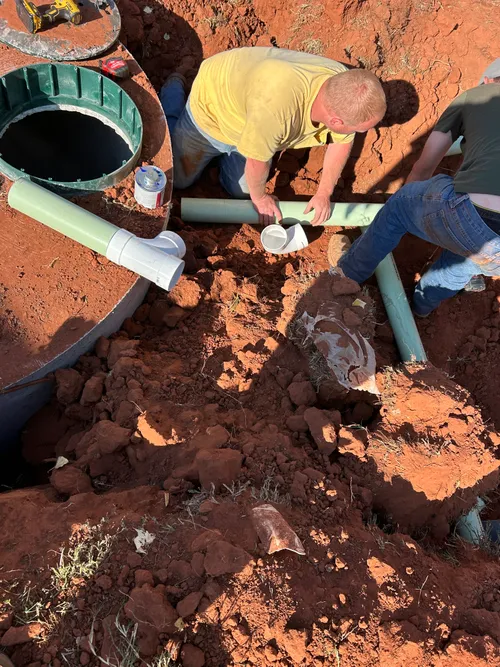
Dependable Septic Service is a family-owned company providing septic tank pumping, cleaning, and repair services in Oklahoma City, OK. They specialize in both conventional and aerobic septic systems, offering certified and bonded installation and maintenance for residential and commercial properties. With over 10 years of experience, they handle septic emergencies and provide lateral line repair and cleaning to ensure system efficiency and longevity. The company offers 24/7 emergency services to address unexpected septic issues promptly.
Milty's Boys Septic | OKC Septic Pumping
10624 S McKinley Ave, Oklahoma City, OK 73170
Milty's Boys Septic | OKC Septic Pumping provides septic tank pumping, inspection, and repair services in Oklahoma City, OK. They specialize in maintaining both septic and aerobic treatment systems to ensure compliance with local environmental standards. With a combined 30 years of industry experience, the team offers thorough inspections and routine maintenance advice to help prevent costly repairs and extend system life. Milty's Boys Septic emphasizes integrity and careful workmanship in all their services.
Firestorm Septics & Shelters
6114 US-177, Shawnee, OK 74804
Firestorm Septics & Shelters is a septic system and storm shelter company based in Oklahoma City, OK. They provide septic tank pumping, inspection, repair, installation, and drain field services, along with storm shelter installation. The company is known for handling septic system issues such as lateral line installation and aerobic system repairs. As a locally owned and veteran-owned business, Firestorm Septics & Shelters has built a reputation for thorough work and clear communication. They also offer after-hours service and quick response times, including weekend work when needed.
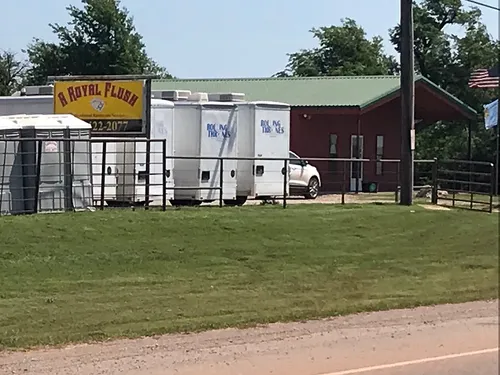
A Royal Flush
16257 OK-66, El Reno, OK 73036
A Royal Flush is a family-owned company serving Oklahoma City, OK, specializing in portable toilet rentals and septic tank pumping services. Established in 2010, the business provides a range of clean, well-maintained porta potties for events, construction sites, and emergencies. Their septic pump-out services use advanced equipment to maintain system cleanliness and regulatory compliance. The company is DEQ certified and offers 24/7 availability for urgent needs.

MBS Milty's Boys Septic Inc
3909 SE 29th St, Del City, OK 73115
MBS Milty's Boys Septic Inc provides septic tank pumping, inspection, and repair services in Oklahoma City, OK. The company emphasizes proper maintenance and compliance with local environmental regulations to ensure septic and aerobic treatment systems operate effectively. With a combined 30 years of industry experience, they handle a range of septic system needs, including routine pumping and thorough inspections to help prevent costly repairs.
Understanding Your Septic System and Why Pumping is Essential
A septic system is an on-site wastewater treatment structure, typically consisting of a tank and a drain field. All the water from your home-from toilets, showers, sinks, and laundry-flows into the underground septic tank. Here, solids settle to the bottom as sludge, fats and oils float to the top as scum, and the relatively clear liquid in the middle (effluent) exits into the drain field for further filtration into the soil. The tank itself is only a holding and separating chamber; it does not eliminate waste.
Over time, the sludge and scum layers accumulate. If they are not removed through regular pumping, they can build up to a point where solids are carried out with the effluent, clogging the drain field pipes and soil. A clogged drain field is one of the most serious and expensive septic problems, often requiring complete replacement. Regular septic tank cleaning is the most effective way to prevent this catastrophic failure, protect your family's health, and avoid costly environmental contamination 1.
Recommended Pumping Frequency for Moore Homes
How often you need to pump your tank isn't a one-size-fits-all schedule; it depends on several household factors. General guidelines recommend pumping every 3 to 5 years for a typical household. However, this is just a starting point. The key determinants are the size of your tank and the number of people living in your home.
For instance, a 900-gallon tank serving a household of six or more people may require pumping as often as every year. A larger 1,500-gallon tank under the same heavy usage might be able to go two years between services. Other factors that increase the frequency of needed pumping include the use of a garbage disposal, which adds substantial solids, and the amount of laundry done in the home. The best practice is to have your tank inspected regularly by a professional who can measure the sludge and scum layers and give you a precise recommendation for your specific situation.
The Importance of Professional Inspections
Scheduling a routine inspection is just as important as the pumping itself. Experts, including the Oklahoma State University Extension, recommend having your entire septic system inspected every 1 to 2 years. An inspection is more than just checking the tank level. A qualified professional will:
- Measure Sludge and Scum: The definitive trigger for pumping is when the sludge layer is within 12 inches of the tank's outlet baffle or the scum layer is within 6 inches 2 3.
- Check All Components: This includes inspecting the tank's inlet and outlet baffles, the pump (if your system has one), and the condition of the drain field for signs of overloading, such as soggy ground or effluent pooling on the surface 4.
- Assess Aerobic Systems: If you have an Aerobic Treatment Unit (ATU), the inspector will check the aerator, alarms, and spray heads to ensure proper operation 5.
These inspections catch small issues before they become big, expensive problems, giving you peace of mind and extending the life of your entire system.
Find the perfect septic tank pumping contractors for your needs
Get personalized recommendations and expert advice
What to Expect: The Septic Pumping Process
Knowing what happens during a pumping service can help you prepare and ensure the job is done correctly. A standard service from a licensed pumper involves several key steps:
- Locating and Uncovering: The technician will locate your tank and dig to expose the access lids.
- Initial Inspection: Before pumping, they will often check the sludge and scum levels and note the condition of the baffles.
- Pumping: Using a large tank truck, they will vacuum out all the contents of your septic tank-sludge, scum, and liquid.
- Rinsing & Final Check: Many professionals will rinse the tank walls with clean water to help break up residual solids and inspect the empty tank for cracks, leaks, or structural damage.
- Proper Disposal: The waste is transported to a licensed treatment facility for processing, as required by Oklahoma law.
Important Note: "Pumping" is not the same as "jetting" or "draining." Pumping removes the accumulated solids. Some companies may offer to just drain the liquid, which is cheaper but does not solve the problem of sludge buildup and is not considered adequate maintenance.
Understanding Service Costs in Moore
The cost for standard, scheduled septic tank pumping in Moore generally falls within a range of $290 to $700, though the final price depends on your specific circumstances. Several factors influence the price:
- Tank Size: Larger tanks (1,500 gallons or more) cost more to pump than standard 1,000-gallon tanks.
- Tank Condition: If your tank has not been pumped in many years (e.g., 7+ years), hardened sludge may require extra time and effort to break up, potentially adding $100 to $200 to the bill.
- Accessibility: Easy-to-reach tanks with visible lids are less expensive than those buried deep, under landscaping, or under a structure.
- Service Type: A routine, scheduled appointment during business hours will be at the standard rate. Emergency, after-hours, or weekend service can increase the cost by 50% to 100%, potentially reaching $1,200 or more 6.
Always get a detailed estimate before work begins. The lowest price isn't always the best value; ensure the quote includes full pumping, a basic inspection, and proper waste disposal.
Choosing a Licensed Professional in Oklahoma
This is the most critical decision you will make. The Oklahoma Department of Environmental Quality (DEQ) strictly requires that all septic tank cleaning and waste disposal be performed by licensed, bonded pumpers 7 8. Hiring an unlicensed individual is illegal and poses serious risks:
- Environmental Contamination: Improper disposal can pollute surface water and groundwater.
- Property Damage: Unqualified workers may damage your tank or drain field.
- No Recourse: You have little recourse if something goes wrong.
Always verify a company's DEQ license. Licensed professionals have the training and insurance to protect you, your property, and the environment. They also provide documentation of the service and proper disposal, which may be required if you sell your home.
Maintaining Your System Between Pumpings
Professional pumping is essential, but what you do day-to-day greatly impacts your system's health. Follow these maintenance tips:
- Conserve Water: Spread out laundry loads and fix leaky faucets to avoid hydraulically overloading the drain field.
- Mind What You Flush: Only human waste and toilet paper should go down the toilet. Avoid flushing wipes (even "flushable" ones), feminine hygiene products, dental floss, diapers, and cooking grease.
- Use Garbage Disposals Sparingly: They significantly increase the solid load in your tank, necessitating more frequent pumping.
- Protect Your Drain Field: Never park or drive heavy vehicles over it. Keep roof drains, sump pumps, and other rainwater drainage systems away from the area.
- Watch for Warning Signs: Be alert for foul odors indoors or outdoors, slow-draining fixtures, gurgling pipes, or unusually lush grass over the drain field. These are signs you should call for an inspection immediately.
Frequently asked questions
Sources
Footnotes
-
Septic Tanks - Preventative Routine Maintenance - https://des.sc.gov/permits-regulations/septic-tanks/homeowner-resources/septic-tanks-preventative-routine-maintenance ↩
-
How to Care for Your Septic System | US EPA - https://www.epa.gov/septic/how-care-your-septic-system ↩
-
Septic Systems | Department of Environmental Protection - https://www.pa.gov/agencies/dep/residents/my-water/septic-systems ↩
-
Inspection of Septic Systems - Oklahoma State University Extension - https://extension.okstate.edu/fact-sheets/inspection-of-septic-systems.html ↩
-
Keep Your Septic System in Working Order - https://extension.okstate.edu/fact-sheets/print-publications/pss/keep-your-septic-system-in-working-order-pss-2914.pdf ↩
-
Septic Pumping Cost by State: 2024 Complete Price Guide - https://wastedoor.com/article/septic-pumping-cost-by-state ↩
-
DEQ Licensed Septage Pumpers and Transporters - https://oklahoma.gov/deq/divisions/ecls/on-site-sewage-programs/deq-licensed-septage-pumpers-and-transporters.html ↩
-
Basic Septic System Rules for Oklahoma - https://extension.okstate.edu/fact-sheets/basic-septic-system-rules-for-oklahoma.html ↩