Find the Best Septic Tank Pumping Contractors for Your Business
No obligation • Fast responses • Nationwide coverage

Why you can trust Septic Spot
Septic Spot is a leading United States resource for understanding and comparing septic services. Our editors review providers using consistent criteria and verify key business details. Listings and scores are independent, and companies cannot pay to influence our content.
Search providers near you
Best Septic Tank Pumping Contractors in South Dakota Ranked
Maintaining your septic system is a crucial responsibility for rural and suburban homeowners in South Dakota. Regular septic tank pumping is the most important maintenance task you can perform to prevent costly system failures, protect your property value, and safeguard local groundwater quality. This guide provides clear, practical information on how septic systems work, when to schedule pumping, and how to find qualified, local professionals to handle the job for you.
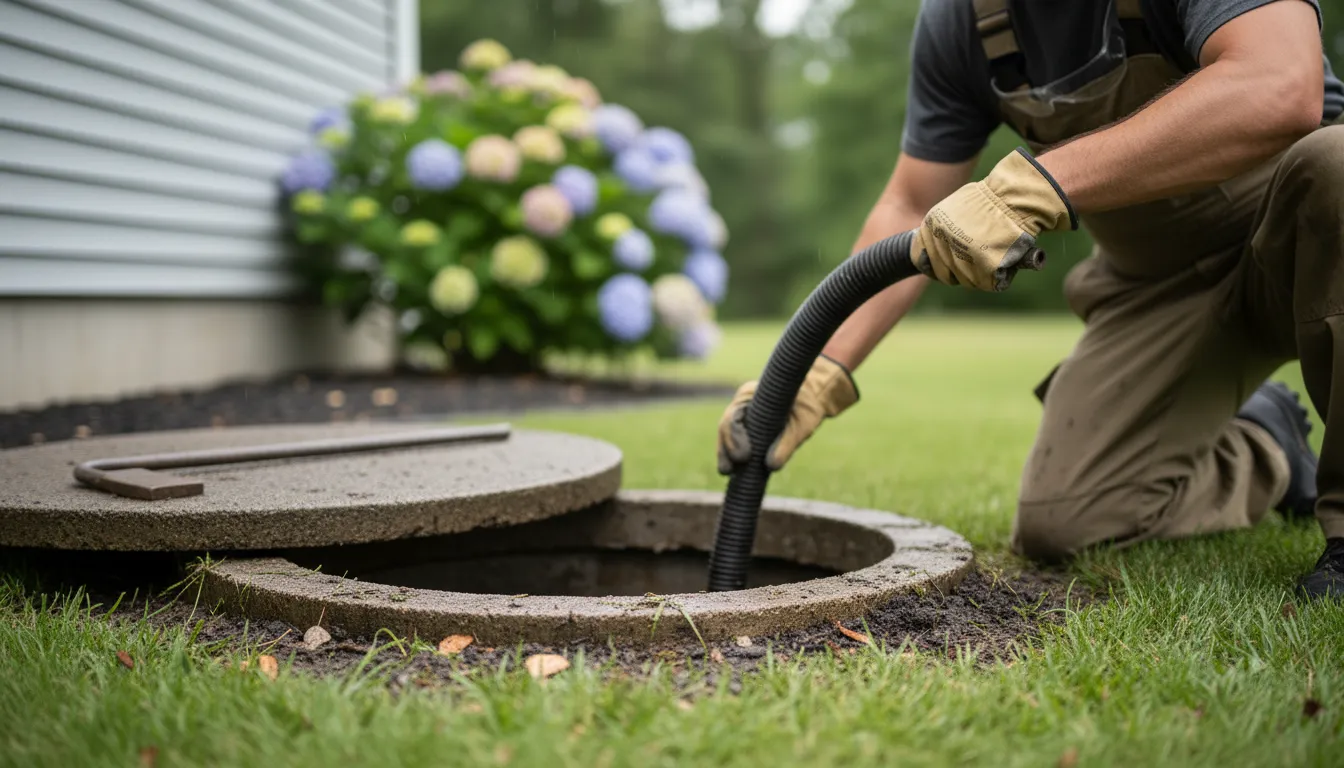
A septic system is an on-site wastewater treatment structure, typically used where municipal sewer lines are not available. It consists of a septic tank and a soil absorption field (drainfield). Wastewater from your home flows into the tank, where solids settle to the bottom as sludge, and fats and oils float to the top as scum. The liquid effluent in the middle layer then flows out to the drainfield, where it is filtered and treated by the soil. Over time, the sludge and scum layers accumulate and must be physically removed-or pumped out-to prevent them from flowing into and clogging the drainfield, which leads to system failure.
Mr. Rooter Plumbing of Sioux Falls
515 N Garfield Ave, Sioux Falls, SD 57104
Mr. Rooter Plumbing of Sioux Falls provides a wide range of plumbing services in Sioux Falls, SD, including septic tank pumping and sewer and drain cleaning. The company is known for its skilled plumbers and fully stocked vehicles ready to handle residential and commercial plumbing projects. They offer capabilities such as camera inspections to identify root issues in pipes and provide clear service explanations before starting work. Mr. Rooter Plumbing operates with a commitment to quality workmanship backed by the Neighborly Done Right Promise®.
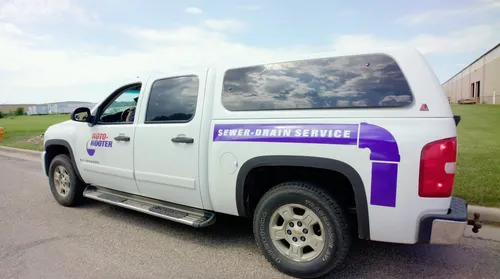
Roto-Rooter Sewer & Drain Cleaning (Sioux Falls)
901 E 52nd St, Sioux Falls, SD 57104
Roto-Rooter Sewer & Drain Cleaning (Sioux Falls) provides comprehensive drain cleaning and sewer services in Sioux Falls, SD. They serve both commercial and residential customers, offering solutions such as clog removal, septic tank pumping, water jetting, video inspections, and frozen drain line thawing. The company is licensed and insured, with a focus on environmentally-friendly methods and emergency service availability 24/7. Their skilled technicians use specialized equipment like Vactor trucks and hydro-excavating to ensure thorough cleaning and maintenance of sewer and drain systems.
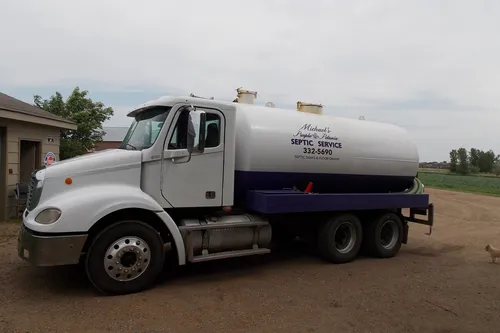
Micheal's Purple Petunia Septic Service
611 Cliff Ave, Harrisburg, SD 57032
Micheal's Purple Petunia Septic Service is a family-owned company serving Sioux Falls, SD, and the surrounding area since 1969. They provide septic tank inspection, cleaning, and maintenance for residential, commercial, and industrial clients. Their services also include grease trap cleaning, floor drain maintenance, holding tank service, and lift station repair. The company operates with three fully equipped trucks and a team of experienced professionals, maintaining strict quality standards on every project.
Why Regular Pumping is Essential
Neglecting to pump your septic tank is the leading cause of system failure. When a drainfield becomes clogged with solids, wastewater can back up into your home, surface in your yard creating soggy areas and foul odors, or contaminate nearby wells and waterways. Repairing or replacing a failed drainfield is extremely expensive, often costing thousands of dollars-far more than the routine cost of pumping. Regular maintenance is a small investment that protects your health, your wallet, and the environment 1 2.
Recommended Pumping Frequency in South Dakota
How often you need to pump depends primarily on your household size and tank capacity. General guidelines for South Dakota homeowners recommend pumping your septic tank every 3 to 5 years for a typical household 3.
Several factors can require more frequent service:
- Use of a Garbage Disposal: If you frequently use a kitchen garbage disposal, it significantly increases the amount of solids entering your tank. In this case, annual pumping is strongly advised 4.
- Household Size: A larger family generates more wastewater and solids, filling the tank faster.
- Tank Size: Smaller tanks fill up more quickly than larger ones.
- Volume of Wastewater: Excessive water use from long showers, frequent laundry loads, or leaky fixtures reduces the tank's settling time and can push solids out toward the drainfield.
The only way to know for certain when to pump is to have the sludge and scum layers measured during a routine inspection. A professional should pump the tank when the sludge layer is within 12 inches of the outlet tee or when the scum layer is within 3 inches of the outlet baffle.
The Homeowner's Guide to Septic System Care
Pumping is just one part of a complete maintenance plan. As a South Dakota homeowner, you are responsible for the proper operation and care of your on-site sewage system. Here are your key responsibilities:
1. Inspect and Pump Regularly Don't wait for a problem. Schedule a professional inspection every 1 to 3 years, and pump the tank as needed based on that inspection. For alternative systems with electrical components or pumps, an annual inspection is recommended.
2. Use Water Efficiently All the water that goes down a drain or toilet ends up in your septic system. Spacing out laundry loads, fixing leaky faucets and toilets, and installing high-efficiency fixtures reduces strain on the system.
3. Dispose of Waste Properly Your septic system contains living organisms that treat waste. Flushing harmful materials can kill these bacteria and damage the system.
- DO NOT FLUSH: Cooking grease or oil, coffee grounds, dental floss, diapers, wipes (even "flushable" ones), feminine hygiene products, cigarette butts, cat litter, paper towels, or household chemicals like paint, pesticides, and strong cleaners.
- Minimize Garbage Disposal Use: Compost food scraps instead to drastically reduce solids.
4. Protect Your Drainfield The drainfield is the vulnerable final stage of treatment. Protect it to ensure longevity.
- Never park or drive heavy vehicles or equipment over the drainfield. The soil compaction can crush pipes and ruin the soil's ability to treat wastewater. Keep all traffic, including livestock, at least 20 feet away from the system area 5.
- Plant grass over the drainfield. Avoid planting trees or shrubs nearby, as roots can seek out moisture and infiltrate and clog pipes 6.
- Keep roof drains, sump pumps, and other surface water away from the drainfield area to avoid saturating the soil.
5. Keep Detailed Records Maintain a file with a sketch of your system's location, records of all inspections, pumping dates, repairs, and permits. This is invaluable for troubleshooting problems and is essential if you sell your property 7.
Find the perfect septic tank pumping contractors for your needs
Get personalized recommendations and expert advice
Understanding South Dakota Regulations
All septic system installation, repair, and alteration in South Dakota must comply with Administrative Rule 74:53:01. This rule requires that these activities be performed by a state-licensed septic system installer. Furthermore, the design and installation must be inspected and certified by a licensed professional engineer 8. Always verify that any professional you hire holds the appropriate state license for the work being performed.
The Professional Pumping Process
Knowing what to expect can help you choose a qualified provider. A thorough septic pumping service should include:
- Locating and Uncovering the tank access manholes.
- Inspecting the tank interior, inlet/outlet baffles, and tees for damage.
- Pumping all contents from the tank, including both sludge and scum layers.
- Cleaning the filters (if present) and rinsing the tank walls with clean water, being careful not to disturb the bacteria layer.
- Checking the drainfield for signs of failure or backup.
- Backfilling and securing the tank lids.
- Providing a written report detailing the services performed, the condition of the system, and any recommendations.
Specialized, professional cleaning is necessary to ensure all solids are removed and to accurately assess your system's health, helping to prevent premature failure 9.
Signs Your System Needs Immediate Attention
While regular maintenance is preventative, be alert for these warning signs that indicate a problem requiring professional help:
- Slow drains or gurgling plumbing fixtures throughout the house.
- Sewage backups in toilets, showers, or sinks.
- Bad odors around the septic tank or drainfield area.
- Unusually bright green, spongy grass or soggy, wet spots over the drainfield, especially during dry weather.
- Algae blooms in nearby ponds or ditches.
If you notice any of these signs, contact a licensed professional immediately to diagnose the issue before it becomes a full-scale failure.
Finding a Qualified Service Provider in South Dakota
When searching for septic services, look for companies with:
- State Licenses: Confirm they are licensed for the specific work (pumping, installation, repair).
- Local Experience: Providers familiar with South Dakota soil conditions and regulations.
- Good References: Ask for and check references from past customers.
- Proper Insurance: Ensure they carry liability and workers' compensation insurance.
- Detailed Service Reports: They should provide a written record of the work done and system condition.
Investing in regular septic tank pumping and proper system care is one of the most important things you can do as a South Dakota homeowner with an on-site wastewater system. It ensures the long-term functionality of your system, protects your property investment, and contributes to the health of your local environment.
Frequently asked questions
Sources
Footnotes
-
Frequent Questions on Septic Systems | US EPA - https://www.epa.gov/septic/frequent-questions-septic-systems ↩
-
Homeowner's Guide to Septic Systems - https://marionhealth.org/wp-content/uploads/2024/02/EPA_Homeowner_Guide_Septic_Systems.pdf ↩
-
Septic System Maintenance - South Dakota State University - https://www.sdstate.edu/sites/default/files/2017-01/ExEx1018.pdf ↩
-
Planning ... - Minnehaha County, South Dakota Official Website - https://www.minnehahacounty.gov/dept/pl/septicSystem/05faqs.php ↩
-
meade county ordinance 33 - https://jerry-derr-o8bb.squarespace.com/s/ORD_33_2022.pdf ↩
-
How to Care for Your Septic System | US EPA - https://www.epa.gov/septic/how-care-your-septic-system ↩
-
Homeowner's Responsibilities for Using On-Site Sewage Treatment ... - https://www.sdstate.edu/sites/default/files/2017-01/ExEx1045.pdf ↩
-
Administrative Rule 74:53:01 | South Dakota Legislature - https://sdlegislature.gov/Rules/Administrative/74:53:01 ↩
-
Septic System Information | Lawrence County, SD - https://www.lawrence.sd.us/214/Septic-System-Information ↩