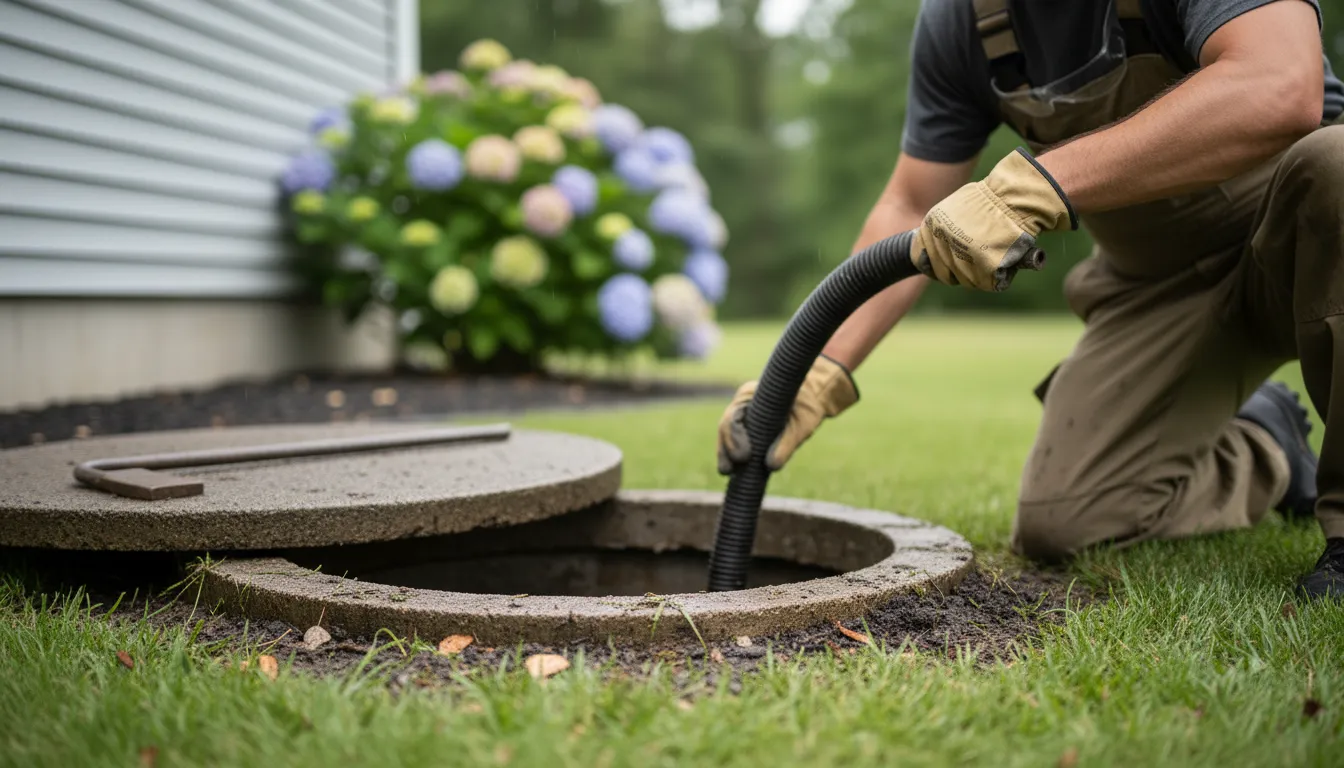
Find the Best Septic Tank Pumping Contractors for Your Business
No obligation • Fast responses • Nationwide coverage

Why you can trust Septic Spot
Septic Spot is a leading United States resource for understanding and comparing septic services. Our editors review providers using consistent criteria and verify key business details. Listings and scores are independent, and companies cannot pay to influence our content.
Search providers near you
Best Septic Tank Pumping Contractors in Vermont Ranked
Maintaining your septic system is a key responsibility of homeownership in Vermont. Regular septic tank pumping and inspection are essential to prevent costly failures, protect your property value, and safeguard Vermont's environment and water quality. This guide provides clear, practical information on how the system works, state requirements, and how to find qualified local professionals for service, maintenance, and installation.
Understanding Your Vermont Septic System
An onsite wastewater system, commonly called a septic system, is a self-contained treatment plant for homes not connected to municipal sewer lines. In Vermont, with its many rural and lakefront properties, these systems are widespread. A typical system consists of a septic tank and a soil-based disposal area, known as a leachfield or drainfield.
Wastewater from your home flows into the septic tank, where solids settle to the bottom as sludge, and fats and oils float to the top as scum. The liquid effluent in the middle layer then flows out to the drainfield, where it is filtered and treated by the soil. Proper maintenance, primarily through regular septic tank cleaning (pumping), is critical to prevent solids from escaping the tank and clogging the drainfield, which can lead to system failure, backups, and environmental contamination.
Vermont Regulations and Homeowner Responsibilities
Vermont law places the legal responsibility for the proper operation and maintenance of a septic system squarely on the homeowner. The Vermont Department of Environmental Conservation (DEC) oversees regulations, and local health districts or towns may have additional requirements.
Key regulations include:
- Permits: All new system installations and major repairs require a permit from the Vermont DEC. If you are expanding your home (e.g., adding bedrooms), you will likely need to upgrade your existing system to handle the increased flow.
- The "Best Fix" Clause: For challenging site conditions where a standard repair isn't feasible, homeowners can apply for a "best fix" permit, which allows for alternative solutions to address a failing system 1 2.
- Licensing: Septic pumping and installation work in Vermont must be performed by licensed professionals 3. Always verify a provider's credentials.
How Often Should You Pump Your Septic Tank in Vermont?
The most common question homeowners have is about pumping frequency. While the general rule is every 3 to 5 years for a typical household, the exact schedule depends on several factors.
Key factors influencing pumping frequency:
- Household Size: More people generate more wastewater and solids.
- Tank Size: Smaller tanks fill up faster.
- Total Wastewater Generated: Garbage disposals significantly increase solid waste. If you use one, it's recommended to increase your tank's assumed capacity by 25% and pump more frequently 4 5.
- System Type: Systems with pumps, floats, or other electrical components (common in alternative systems) require more frequent attention, including annual inspections.
The only way to know for sure is through regular inspection. A professional should measure the sludge and scum layers in your tank. Vermont guidelines suggest pumping is needed when the scum layer is within 6 inches of the outlet tee or the sludge layer is within 12 inches of it.
The Importance of Regular Septic Inspections
Pumping and inspection go hand-in-hand. An inspection can identify problems before they become emergencies. There are different levels of inspections in Vermont:
- Basic Visual Inspection: Often performed during a routine pumping service, this checks for obvious signs of trouble.
- State-Required Inspection: A more formal inspection that may be required for property transfers, system upgrades, or permits. It follows specific DEC guidelines 6.
- Detailed/Comprehensive Inspection: This may include tank locating, drainfield evaluation, and a full assessment of all system components.
For most systems, a professional inspection at least every 3 years is recommended, even if pumping isn't required at that time. Annual inspections are advised for systems with mechanical components.
Types of Septic Systems in Vermont
While conventional tank-and-leachfield systems are common, Vermont's diverse terrain-including rocky soil, high water tables, and small lots-often requires alternative system designs. These must be approved by the DEC's Wastewater Management Division 7. Examples include mound systems, sand filters, or aerobic treatment units (ATUs). These systems often have higher maintenance requirements and may need annual operating permits and mandatory inspection reports.
Find the perfect septic tank pumping contractors for your needs
Get personalized recommendations and expert advice
What Does Septic Service Cost in Vermont?
Understanding costs helps in budgeting for this essential home maintenance. Prices can vary based on location, tank size, accessibility, and the scope of work.
- Pumping Costs: The typical cost to pump a septic tank in Vermont ranges from $200 to $800 or more 8 9. The final price depends on tank size (e.g., 1,000-gallon vs. 1,500-gallon) and whether the tank needs to be located or dug up.
- Inspection Costs: Inspection fees vary by type. A basic inspection during pumping may have a minimal fee, while a full state-required inspection for a real estate transaction will cost more.
- System Replacement/Installation: This is a major investment, often costing tens of thousands of dollars, depending on system type and site conditions. Permitting and design are significant parts of this cost 10.
Daily Maintenance Tips for a Healthy System
Your daily habits directly impact your system's health and longevity. Follow these simple rules:
- Conserve Water: Fix leaks and spread out laundry loads to avoid overwhelming the system.
- Mind What You Flush: Only human waste and toilet paper. Never flush wipes (even "flushable" ones), feminine hygiene products, dental floss, diapers, or chemicals.
- Use the Trash, Not the Drain: Avoid using a garbage disposal if possible. Never pour grease, oil, coffee grounds, or food scraps down the drain.
- Protect Your Drainfield: Never drive or park vehicles on it. Plant only grass over the area; tree and shrub roots can cause damage. Keep roof drains and sump pumps directed away from it 11 12.
Finding and Choosing a Service Provider in Vermont
When you need service, choosing the right professional is crucial. Look for a licensed, insured, and experienced provider. They should be familiar with Vermont DEC regulations and local town requirements. Ask about the services they offer-do they only pump, or can they also perform inspections, repairs, and installations? Get written estimates and ask for references. A reputable provider will be happy to explain the process and answer your questions.
Frequently asked questions
Sources
Footnotes
-
Septic Guide Cover - Northwest Regional Planning Commission - https://www.nrpcvt.com/wp-content/uploads/2025/01/SepticSystemGuide_2025_January22.pdf ↩
-
Health Regulations Related to On-Site Sewage Disposal ... - https://readingvt.govoffice.com/index.asp?SEC=367F39E7-F412-4760-AACD-91E7BFE75A19&DE=7F6F217F-69A7-444C-A3DB-182CB1B53189 ↩
-
Do You Need a License to Pump a Septic Tank - ServiceCore - https://servicecore.com/blog/do-you-need-license-to-pump-septic-tank/ ↩
-
Subchapter 8 - Wastewater Disposal Systems - https://dec.vermont.gov/sites/dec/files/dwgwp/rorulesarchive/pdf/subchap8asfiled10.16.01.pdf ↩
-
Homeowner's Guide to Septic Systems - https://marionhealth.org/wp-content/uploads/2024/02/EPA_Homeowner_Guide_Septic_Systems.pdf ↩
-
septic system inspection guideline - https://dec.vermont.gov/sites/dec/files/dwgwp/indirect/pdfs/septicsysteminspectguideline.pdf ↩
-
Septic System Primer - https://dec.vermont.gov/sites/dec/files/wsm/lakes/Lakewise/docs/LP_BMPSepticSystemPrimer.pdf ↩
-
Septic Inspections - BP Wastewater of Vermont - https://www.bpwastewater.com/septic-inspections/ ↩
-
How Much Does It Cost to Pump Septic Tank: A Detailed Pricing Guide - https://www.benjaminfranklinplumbing.com/league-city/blog/2025/march/how-much-does-it-cost-to-pump-septic-tank-a-detailed-pricing-guide/ ↩
-
Septic Installation & Replacement in Vermont - Wind River Environmental - https://www.wrenvironmental.com/south-central-vermont/residential/septic-system-installation/ ↩
-
Your Septic System is Your Responsibility! - https://northeasthealthdistrict.org/wp-content/uploads/2023/05/homeowner_guide_long.pdf ↩
-
Homeowners Guide to Onsite Wastewater Systems - https://lakemorey.org/wp-content/uploads/2023/07/Homeowners-Wastewater-System-handout-004.pdf ↩