Find the Best Drain Field Repair Companies for Your Business
No obligation • Fast responses • Nationwide coverage

Why you can trust Septic Spot
Septic Spot is a leading United States resource for understanding and comparing septic services. Our editors review providers using consistent criteria and verify key business details. Listings and scores are independent, and companies cannot pay to influence our content.
Search providers near you
Best Drain Field Repair Companies in Mississippi Ranked
A failing drain field, also known as a leach field or absorption field, is a serious issue for any Mississippi homeowner with a septic system. This critical component is responsible for safely dispersing treated wastewater into the soil. When it fails, it can lead to sewage backups, soggy yards, and environmental contamination. Finding a qualified, certified professional to assess, repair, or replace your drain field is essential for protecting your property, your health, and your investment. This guide provides the key information and steps you need to navigate the process of drain field work in Mississippi, helping you connect with the right local expertise.
Understanding Your Drain Field and Signs of Failure
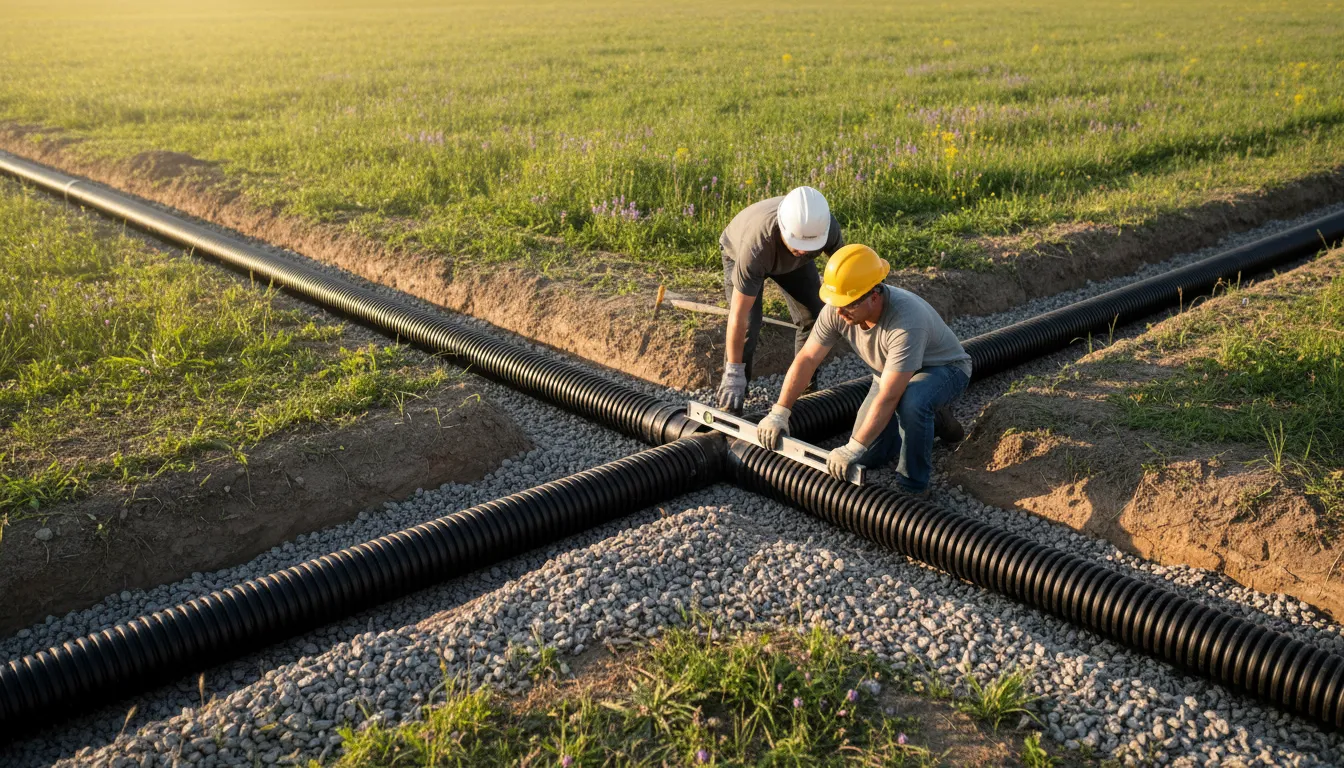
The drain field is the final stage of your onsite wastewater system. After solids settle in the septic tank, the liquid effluent flows into a network of perforated pipes buried in trenches filled with gravel. This effluent slowly percolates into the soil, where natural processes provide final treatment. A properly functioning drain field is invisible and odorless.
Failure occurs when the soil can no longer absorb the liquid. Common signs in Mississippi include:
- Sewage odors in the yard, especially near the drain field area.
- Slow draining toilets, sinks, and showers throughout the home.
- Soggy, spongy, or standing water over the drain field, even in dry weather.
- Unusually lush, green grass growing over the drain field compared to the rest of the lawn.
- Sewage backing up into household drains.
If you notice any of these signs, it's crucial to act quickly. Continuing to use a failed system can cause more extensive damage and increase repair costs.
Mississippi Regulations and Permit Requirements
All drain field repair and replacement work in Mississippi is strictly regulated by the Mississippi State Department of Health (MSDH). You cannot legally begin any major work without following the proper procedures.
Permit Requirement: A permit from your local County Health Department is mandatory for new septic system installations, major repairs (like replacing a drain field or tank), and any system modifications. Attempting work without a permit can result in fines and an illegal, non-compliant system.
The Application Process: To obtain a permit, the property owner or a licensed installer must submit a Notice of Intent, a formal application, and the required fee to the MSDH 1. The permit fee typically ranges from approximately $90 to over $162, depending on the county and scope of work.
Soil Evaluation: A cornerstone of the permit process is a soil morphological evaluation conducted by a certified professional. This test determines the soil's texture, structure, and ability to absorb water. A percolation test may also be required. The results dictate the size and type of drain field system that can be legally installed on your property.
Site Visit and Inspection: After a complete application is submitted, an MSDH environmentalist will typically evaluate the site within five working days. Once construction is complete, the MSDH must inspect the system to ensure it meets all state codes before it is covered. This includes verifying proper tank construction (with walls at least 3 inches thick) and installation standards 2. Failing to get this final inspection does not waive the legal requirements 2.
The Role of Certified Professionals
State law requires that septic system installation, repair, and pumping be performed by MSDH-certified professionals 3. Hiring a certified installer or pumper is not just a recommendation-it's a legal necessity for permitted work.
A certified professional will:
- Help you navigate the permit application process.
- Conduct or arrange for the required soil evaluation.
- Design a system that complies with MSDH regulations, including critical setbacks. For example, the drain field must be at least 50 feet from a private water well, with 100 feet being the recommended distance 4.
- Perform the excavation and installation to code.
- Schedule the mandatory final inspection with the county health department.
Working with a certified expert ensures the job is done correctly, protecting you from future liabilities and system failures.
Costs of Drain Field Repair and Replacement
Drain field work is a significant investment. Costs vary widely based on soil conditions, system size, and the extent of the problem.
- Permit and Design Fees: Budget for the state/county permit fee ($90-$162+) and the cost of the professional soil evaluation and system design 5 6 7.
- Major Repair/Replacement: This is where costs escalate. Replacing an entire drain field often involves heavy machinery, new piping, gravel, and soil. Depending on the soil type and system design, this work can easily cost several thousand dollars8.
- Alternative Systems: If your soil is unsuitable for a conventional drain field (e.g., heavy clay or high groundwater), you may need an advanced treatment system, which can be more expensive to install.
While costly, proper repair is essential. A failed system that cannot meet current health standards cannot simply be patched 9.
Find the perfect drain field repair companies for your needs
Get personalized recommendations and expert advice
Maintenance to Prevent Drain Field Failure
The best "repair" is prevention. Proper maintenance can extend the life of your drain field by decades.
- Regular Pumping: Pump your septic tank every 3 to 5 years, or when the solids accumulate to one-third of the liquid depth in the tank 10. This prevents solids from washing out into and clogging the drain field.
- Conserve Water: Reduce the flow into the system by fixing leaks, using water-efficient fixtures, and spreading out laundry loads.
- Protect the Area: Never drive or park vehicles, build structures, or store heavy items over the drain field. The weight can crush pipes and compact the soil.
- Mind the Landscape: Do not plant trees or shrubs near the drain field, as roots can infiltrate and clog the pipes 11. Grass is the best cover.
- Divert Water: Ensure roof drains, gutters, and yard drainage are directed away from the drain field to prevent saturation.
When Repair Isn't an Option: The Sewer Connection Mandate
In some cases, drain field repair may not be a legal option. Mississippi regulations and many local municipal ordinances require that if a property is within 300 feet of an available public sewer line, the homeowner must connect to the public sewer system instead of repairing or replacing a private septic system 12. Always check with your local city or county government to understand this requirement before investing in a major septic system repair.
Choosing a Provider for Your Project
Selecting the right professional is critical. Look for a company that:
- Holds current MSDH certification for installation and repair.
- Has extensive local experience with Mississippi soils and regulations.
- Provides clear, written estimates that detail all costs, including permits, design, installation, and inspection scheduling.
- Can offer references from past clients for similar drain field projects.
- Is insured and licensed to operate in your county.
Don't hesitate to ask for proof of certification and to check their standing with the MSDH. A reputable professional will be transparent and guide you through every step of the regulated process.
Frequently asked questions
Sources
Footnotes
-
Mississippi State Department of Health - Sos.ms.gov - https://sos.ms.gov/ACProposed/00018374b.pdf ↩
-
Mississippi State Department of Health Part 15 - https://sos.ms.gov/ACProposed/00020819b.pdf ↩ ↩2
-
On-Site Wastewater - Mississippi State Department of Health - https://msdh.ms.gov/page/30,0,78.html ↩
-
Chapter 5. INDIVIDUAL ONSITE WASTEWATER DISPOSAL ... - https://msdh.ms.gov/page/resources/7243.pdf ↩
-
On-Site Sewage Program - https://www.misscohealth.com/sewage.php ↩
-
Understanding Septic Tank Permits and Regulations - https://westcoastsanitationinc.com/understanding-septic-tank-permits-and-regulations/ ↩
-
Mississippi Septic License & Certification - ServiceTitan - https://www.servicetitan.com/licensing/septic/mississippi ↩
-
Septic System Inspections: A Vital Step for Mississippi Homeowners - https://www.gnprollc.com/septic-system-inspections-a-vital-step-for-mississippi-homeowners ↩
-
Managing Household Wastewater | Mississippi State ... - https://extension.msstate.edu/publications/managing-household-wastewater ↩
-
Managing Household Wastewater - https://extension.msstate.edu/sites/default/files/document/2025-10/P1871_web.pdf ↩
-
15 Miss. Code. R. 18-77-5.1.8 - Maintenance | State Regulations - LII - https://www.law.cornell.edu/regulations/mississippi/15-Miss-Code-R-SS-18-77-5-1-8 ↩
-
Sec. 21-2. Connection with sewerage system required - https://www.hattiesburgms.com/wp-content/uploads/chapter21.pdf ↩