Find the Best Drain Field Repair Companies for Your Business
No obligation • Fast responses • Nationwide coverage

Why you can trust Septic Spot
Septic Spot is a leading United States resource for understanding and comparing septic services. Our editors review providers using consistent criteria and verify key business details. Listings and scores are independent, and companies cannot pay to influence our content.
Search providers near you
Top Drain Field Repair Companies in Old Bridge, New Jersey Ranked
A failing drain field, also known as a leach field or absorption area, is a serious issue for any home with a septic system. When this critical component stops properly dispersing wastewater, it can lead to soggy yards, foul odors, and even sewage backups into your home. In Old Bridge, navigating the repair or replacement of a septic system component involves strict local regulations and environmental considerations. This guide explains the process, costs, and key steps for finding qualified local professionals to handle your septic absorption system project.
Understanding Your Septic System and Drain Field
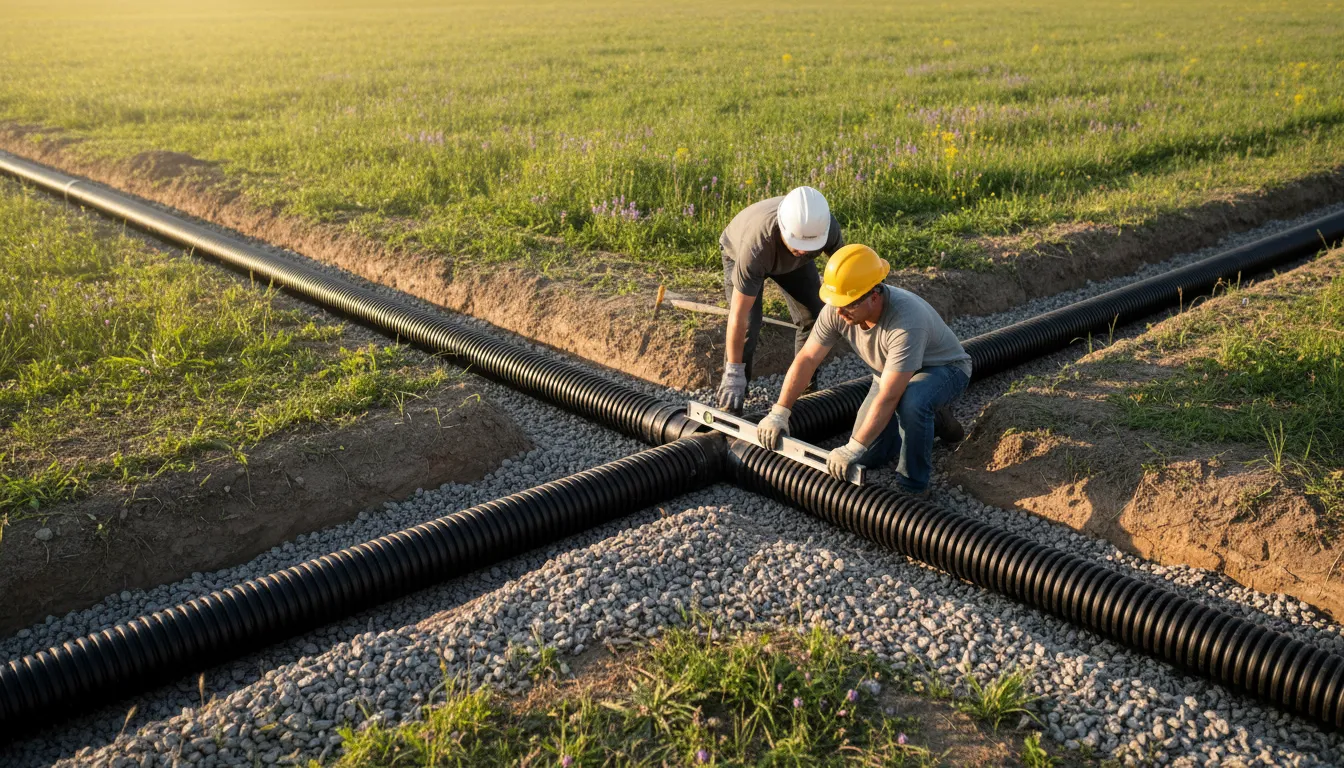
Your septic system is a private wastewater treatment plant. Waste from your home flows into a septic tank, where solids settle and begin to decompose. The clarified liquid, or effluent, then exits the tank into the drain field. This network of perforated pipes buried in gravel-filled trenches allows the effluent to slowly seep into the soil, where natural processes provide final treatment.
The drain field is the most vulnerable part of the system. Over time, it can fail due to:
- Biological Mat Buildup: A layer of sludge that clogs the soil pores.
- Physical Damage: Crushed pipes from vehicle traffic or root intrusion.
- System Overload: Using more water than the field was designed to handle.
- Soil Saturation: High groundwater tables, often seasonal, that prevent proper drainage.
Signs You Need Drain Field Attention
Recognizing early warning signs can prevent a complete system failure and more costly repairs. Be alert for:
- Wet, soggy areas or standing water over the drain field, especially when it hasn't rained.
- Sewage odors in your yard or near the septic tank.
- Slow drains and gurgling plumbing throughout the house.
- Unusually green, lush grass specifically over the leach field area.
- Backups in household drains or toilets.
If you notice any of these signs, it's crucial to contact a licensed septic professional for an inspection, which typically costs between $300 and $600 in the Old Bridge area.
Old Bridge and Middlesex County Regulations
Any major septic system repair or replacement in Old Bridge requires approval from the Middlesex County Environmental Health Division (MCEHD). They enforce New Jersey Department of Environmental Protection (NJDEP) standards locally. Key regulations you must follow include:
- Permit Requirement: A permit is mandatory for any major repair, such as drain field replacement, or any system alteration.
- Setbacks: New drain fields must be installed 10 to 25 feet from property lines, wells, and water sources like streams or wetlands.
- Property Changes: If you're planning a home addition or renovation that increases water usage, you must get county approval to ensure your existing system can handle the increased load.
- Engineered Designs: In many cases, especially where soil conditions are challenging, the county requires a system designed by a licensed professional engineer 1.
The Critical Role of Soil Evaluation
You cannot simply dig a new leach field anywhere on your property. New Jersey law requires a site evaluation to prove the soil can treat wastewater. This involves:
- Soil Log (Test Pits): An excavator digs deep pits so a licensed engineer or health department official can examine soil layers, texture, and color to identify limiting conditions like clay or rock.
- Percolation Test ("Perc Test"): This measures how quickly water drains through the soil. Slow-draining soils cannot support a conventional trench system.
- Identifying Limiting Factors: The evaluation checks for the seasonal high water table, bedrock, or impermeable layers that restrict viability 2.
If your property has less than two feet of suitable soil above a limiting layer, a conventional system is not possible. In these cases, the county will likely require an engineered alternative system, such as a mound system, which is built above the natural grade 3.
Find the perfect drain field repair companies for your needs
Get personalized recommendations and expert advice
Step-by-Step Process for Repair or Replacement
Navigating a drain field project involves multiple coordinated steps. Here is a typical pathway:
- Initial Site Inspection: A licensed septic contractor or engineer visits your property to assess the problem and the available space for a replacement system.
- Soil Testing: A licensed site evaluator or engineer performs the required perc test and soil logs to gather data for the design 4.
- System Design & Plan Preparation: A licensed professional engineer uses the soil data and your household size to design a system that meets all NJDEP and county standards. This plan will specify whether you need a conventional trench system, a mound, or another approved technology.
- Plan Submission & Permit Acquisition: The engineered plans are submitted to the MCEHD for review and approval. Once approved, a construction permit is issued 5.
- Installation: A licensed septic installation contractor executes the approved plan, installing the new tank, drain field, or other components.
- Final Inspection: The county inspector visits the site to ensure the installation matches the approved plans before the trenches are backfilled. Only after passing this inspection can the system be covered and put into use 6.
Understanding the Costs Involved
Drain field work is a significant investment. Costs in Old Bridge can vary widely based on soil conditions, system type, and property specifics. The figures below are typical ranges:
- Permit & Engineering Fees: This upfront cost covers soil testing, engineered design plans, and county permit fees. Budget between $3,700 and $8,300 for this phase 7.
- Drain Field-Only Repair/Replacement: If the septic tank is still functional and only the absorption area needs work, costs typically range from $5,000 to $10,000.
- Full Septic System Replacement: When both the tank and drain field must be replaced, the total project cost generally falls between $15,000 and $35,000 or more, including all engineering and permits 8 9.
- Mound or Alternative Systems: These engineered solutions are more complex and expensive than conventional trench systems, often adding thousands to the total project cost.
Choosing a Professional in Old Bridge
Given the technical and regulatory complexity, choosing the right team is essential. Look for:
- Proper Licensing: Ensure the contractor holds a valid NJ License for Septic System Construction and a Middlesex County Health Department license.
- Local Experience: Professionals familiar with Old Bridge and Middlesex County inspectors can navigate the process more efficiently.
- Comprehensive Services: Some companies offer "design-build" services, handling both the engineering and installation, which can streamline coordination.
- References and Insurance: Always ask for local references and verify they carry adequate liability and workers' compensation insurance.
Long-Term Care After Replacement
Protecting your investment in a new leach field is about consistent maintenance:
- Pump the Tank Regularly: Have the septic tank pumped every 2-5 years to prevent solids from washing out and clogging the new field.
- Conserve Water: Spread out laundry loads, fix leaks, and use water-efficient fixtures to avoid hydraulically overloading the system.
- Mind What You Flush: Only human waste and toilet paper should go down the drain. Avoid chemicals, grease, wipes, and feminine products.
- Protect the Area: Never drive or park over the drain field, and avoid planting trees or shrubs with deep roots nearby.
Frequently asked questions
Sources
Footnotes
-
NJ Septic Regulations for 2026: Inspections, Permits & Rules - https://www.atsenvironmental.com/blog/nj-septic-regulations-for-2026/ ↩
-
Watershed & Land Management | Septic System - NJDEP - https://dep.nj.gov/wlm/lrp/common-projects/septic-system/ ↩
-
New Jersey Septic Tank Rules and Regulations - Arrow Sewer & Drain - https://www.arrowsewernj.com/blog/septic-tanks-in-new-jersey-what-you-need-to-know/ ↩
-
The Complete Guide to Septic System Installation and ... - https://excavatingnj.com/blog/the-complete-guide-to-septic-system-installation-and-permitting-in-new-jersey/ ↩
-
Septic System Program | Middlesex County NJ - https://www.middlesexcountynj.gov/government/departments/department-of-public-safety-and-health/office-of-health-services/environmental-health/septic-system-program ↩
-
Septic System Engineer Northern and Central NJ - https://careagaengineering.com/septic-system-design.php ↩
-
Licensed Septic Service NJ - Requirements - The Sewer Kings - https://thesewerkings.com/blog/licensed-septic-service-professionals/ ↩
-
The Real Cost of Septic Installation in New Jersey (2025) - https://www.atsenvironmental.com/blog/the-real-cost-of-septic-installation-in-new-jersey-2025/ ↩
-
Septic Repair vs Replacement in NJ: Costs & Signs - https://www.atsenvironmental.com/blog/septic-repair-vs-replacement/ ↩