
Find the Best Drain Field Repair Companies for Your Business
No obligation • Fast responses • Nationwide coverage

Why you can trust Septic Spot
Septic Spot is a leading United States resource for understanding and comparing septic services. Our editors review providers using consistent criteria and verify key business details. Listings and scores are independent, and companies cannot pay to influence our content.
Search providers near you
Top Drain Field Repair Companies in Plainfield, New Jersey Ranked
A failing drain field, also known as a leach field or absorption area, is a serious issue for any home with a septic system. When this critical component stops properly dispersing and filtering wastewater, it can lead to sewage backups, foul odors, and environmental contamination. In Plainfield, New Jersey, addressing drain field problems requires navigating specific state and local regulations. This guide provides essential information on the process, costs, and legal requirements for leach field repair and replacement, helping you connect with qualified local professionals to restore your system's function.
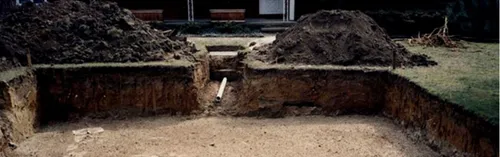
Understanding Your Drain Field's Role
The drain field is the final and most crucial stage of your onsite wastewater treatment system. After solids settle in the septic tank, the liquid effluent flows into a network of perforated pipes buried in trenches filled with gravel. This effluent slowly percolates down through the soil, where natural processes remove harmful bacteria, viruses, and nutrients before the water rejoins the groundwater. A properly functioning leach field is invisible; you should never see standing water or sewage on the surface above it.
Signs Your Plainfield Drain Field Needs Attention
Recognizing early warning signs can prevent a complete system failure and more costly repairs. Be alert for these indicators:
- Sewage Odors: Persistent foul smells near the drain field or inside the home.
- Slow Drains: Gurgling pipes, toilets that drain slowly, or backups in showers and sinks.
- Surface Ponding: Water or sewage surfacing over the leach field area, especially after rain.
- Lush Vegetation: Unusually green, spongy grass or accelerated plant growth over the field compared to the rest of the yard.
- Failed Inspection: A mandatory inspection during a real estate transaction often reveals hidden problems that require correction before a sale can proceed.
The Regulatory Landscape in Plainfield, NJ
All septic system work in New Jersey, including in Plainfield, is strictly regulated. The New Jersey Department of Environmental Protection (NJDEP) sets the statewide standards under N.J.A.C. 7:9A, while local health departments in Middlesex or Somerset County oversee permitting and enforcement.
Key regulations you must know:
- Permits Are Mandatory: Any major repair or replacement of drain lines or the entire absorption area requires a permit from your local health department. DIY work is illegal and can result in fines up to $10,000 1 2.
- Licensed Professionals Only: New Jersey requires licensed septic system installers and inspectors to perform all installations and repairs. Always verify a contractor's state license.
- Setback Distances: Your new or repaired leach field must meet minimum distances from property features. Common requirements include at least 25 feet from property lines, 50 feet from wells, and 100 feet from streams or lakes 3 4.
- The "Grandfather" Clause: An older system that was installed legally under past codes may continue to operate. However, once it is deemed to have failed, any repair or replacement must bring the entire system up to current NJDEP standards, which may require significant upgrades 5.
The Step-by-Step Process for Repair or Replacement
Addressing a drain field issue is a multi-stage process that involves diagnosis, design, permitting, and construction.
1. Professional Inspection and Diagnosis
A certified inspector will first locate your tank and drain field. The inspection typically includes pumping the tank to check its integrity and using specialized cameras to inspect the distribution pipes for clogs or breaks 6 7. A formal report will detail the system's condition and is often required for real estate transactions 8.
2. Soil Evaluation and System Design
If the drain field has failed, a licensed professional engineer or soil scientist must perform new percolation ("perc") tests. This determines the soil's absorption rate and suitability. Regulations require a minimum of two feet of suitable soil beneath the drain field for proper wastewater treatment 9 10. The property's slope and drainage will also be assessed, as a 2-3% grade is often ideal 9.
Based on the soil results, an engineered design plan is created. If the soil isn't suitable for a conventional gravity-fed system, an alternative like a pressure-dosed mound system or sand filter may be required.
3. Securing Permits and Approvals
Your contractor will submit the engineered plans, along with the permit application and fees, to the local health department for review and approval. This step is non-negotiable and ensures the proposed work protects public health and the environment.
4. Construction and Installation
Once permits are issued, the construction phase begins. For a full replacement, this involves excavating the old leach field (if necessary) and constructing the new absorption area according to the approved plans. This includes installing new distribution pipes, gravel, and protective geotextile fabric before backfilling.
Find the perfect drain field repair companies for your needs
Get personalized recommendations and expert advice
Cost Considerations for Drain Field Work in Plainfield
Septic system projects are significant investments. Costs in New Jersey vary widely based on system size, soil conditions, and the type of technology required. The following estimates for 2025-2026 can help you budget:
| Service | Estimated Cost |
|---|---|
| System Inspection | $400 - $800 |
| Soil Testing / Perc Test | $500 - $1,500 |
| Engineering Design Plan | $2,000 - $4,000 |
| Permit Fees | $300 - $1,500 |
| Drain Field Repair | $500 - $5,000 |
| Full System Replacement | $15,000 - $35,000+ |
Understanding the Costs:
- Drain Field Replacement: Replacing just the leach field can cost between $5,000 and $10,000 or more, depending on its size 11.
- Complete System Overhaul: If both the tank and drain field need replacement, costs frequently exceed $35,000, especially if complex alternative technology is needed 12 13.
- Emergency vs. Planned Repairs: Minor repairs to a distribution box or clogged line are less expensive. A complete failure, indicated by surfacing sewage, usually necessitates a full replacement, which is the most costly scenario.
Maintaining Your New or Repaired Drain Field
Protect your investment with proper care:
- Practice Water Conservation: Spread out laundry and dishwasher use to avoid overwhelming the system.
- Mind What You Flush: Only human waste and toilet paper should go down the drain. Avoid chemicals, grease, wipes, and feminine products.
- Protect the Area: Never drive or park vehicles over the drain field, and avoid planting trees or deep-rooted shrubs nearby.
- Pump Regularly: Have your septic tank pumped every 3-5 years by a licensed professional to prevent solids from clogging the leach field.
Frequently asked questions
Sources
Footnotes
-
New Jersey Septic System Rules - 2026 Guide - https://thesewerkings.com/blog/new-jersey-septic-system-rules/ ↩
-
NJDEP| Division of Water Quality | Permitting Information - https://dep.nj.gov/dwq/wastewater/septic-systems/permitting-information/ ↩
-
NJ Septic Regulations for 2026: Inspections, Permits & Rules - https://www.atsenvironmental.com/blog/nj-septic-regulations-for-2026/ ↩
-
Septic Systems 101 - NJ.gov - https://www.nj.gov/dep/wqmp/docs/septic_101_primer.pdf ↩
-
New Jersey Septic Tank Rules And Regulations - https://www.arrowsewernj.com/blog/septic-tanks-in-new-jersey-what-you-need-to-know/ ↩
-
Technical Guidance for Inspections of Onsite Wastewater Treatment ... - https://dep.nj.gov/wp-content/uploads/dwq/inspection_guidance.pdf ↩
-
SEPTIC - NJ.gov - https://dep.nj.gov/wp-content/uploads/dwq/pdf/septicmn.pdf ↩
-
New Jersey Septic System Rules - 2026 Guide - https://thesewerkings.com/blog/new-jersey-septic-system-rules/ ↩
-
The Complete Guide to Septic System Installation and ... - https://excavatingnj.com/blog/the-complete-guide-to-septic-system-installation-and-permitting-in-new-jersey/ ↩ ↩2
-
New Jersey Septic System Replacement & Installation | ATS - https://www.atsenvironmental.com/residential/septic-system-installation-replacement/ ↩
-
How Much Does It Cost To Replace A Septic System In Northern NJ? - https://dsepticservice.com/b/septic-system-replacement-cost-new-jersey/ ↩
-
The Real Cost of Septic Installation in New Jersey (2025) - https://www.atsenvironmental.com/blog/the-real-cost-of-septic-installation-in-new-jersey-2025/ ↩
-
Septic Repair vs Replacement in NJ: Costs & Signs - https://www.atsenvironmental.com/blog/septic-repair-vs-replacement/ ↩