Find the Best Drain Field Repair Companies for Your Business
No obligation • Fast responses • Nationwide coverage

Why you can trust Septic Spot
Septic Spot is a leading United States resource for understanding and comparing septic services. Our editors review providers using consistent criteria and verify key business details. Listings and scores are independent, and companies cannot pay to influence our content.
Search providers near you
Best Drain Field Repair Companies in Vermont Ranked
A failing drain field is a serious issue that can threaten your property value, your family's health, and Vermont's pristine environment. When your septic system's leach field stops absorbing wastewater, it requires prompt, professional attention. This guide explains the critical steps for addressing drain field problems in Vermont, from recognizing failure signs to navigating state permits and finding qualified local specialists to perform the necessary repair or replacement work.
Understanding Your Vermont Drain Field
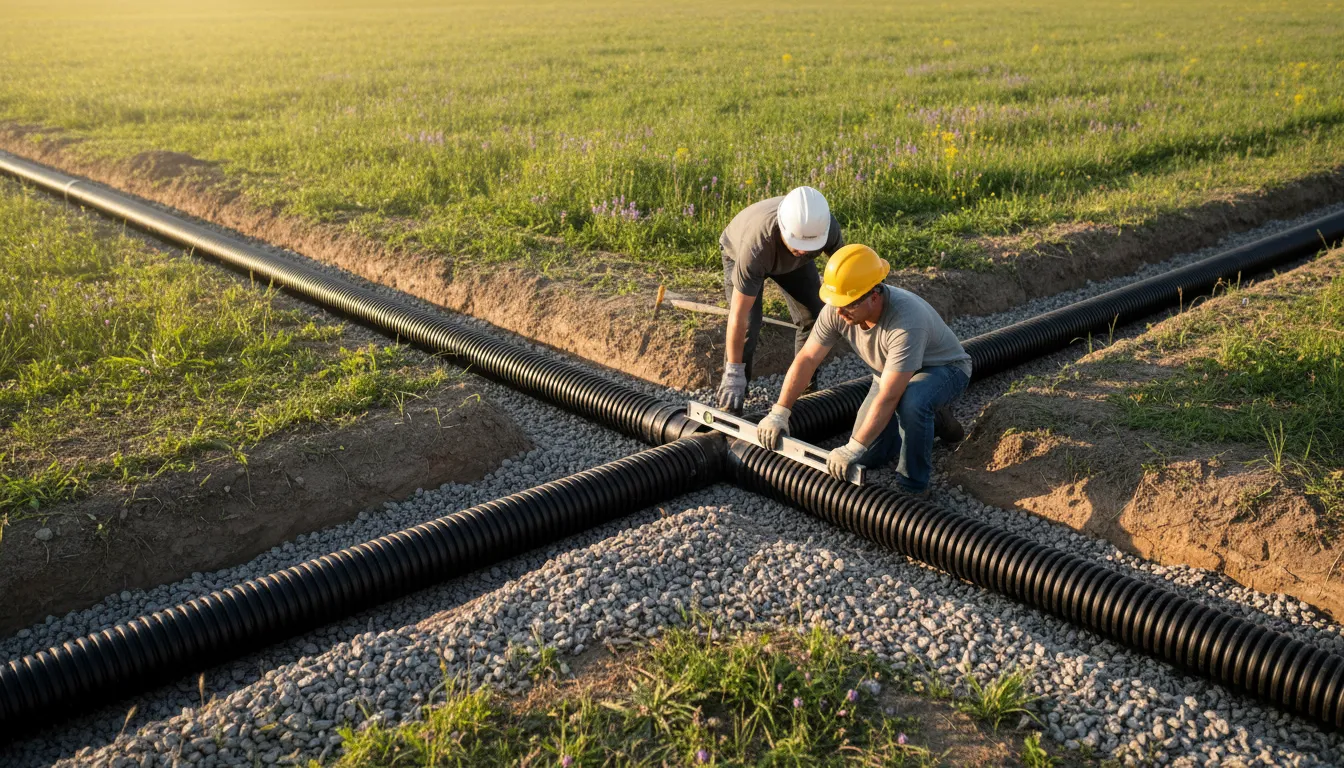
The drain field, also known as a leach field or soil absorption system, is the final and most crucial stage of your onsite wastewater treatment. After solids settle in the septic tank, liquid effluent flows into a network of perforated pipes buried in trenches. This effluent slowly percolates through the soil, where natural biological processes remove harmful pathogens and nutrients before the water rejoins the groundwater.
In Vermont, these systems are tightly regulated to protect public health and water quality, especially given the state's many lakes, streams, and sensitive aquifers. A properly functioning drain field is essential. When it fails, untreated sewage can surface, creating a health hazard, or it can contaminate groundwater, which is the drinking water source for many Vermonters.
Signs of a Failing Drain Field
Recognizing early warning signs can help you address problems before they become a full-blown emergency and a more expensive repair. Be alert for these indicators:
- Sewage Odors or Surfacing Effluent: The most direct sign of failure is the smell of sewage outdoors or, more critically, seeing gray, foul-smelling water pooling on your lawn above the drain field area.
- Slow Drains and Backups: If drains throughout your home are slow or toilets gurgle and back up, especially during wet weather, it could indicate a saturated drain field that can no longer accept water.
- Unusually Lush or Soggy Grass: While a green patch over the field might seem healthy, it often means the area is being over-fertilized by nutrient-rich, untreated wastewater.
- Standing Water or Soil Saturation: Persistent wet, spongy ground over the leach field, even during dry periods, is a strong sign of failure.
Vermont officially defines a failed system as one that discharges wastewater to the ground surface, causes a backup into the dwelling, or fails to treat wastewater to required standards. If you observe any of these signs, you must take immediate action.
Vermont's Regulatory Framework: Permits and "Best Fix"
Vermont law requires state oversight for most drain field work. Understanding these rules is the first step in any repair project.
The Permit Requirement: Any repair beyond minor maintenance or a complete drain field replacement requires a permit from the Vermont Department of Environmental Conservation (DEC). You cannot legally begin excavation or construction without this permit. The application process ensures the new design protects water resources and public health.
The Role of a Licensed Designer: All designs for septic system repairs or replacements must be completed by a state-licensed designer or professional engineer 1 2. This expert will assess your property, conduct necessary soil tests (like a percolation test), and create a system design that meets current state standards before submitting the permit application on your behalf.
The "Best Fix" Provision: Vermont has a valuable regulation for homeowners with challenging properties. If you are repairing an existing system on a site with limitations (like high groundwater, poor soils, or small lot size), you are entitled to a "best fix" permit 3 4. This provision offers design flexibility to find the most effective solution possible for your specific site, which may differ from standard code requirements for new construction.
Other Key Regulations:
- System Upgrades: If you convert a seasonal camp to year-round use or add bedrooms to your home, the law requires you to upgrade your entire septic system, including the drain field, to meet the demand of the increased occupancy 5.
- Neighbor Notification: If your system repair is located near a property boundary, you may be required to notify the adjacent landowner via certified mail, as part of Vermont's "presumptive shield" rules 6.
Find the perfect drain field repair companies for your needs
Get personalized recommendations and expert advice
The Process: From Inspection to Completion
Addressing a drain field issue follows a structured path. Here's what to expect:
1. Professional Inspection and Diagnosis: The first step is a thorough inspection by a licensed professional. They will locate and assess all system components. For the drain field, this often involves excavating inspection ports to check for ponding effluent and saturated soil 7 8. A standard inspection in Vermont typically costs between $200 and $900, though more comprehensive inspections for real estate transactions can be higher. The inspector will determine if the tank simply needs pumping or if the drain field itself has failed.
2. Immediate Actions for a Failed System: If your system has failed (e.g., sewage is surfacing), you must act immediately to protect public health:
- Fence off or otherwise restrict access to the affected area.
- Drastically reduce water use in the home (take shorter showers, avoid running laundry/dishwashers).
- Contact a licensed septic professional right away to begin the repair process 9.
3. Design and Permitting: Your licensed designer will develop a repair or replacement plan. They will submit the design, along with the permit application and fee, to the DEC. Review times can vary, so factor this into your planning.
4. Installation: Once the permit is issued, a licensed installer can begin work. This may involve:
- Repair: Sometimes, only a portion of the field has failed. Repair might involve replacing clogged pipes, adding new trenches to the existing field, or using technologies like aerobic treatment units to extend the field's life.
- Replacement: A complete failure often requires a new drain field in a different location on your property. The old field must be properly abandoned, usually by removing the contaminated soil and backfilling with clean material.
5. Final Inspection and Approval: After installation, the DEC or a designated agent will conduct a final inspection to ensure the work matches the permitted design. Only after receiving final approval is your system legally operational.
Cost Considerations and Financial Assistance
Drain field repair or replacement is a significant investment. Costs vary widely based on system size, soil conditions, technology used, and site accessibility. While specific repair prices are highly variable, the state recognizes the financial burden.
Financial Assistance Programs: Vermont offers funding assistance to eligible homeowners for repairing or replacing failing, failed, or inadequate systems. Programs like the Healthy Homes On-Site initiative can provide crucial financial help, sometimes using federal funds such as ARPA money 10. It's essential to inquire about these programs early in the process, as they may have specific eligibility requirements related to income, the age of the system, or the nature of the failure.
The Value of an Inspection: Paying for a professional inspection ($200-$900) is a wise investment 11. It provides a clear diagnosis and scope of work, which allows you to get accurate bids from contractors and explore financing or assistance options with a full understanding of the project.
Maintaining Your New or Repaired Drain Field
Protect your investment and avoid future problems with proper care:
- Pump Your Tank Regularly: Have the septic tank pumped every 2-5 years, depending on usage. This prevents solids from washing out into and clogging the new drain field.
- Conserve Water: Use water-efficient fixtures and spread out laundry loads to avoid hydraulically overloading the system.
- Mind What You Flush: Only human waste and toilet paper should go down the drain. Never flush chemicals, wipes, feminine products, or grease.
- Protect the Area: Never drive or park vehicles over the drain field, and avoid planting trees or deep-rooted shrubs nearby.
Frequently asked questions
Sources
Footnotes
-
Septic Guide Cover - Northwest Regional Planning Commission - https://www.nrpcvt.com/wp-content/uploads/2025/01/SepticSystemGuide_2025_January22.pdf ↩
-
The Vermont Statutes Online - https://faolex.fao.org/docs/pdf/us186864.pdf ↩
-
GUIDE TO FAILED WASTEWATER SYSTEMS - https://dec.vermont.gov/sites/dec/files/dwgwp/ro/pdf/Failed%20Wastewater%20System%20handout%20%28003%29.pdf ↩
-
Septic System Primer - https://dec.vermont.gov/sites/dec/files/wsm/lakes/Lakewise/docs/LP_BMPSepticSystemPrimer.pdf ↩
-
WW Permit- Frequently Asked Questions - https://dec.vermont.gov/drinking-water-and-groundwater-protection/wastewater-systems-and-potable-water-supply-program-2/ww ↩
-
Wastewater System and Potable Water Supply Rules - https://dec.vermont.gov/drinking-water-and-groundwater-protection/wastewater-systems-and-potable-water-supply-program-1 ↩
-
septic system inspection guideline - https://dec.vermont.gov/sites/dec/files/dwgwp/indirect/pdfs/septicsysteminspectguideline.pdf ↩
-
Vermont Septic System Inspection - https://www.trinityeng.com/service/vermont-septic-system-inspection/ ↩
-
Failed or Malfunctioning Wastewater Systems Resource - https://www.healthvermont.gov/sites/default/files/document/env-tho-failed-malfunctioning-wastewater-resources.pdf ↩
-
Healthy Homes: On-Site | Department of Environmental Conservation - https://dec.vermont.gov/anrhealthyhomes/on-site ↩
-
How Much Does a Septic Inspection Cost? [2026 Data] - Angi - https://www.angi.com/articles/septic-inspection-cost.htm ↩