Find the Best Septic Pump Repair Companies for Your Business
No obligation • Fast responses • Nationwide coverage

Why you can trust Septic Spot
Septic Spot is a leading United States resource for understanding and comparing septic services. Our editors review providers using consistent criteria and verify key business details. Listings and scores are independent, and companies cannot pay to influence our content.
Search providers near you
Best Septic Pump Repair Companies in Arkansas Ranked
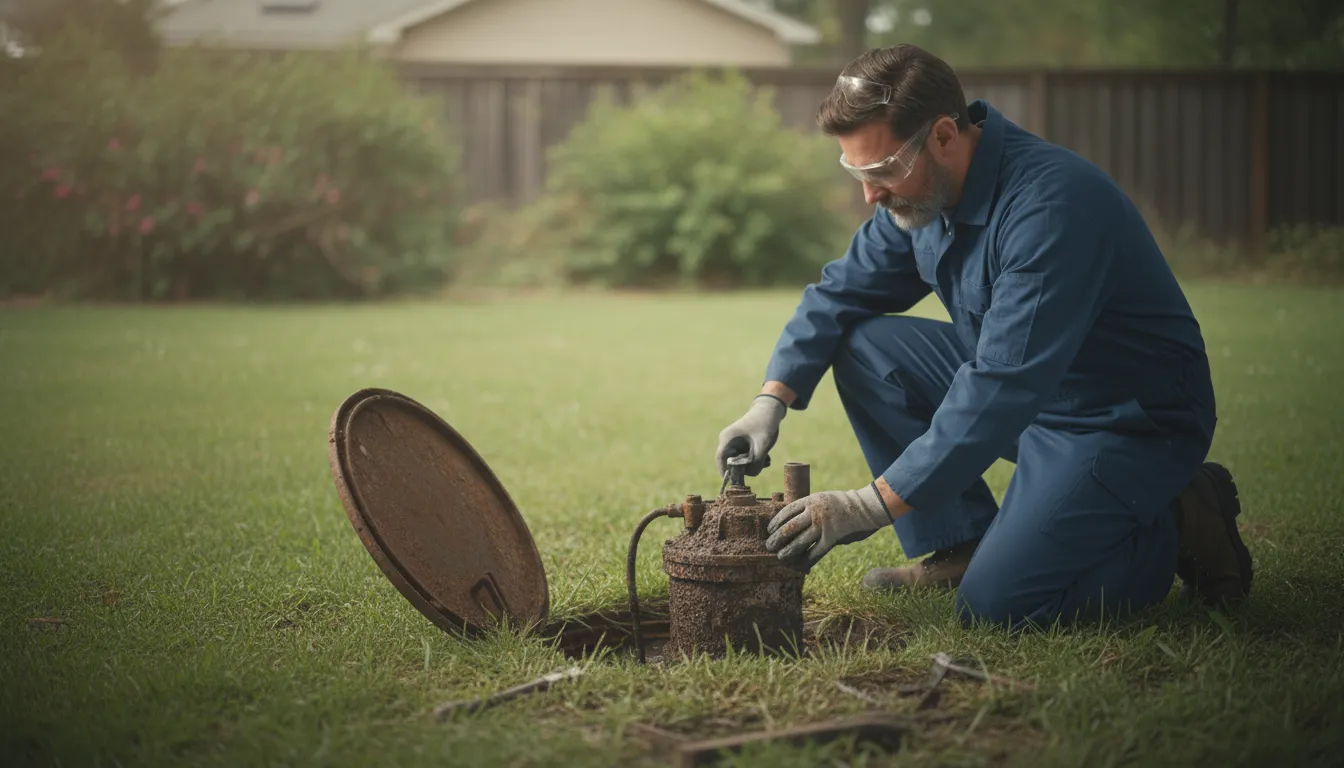
When a septic pump fails, it can bring household wastewater management to a halt, leading to backups, odors, and potential environmental issues. In Arkansas, where soil conditions and regulations often require specialized systems, maintaining a functional pump is critical. This guide provides clear, practical information on how septic pump repair and replacement works in the state, the types of systems you might have, associated costs, and the important regulatory landscape. Use this information to understand your system, recognize signs of trouble, and connect with qualified local professionals for service.
Common Septic System Types in Arkansas
Understanding the type of septic system you have is the first step in addressing pump issues. Arkansas homes use several designs, each with different pumping requirements.
- Conventional Gravity Systems: These are the simplest and most common where soil conditions allow. They rely on gravity to move effluent from the tank to the drain field and typically do not contain a pump. However, some gravity systems may use a pump if the drain field is at a higher elevation than the tank.
- Low-Pressure Distribution (Dosing) Systems: Often installed where soil is not ideal for gravity flow, these systems use a pump in a separate dosing tank to periodically send controlled amounts of effluent to the drain field. This allows for more even distribution and better treatment.
- Aerobic Treatment Units (ATUs): Common in areas with poor drainage, shallow soil, or high water tables, ATUs use oxygen to accelerate waste breakdown. These systems almost always include a pump-either to circulate air or to dose the treated effluent to a spray or drip irrigation field 1.
- Mound Systems: A specialized solution for challenging sites, a mound system uses a constructed sand mound to treat effluent before it reaches the natural soil. These systems require a pump to lift the wastewater from the septic tank up into the mound 2.
Signs Your Septic Pump Needs Attention
Recognizing early warning signs can prevent a complete system failure and more costly repairs. Be alert to these indicators:
- Audible or Visual Alarm Activation: Most pumped systems have an alarm that activates when the water level in the pump tank is too high, signaling a pump failure or switch problem.
- Sewage Backups or Slow Drains: If drains throughout the house are slow or toilets back up, and you've ruled out internal plumbing clogs, the issue may be a failed pump not moving effluent out of the system.
- Unusual Odors or Soggy Ground: Foul smells near the tank or drain field, or areas of overly wet, spongy, or lush grass can indicate that wastewater is not being pumped away and is surfacing.
- No Pump Activity: If you hear the alarm or suspect an issue, check the electrical panel for a tripped breaker. A consistently tripping breaker can point to a failing pump motor.
The Repair and Replacement Process
When you call a professional for septic pump service, they will typically follow a structured process to diagnose and resolve the issue.
- Diagnosis: The technician will first check the control panel, circuit breakers, and alarm. They will then use a probe to manually test the float switches inside the pump tank to determine if the pump, a switch, or the wiring has failed.
- Pump Extraction: If the pump is faulty, it must be disconnected and carefully lifted from the dosing tank or ATU. This can be a messy and technically precise task.
- Replacement or Repair: The old pump is replaced with a new unit of the correct specifications (horsepower, head pressure, etc.). Sometimes, only components like float switches, check valves, or the electrical connection need repair or replacement 3.
- Testing and Verification: After installation, the new pump is tested to ensure it starts and stops at the correct levels. The alarm system is also verified to be in proper working order before the tank is sealed.
Arkansas Regulations and Licensing
Septic system work in Arkansas is strictly regulated to protect public health and groundwater. Homeowners must ensure any work is performed in compliance with state rules.
- Regulatory Body: The Arkansas Department of Health (ADH) Onsite Wastewater Program oversees all septic system installations, repairs, and permitting.
- Licensing Requirement: Any individual or company performing septic system repair or replacement must be licensed by the ADH4. Always verify a provider's license before hiring them.
- Permitting: A permit from the local county health unit is required for any new system installation, alteration, or replacement. This includes most significant pump repairs or replacements, as the ADH must approve the work 5 6.
- System Standards: Arkansas rules dictate specific system designs based on soil evaluations. For instance, high-pressure dosing systems are often mandated where soil percolation is slow 7. Minimum tank sizes are often set at 1,000 gallons to accommodate standard pumper trucks 8.
- Inspections: The ADH has the authority to inspect system repairs to ensure they meet code 9.
Find the perfect septic pump repair companies for your needs
Get personalized recommendations and expert advice
Understanding Costs for Pump Service
The cost for septic pump repair in Arkansas can vary significantly based on the system type, pump specifications, and the extent of the problem. Below is a general guide based on available industry data.
- Service Call & Diagnosis: Most companies charge a trip fee for inspection and diagnosis.
- Pump Replacement: This is typically the most significant cost for this specific service. Replacing a septic pump can range from $600 to over $1,500, depending on the pump's type, horsepower, and brand. Submersible pumps for ATUs or dosing systems are generally more expensive than effluent pumps for simpler applications.
- Component Repair: If the issue is isolated to a float switch, control panel, or alarm, repairs may cost between $100 and $300 for parts, plus labor.
- Related Maintenance: While not a direct pump repair cost, routine septic tank pumping (which is essential for overall system health, especially for systems with pumps) typically costs between $290 and $700 in Arkansas, depending on tank size and accessibility 10.
- Full System Implications: It's important to note that a failing pump can sometimes be a symptom of a larger system failure (like a clogged drain field). A full system replacement in Arkansas can range from $3,000 to $5,000 for a standard gravity system, with complex systems like mounds or ATUs potentially exceeding $10,00011.
Choosing a Service Provider in Arkansas
Selecting the right professional is crucial for a compliant and long-lasting repair. Keep these tips in mind:
- Verify ADH License: This is non-negotiable. Ask for their license number and confirm it with the ADH.
- Check Experience with Your System Type: Ensure the company has specific experience repairing your kind of system (e.g., ATU, low-pressure dosing).
- Get Detailed Estimates: A reputable provider should offer a written estimate that breaks down parts, labor, and any permit fees.
- Ask About Permits: The provider should handle pulling the necessary repair permit from the county health department. If they suggest the work doesn't require a permit, verify that with the ADH yourself.
- Seek References and Reviews: Look for established companies with positive feedback from local customers.
Maintaining Your System Post-Repair
After a pump repair or replacement, proper maintenance is key to preventing future problems.
- Schedule Regular Inspections: Have your entire system, including the pump and alarms, inspected every 1-3 years by a licensed professional.
- Pump the Tank Regularly: Even systems with pumps need the solid waste in the primary tank removed typically every 3-5 years to prevent solids from migrating into the pump tank and causing damage.
- Conserve Water: Reduce sudden large flows to the system, which can overwhelm the pump tank.
- Avoid Harmful Chemicals: Do not flush chemicals, paints, or excessive antibacterial products, which can kill the beneficial bacteria in your tank and ATU.
- Protect the Drain Field: Keep vehicles and heavy equipment off the drain field area, and divert surface water away from it.
Frequently asked questions
Sources
Footnotes
-
Can I Have a Septic Tank Without a Leach Field? - https://www.septicconnection.com/can-i-have-a-septic-tank-without-a-leach-field ↩
-
Exploring The Types of Septic Systems in Oklahoma - https://www.cycloneseptics.com/exploring-the-different-types-of-septic-systems-in-oklahoma/ ↩
-
Septic System Repair: Essential Guidelines for Homeowners - https://smartsepticpros.com/blog/septic-system-repair-guidelines/ ↩
-
Arkansas Septic License & Certification | 2024 Contractor Guide - https://www.servicetitan.com/licensing/septic/arkansas ↩
-
Arkansas Administrative Code, Division 04, Rule 007.04.93-005 - https://regulations.justia.com/states/arkansas/agency-007/division-04/rule-007-04-93-005/ ↩
-
Arkansas Department of Health - https://arkleg.state.ar.us/Home/FTPDocument?path=%2FAssembly%2FMeeting+Attachments%2F040%2F26359%2FD.8.c+DOH+SBH+Rules+Pertaining+to+Septic+Tank+Cleaners+and+Acts+137+and+457+of+2023.pdf ↩
-
INSTALLER BASICS - RULES - Arkansas Department of Health - https://healthy.arkansas.gov/wp-content/uploads/Onsite-Rules-Training.pdf ↩
-
Arkansas Septic Tank Requirements | On-Site Wastewater Treatment Facilities - https://www.ntotank.com/blog/arkansas-septic-system-requirements ↩
-
2530 - https://www.fs.usda.gov/im/directives/field/ozark/fsm/2500/2530.htm ↩
-
Septic Pumping Cost by State: 2024 Complete Price Guide - https://wastedoor.com/article/septic-pumping-cost-by-state ↩
-
How Much Does a Septic System & Septic Tank Cost - NexGen Septics - https://www.nexgenseptics.com/septic-system-cost/ ↩