Find the Best Septic Pump Repair Companies for Your Business
No obligation • Fast responses • Nationwide coverage

Why you can trust Septic Spot
Septic Spot is a leading United States resource for understanding and comparing septic services. Our editors review providers using consistent criteria and verify key business details. Listings and scores are independent, and companies cannot pay to influence our content.
Search providers near you
Top Septic Pump Repair Companies in Little Rock, Arkansas Ranked
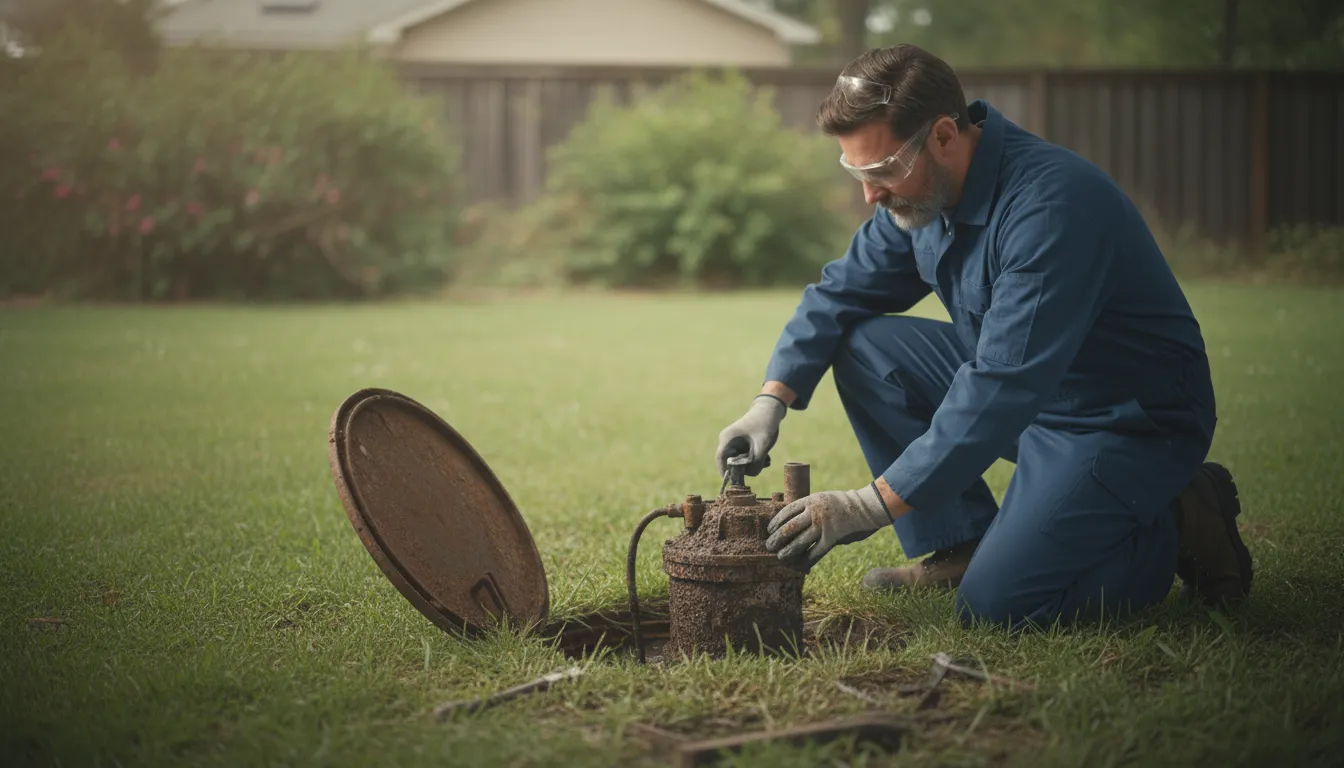
A failing septic pump or a compromised tank can quickly escalate from a nuisance to a serious health and environmental hazard. Septic pump repair and replacement services are critical for maintaining a functional wastewater system, protecting your property value, and ensuring compliance with local health regulations. This guide is designed to help Little Rock homeowners understand the unique challenges of local systems, recognize the signs of trouble, and navigate the process of finding qualified local specialists to restore their system's operation.
Understanding Your Little Rock Septic System
Most homes in Central Arkansas rely on onsite wastewater treatment systems, commonly known as septic systems. These systems are more than just a tank; they are a multi-stage process for treating household wastewater. The septic tank allows solids to settle and begin breaking down, while the liquid effluent flows out to a drain field for further filtration into the soil. A key component in many systems, especially those not relying on simple gravity, is the pump. This pump, often called a grinder pump or effluent pump, moves wastewater from the tank to the drain field. When this pump or its associated components fail, the entire system can back up.
The Critical Role of Soil and Terrain
One of the most significant factors influencing septic system design, cost, and repair complexity in Little Rock is the local soil composition. Much of Central Arkansas, including areas in and around Little Rock, is characterized by heavy clay soil 1. Clay soil has a very slow percolation rate, meaning it absorbs liquid poorly. This presents a major challenge for conventional gravity-fed drain fields, which rely on soil absorption.
Because of this, many properties require more advanced system types:
- Aerobic Treatment Systems (ATS): These systems use an aerator to introduce oxygen into the treatment process, breaking down waste more efficiently and producing a higher-quality effluent that is better suited for challenging soils 2.
- Low-Pressure Dose (LPD) Systems or Mound Systems: These systems use a pump to distribute effluent evenly across a specially constructed sand mound or drain field, overcoming the limitations of dense clay 3.
These advanced systems are inherently more complex than standard gravity systems and often involve more electrical components, pumps, and alarms, which can influence both maintenance needs and repair costs.
Common Septic Pump and System Repairs
When issues arise, they typically fall into a few key categories. Understanding these can help you communicate effectively with a service provider.
Pump and Float Failures: The most direct issue is a malfunctioning pump or float switch. The pump may burn out due to age, electrical issues, or being overloaded with solids. The float switch, which tells the pump when to turn on and off, can also fail. Diagnosis involves checking power, the control panel, and the mechanical components of the pump itself.
Baffle or Tee Repair: Inside the septic tank, inlet and outlet baffles (or tees) are crucial. They prevent scum and solids from flowing out into the drain field. These concrete or plastic components can crack or deteriorate over time. Repairing or replacing baffles is a common fix that helps restore proper tank function 4.
Filter Cleaning or Replacement: Many modern systems, especially aerobic units, have effluent filters. These filters catch solids before they exit the tank and can become clogged, causing backups. Regular cleaning is part of maintenance, but a damaged filter may need replacement.
Drain Field Issues: While not always directly a "pump" repair, pump failure can sometimes be a symptom of a failing drain field. If the field is saturated or clogged, the pump may run continuously or fail to move effluent. Addressing this may involve jetting lines, installing a new field, or converting to a different system type-a significantly larger project 5.
Recognizing the Warning Signs of Failure
Catching problems early can prevent more extensive damage and higher repair bills. Be alert for these red flags:
- Sewage Odors: Unpleasant smells around the tank, drain field, or inside the home are a primary indicator.
- Slow Drains and Gurgling: Sinks, showers, and toilets that drain slowly or make gurgling noises can signal a blockage or full tank.
- Surfacing Wastewater or Soggy Ground: Effluent pooling in your yard over the drain field or tank area is a serious sign of failure.
- Alarm Sounds: Aerobic systems and pumped systems have alarms that activate when the water level is too high, indicating a pump failure.
- Unusually Green Grass: A patch of grass over the drain field that is much lusher and greener than the rest of the lawn may indicate a leak of nutrient-rich wastewater.
Local professionals like Arkansas Septic Pumping emphasize that these signs should prompt immediate inspection6.
Find the perfect septic pump repair companies for your needs
Get personalized recommendations and expert advice
The Cost of Septic Repairs and Replacements in Little Rock
Costs for septic work in Little Rock vary widely based on the system type, the extent of the problem, and site accessibility. The heavy clay soil often necessitates more expensive solutions. Here is a general breakdown based on industry data:
- Septic Pump Replacement: Repairing or replacing a failed pump typically ranges from $800 to $5,000, depending on the pump type and complexity of access.
- Baffle or Tee Repair: Fixing or replacing damaged tank baffles generally costs between $300 and $900.
- Risers Installation: Adding inspection risers for easier future access can cost $200 to $600.
- Partial Drain Field Repair: Addressing a section of a failed leach field may range from $3,000 to $15,000.
- Full System Replacement: When a system is beyond repair, full replacement is necessary. In Little Rock's challenging soil, this often means installing an advanced system, with costs ranging from $10,000 to over $40,0007 8 9 10.
As noted by local experts like We Pump It Septic Service, final costs are always specific to the contractor, site conditions, and the exact nature of the damage.
Navigating Permits and Regulations in Arkansas
In Arkansas, significant septic system repairs and all installations require permits from the local health department (typically the Arkansas Department of Health). Reputable contractors will handle this permitting process for you. As BBB Septic and Portable Toilets points out, permits ensure the work meets state codes designed to protect groundwater and public health11. This is especially important given the environmental sensitivity of areas near the Arkansas River and other waterways. Always verify that any professional you hire is familiar with and compliant with Arkansas regulations.
Choosing a Service Provider: What to Look For
Selecting the right professional is crucial for a job done correctly and safely.
- Licensing and Insurance: Ensure the company is licensed for septic work in Arkansas and carries both liability and worker's compensation insurance.
- Local Experience: Choose a provider with extensive experience in Little Rock and Central Arkansas. They will understand the local soil challenges, common system types, and county health department expectations.
- Detailed Assessment and Estimate: A trustworthy professional will perform a thorough inspection (which may involve pumping the tank to see inside) before providing a detailed, written estimate that breaks down parts, labor, and permit fees.
- Clear Communication: They should explain the problem, your options, and the repair process in terms you can understand, without high-pressure sales tactics.
The Importance of Regular Maintenance
The U.S. Environmental Protection Agency stresses that regular maintenance is the most cost-effective way to avoid major septic pump repair and system failure12. For a standard system, this means pumping the tank every 3-5 years. For aerobic systems with pumps and aerators, annual maintenance contracts are common and highly recommended to keep electrical and mechanical components in good working order. This proactive approach can extend the life of your system by decades and provide peace of mind.
Frequently asked questions
Sources
Footnotes
-
The Real Cost of Foundation Repair in Arkansas - https://airliftconcreteexperts.com/cost-of-foundation-repair-in-arkansas/ ↩
-
How to Design an Aerobic System for Clay Soil - https://landperc.com/aerobic-system-design-clay-soil/ ↩
-
Understanding Septic System Cost: A Complete Guide - https://ky-pd.com/blog/septic-system-cost-breakdown/ ↩
-
Septic System Repair: Essential Guidelines for Homeowners - https://smartsepticpros.com/blog/septic-system-repair-guidelines/ ↩
-
How Much Does Failed Septic System Cost? - https://www.septicconnection.com/how-much-does-failed-septic-system-cost ↩
-
Septic Tank Pumping Little Rock, AR - https://arkansassepticpumping.com/ ↩
-
Septic Repair vs. Replacement: A Guide to Costs & Red Flags - https://prosepticri.com/septic-repair-vs-replacement-guide/ ↩
-
How Much Does It Cost to Repair a Septic Tank? - https://www.wepumpitsepticservice.com/how-much-does-it-cost-to-repair-septic-tank ↩
-
How Much Does It Cost to Replace a Septic System? - https://alphaenvironmental.net/blog/how-much-cost-replace-septic-system/ ↩
-
How Much Does a Septic System & Septic Tank Cost - NexGen Septics - https://www.nexgenseptics.com/septic-system-cost/ ↩
-
How to Determine the Cost of Installing or Replacing a Septic System in Bella Vista, AR - https://bbbseptic.com/how-to-determine-the-cost-of-installing-or-replacing-a-septic-system-in-bella-vista-ar/ ↩
-
Why Maintain Your Septic System | US EPA - https://www.epa.gov/septic/why-maintain-your-septic-system ↩