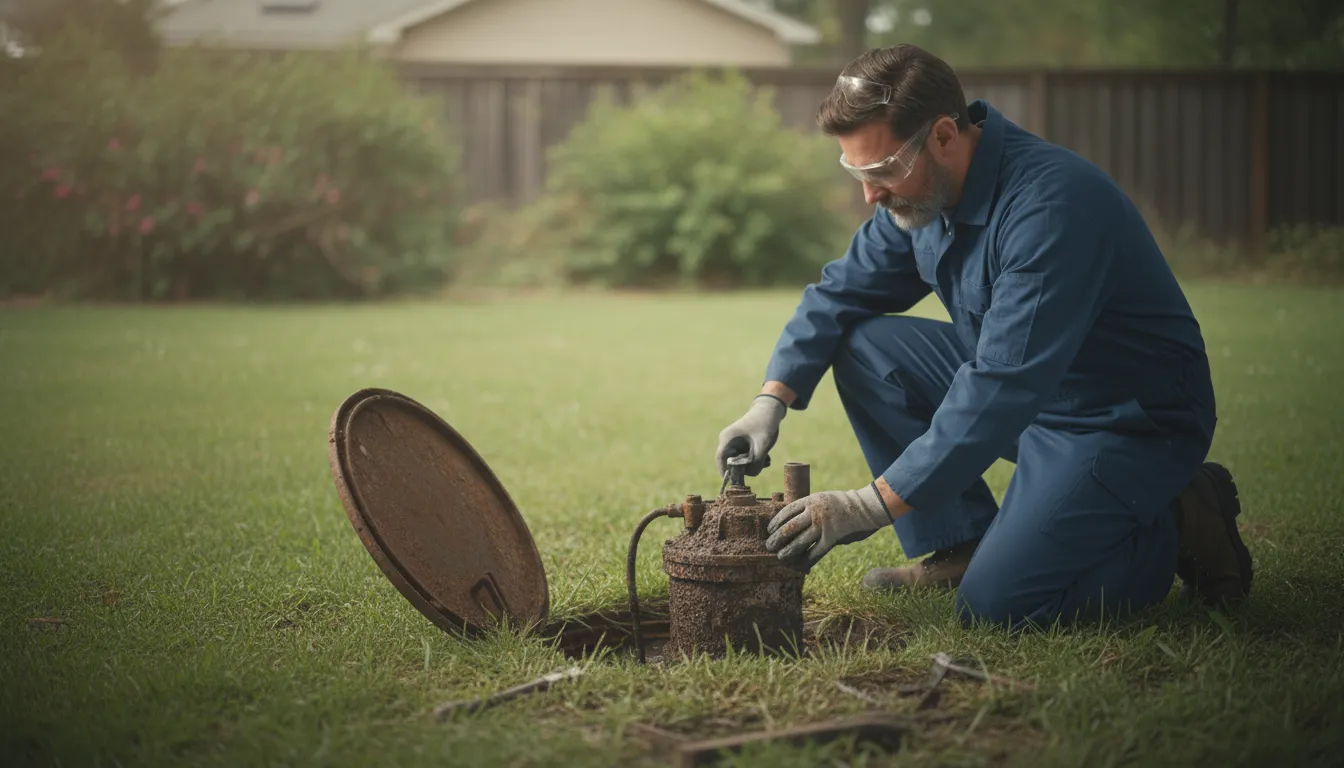
Find the Best Septic Pump Repair Companies for Your Business
No obligation • Fast responses • Nationwide coverage

Why you can trust Septic Spot
Septic Spot is a leading United States resource for understanding and comparing septic services. Our editors review providers using consistent criteria and verify key business details. Listings and scores are independent, and companies cannot pay to influence our content.
Search providers near you
Top Septic Pump Repair Companies in Buckeye, Arizona Ranked
A failing septic pump can bring your household to a standstill, leading to backups, alarms, and potential environmental issues. Septic pump repair and replacement are critical services that address the mechanical heart of your system, ensuring wastewater is properly moved from your home to the drain field. For Buckeye homeowners, navigating the unique challenges of Arizona's soil and climate makes finding a qualified local professional essential. This guide provides detailed information to help you understand the process, costs, and key considerations for maintaining your system's functionality.

Understanding Your Septic System's Pump
Not all septic systems have a pump. Conventional gravity systems rely on slope to move effluent, but many properties in Buckeye require a pump due to flat terrain, a high water table, or soil constraints. The pump, typically located in a separate chamber or the main tank, is an electrically powered component that lifts wastewater to the drain field at scheduled intervals. When this pump or its associated controls fail, the system cannot function. Common signs of trouble include alarm sounds, sluggish drains, gurgling toilets, or sewage backing up into the home.
Types of Systems in Buckeye
The type of system you have significantly impacts repair complexity and cost.
- Conventional Gravity Systems: These are the most common and generally the least expensive to repair if the issue is not with the drain field itself. They may not have a pump at all.
- Pump-Aided or Alternative Systems: Frequently installed in areas with challenging soil or a high water table, these systems use a pump to move effluent. Repairs involve electrical and mechanical components.
- Aerobic Treatment Systems (ATS): Common in Arizona where soil percolation is poor, these advanced systems use pumps, aerators, and filters to treat wastewater more thoroughly. Repairing or replacing components like the aerator or pump in an ATS is specialized work and tends to be more costly due to the complexity of the machinery 1 2.
Why Buckeye Presents Unique Challenges
Two primary local factors heavily influence septic work in the Buckeye area: soil composition and water tables.
- Caliche Soil: This hard, cement-like layer of calcium carbonate is prevalent in the Arizona desert. Excavating through caliche for pump access, pipe repair, or drain field work requires more labor, specialized equipment, and time, which directly increases costs.
- High Water Table: In some parts of Buckeye, the groundwater level can be high. This can saturate a drain field, causing system failure and often necessitating the installation of a more advanced, pump-reliant system that is more expensive to maintain and repair.
The Repair and Replacement Process
A professional repair follows a structured process to ensure the job is done correctly and complies with local regulations.
- Inspection and Diagnosis: A technician will first inspect the system. This involves checking the electrical connections, control floats, alarm panel, and the pump itself to determine the exact cause of failure. A thorough inspection is crucial to avoid unnecessary repairs 3.
- Permitting: For major repairs or a full pump replacement, a permit from the Maricopa County Environmental Services Department or other local health authority is often required. Your service provider should handle this.
- The Repair Work: This could involve replacing a faulty float switch, repairing wiring, clearing a blockage, or pulling and replacing the submersible pump itself. Technicians may also recommend adding or repairing risers-vertical pipes that bring tank and pump access to the surface for easier future service.
- Final Testing and Compliance: Once the new pump or components are installed, the system is tested to ensure it operates correctly. The work may be subject to a final inspection by the permitting authority to close the permit 4.
Find the perfect septic pump repair companies for your needs
Get personalized recommendations and expert advice
Cost Factors for Septic Pump Work in Buckeye
Costs can vary widely based on the system type, the extent of the problem, and local soil conditions. The figures below are estimates to help you budget.
- Septic Pump Repair or Replacement: Repairing a pump or replacing a standard effluent pump typically ranges from $500 to $1,300. Replacing a pump in an advanced aerobic system will be on the higher end of this scale or above 5.
- Component and Accessory Work: Repairing or replacing tank baffles, tees, or adding access risers can cost between $300 and $1,200.
- Drain Field Issues: If the pump failure is related to or has caused a drain field problem, partial repair can range from $3,000 to $15,000. The hard caliche soil in Buckeye can push costs toward the upper limit.
- Major System Overhaul: A complete septic system replacement, which may be necessary if the pump failure is part of a total system collapse, can cost $10,000 to $40,000 or more, especially for alternative systems required by local soil conditions 6 7 8.
Choosing a Local Service Provider
When your system alarm is beeping, it's important to choose a provider familiar with Buckeye's specific challenges. Look for companies with experience in local soil conditions and a strong track record. They should be licensed, insured, and willing to pull all necessary permits. A reputable professional will provide a clear, detailed estimate after an initial inspection, explaining what the problem is and why the proposed solution is necessary. Asking for references or checking reviews for local providers like Duck's Pumping or Arizona Septic Tank can offer insight into their reliability and quality of work.
Maintenance: The Best Form of "Repair"
The most cost-effective strategy is to prevent major failures. Regular septic tank pumping (every 3-5 years) prevents solids from clogging the pump or drain field. Being mindful of what goes down your drains-avoiding grease, chemicals, and non-biodegradable materials-protects all system components. Knowing the location of your system and having accessible risers installed can save hundreds of dollars in location and excavation costs during an emergency service call.
Frequently asked questions
Sources
Footnotes
-
HOMEOWNER'S MANUAL Septic Systems 101 - https://www.yavapaiaz.gov/files/sharedassets/public/development-and-permits/zoning-amp-planning/documents/homeownersepticmanual.pdf ↩
-
Septic Systems: What to Ask When Buying a House - https://www.pubs.ext.vt.edu/SPES/spes-575/spes-575.html ↩
-
The Essential Role of Septic Inspections in Buckeye Real ... - https://www.duckspumping.com/single-post/the-essential-role-of-septic-inspections-in-buckeye-real-estate-transactions ↩
-
Septic System Repairs: Guidelines and Limitations - https://www.graham.az.gov/DocumentCenter/View/763/Septic-System-Repairs---Guidelines-and-Limitations-PDF ↩
-
How much does septic tank system repair cost? - HomeGuide - https://homeguide.com/costs/septic-tank-repair-cost ↩
-
Septic Repair vs. Replacement: A Guide to Costs & Red Flags - https://prosepticri.com/septic-repair-vs-replacement-guide/ ↩
-
How Much Does a Leach or Drain Field Replacement Cost? (2026) - https://homeguide.com/costs/drain-leach-field-replacement-cost ↩
-
Septic Systems And Clay Sewer Lines - Tucson - We Buy Ugly Houses - https://www.webuyuglyhouses.com/tucson/blog/septic-system-replacement-costs-in-tucson/ ↩