Find the Best Septic Pump Repair Companies for Your Business
No obligation • Fast responses • Nationwide coverage

Why you can trust Septic Spot
Septic Spot is a leading United States resource for understanding and comparing septic services. Our editors review providers using consistent criteria and verify key business details. Listings and scores are independent, and companies cannot pay to influence our content.
Search providers near you
Top Septic Pump Repair Companies in Glendale, Arizona Ranked
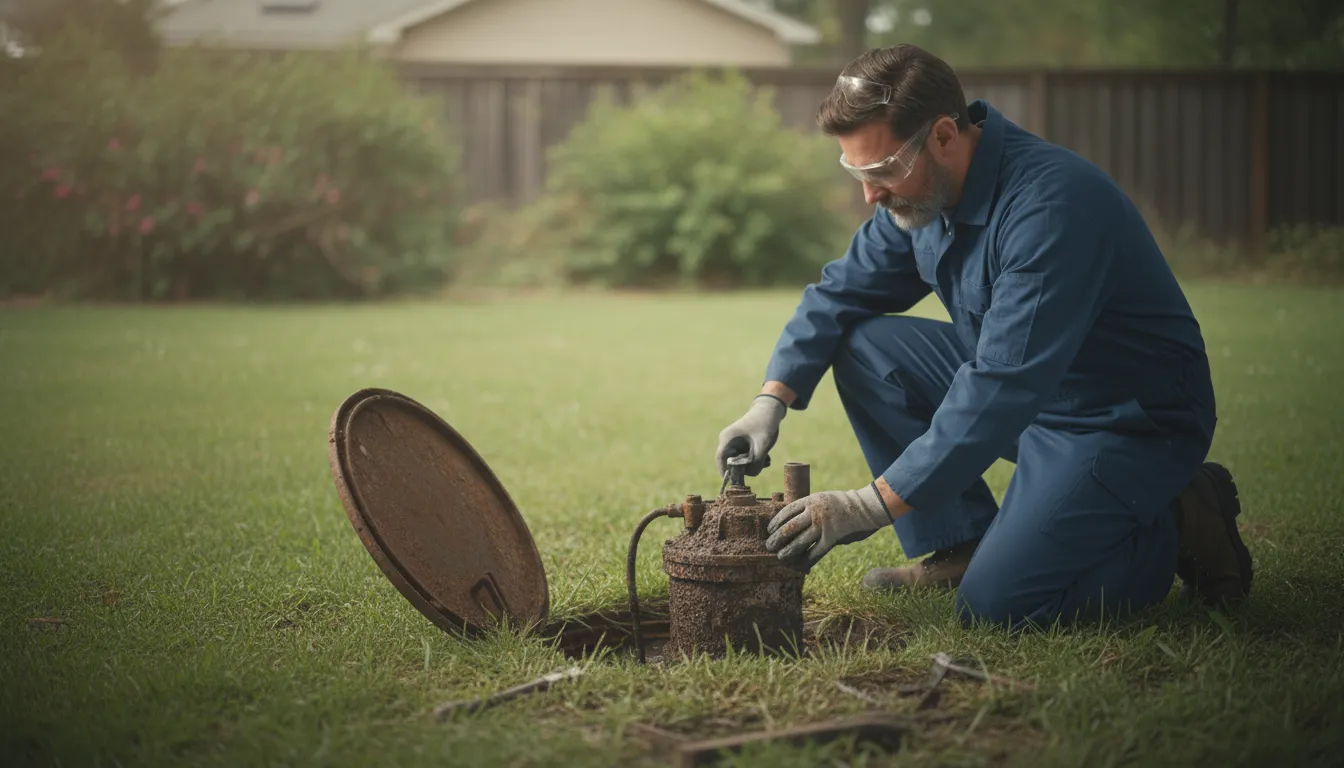
Maintaining a functional septic system is crucial for any Glendale home not connected to the municipal sewer. When the pump-the heart of a pressurized system-fails, it can lead to sewage backups, property damage, and serious health hazards. This guide focuses on septic pump repair and replacement, helping you understand the process, costs, and local considerations specific to Southern California. Use this information to identify qualified local professionals who can assess your system and recommend the right solution.
Macho Contracting
6424 E Greenway Pkwy #100, Scottsdale, AZ 85254
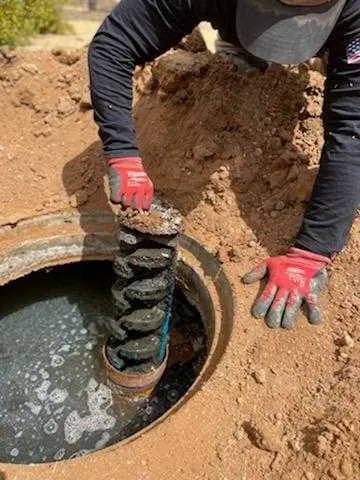
Macho Contracting is a family-owned plumbing and septic company serving Phoenix, AZ, and the surrounding Valley since 2016. They specialize in septic tank pumping, inspections, system repairs, and pump replacement services, with over 25 years of combined experience in onsite wastewater management. Their expertise includes handling underground systems, sewer line repairs, and complex septic system designs tailored to Arizona soil conditions. The company is fully licensed, NAWT-certified, and OSHA-trained, emphasizing safety and compliance in all projects.
Macho Contracting
1974 E Deer Valley Dr, Phoenix, AZ 85024
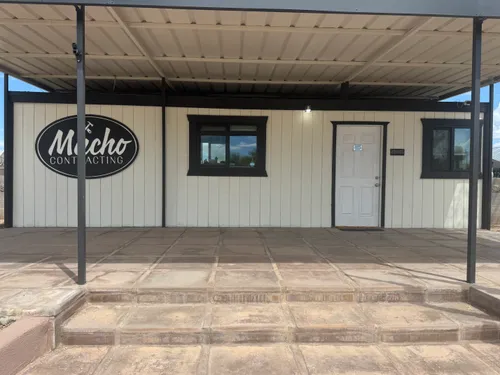
Macho Contracting is a family-owned plumbing and septic company based in Phoenix, AZ, serving the Valley and surrounding areas. They specialize in septic tank pumping, inspections, system repairs, and pump replacements, with over 25 years of experience in onsite wastewater management. Their services include handling underground systems, sewer line repairs, and complex septic system designs tailored to Arizona soil conditions. Since 2016, Macho Contracting has provided licensed and certified plumbing and septic solutions, including pump and lift station services, with a focus on innovative and quality workmanship.

Eco Septic Tank Pumping Phoenix
Phoenix, AZ
Eco Septic Tank Pumping Phoenix provides a full range of septic services including pumping, inspection, repair, and installation in Phoenix, AZ. They handle routine septic system cleaning, emergency sewer cleaning, and biological treatments to maintain system health. Their process includes thorough tank inspection and safe waste disposal to licensed facilities. The company also offers septic system repairs and new installations, ensuring compliance with local regulations. Serving Phoenix and surrounding areas, Eco Septic Tank Pumping Phoenix emphasizes regular maintenance to prevent system failures and extend septic system lifespan.
Understanding Your Septic System's Pump
Not all septic systems use a pump. Traditional gravity-fed systems rely on natural slope to move effluent from the tank to the drain field. However, in areas with challenging topography, high groundwater, or specific soil conditions, a pump system becomes essential. In Glendale and the surrounding hillsides, pump systems (often called pressure-dosed or mound systems) are common. The pump's job is to push effluent from the septic tank up to a drain field located at a higher elevation or through a network of smaller pipes for even distribution. When this component fails, the entire wastewater treatment process halts.
Why Pump Failures Happen in Glendale
Several local factors contribute to septic pump and system stress, making repairs a frequent necessity for homeowners.
- Soil Conditions: The soil in many parts of Glendale and the San Fernando Valley has a high clay content. Clay is dense and drains poorly, which can cause effluent to pool and back up, overworking the pump and saturating the drain field.
- System Type & Terrain: Homes built on slopes or in areas with a high water table often require engineered systems with pumps 1. These systems are more complex than gravity systems and have more electrical and mechanical components (like float switches and control panels) that can malfunction.
- Age and Wear: Like any mechanical device, septic pumps have a finite lifespan, typically 7-15 years. Constant use, grit from the tank, and electrical surges can lead to wear and tear.
- Site Constraints: Narrow property access, steep hillsides, and mature landscaping common in Glendale can make accessing the septic tank for repair or pump replacement more difficult and labor-intensive.
Signs You Need Septic Pump Repair or Replacement
Recognizing early warning signs can prevent a complete system failure and more costly damage.
- Alarms Sounding: Most modern pump systems have an alarm that sounds when the water level in the pump tank is too high, indicating the pump isn't turning on or can't keep up.
- Slow Drains or Backups: Gurgling toilets, slow-draining sinks, or sewage backups in the lowest drains in your home are classic signs of a system problem, which may originate with the pump.
- Soggy Ground or Odors: Unusually lush, soggy grass or foul odors near the septic tank or drain field area suggest effluent is not being pumped away and is surfacing.
- Electrical Issues: A tripped circuit breaker for the pump or a control panel with no lights could point to an electrical fault in the pump itself.
If you notice any of these signs, it's time to call a professional for a diagnostic inspection.
The Professional Repair and Replacement Process
A reputable septic service provider will follow a structured process to diagnose and fix your pump issue.
- Diagnostic Inspection: A technician will first check the electrical control panel, test the pump, and inspect the septic tank levels. A thorough inspection typically costs between $250 and $375 2 3. This step determines if the issue is a simple fix (like a stuck float switch) or a major pump failure.
- Permitting: For any major repair or full pump replacement that alters the system, a permit from the local Los Angeles County or Glendale Water Resources board is usually required. Your contractor should handle this.
- Excavation and Access: The soil over the septic tank or pump chamber is carefully excavated to allow access. On hillside properties, this may require specialized equipment.
- Repair or Replacement: The old pump is removed. For repairs, specific components like the float switch or impeller may be swapped. For a full replacement, a new, appropriately sized pump is installed, often with updated PVC piping 4.
- Testing and Inspection: Once installed, the new pump is tested to ensure it activates at the correct water level and pumps effluent effectively to the drain field. A final inspection may be required to close the permit.
- Site Restoration: The excavated area is backfilled and graded to ensure surface water drains away from the system components, preventing future issues 5.
Find the perfect septic pump repair companies for your needs
Get personalized recommendations and expert advice
Cost Factors for Septic Pump Services in Glendale
Costs for septic pump repair and replacement in Glendale can vary widely based on the complexity of the job and local factors. Residential septic pump repairs typically range from $800 to $5,000, while a full system replacement involving the pump, tank, and drain field can exceed $8,000 to $20,000+.
Here's a breakdown of common service costs in the California market:
- Pump or Float Switch Replacement: $300 - $5,000
- Baffle or Effluent Filter Repair: $300 - $900
- Pipe Repair (per section): $1,200 - $4,000
- Lateral Line Replacement: $1,250 - $4,250 6
- Full Drain Field Replacement: $5,000 - $15,000+ 7
- Complete System Replacement: $8,000 - $22,000+ 8 9
The final price depends on your specific system type (gravity vs. pressurized), site access, soil conditions (clay requires more work), and the cost of local permits and inspections 10.
Choosing Between Repair and Full Replacement
This is a critical decision. A professional inspection is essential, but here are general guidelines:
- Repair is Viable when the pump itself has a replaceable faulty component (like a float switch), the septic tank is structurally sound, and the drain field is still functioning properly. Repair is almost always the faster, less expensive option.
- Replacement is Necessary if the pump motor is burnt out and the unit is old, if the septic tank has cracks or structural damage, or if the drain field has completely failed (often indicated by persistent soggy ground and odors). In cases of chronic drain field failure, simply replacing the pump will not solve the problem; the entire soil absorption system may need redesigning, especially for clay soils 11.
Maintaining Your System Post-Repair
After investing in a repair or new pump, protect your investment with proper care:
- Schedule Regular Pumping: Have the septic tank pumped every 3-5 years to prevent solids from clogging the pump or drain field.
- Conserve Water: Spread out laundry loads and fix leaky faucets to avoid overwhelming the system.
- Mind What You Flush: Only human waste and toilet paper should go down the drains. Avoid grease, chemicals, wipes, and feminine hygiene products.
- Keep Records: Maintain a file of all inspections, repairs, pumping schedules, and system diagrams for future reference.
Frequently asked questions
Sources
Footnotes
-
What Are The Different Types Of Septic Systems? - https://greenbarexcavation.com/what-are-the-different-types-of-septic-systems/ ↩
-
7 Ways to Reduce the Cost for Septic System in California - https://www.lanikseptic.com/reduce-septic-system-costs-california/ ↩
-
California Septic Tank Requirements | Onsite Wastewater Treatment ... - https://www.ntotank.com/blog/california-septic-tank-requirements ↩
-
Septic Tank Replacement Explained: Costs, Lifespan, And What To ... - https://www.theseptictankman.com/blog/septic-tank-replacement-explained-costs-lifespan-and-what-to-expect ↩
-
What to Expect During a Septic System Replacement - https://www.townesseptic.com/blog/what-to-expect-during-a-septic-system-replacement ↩
-
Common Septic Tank Repairs In California (& What They Cost) - https://cacciaplumbing.com/blog/common-septic-tank-repairs-in-california/ ↩
-
Septic Repair vs. Replacement: A Guide to Costs & Red Flags - https://prosepticri.com/septic-repair-vs-replacement-guide/ ↩
-
Septic Repair vs. Replacement: How to Decide What's Best for Your System - https://www.townesseptic.com/blog/septic-repair-vs-replacement ↩
-
Septic Tank Replacement and Drain Field Cost in California - https://www.lanikseptic.com/how-much-does-it-cost-to-replace-a-septic-tank-and-drain-field-in-california/ ↩
-
The SoCal Guide to Septic Tank Installation - https://www.lanikseptic.com/socal-guide-septic-tank-installation/ ↩
-
How Much Does Septic Repair Cost in 2025? - https://www.blueribbonseptic.com/blog/septic-repair-cost-sacramento-2025 ↩