Find the Best Septic Pump Repair Companies for Your Business
No obligation • Fast responses • Nationwide coverage

Why you can trust Septic Spot
Septic Spot is a leading United States resource for understanding and comparing septic services. Our editors review providers using consistent criteria and verify key business details. Listings and scores are independent, and companies cannot pay to influence our content.
Search providers near you
Top Septic Pump Repair Companies in Peoria, Arizona Ranked
Maintaining a functional septic system is crucial for any home not connected to a municipal sewer line. In Peoria, this is especially true due to the region's unique environmental challenges. Septic pump repair and replacement services address critical failures in your system's components, ensuring wastewater is properly moved from the tank to the drainfield. When a pump malfunctions, it can lead to backups, odors, and potential environmental hazards. This guide explains the local factors influencing these services, outlines the typical processes involved, and provides a resource to help you connect with qualified professionals who understand the specific demands of the Arizona desert.
Macho Contracting
6424 E Greenway Pkwy #100, Scottsdale, AZ 85254
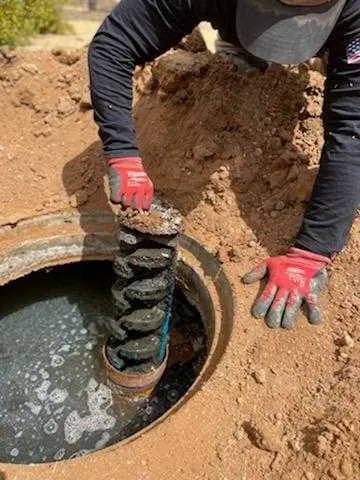
Macho Contracting is a family-owned plumbing and septic company serving Phoenix, AZ, and the surrounding Valley since 2016. They specialize in septic tank pumping, inspections, system repairs, and pump replacement services, with over 25 years of combined experience in onsite wastewater management. Their expertise includes handling underground systems, sewer line repairs, and complex septic system designs tailored to Arizona soil conditions. The company is fully licensed, NAWT-certified, and OSHA-trained, emphasizing safety and compliance in all projects.
Macho Contracting
1974 E Deer Valley Dr, Phoenix, AZ 85024
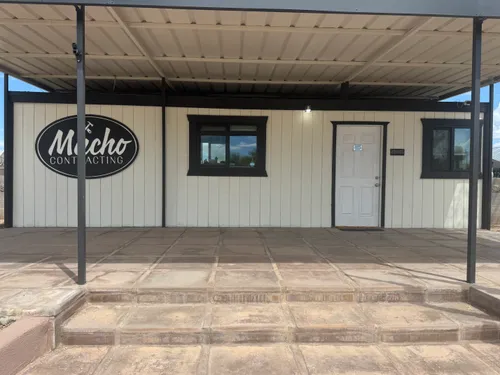
Macho Contracting is a family-owned plumbing and septic company based in Phoenix, AZ, serving the Valley and surrounding areas. They specialize in septic tank pumping, inspections, system repairs, and pump replacements, with over 25 years of experience in onsite wastewater management. Their services include handling underground systems, sewer line repairs, and complex septic system designs tailored to Arizona soil conditions. Since 2016, Macho Contracting has provided licensed and certified plumbing and septic solutions, including pump and lift station services, with a focus on innovative and quality workmanship.

Eco Septic Tank Pumping Phoenix
Phoenix, AZ
Eco Septic Tank Pumping Phoenix provides a full range of septic services including pumping, inspection, repair, and installation in Phoenix, AZ. They handle routine septic system cleaning, emergency sewer cleaning, and biological treatments to maintain system health. Their process includes thorough tank inspection and safe waste disposal to licensed facilities. The company also offers septic system repairs and new installations, ensuring compliance with local regulations. Serving Phoenix and surrounding areas, Eco Septic Tank Pumping Phoenix emphasizes regular maintenance to prevent system failures and extend septic system lifespan.
Understanding Your Septic System's Pump
A septic system is more than just a tank; it's a complex wastewater treatment system for your property. In many Peoria homes, especially those with pressure-distribution systems or where the drainfield is at a higher elevation than the tank, an electrical pump is a vital component. This submersible effluent pump is responsible for moving treated liquid (effluent) from the septic tank out to the drainfield for final soil absorption. When this pump or its associated controls fail, the entire system's operation grinds to a halt. Recognizing the signs of pump trouble early can prevent more extensive and costly septic system repairs down the line.
Common indicators of a failing septic pump include:
- Alarms sounding from your septic control panel.
- Gurgling sounds in household drains or toilets.
- Sewage backups inside the home or wet, soggy areas around the tank.
- Unusually lush grass over the drainfield, signaling an overflow.
Why Peoria's Environment Demands Specialized Service
The cost and complexity of septic work in Peoria are significantly influenced by local geology and climate. Standard repair procedures often need adaptation to meet these challenges.
Caliche and Rocky Soil: Beneath the surface of much of Peoria lies a dense layer of caliche-a hardened mixture of clay, sand, and calcium carbonate. This hardpan layer is extremely difficult to excavate, requiring specialized equipment and more labor hours for any repair or replacement that involves digging. The presence of rock further complicates excavation, directly driving up project costs 1 2.
High-Clay Soil and Drainage: Arizona soils often have a high clay content, which naturally slows the absorption of water. Over time, this can lead to a clogged drainfield, as the fine particles from effluent accumulate and form an impermeable layer (biomat). When a drainfield fails, simply repairing the pump may not solve the underlying issue. Full system replacements in Peoria often require engineered solutions, like advanced aerobic treatment systems (ATS), which are more expensive than conventional systems but are designed for poor soil absorption 3 4.
Monsoon Season Impacts: The intense summer monsoon rains can saturate the ground, overwhelming older or marginally functioning septic systems. The sudden influx of moisture can cause hydraulic overload, pushing solids into the drainfield or causing the pump to work overtime. Systems already in decline are particularly vulnerable to failure during these wet periods 5.
The Septic Repair vs. Replacement Decision
Facing a septic system problem requires a careful diagnosis to determine the most effective and economical solution. A professional inspection is the critical first step to assess whether a component repair or a full system replacement is necessary.
When Repair is Viable: Many issues are isolated to specific components. A skilled technician can diagnose and fix problems such as:
- Pump or Float Switch Failure: The most common repair, often involving replacing the submersible pump or the float that controls its on/off cycle.
- Clogged Outlet Baffle or Riser: Blockages can prevent effluent from leaving the tank, which may be cleared or repaired.
- Partial Drainfield Line Issues: Sometimes, only one section of the distribution lines is clogged or damaged. Techniques like hydro-jetting can clear blockages, or a single line can be replaced without redoing the entire field.
When Replacement Becomes Necessary: There are situations where repairs are a temporary fix at best. Full septic system replacement is a major undertaking but may be required if:
- The drainfield has completely failed due to soil clogging.
- The septic tank itself is structurally compromised (cracked or collapsed).
- The system is old, undersized for the current home, or non-compliant with current Arizona Department of Environmental Quality (ADEQ) regulations 6.
- Repeated repairs have become more costly than investing in a new, reliable system.
Find the perfect septic pump repair companies for your needs
Get personalized recommendations and expert advice
The Step-by-Step Process for Pump and System Work
Whether you need a simple component swap or a full system overhaul, understanding the process can help you know what to expect from local service providers.
- Inspection and Diagnostics: A certified professional will perform a thorough evaluation. This includes locating the tank and drainfield, checking the pump and electrical controls, inspecting tank baffles and effluent filters, and assessing the drainfield's absorption capability. This diagnosis determines the exact cause of failure 7.
- Permitting: For any significant repair involving excavation or a full replacement, the contractor must obtain the necessary permits from local health authorities. In Arizona, septic systems are regulated to protect groundwater, so all work must comply with state and county codes.
- Execution of Work:
- For Pump Repair/Replacement: This involves safely pumping out the tank, accessing the pump chamber, removing the faulty pump or floats, and installing new components. Electrical connections are tested to ensure proper operation.
- For System Replacement: This is a major excavation project. It includes designing a system suitable for the soil conditions, removing the old tank and drainfield, excavating through challenging caliche, installing the new tank and advanced treatment unit (if needed), and constructing a new drainfield. For pressure systems, a new pump and distribution box are installed.
- Drainfield Restoration (if applicable): In cases of partial failure, techniques like trenchless pipe replacement or high-pressure water jetting may be used to restore function without full excavation.
- Final Inspection and Approval: Once work is complete, a final inspection is often required by the permitting agency to ensure the installation meets all health and safety codes before the excavation is backfilled 8.
Understanding Cost Factors in Peoria
Costs for septic services in Peoria can vary widely based on the scope of work and site-specific challenges. The difficult soil conditions are a primary cost driver. Below is a general range based on common industry estimates for the region 9 10 11 12:
- Septic Pump or Float Replacement: $300 - $1,000. This is typically the most straightforward repair if the tank and drainfield are in good condition.
- Baffle or Riser Repair: $250 - $1,200. Repairing or replacing the inlet/outlet baffles or tank access risers.
- Line Cleaning/Hydro-Jetting: $500 - $1,500. Using high-pressure water to clear blockages in distribution lines.
- Partial Drainfield Repair: $3,000 - $15,000. Replacing a section of failed drainfield lines.
- Full System Replacement: $10,000 - $40,000+. This wide range accounts for system size (a standard 3-4 bedroom home typically uses a 1,000-gallon tank 13), soil conditions, and the type of system installed (conventional vs. advanced aerobic). The high end reflects the extra costs associated with excavating caliche and installing engineered systems for poor-draining soils.
Maintaining Your System to Avoid Major Repairs
Proactive maintenance is the most effective way to avoid unexpected and costly septic pump failures or system replacements. For systems with pumps, maintenance is especially critical. Recommended practices include:
- Regular Pumping: Have the solid waste in your tank pumped out every 3-5 years, depending on household size and usage.
- Annual Inspections: A yearly check of the pump, floats, and electrical components can catch small issues before they lead to a complete failure.
- Mindful Water Usage: Spread out laundry loads and fix leaking faucets to avoid hydraulically overloading the system.
- Proper Waste Disposal: Never flush anything besides human waste and toilet paper. Avoid pouring grease, chemicals, or food scraps down drains.
Frequently asked questions
Sources
Footnotes
-
Septic Maintenance Services in Peoria, AZ - https://septictechnologies.com/septic-maintenance-services-in-peoria-az/ ↩
-
Septic System Cost Estimate: A Complete Breakdown - https://landperc.com/septic-system-cost-estimate/ ↩
-
Septic Tank Installation vs. Replacement | Gross Septic Pumping - https://www.grossseptic.com/blog/septic-tank-installation-vs-replacement/ ↩
-
Repairing Septic Systems: A Detailed Manual - https://ky-pd.com/blog/fixing-septic-system/ ↩
-
Septic Repair Cost in California: Complete Breakdown of Pricing Factors and Variations - https://www.lanikseptic.com/septic-repair-cost/ ↩
-
When to Replace vs. Repair Your Septic Tank - https://www.grossseptic.com/blog/when-to-replace-vs-repair-your-septic-tank/ ↩
-
Septic System Repair: Essential Guidelines for Homeowners - https://smartsepticpros.com/blog/septic-system-repair-guidelines/ ↩
-
Understanding the Costs of Septic Tank Installation and Repair - https://mathisandsonsseptic.com/mathis-sons-septic-blog-orlando-fl/understanding-the-costs-of-septic-tank-installation-and-repair/ ↩
-
Septic Repair vs. Replacement: How to Decide What's Best for Your System - https://www.townesseptic.com/blog/septic-repair-vs-replacement ↩
-
Septic Repair vs. Replacement: A Guide to Costs & Red Flags - https://prosepticri.com/septic-repair-vs-replacement-guide/ ↩
-
How Much Does Septic Tank Repair Cost? [2026 Data] | Angi - https://www.angi.com/articles/how-much-does-repairing-septic-tank-cost.htm ↩
-
Cost Of Septic System Restoration Vs Septic System Replacement - https://www.aero-stream.com/cost-of-septic-system-restoration-vs-septic-system-replacement/ ↩
-
Arizona Septic Tank Requirements - https://www.ntotank.com/blog/arizona-septic-tank-requirements ↩