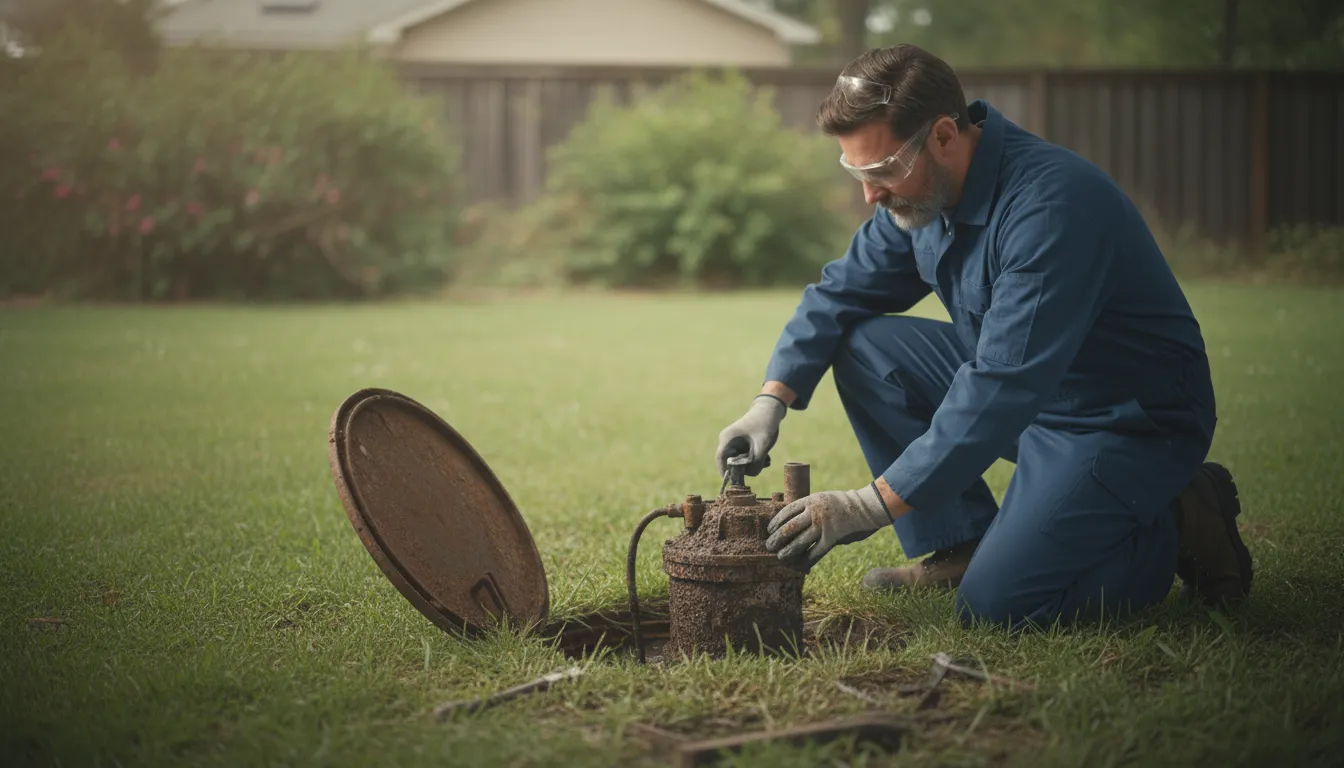
Find the Best Septic Pump Repair Companies for Your Business
No obligation • Fast responses • Nationwide coverage

Why you can trust Septic Spot
Septic Spot is a leading United States resource for understanding and comparing septic services. Our editors review providers using consistent criteria and verify key business details. Listings and scores are independent, and companies cannot pay to influence our content.
Search providers near you
Top Septic Pump Repair Companies in Tempe, Arizona Ranked
Maintaining a functional septic system is crucial for any Tempe homeowner. When a pump fails or components wear out, it can lead to sewage backups, property damage, and significant health hazards. Septic pump repair and replacement services address these critical mechanical and electrical components, ensuring wastewater is properly moved from your home to the drain field. This guide explains what these services entail, why local soil conditions like caliche are a major factor, and how you can find qualified professionals to assess and fix your system.
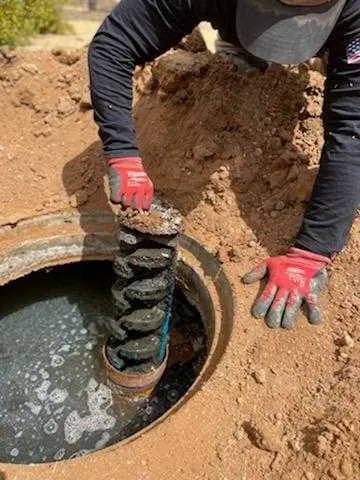
Macho Contracting
6424 E Greenway Pkwy #100, Scottsdale, AZ 85254
Macho Contracting is a family-owned plumbing and septic company serving Phoenix, AZ, and the surrounding Valley since 2016. They specialize in septic tank pumping, inspections, system repairs, and pump replacement services, with over 25 years of combined experience in onsite wastewater management. Their expertise includes handling underground systems, sewer line repairs, and complex septic system designs tailored to Arizona soil conditions. The company is fully licensed, NAWT-certified, and OSHA-trained, emphasizing safety and compliance in all projects.
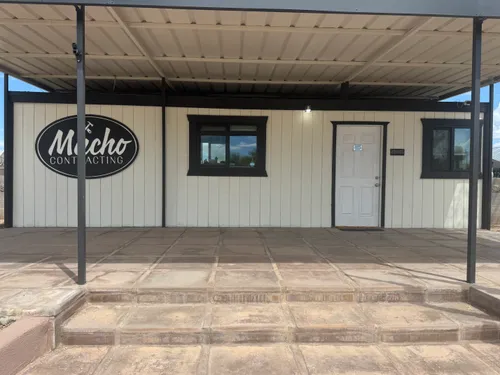
Macho Contracting
1974 E Deer Valley Dr, Phoenix, AZ 85024
Macho Contracting is a family-owned plumbing and septic company based in Phoenix, AZ, serving the Valley and surrounding areas. They specialize in septic tank pumping, inspections, system repairs, and pump replacements, with over 25 years of experience in onsite wastewater management. Their services include handling underground systems, sewer line repairs, and complex septic system designs tailored to Arizona soil conditions. Since 2016, Macho Contracting has provided licensed and certified plumbing and septic solutions, including pump and lift station services, with a focus on innovative and quality workmanship.

Eco Septic Tank Pumping Phoenix
Phoenix, AZ
Eco Septic Tank Pumping Phoenix provides a full range of septic services including pumping, inspection, repair, and installation in Phoenix, AZ. They handle routine septic system cleaning, emergency sewer cleaning, and biological treatments to maintain system health. Their process includes thorough tank inspection and safe waste disposal to licensed facilities. The company also offers septic system repairs and new installations, ensuring compliance with local regulations. Serving Phoenix and surrounding areas, Eco Septic Tank Pumping Phoenix emphasizes regular maintenance to prevent system failures and extend septic system lifespan.
Understanding Your Septic System's Pump
Not all septic systems have a pump. Conventional gravity-fed systems rely on slope to move effluent. However, in Tempe, many homes require a pump system, often called a pump-up or alternative system, due to the flat terrain or specific lot conditions. The pump is typically housed in a separate tank, known as a pump chamber or dosing tank, and is responsible for pushing liquid effluent out to the drain field at scheduled intervals.
A failing pump or its associated controls (float switches, alarms, control panels) will halt this process. This can cause the pump chamber to overflow back into the main tank or, in a worst-case scenario, cause a backup into your home. Recognizing the difference between a simple pump repair and a full system failure is the first step toward a cost-effective solution.
Why Tempe's Soil Presents Unique Challenges
The ground beneath your home is one of the most significant cost factors for any septic work in the Tempe area. Local soil types directly impact system performance, repair difficulty, and ultimately, your bill.
- Caliche and Rocky Soil: Much of Tempe and the surrounding Valley has a layer of hardened caliche-a cemented mixture of soil and calcium carbonate. This dense, rock-like material is extremely difficult and time-consuming to excavate, significantly increasing labor costs for accessing a tank, repairing pipes, or replacing a drain field 1.
- Clay vs. Sandy Soil: Soil composition affects drainage. Dense clay soil, found in some areas, drains poorly and can lead to premature drain field saturation and failure, often necessitating a larger or entirely new leach field. Conversely, very sandy soil may drain too quickly, requiring special filters to ensure proper wastewater treatment before it reaches the groundwater.
These soil conditions mean that a repair job in Tempe often requires specialized excavation equipment and may involve hauling in better fill dirt, adding to the overall project complexity and cost.
Signs You Need Pump Repair or System Attention
Ignoring early warning signs can turn a manageable repair into a catastrophic replacement. Be alert for these indicators:
- Audible Alarms: The most direct sign. If your septic system's alarm panel is beeping or a red light is on, it indicates a high-water condition in the pump tank.
- Slow Drains and Backups: Consistently slow drains, gurgling pipes, or sewage backups in toilets and showers suggest the system is not processing effluent, which could be due to pump failure or a clog.
- Unusual Noises: Grinding, humming, or constant running from the pump chamber can signal a failing pump motor or stuck float switch.
- Soggy Yard or Foul Odors: Persistent wet, spongy areas or sewage smells in your yard, especially near the tank or drain field, indicate effluent is not being absorbed and may be surfacing.
- Abnormally Green Grass: A patch of grass over the drain field that is much lusher and greener than the rest of the lawn can be a sign of nutrient-rich wastewater leaching to the surface.
If you notice any of these, the next step is a professional inspection to diagnose whether the issue is an isolated pump problem or a symptom of a larger system failure.
The Professional Repair and Replacement Process
A reputable service provider will follow a structured process to ensure the repair is effective and compliant with Arizona Department of Environmental Quality (ADEQ) regulations.
- Inspection and Diagnosis: A technician will first locate and inspect all system components. This often involves pumping the tank to allow for a clear internal inspection of baffles, tees, and the pump itself if it's submerged in the main tank. For pump chambers, they will test the pump, floats, and electrical controls 2.
- Permitting: For major repairs-such as replacing drain field lines, expanding the leach field, or installing a new tank-an ADEQ-approved permit is typically required. Your contractor should handle this process, which ensures the work meets state standards for public health and environmental protection (R18-9-A309) 3 4.
- Pumping: The septic tank is fully emptied. This is necessary for safe access during repairs and is a good maintenance practice regardless 5.
- Repair or Replacement Work: This is the core of the service. It may involve:
- Replacing a submersible pump or effluent filter.
- Repairing or replacing faulty float switches, alarms, or control panels.
- Fixing cracked inlet/outlet pipes or damaged baffles.
- Excavating to repair or replace clogged or broken lateral lines in the drain field.
- Backfilling and Cleanup: Once repairs are tested, the excavation is carefully backfilled. In rocky caliche soil, this may involve bringing in select fill material to ensure proper drainage and compaction around new components.
Find the perfect septic pump repair companies for your needs
Get personalized recommendations and expert advice
Cost Factors for Septic Work in Tempe
Costs can vary widely based on the scope of work and site-specific challenges. Here's a general breakdown based on regional data:
- Septic Tank Pumping: Often a prerequisite for inspection and repair, this typically costs between $400 and $700 in Arizona 6.
- Pump or Control Component Replacement: Repairing or replacing the mechanical pump and its electrical controls is one of the most common fixes, ranging from $800 to $5,000 depending on pump type and accessibility.
- Baffle or Riser Repair: Fixing these crucial tank components can cost between $300 and $1,200.
- Lateral or Pipe Repair: Excavating and repairing broken pipes in the drain field is more invasive, with costs from $1,500 to $8,000 or more, heavily influenced by excavation difficulty.
- Drainfield Repair/Replacement: Partial fixes start around $3,000, but a full drain field replacement due to failure can range from $10,000 to $15,000+ 7.
- Full System Replacement: When the tank and drain field have both failed, a complete new system installation is necessary. In Tempe, with soil challenges and regulatory requirements, this major project can range from $10,000 to over $40,000 8.
Repair vs. Replacement: Making the Decision
A professional inspection is essential to make this call. As a guideline:
- Repair is Often Viable when the problem is isolated to a single component, like a pump motor, float switch, or a small section of pipe, and the rest of the system (especially the drain field) is in good condition.
- Replacement May Be Necessary in cases of severe tank structural failure (cracks, collapse), chronic drain field failure (persistent surfacing effluent), or if the system is very old and has undergone multiple repairs. The cost of repeated repairs may eventually outweigh the investment in a new, reliable system 9 10.
Maintaining Your System After Repair
Protect your investment with proper care. Have the tank pumped every 3-5 years, conserve water to avoid overloading the system, avoid flushing chemicals or non-biodegradables, and direct rainwater runoff away from the drain field. Regular inspections can catch small issues before they become expensive emergencies 11.
Frequently asked questions
Sources
Footnotes
-
How Soil Type Affects Septic System Performance - https://www.septicblueraleigh.com/how-your-soil-determines-your-septic-systems-success.html ↩
-
Septic Tank Replacement Explained: Costs, Lifespan, And What To ... - https://www.theseptictankman.com/blog/septic-tank-replacement-explained-costs-lifespan-and-what-to-expect ↩
-
Septic System Repairs: Guidelines and Limitations - https://www.graham.az.gov/DocumentCenter/View/763/Septic-System-Repairs---Guidelines-and-Limitations-PDF ↩
-
Arizona Septic Tank-Installation-Service-Pumping & Repair - https://wellsseptictank.com/ ↩
-
Septic Tank Pumping Tempe - https://prioritypumpingaz.com/septic-tank-pumping-tempe/ ↩
-
Septic Tank Pumping Costs in Arizona | SewerTime Blog - https://sewertime.com/blog/septic-tank-pumping-costs/ ↩
-
Septic Repair vs. Replacement: A Guide to Costs & Red Flags - https://prosepticri.com/septic-repair-vs-replacement-guide/ ↩
-
How Much Does a Septic System & Septic Tank Cost - NexGen Septics - https://www.nexgenseptics.com/septic-system-cost/ ↩
-
Septic Tank Installation vs. Replacement | Gross Septic Pumping - https://www.grossseptic.com/blog/septic-tank-installation-vs-replacement/ ↩
-
When to Replace vs. Repair Your Septic Tank - https://www.grossseptic.com/blog/when-to-replace-vs-repair-your-septic-tank/ ↩
-
Septic System Repair: Essential Guidelines for Homeowners - https://smartsepticpros.com/blog/septic-system-repair-guidelines/ ↩